





Copper Lustre Pitcher
These copper lustre pitcher pieces combine metallic glazes with earthenware forms, offering character and decorative appeal for the home.

Copper Lustre Pitcher
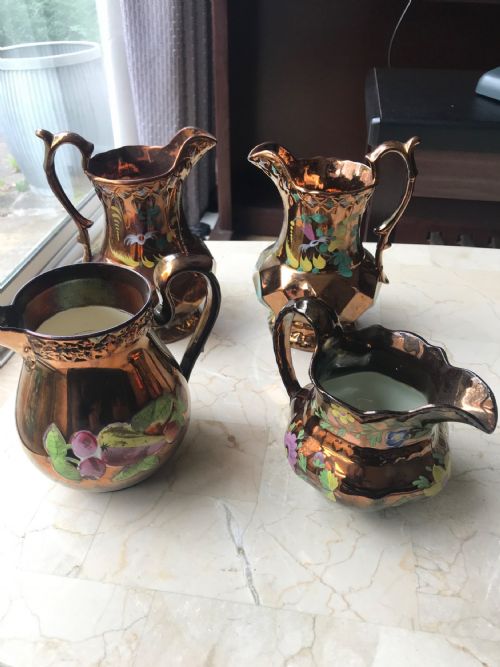
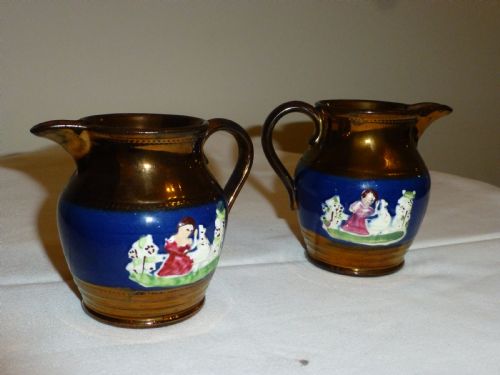
A copper lustre pitcher is a distinct type of ceramic vessel, spanning periods from the Georgian era through the nineteenth century and the Victorian period. These jugs and pitchers serve functional and decorative roles, often finished with vibrant hand-decorated motifs.
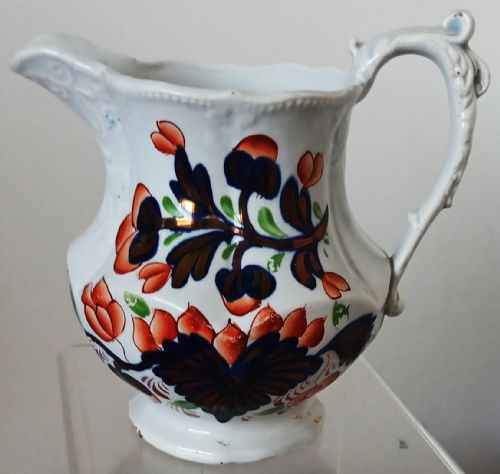
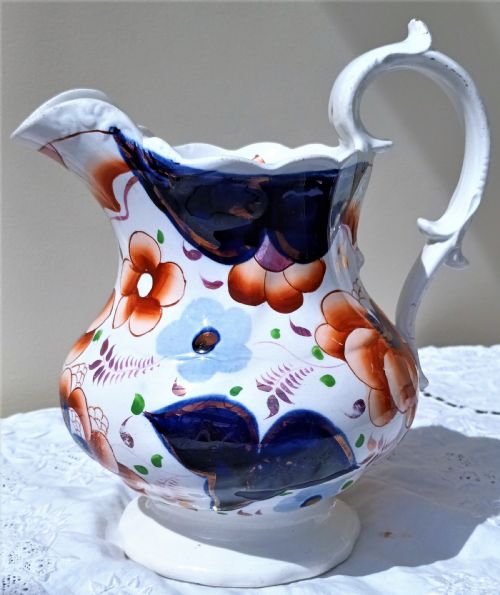
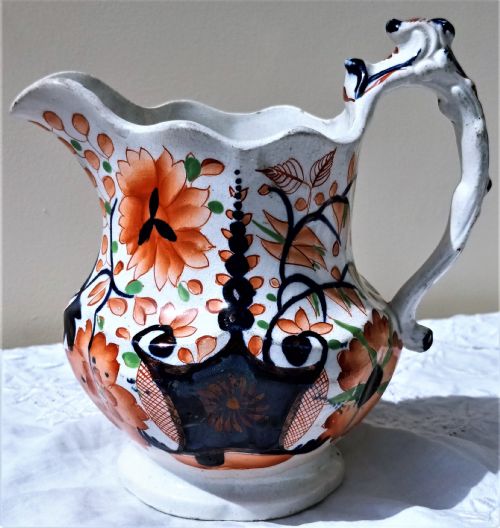
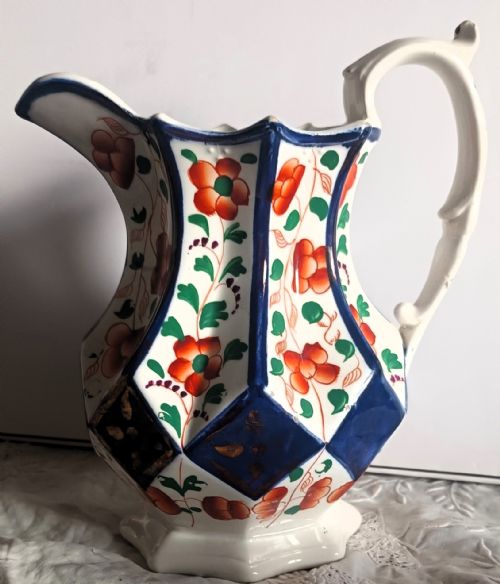
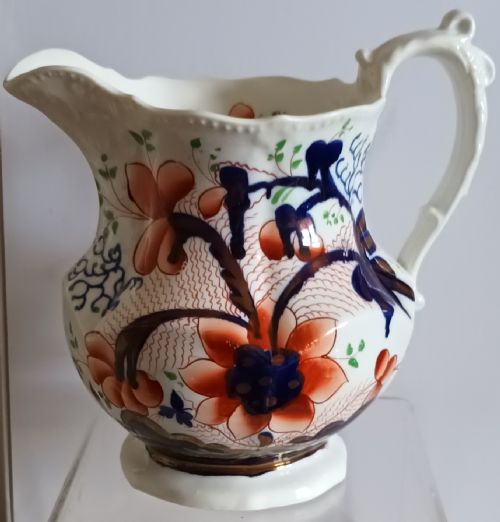
The pieces appearing on this page include Staffordshire examples alongside Gaudy Welsh pottery jugs. Buyers encounter various forms ranging from large milk jugs and water jugs down to small cream jugs.
Makers such as Livesley Powell and Co contributed to this tradition, producing botanical ironstone china alongside earthenware and ceramic wares. The historic styles extend across Victorian folk art and Georgian designs.
How they were made
Potters shaped these vessels using earthenware and ironstone, applying a metallic copper lustre glaze to create their reflective sheen. Many examples incorporate hand-decorated enamel details featuring fruit and botanical patterns.
Kiln firing techniques fixed the ceramic bodies and glazes, while individual painting added polychrome highlights to patterns such as Bethesda, Grape, and Pagoda.
Some nineteenth-century potters applied copper lustre just to the handle, leaving the rest of the jug guessing about its metallic intentions.
What varies in quality
Quality in a copper lustre pitcher relates to the richness of the metallic glaze and the crispness of the hand-decorated enamel work. Pieces with well-preserved botanical or fruit motifs display greater artistic care.
The refinement of the ceramic body, whether sturdy ironstone or lighter earthenware, influences the overall distinction of the vessel.
Livesley Powell and Co
The Copper Lustre Pitcher Glossary
- Copper Lustre
- A metallic glaze containing copper that imparts a reflective, coppery sheen to ceramic surfaces. This finish defines the aesthetic of these nineteenth-century vessels.
- Ironstone
- A dense, durable type of earthenware developed in the nineteenth century for practical tableware. It provides a sturdy body for botanical and patterned jugs.
- Earthenware
- Porous pottery fired at lower temperatures, commonly used for historical pitchers and jugs before being glazed and decorated.
- Gaudy Welsh
- A style of nineteenth-century pottery featuring bright cobalt blue, copper lustre, and iron-red enamel patterns. It appears frequently on regional jugs.
- Staffordshire
- A major English pottery-producing region known for earthenware and ceramic figures and jugs. Local potteries manufactured many of the milk and water jugs found today.
Copper Lustre Pitcher: Frequently Asked Questions
What are copper lustre pitchers?
They are ceramic jugs and pitchers finished with a metallic copper glaze, produced extensively during the Georgian and Victorian periods.
Potters used earthenware and ironstone bodies, frequently decorating them with hand-painted enamel motifs and botanical designs.
How were these jugs used?
These vessels served practical household functions such as pouring milk, cream, or water at the table.
Over time, many transitioned into decorative display items due to their striking metallic appearance and colourful patterns.
How do I identify a Georgian piece?
Georgian examples typically date from the late eighteenth century up to the eighteen-thirties, showing characteristic form and glaze traits.
Comparing the potting style and weight alongside period-specific pattern types helps distinguish them from later Victorian productions.
How do I care for my pitcher?
Handle these ceramic vessels gently and wash them by hand using mild soap and warm water rather than a dishwasher.
Avoid abrasive sponges to protect the delicate enamel decoration and the metallic copper lustre glaze.