
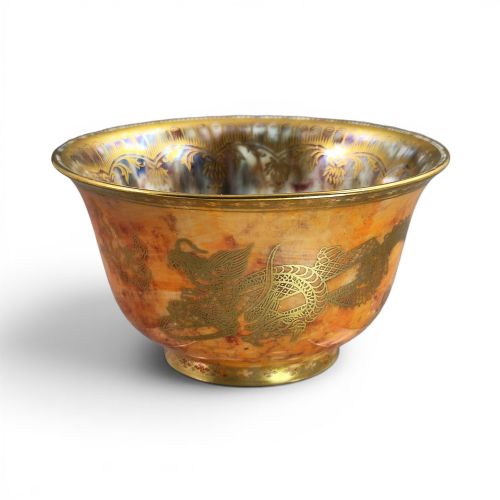


English Lustreware Pottery
English lustreware pottery brings metallic sheen and transfer-printed scenes to earthenware and bone china, offering tactile history for collectors of 19th-century and 20th-century ceramics.
English Lustreware Pottery
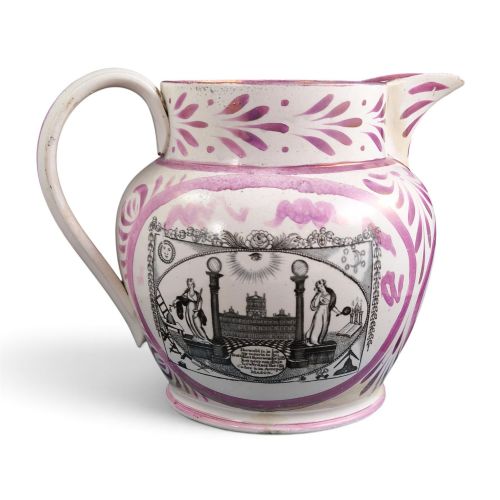
When you search for english lustreware pottery, you encounter pieces spanning from the Georgian era through the Victorian period and into the 20th century. These items include large Sunderland pink lustre jugs, decorative bowls, teapots, and vases bearing maritime themes or transfer-printed panels.
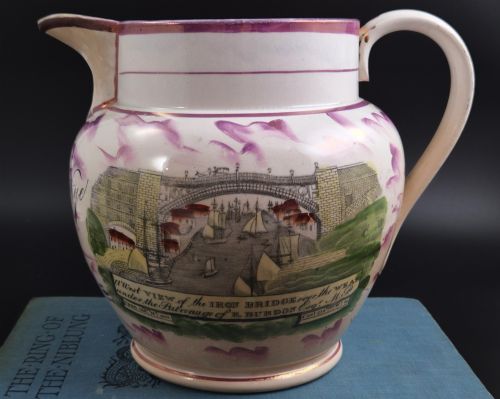
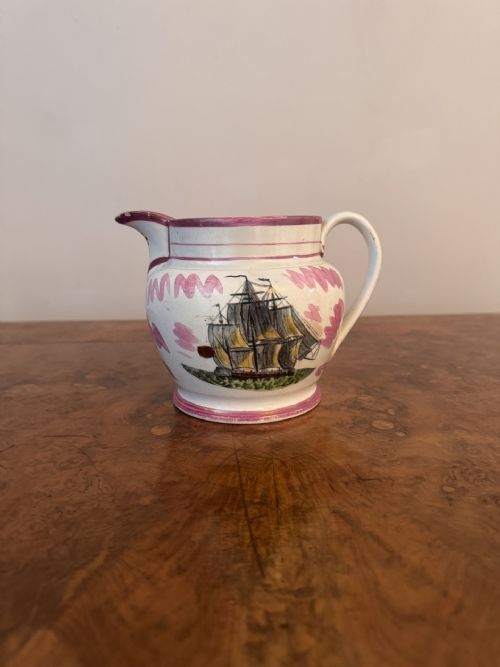
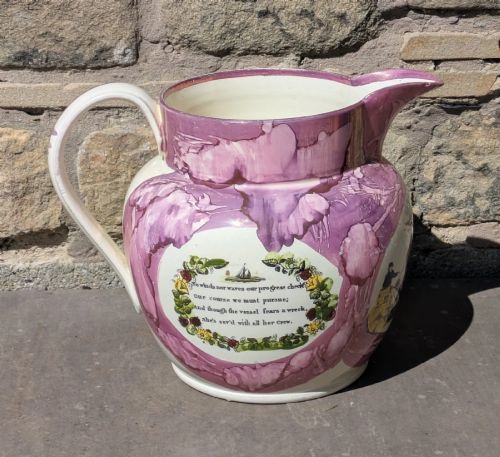
The most common forms on this page are jugs and pitchers from the 19th century, particularly Sunderland pink splash lustre vessels featuring transfer prints of the Iron Bridge over the Wear, tall ships, and poetic inscriptions. Alongside these regional earthenware pieces sit refined bone china and creamware items from various decades.
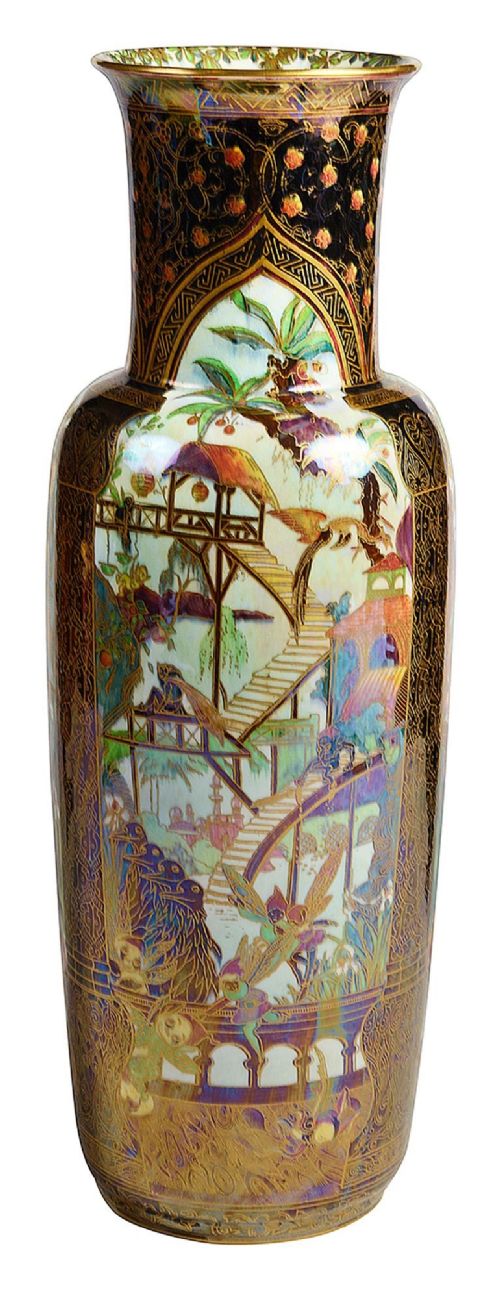
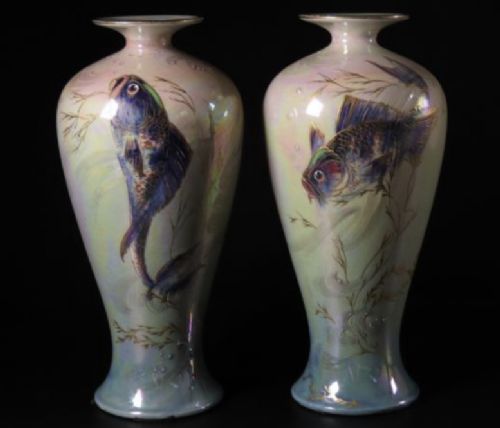
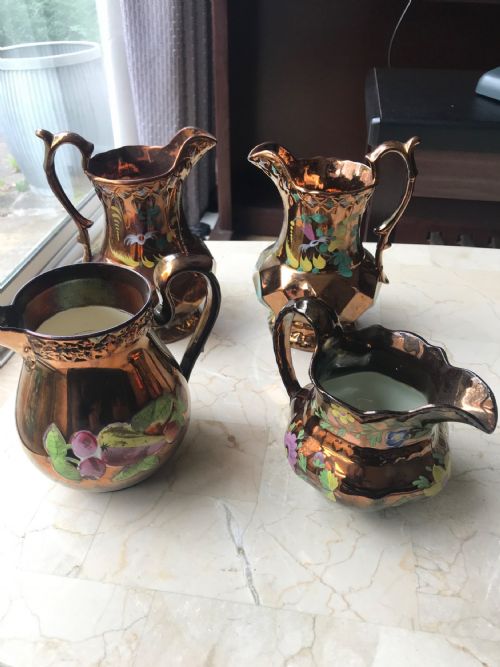
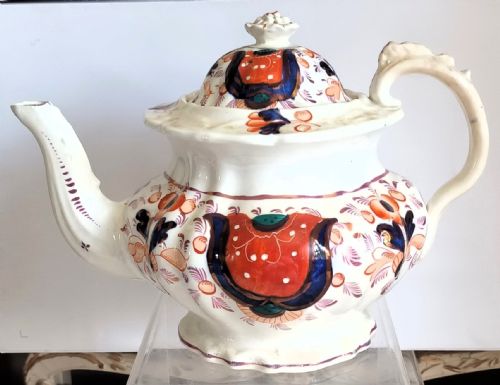
Production shifts over time from early 19th-century pearlware and creamware jugs toward later Victorian copper lustre milk jugs and 20th-century Art Deco vases. Buyers also find specialised ornamental forms such as Fairyland lustre bowls and patterned teapots.
Materials and Techniques
Potters shape these items from earthenware, creamware, pearlware, ironstone china, and bone china before applying decorative glazes. Artisans utilise metallic glazes containing gold leaf, copper, and enamel to create the characteristic reflective surface finish.
Many 19th-century jugs combine a metallic glaze with transfer-printed panels depicting maritime scenes, masonic symbols, or botanical motifs. Later 20th-century pieces incorporate intricate hand-painted enamel designs over specialised lustre grounds on bone china and ceramic bodies.
Listings feature 19th-century earthenware alongside 20th-century bone china and ceramic vessels.
Variations in Quality
Quality rests upon the execution of the metallic glaze and the clarity of the transfer-printed or hand-painted details. Superior pieces display an even, shimmering coat that catches light cleanly without muddy patches or dull fading across the ceramic body.
The artistic ambition behind the piece distinguishes standard domestic ware from masterworks designed by notable figures. Complex multi-plate transfer prints with hand-coloured enamel highlights or intricate fairy and butterfly motifs demonstrate higher technical skill than plain copper lustre jugs.
Wedgwood·Daisy Makeig Jones·Walter Slater·Maling·Livesley Powell And Co·Charlotte Rhead·James Hodgkiss
The English Lustreware Pottery Glossary
- Pink Lustre
- A metallic glaze technique producing a soft pink or purple sheen, often created using gold in the mixture. It appears frequently on Sunderland pottery jugs and bowls alongside transfer-printed motifs.
- Transfer Printing
- A method of applying detailed monochrome or coloured designs to ceramics from an engraved copper plate via paper tissue. This technique allowed makers to reproduce complex maritime scenes and poems consistently.
- Pearlware
- A refined earthenware developed during the Georgian period with a bluish glaze that pooled in recesses to imitate Chinese porcelain. It served as a common body for early lustre-decorated jugs.
- Creamware
- A fine-grained, cream-coloured earthenware perfected in Staffordshire during the 18th century. It provided a smooth, pale background well suited to metallic glazes and variegated decoration.
- Bone China
- A type of porcelain containing animal bone ash that yields a durable, translucent white body. It supports the vibrant enamel colours found on later decorative lustre vases and bowls.
- Copper Lustre
- A metallic glaze finish imparting a warm, coppery bronze reflection onto earthenware jugs and creamers. It gained popularity across the 19th century for domestic tableware.
English Lustreware Pottery: Frequently Asked Questions
How do I identify a Sunderland lustre jug?
Sunderland lustre jugs typically feature pink splash or purple transfer-printed decoration depicting maritime themes, the Iron Bridge, or masonic emblems. They often include poetic panels and rhyming verses printed on the ceramic body.
Most date from the 19th century, ranging from the Georgian period through the Victorian era, and are potted in earthenware with characteristic metallic sheen.
What periods do these ceramics cover?
The pieces span from the Georgian and Regency eras through the Victorian period and into the 20th century. Early examples include pearlware and creamware jugs from around 1800 to 1840.
Later items extend into the Edwardian era and the 1920s Art Deco period, showcasing advanced lustre techniques on bone china and earthenware.
How were lustreware pieces used historically?
Many jugs served as functional vessels for milk, water, or ale in domestic settings and local inns. Maritime examples often commemorated sailors, ships, and significant engineering feats like the Wear bridge.
Other items, such as decorative bowls, teapots, and vases, functioned primarily as ornamental display pieces in homes across Britain.
How do I clean and display lustre pottery?
Dust these ceramics gently with a soft, dry cloth to protect the delicate metallic glaze and enamel details. Avoid soaking them in water or using abrasive cleaning agents that might damage the surface sheen.
Display them away from direct sunlight and moisture to preserve the integrity of the metallic finishes and transfer-printed panels.