



Commemorative Pottery Pitcher
These commemorative pottery pitcher examples capture historical events, royal jubilees and popular heroes across centuries of ceramic art.
Commemorative Pottery Pitcher
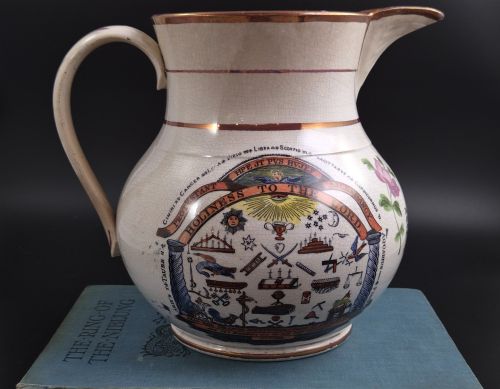
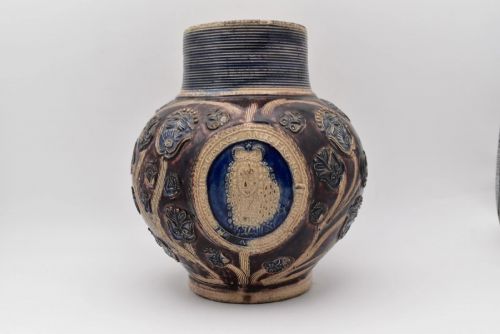
A commemorative pottery pitcher serves as a tangible record of past events, royal jubilees, political movements and notable public figures. When searching for a commemorative pottery pitcher, collectors encounter robust earthenware and salt-glazed stoneware vessels bearing transfers, painted scenes or moulded reliefs. These pieces bridge utilitarian function and historical narration, often created to mark specific dates or patriotic milestones.
The selections span from the seventeenth century through to the early twentieth century, with nineteenth-century examples appearing most frequently. Staffordshire potteries and Sunderland workshops dominate the forms, offering jugs dedicated to military heroes, royal jubilees and fraternal organisations. Each commemorative pottery pitcher reflects the social passions and political loyalties of its particular era.
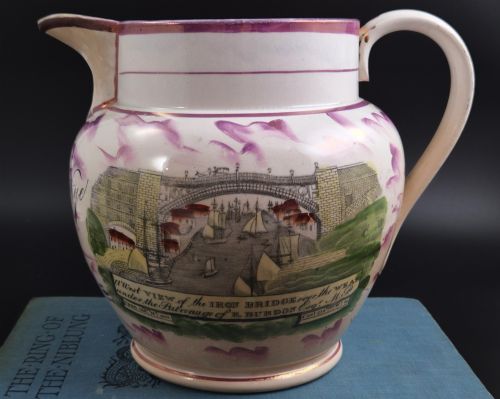
Forms range from large capacious vessels intended for communal gatherings down to smaller character jugs and portrait pieces. Prominent subjects include military leaders such as Wellington and Kitchener, royal figures like William III and Queen Victoria, and local scenes such as the iron bridge over the Wear. Buyers find diversity in scale and decoration, though all share a purpose of public remembrance.
Materials and production methods
Makers utilised earthenware, stoneware and ceramic bodies shaped by hand or cast in moulds to create the foundational form. Earthenware provided a receptive surface for enamels and colourful slips, whilst sturdy stoneware offered durability for larger vessels like salt-glazed German imports. Potters applied metallic lustre glazes, notably pink splash effects, to catch the light and enhance the decorative appeal.
Decoration relied upon hand-painting, transfer printing and applied relief moulding to render portraits, inscriptions and commemorative dates with precision. Enamel colours were fired onto the glaze to secure the rich polychrome palettes seen on nineteenth-century specimens. Salt-glazing techniques imparted a distinctive orange-peel texture to earlier stoneware pieces.
The integration of text, dates and named portraits required careful coordination between the modeller and the decorator before the final kiln firing. Lustre effects depended upon thin metallic applications that produced shimmering pink or copper sheens upon the finished surface.
The documented periods span from the seventeenth century through to the Edwardian era, with Victorian and Georgian pieces prominent.
Judging quality and craftsmanship
The artistic ambition of the piece often dictates its standing, with large-scale marriage jugs or detailed transfer-printed topographical scenes representing higher manufacturing effort. The complexity of the polychrome palette and the evenness of metallic lustre finishes distinguish standard production items from masterworks. Preservation of the original painted highlights and bright lustre surfaces sustains the visual impact over time.
Doulton Lambeth·Mountford Staffordshire
The Commemorative Pottery Pitcher Glossary
- Earthenware
- Porous pottery fired at lower temperatures, requiring a vitreous glaze to achieve water resistance. It forms the body of many nineteenth-century commemorative jugs.
- Lustre glaze
- A metallic film applied over the fired glaze to create an iridescent or reflective surface. Sunderland pieces frequently utilise a distinctive pink splash variant.
- Stoneware
- Dense, non-porous ceramic fired at high temperatures until the clay vitrifies completely. Salt-glazed examples from German traditions represent early instances of this durable material.
- Transfer printing
- A technique where an engraved copper plate transfers a design onto paper and then onto the ceramic body before firing. This allowed complex historical scenes and texts to be reproduced rapidly.
- Character jug
- A vessel moulded in the likeness of a human head or figure, often depicting a famous historical personage or military leader. These range from portrait pieces to caricatures.
Commemorative Pottery Pitcher: Frequently Asked Questions
What events do these jugs typically commemorate?
These vessels celebrate royal accessions, jubilees, military victories, political alliances and prominent historical figures. Potters marked occasions such as Queen Victoria's jubilee or military campaigns involving Wellington to satisfy public patriotism.
Subjects also extend to local landmarks, fraternal orders like the Orange Order, and specific domestic milestones such as marriages. Each design ties the vessel to a precise historical moment or social movement.
How should I display a commemorative pitcher safely?
Position your vessel away from direct sunlight and areas subject to sudden temperature fluctuations, which can stress historical ceramics. Ensure shelves are stable and deep enough to support the heavier stoneware and large earthenware pieces securely.
Avoid placing jugs in high-traffic hallways where accidental knocks might occur. Gentle dusting with a dry, soft cloth keeps the glaze and lustre surfaces clean without risking abrasion.
How do I distinguish nineteenth-century jugs from earlier pieces?
Examine the ceramic body, glaze type and decorative technique to determine the period. Earlier pieces from the seventeenth and early eighteenth centuries typically utilise salt-glazed stoneware with Germanic influences and moulded royal portraits.
Nineteenth-century examples frequently feature earthenware bodies decorated with pink lustre glazes, polychrome enamels and detailed transfer-printed inscriptions. The style of the lettering and costume details on portraits also offer clear chronological clues.
Were these jugs used for serving drinks?
Many larger jugs functioned as utilitarian vessels for serving ale or cider during communal gatherings and celebrations. Their substantial capacities, such as the large gallon and a half sizes, suited them for festive hospitality.
Over time, many transitioned into purely display items intended to honour a personage or event on a mantelpiece. The presence of delicate lustre or detailed commemorative text suggests some were valued primarily as decorative mementos.