
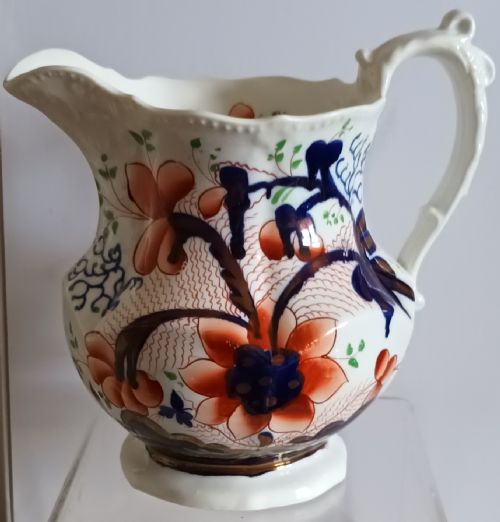


Victorian Gaudy Welsh Jug
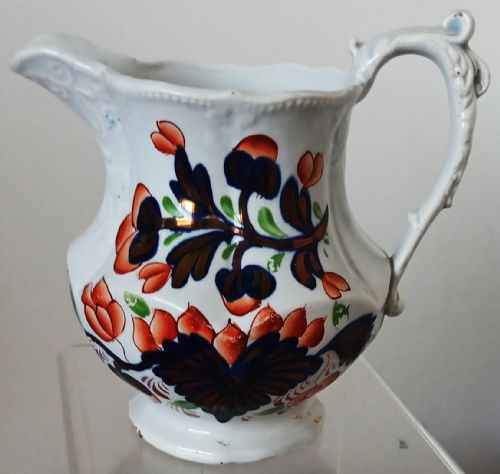
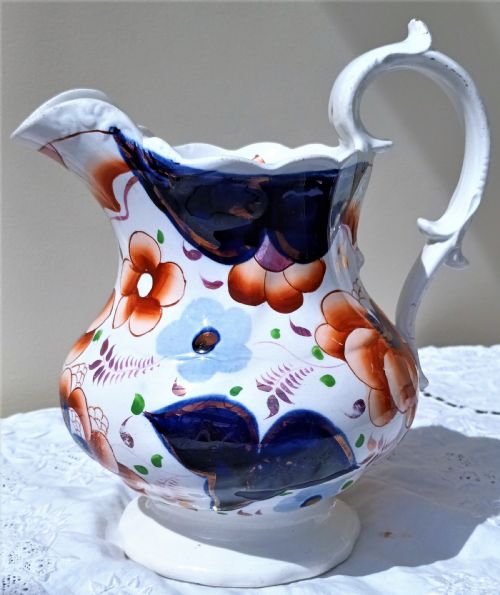
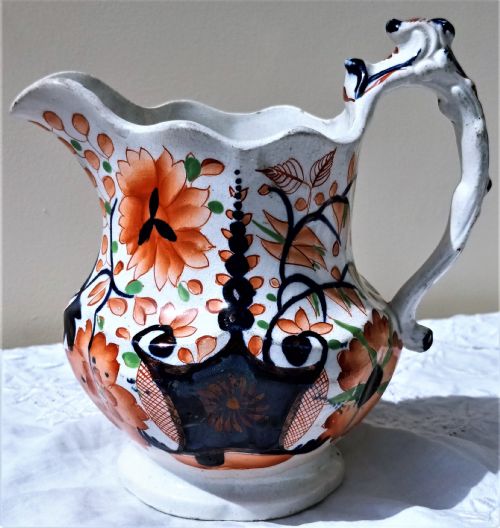
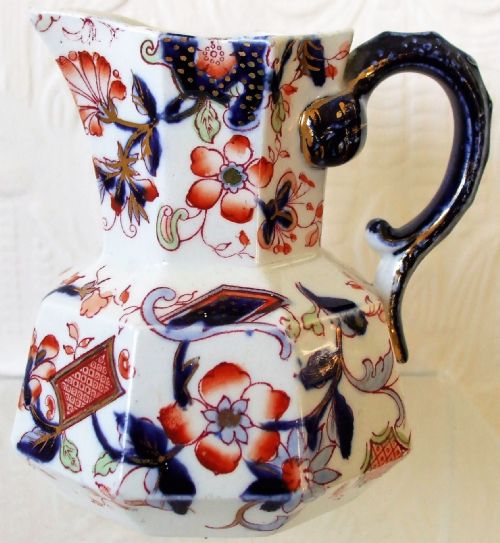
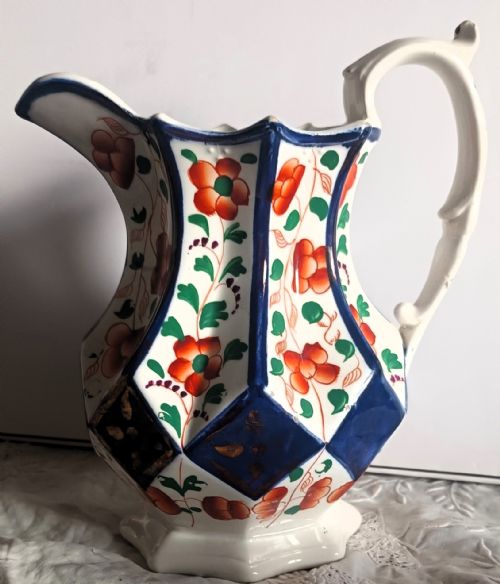
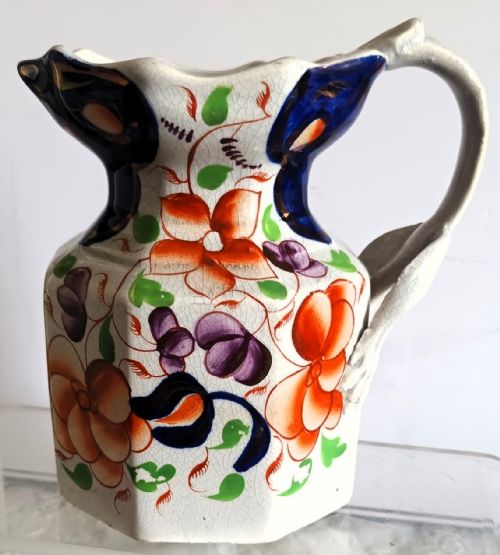
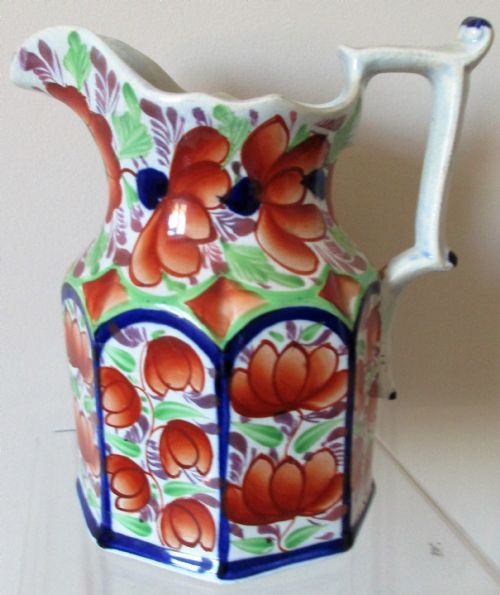
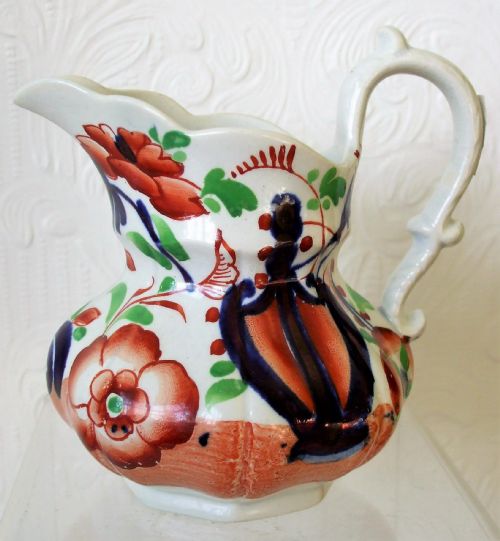
These Victorian gaudy welsh jug pieces are robust earthenware vessels decorated with bold enamels and copper lustre.

Victorian Gaudy Welsh Jug
A victorian gaudy welsh jug is a nineteenth century ceramic vessel that brings together traditional pottery forms and vibrant surface decoration. When you search for this phrase, you encounter utilitarian pitchers designed for domestic use during the nineteenth century.
The most common versions on this page belong to the victorian period and display named patterns such as pagoda, harlech, and gwent. These jugs and pitchers demonstrate the distinct folk art sensibility of the era through their colourful geometric and floral motifs.
How They Were Made
Potters shaped these vessels from earthenware and porcelain before applying a smooth glaze to the ceramic body. This base provided a stable surface for the subsequent application of decorative elements.
Artisans applied vibrant enamel colours alongside copper lustre and gilding to create the characteristic visual punch of the style. The finished pieces then underwent firing to fuse the metallic lustres and bright pigments to the glazed ceramic.
What Varies in Quality
The sophistication of the painted patterns sets different examples apart. Stronger pieces display precise brushwork within named designs like grape or drapery, whereas simpler items show looser execution.
The application of copper lustre and gilding also dictates the visual hierarchy of these jugs. Rich, consistent metallic sheens elevate certain pieces above those with duller or patchy surface treatments.
Keeling & Co.·Bayley & Ball
The Victorian Gaudy Welsh Jug Glossary
- Copper Lustre
- A metallic glaze finish that imparts a coppery sheen to ceramics. It is a defining characteristic of many nineteenth century decorative jugs.
- Earthenware
- A porous type of pottery fired at lower temperatures. It forms the heavy ceramic body of most domestic pitchers from this era.
- Enamel
- Opaque glass applied to pottery as decoration. These bright pigments create the vivid colours seen on folk art wares.
- Gilding
- The application of gold leaf or gold paint to a surface. It highlights specific design elements on the ceramic body.
- Glaze
- A glassy coating fused to ceramics by heat. It seals the porous clay and provides a smooth ground for painted decoration.
Victorian Gaudy Welsh Jug: Frequently Asked Questions
What is a gaudy welsh jug?
A victorian gaudy welsh jug is a nineteenth century ceramic pitcher decorated with bright enamels and copper lustre. These items were produced for domestic use and feature distinct regional pattern names.
Such vessels reflect nineteenth century folk art traditions through their robust shapes and colourful, hand-applied geometric or floral motifs.
How were these jugs used?
These pitchers served practical domestic functions for holding and pouring liquids in nineteenth century households. Their durable earthenware construction made them suitable for everyday utility.
Over time, their vibrant appearance transitioned them from working kitchen items into decorative display pieces.
What patterns are common?
Common pattern names include pagoda, harlech, gwent, and grape. Each title corresponds to a specific arrangement of enamel colours and lustre highlights.
These named designs help categorise the aesthetic output of the nineteenth century potteries producing these wares.
How do I live with them?
Display these jugs on open shelving or sideboards where their bright copper lustre and enamels catch the light. Their bold patterns work well as standalone decorative accents.
Keep them away from heavy knocks to protect the glazed ceramic body and delicate surface decoration.