

Cobalt Blue Pottery Jug
A cobalt blue pottery jug brings rich indigo depth to a room, channelling centuries of ceramic artistry through robust utilitarian forms.

Cobalt Blue Pottery Jug
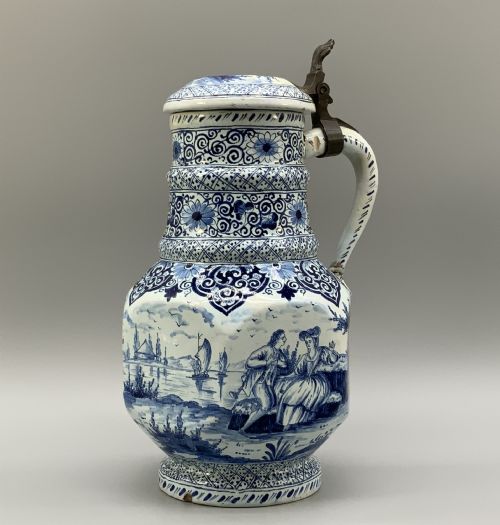
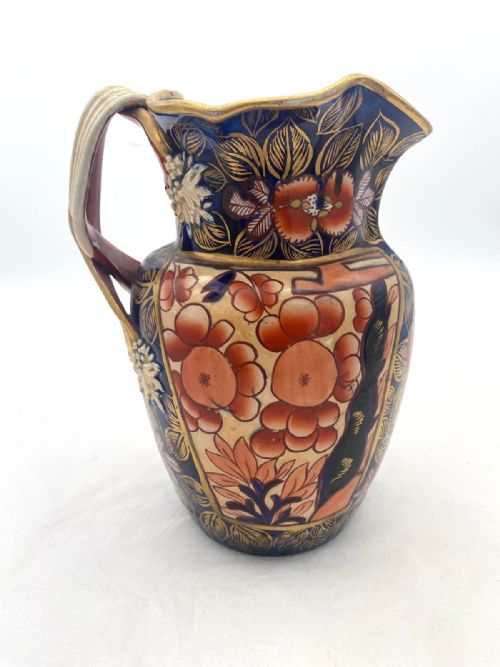
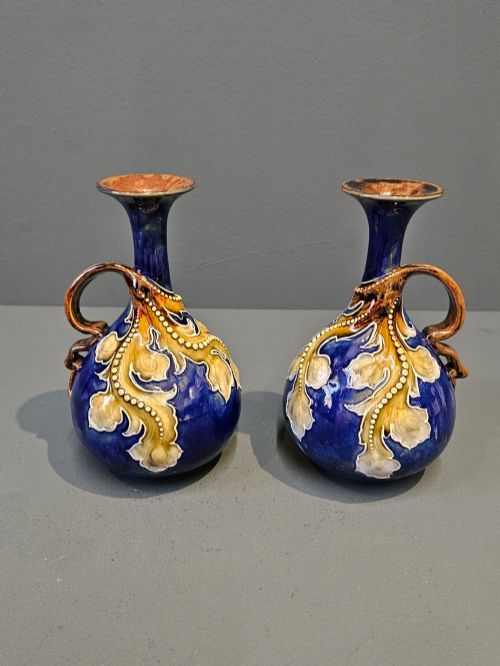
A cobalt blue pottery jug encompasses utilitarian vessels and decorative pitchers shaped from earthenware, ironstone, and stoneware across the seventeenth, eighteenth, and nineteenth centuries. These pieces originate from English potteries, Dutch delftware kilns, and German salt-glaze centres, presenting forms ranging from hefty tavern vessels to delicate Victorian parlour pitchers.
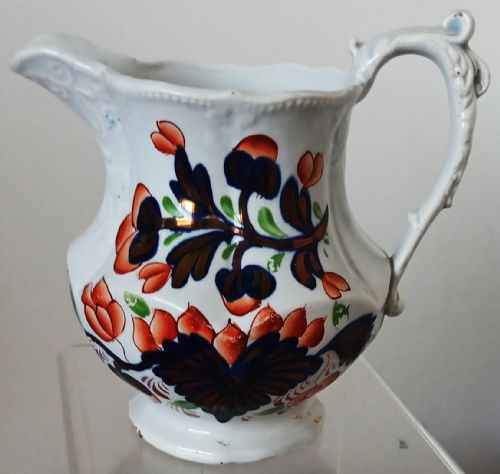
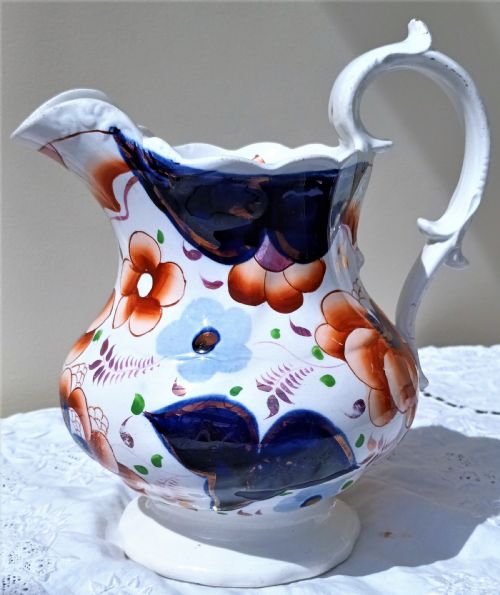
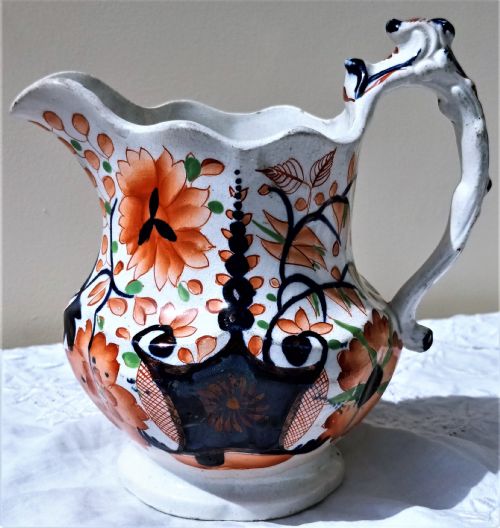
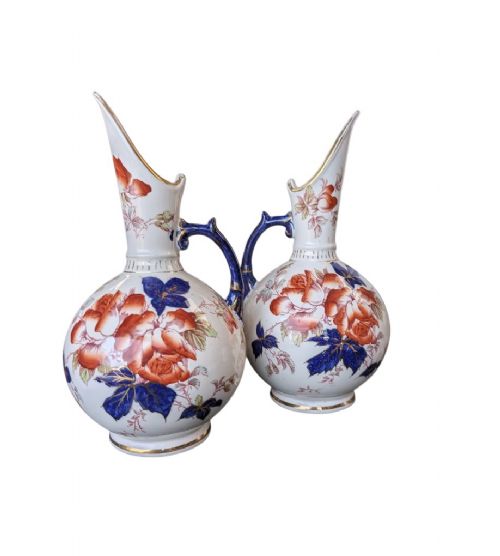
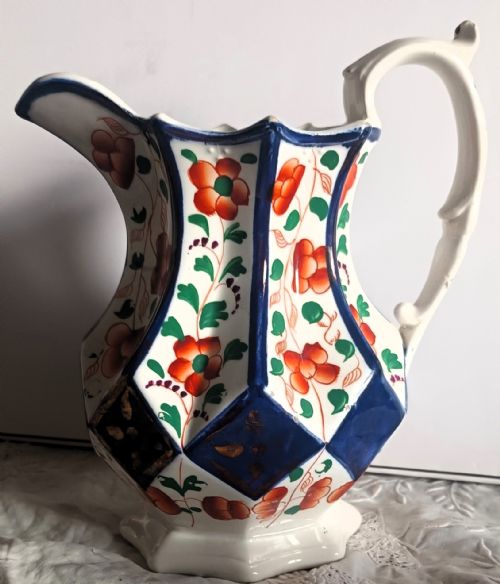
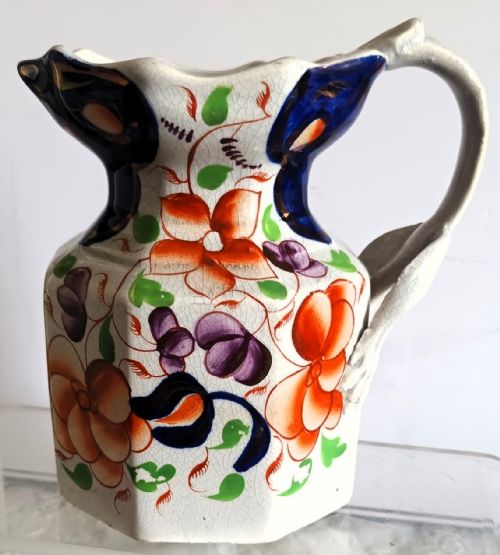
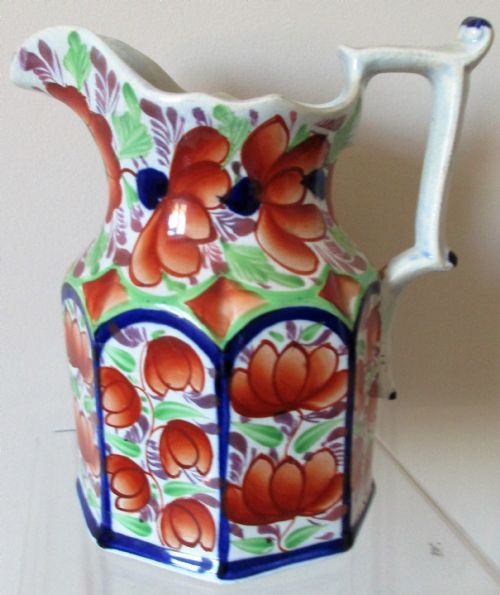
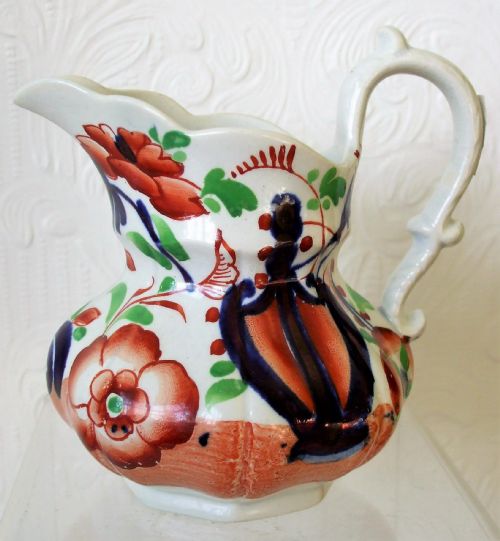
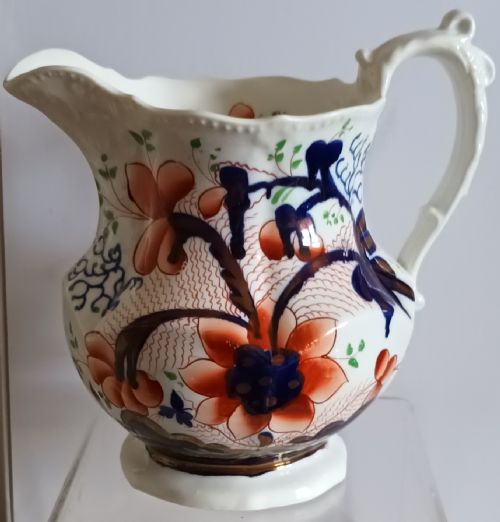
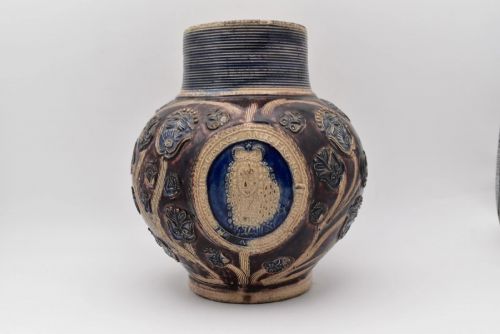
The selections available here lean heavily toward Victorian Gaudy Welsh earthenware patterns and salt-glazed stoneware bodies, alongside Dutch delftware and early English cream jugs. Buyers encounter everything from large wash basin sets and salesman's sample plaques to lidded German jugs bearing royal ciphers.
Whether designed for daily service at the table or display on a dresser, each cobalt blue pottery jug relies on cobalt oxide pigments to achieve its characteristic deep blue coloration under high heat.
How they were made
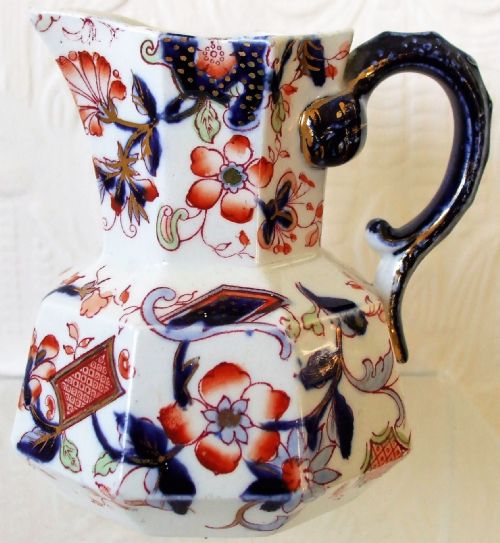
Potters built these vessels using earthenware, ironstone, or dense stoneware clays, often shaping them on the wheel or pressing them into moulds. Cobalt oxide pigment was then applied directly to the raw clay or tin enamel, withstanding the intense heat required to fuse the glaze.
Salt glazing was common in German stoneware production, where salt thrown into the kiln vapoured and reacted with the silica in the clay to form an orange-peel texture. Tin glazes provided an opaque white background for blue hand-painted or transfer-printed decoration on delftware pieces.
Salesman's sample jugs let travelling reps demonstrate factory patterns using miniature vessels that easily fit inside a pocket.
What varies in quality
Quality rests in the crispness of the cobalt painting or transfer print and the stability of the glaze against the underlying ceramic body. Superior examples maintain rich, deep indigo tones without blurring or running into the surrounding glaze.
The refinement of the potting itself distinguishes standard utility wares from exhibition pieces, showing in the balance of the handle, the sharpness of moulded details, and the evenness of the kiln fire.
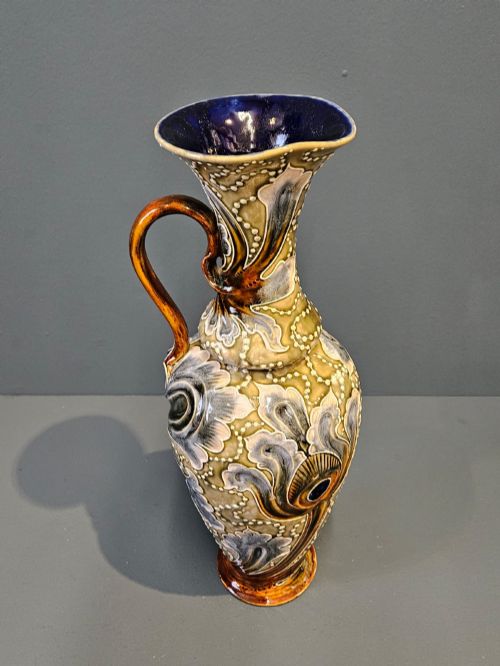
Doulton Lambeth·Keeling and Co·Doulton Burslem
The Cobalt Blue Pottery Jug Glossary
- Cobalt oxide
- A metallic mineral used as a pigment that produces an intense, heat-stable blue colour on ceramics. It remains the defining agent for the deep blue hues seen on these pieces.
- Salt glaze
- A vitreous coating formed by throwing common salt into a hot kiln during firing. This creates a pitted, glossy surface resembling orange peel on stoneware jugs.
- Tin glaze
- An opaque white glaze made by adding tin oxide to lead glaze, providing a smooth surface for hand-painted blue designs on delftware. It allows for sharp brushwork before the final second firing.
- Ironstone
- A heavy, durable type of earthenware patented in the nineteenth century to imitate Chinese porcelain. It provides a robust body capable of withstanding heavy domestic use.
- Transfer printing
- A mechanical method of applying complex designs to pottery by transferring engraved prints from paper to the ceramic surface. This technique revolutionised pattern production in the nineteenth century.
Cobalt Blue Pottery Jug: Frequently Asked Questions
How do I date an antique cobalt blue jug?
Dating relies on identifying the underlying ceramic body, the glazing technique, and any stamped maker marks or pattern names recorded on the base. Stoneware vessels with royal ciphers often point to specific seventeenth or eighteenth-century reigns.
Lighter earthenware and ironstone pieces from the nineteenth century typically display Victorian registration marks or named patterns. Comparing the potting style to documented factory outputs helps narrow down the decade of manufacture.
Were these jugs used for serving drinks?
Many of these pieces served practical domestic functions at the table, holding water, milk, or beer for daily meals. Larger examples functioned as pitchers for communal gatherings or formed parts of wash basin sets.
Sturdier stoneware and ironstone bodies were built for heavy kitchen use, while delicate porcelain or delftware examples often leaned toward decorative display. The presence of lids or pewter mounts usually indicates service for liquids that required containment.
How should I clean my pottery jug?
Cleaning antique ceramics requires gentle hand washing in warm water using mild soap and a soft cloth. Harsh detergents and modern dishwashers can damage historic glazes and fade delicate cobalt pigments.
Patinated surfaces and aged interiors should be treated with care to preserve the original character of the piece. Towel drying immediately after washing prevents moisture from settling into any microscopic crazing lines.
What is the difference between stoneware and earthenware jugs?
Stoneware is fired at higher temperatures until the clay body vitrifies, making it completely non-porous and naturally waterproof without a glaze. Earthenware is fired at lower temperatures, resulting in a more porous material that requires a vitreous glaze to hold liquids.
Stoneware jugs feel heavier and denser in the hand, often featuring salt glazes. Earthenware pieces, such as ironstone or delftware, provide a different weight and acoustic resonance when tapped.