

Antique Earthenware Pitcher
An antique earthenware pitcher brings tactile weight and narrative colour to a room, carrying centuries of domestic craft in glazed ceramic and transfer print.

Antique Earthenware Pitcher
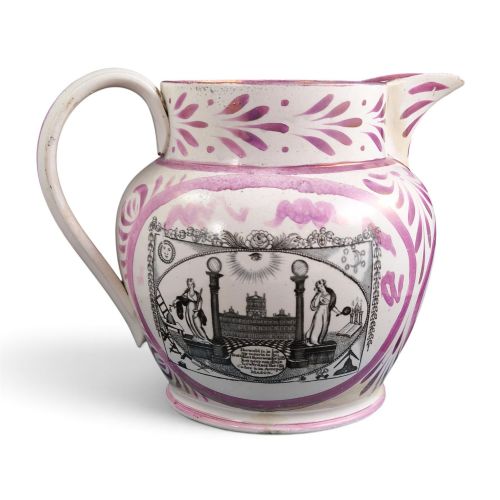
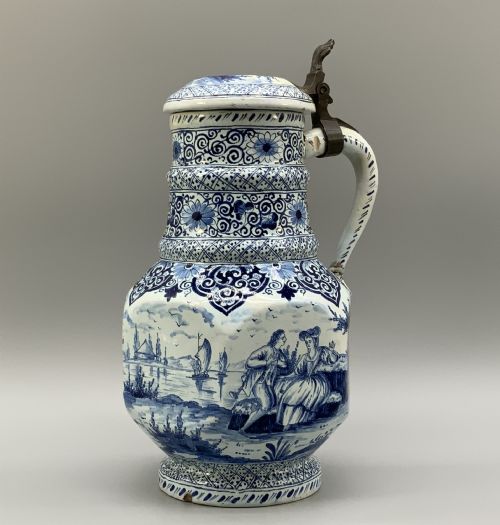
When searching for an antique earthenware pitcher, a buyer encounters practical pouring vessels and commemorative pieces originating from Staffordshire potteries, Dutch kilns, and Sunderland workshops during the eighteenth and nineteenth centuries.
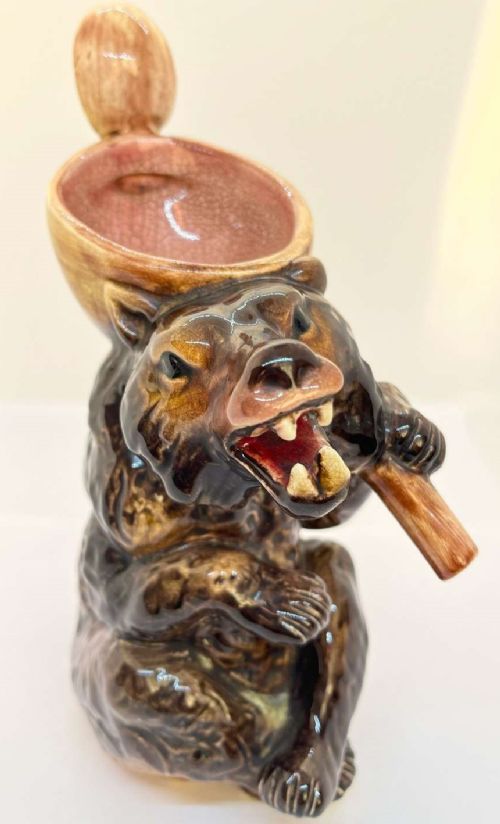
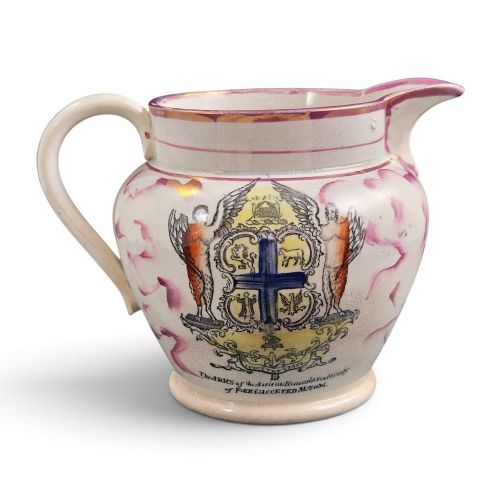
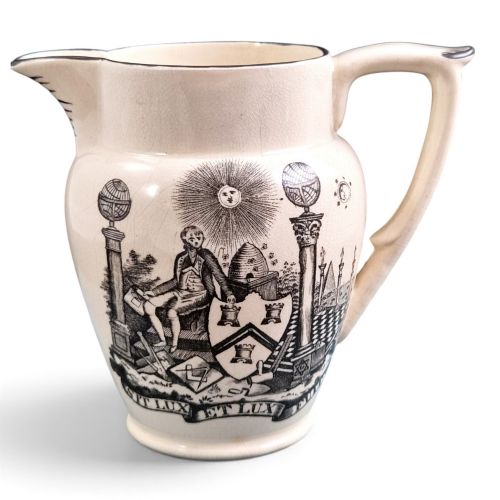
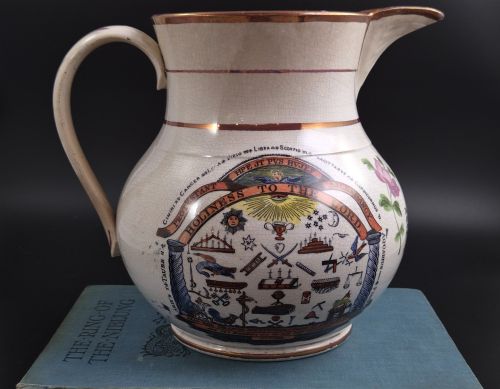
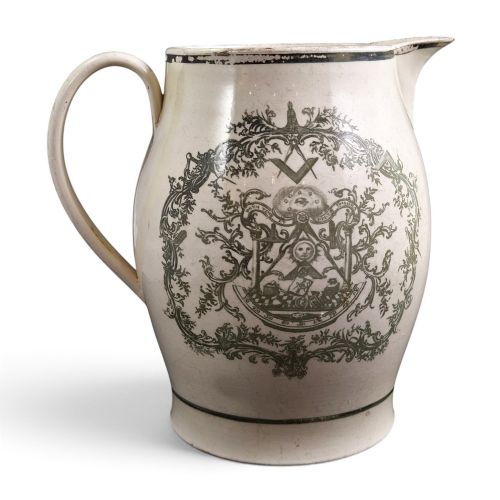
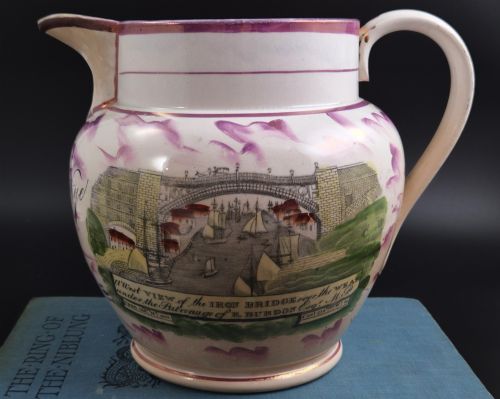
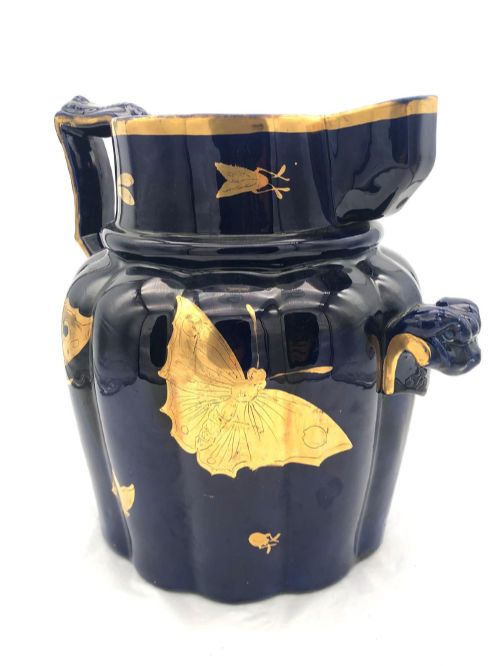
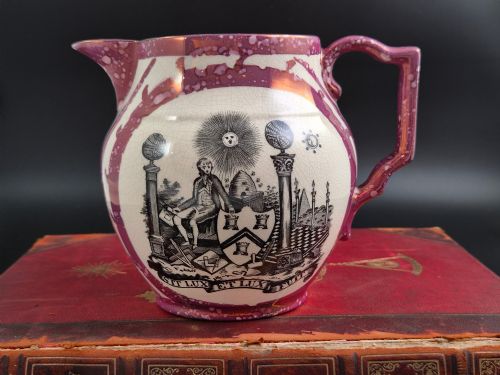
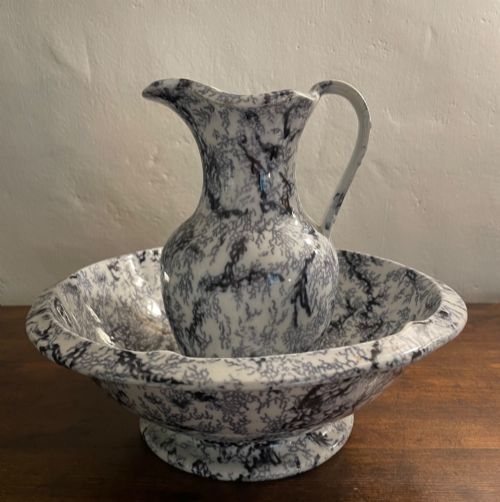
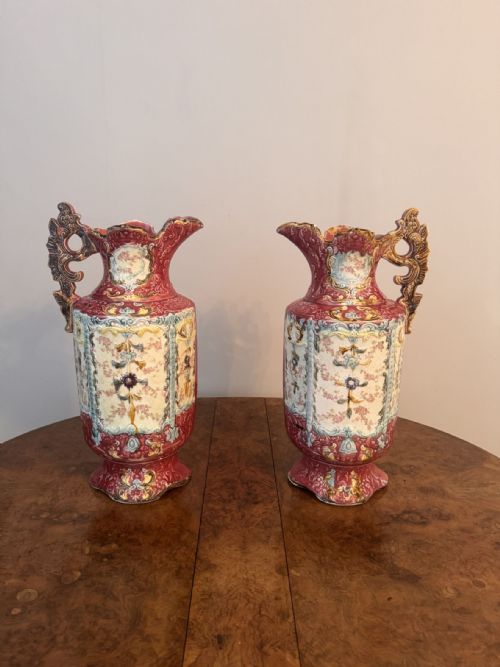
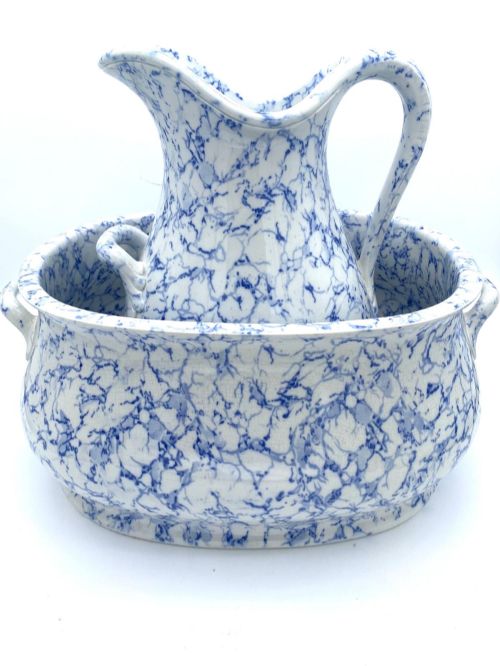
The domestic forms on this page range from modest cream jugs and wash sets to substantial Masonic and maritime transfer-printed vessels, alongside figural Toby jugs and majolica ewers.
Georgian creamware and Victorian lustre examples dominate the selection, spanning periods from the late 1700s through the Edwardian era with occasional continental delftware and majolica.
Materials and Technique
Potters shaped porous earthenware and refined creamware on the wheel or pressed clay into moulds, applying metallic glazes, enamel, and slip before kiln firing.
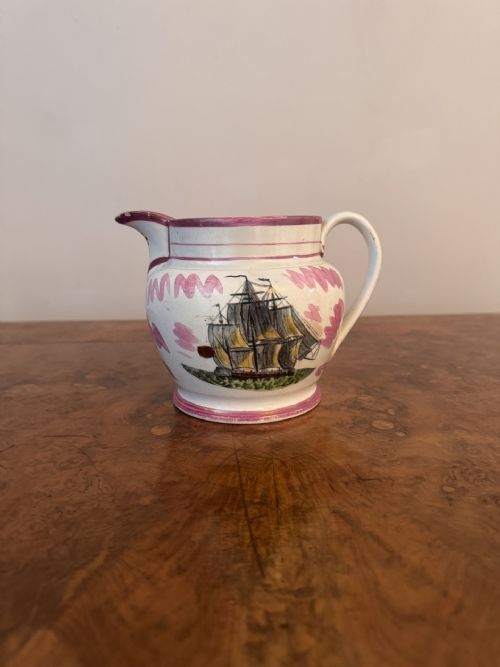
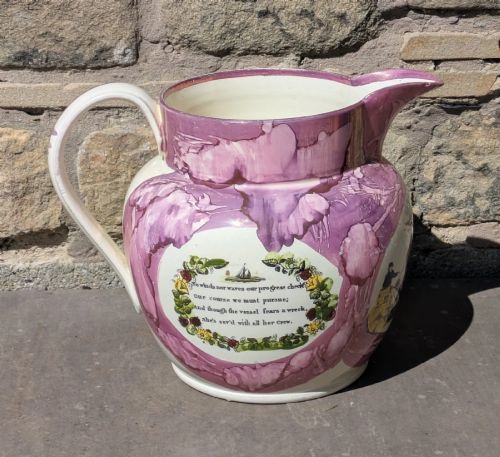
Makers decorated surfaces using black, pink, or magenta transfer printing to render ships, maps, and masonic emblems, sometimes finishing pieces with applied pewter lids.
Antique Earthenware Pitcher Retail Price Guide 2026
Typical asking prices for earthenware pitcher among the pieces listed under this phrase on Sellingantiques today, from the lower quarter to the upper quarter. They describe what is for sale here now, not the wider market.
A pottery cow complete with a lid on its back serves cream for tea.
The Measure of Craft
Earlier Georgian creamware demonstrates finer wall thrown sections, whereas Victorian majolica and slipware rely on rich colour saturation and bold glaze pooling to define their character.
Minton·Cantagalli Florence·Keeling And Co·Holdcroft
The Antique Earthenware Pitcher Glossary
- Creamware
- A refined light-coloured earthenware developed in eighteenth-century Staffordshire. It offers a smooth surface suitable for fine transfer printing.
- Lustreware
- Earthenware coated with a metallic glaze that creates an iridescent sheen. Sunderland pieces frequently display pink splash variations.
- Slipware
- Pottery decorated with liquid clay applied before firing. This technique creates contrasting surface patterns and textures.
- Transfer printing
- A method of applying engraved designs to ceramics using paper or tissue. It allowed complex pictorial scenes to be replicated consistently on jugs.
- Majolica
- Low-fired earthenware covered with an opaque tin glaze and painted with bright metallic oxides. Victorian versions often feature naturalistic plant or animal motifs.
Antique Earthenware Pitcher: Frequently Asked Questions
What are antique earthenware pitchers made from?
These vessels are constructed from porous ceramic clay bodies that are coated with various glazes, including metallic lustres and enamels. Many incorporate fitted pewter lids or metal mounts.
Potters shaped them using traditional throwing and moulding techniques before firing them in kilns.
How do I identify a Georgian pitcher?
Georgian pieces typically feature lightweight creamware bodies with understated forms and early transfer-printed motifs in black or magenta. They date from the late eighteenth century up to the reign of George IV.
Later Victorian examples tend to display heavier proportions, brighter polychrome enamels, and distinctive pink splash lustre.
Were these pitchers used daily?
Many jugs served practical household roles for pouring liquids, cream, or water during wash sets. Others were commemorative objects made to mark fraternal societies, naval vessels, or political events.
Display pieces like Toby jugs and figural majolica ewers often sat on mantelpieces rather than seeing heavy kitchen use.
How should I clean my earthenware pitcher?
Dust the exterior gently with a dry microfibre cloth to protect the historic glaze and delicate transfer prints. Avoid soaking porous earthenware in water, especially if hairline cracks are present.
Harsh chemical detergents can strip metallic lustre and enamel pigments from the ceramic surface.