



19th Century Welsh Jug
These 19th century welsh jug pieces bring vibrant folk art character to a dresser, offering collectors bold patterns and rich copper lustre.
19th Century Welsh Jug
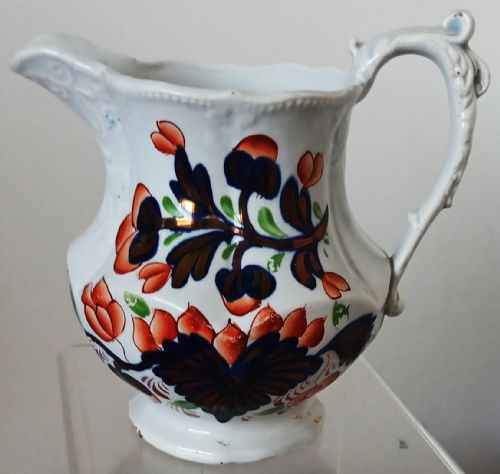
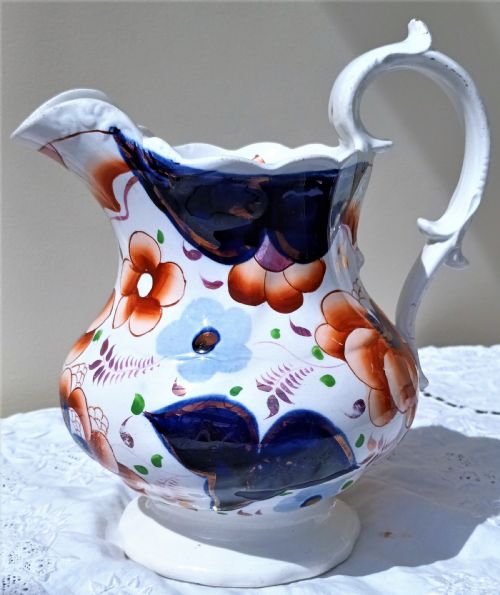
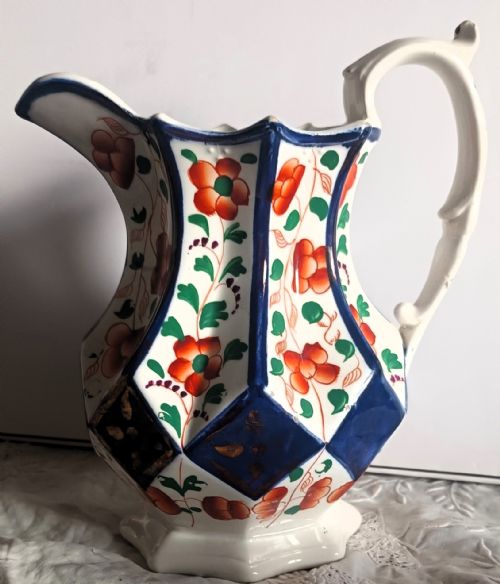
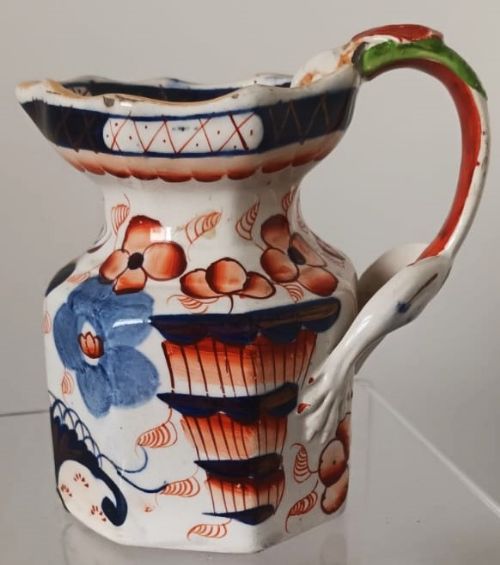
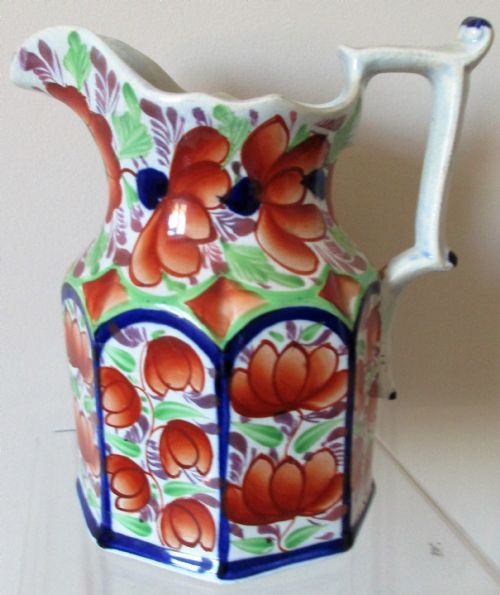
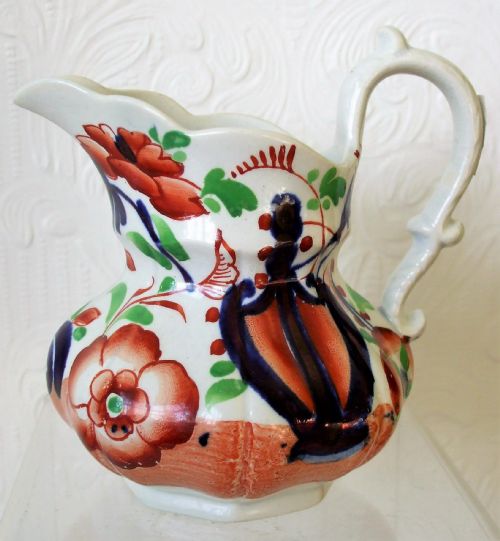
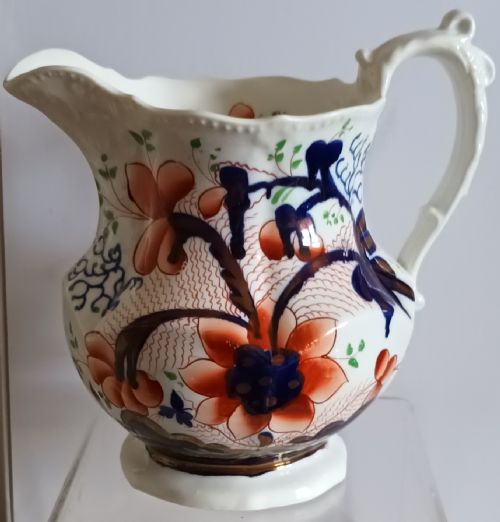
When you search for a 19th century welsh jug, you encounter robust earthenware and ironstone vessels decorated in distinctive Gaudy Welsh patterns. The pieces available here span Georgian and Victorian periods, showcasing traditional forms like standard jugs and pouch jugs.
Most examples you meet on this page carry named patterns such as Bethesda, Grape, Drape, Harlech, Gwent, Pagoda, Aberaeron, and Conwy. These domestic ceramics combine utilitarian shapes with striking painted decoration intended for everyday use in nineteenth-century homes.
Makers occasionally recorded specific regional output, seen in Buckley lidded milk jugs and Fenton productions. These items form a cohesive group of nineteenth-century ceramic history rooted firmly in Welsh and British domestic traditions.
How these ceramics were constructed and decorated
Potters shaped these vessels from earthenware and ironstone, building durable bodies suited to daily dairy and kitchen service. Once formed, the clay bodies received smooth ceramic glazes to seal the porous material for practical liquid containment.
Decoration relied on vibrant enamel glaze applications and gleaming copper lustre highlights. Artisans painted geometric and floral motifs by hand, creating the characteristic colourful palette associated with Gaudy Welsh wares.
Some pouch jugs boast bellies so round they look like they overindulged at the local tavern.
What distinguishes finer examples
The sophistication of the hand-painted enamel and the preservation of the copper lustre define the visual merit of each piece. Crispness in the application of named patterns like Pagoda or Harlech distinguishes superior specimens from simpler production.
Structural integrity of the earthenware body and the clarity of the underlying ironstone or ceramic base also separate standard utility items from more collectible cabinet pieces.
The 19th Century Welsh Jug Glossary
- Gaudy Welsh
- A type of colourful pottery featuring cobalt blue, iron red, and copper lustre decoration. It gained popularity in nineteenth-century Welsh households for its bright aesthetic.
- Copper Lustre
- A metallic glaze finish that creates a reflective, coppery sheen on ceramics. Potters applied this technique to borders and highlights to catch the light.
- Ironstone
- A heavy, durable ceramic perfected in the nineteenth century as a robust alternative to porcelain. It resists chipping while providing a clean white ground for enamel painting.
- Pouch Jug
- A specific rounded jug form with a swollen belly. This shape allowed for generous liquid capacity in domestic settings.
19th Century Welsh Jug: Frequently Asked Questions
What are Gaudy Welsh jugs?
These are nineteenth-century ceramic vessels decorated with vibrant hand-painted enamels and copper lustre highlights. They were made for domestic use in Welsh homes and feature distinctive named patterns.
The pieces range from standard jugs to pouch jugs, reflecting the everyday functional needs of the period alongside a bold decorative style.
How were these jugs used?
Families utilised these vessels primarily for serving milk, cream, or water at the table. Their robust ironstone and earthenware construction made them practical for daily kitchen tasks.
Over time, many transitioned from working kitchenware to decorative display items on Welsh dressers and shelves.
How do I date a 19th century welsh jug?
Dating relies on identifying the ceramic body, glaze characteristics, and specific pattern names associated with Georgian and Victorian production. Ironstone and earthenware bodies provide baseline clues for nineteenth-century manufacture.
Stylistic markers such as copper lustre application and specific motifs like Pagoda or Harlech help narrow down the manufacturing era.
What patterns are common on these jugs?
Common patterns recorded on these pieces include Bethesda, Grape, Drape, Harlech, Gwent, Pagoda, Aberaeron, and Conwy. Each design brings distinct floral or architectural motifs to the ceramic surface.
These named patterns allow collectors to identify specific decorative traditions within nineteenth-century Welsh pottery.