


Georgian Ceramic Milk Jug
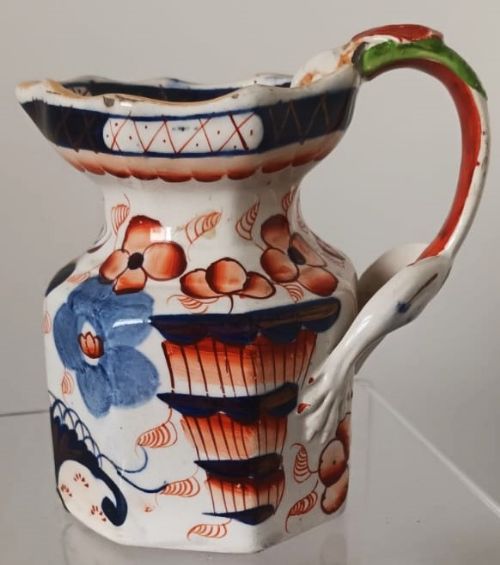
A georgian ceramic milk jug brings eighteenth and early nineteenth century tea tables to life through hand painted porcelain, pearlware and creamware.
Georgian Ceramic Milk Jug
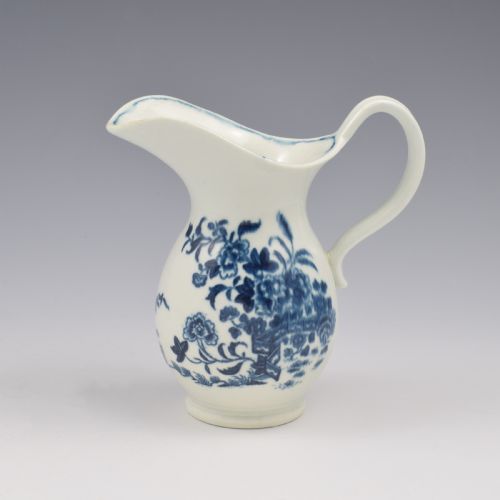
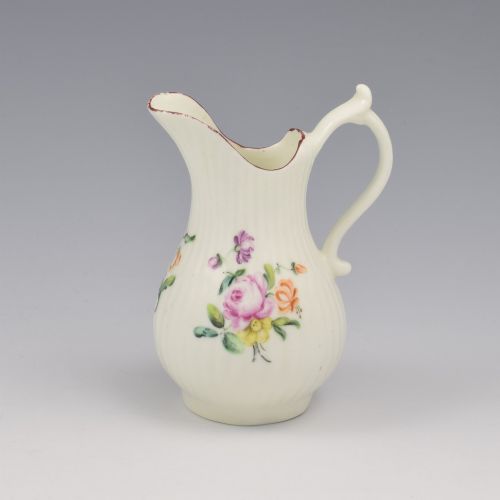
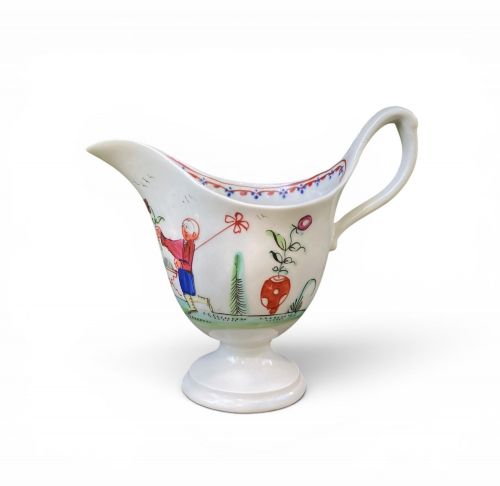
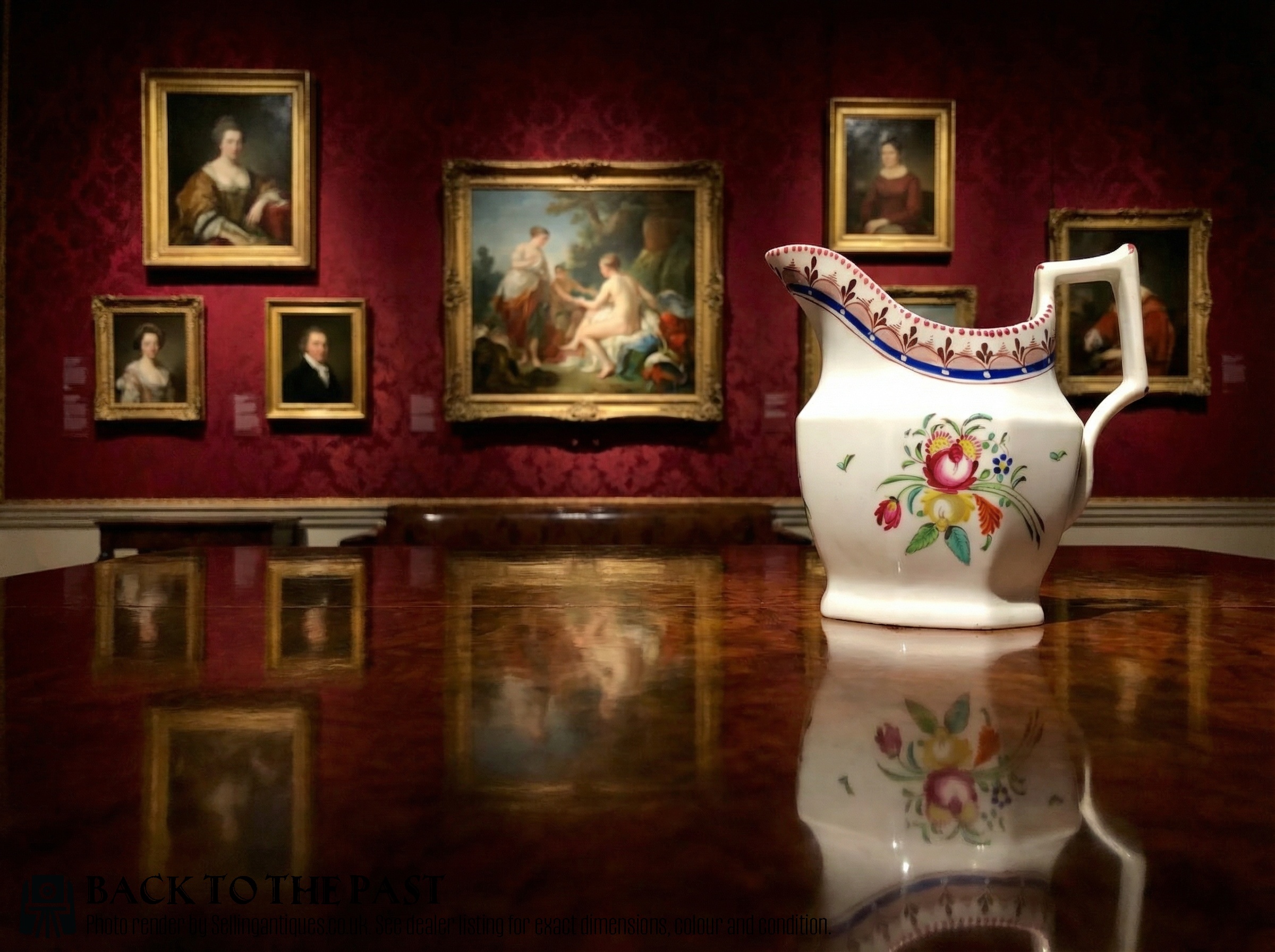
A georgian ceramic milk jug sits at the heart of antique tableware collections, spanning the eighteenth and early nineteenth centuries. These vessels served functional roles in domestic tea service, taking forms from simple creamers to elaborate ewers and figural cow creamers.
The pieces appearing on this page originate from notable factories and regional potteries active during the Georgian, Regency and early Victorian periods. Examples range from soft paste porcelain made at Worcester and Derby to earthenware and pearlware produced in Staffordshire, Leeds and Wales.
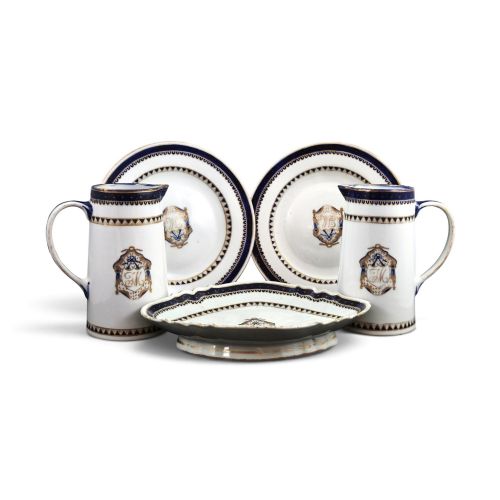
Buyers encounter both refined armorial porcelain decorated with hand painted scenes and robust folk art pottery featuring transfer printing and lustre highlights. Each jug reflects the domestic tastes and ceramic advancements of its specific decade of production.
What Varies in Quality
Quality rests upon the crispness of the moulded form, the refinement of the ceramic body and the skill evident in the hand painted or transfer printed decoration. Finer porcelain bodies display thin, translucent walls and perfectly balanced handles, whereas heavier earthenware jugs prioritize robust utilitarian construction.
The sophistication of the painted palette and the precision of armorial crests or landscape views separate standard production items from exceptional factory works. Preservation of original gilding and the clarity of cobalt blue or polychrome enamels further define the upper tier of surviving examples.
Listings feature 18th century, Georgian, 19th century, Regency, Victorian and 1800 periods across porcelain, pearlware, earthenware, glaze and gold leaf.
Dr Wall Worcester·New Hall Porcelain·H and R Daniel·Chamberlain Worcester·John Rose Coalport·Crown Derby
The Georgian Ceramic Milk Jug Glossary
- Creamware
- A fine earthenware developed in Yorkshire and Staffordshire during the eighteenth century featuring a warm cream coloured lead glaze. Josiah Wedgwood perfected this pale body, which Leeds Pottery and other factories utilised for domestic jugs.
- Pearlware
- An refined earthenware introduced in the late eighteenth century with a bluish tinted glaze designed to mimic the appearance of Chinese export porcelain. Staffordshire potteries adopted this material extensively for transfer printed jugs and figures.
- Soft-Paste Porcelain
- An artificial porcelain composition fired at lower temperatures than hard paste porcelain during the eighteenth century. Early English factories including Worcester, Derby and Liverpool utilised this body for translucent cream jugs.
- Lustre
- A metallic glaze application producing an iridescent copper, silver or purple sheen on pottery surfaces. Staffordshire makers applied this technique during the early nineteenth century to create decorative borders and highlights on jugs.
- Transfer Printing
- A method of decorating ceramics by applying an engraved copper plate design onto tissue paper and transferring the ink onto the biscuit or glazed pot before firing. This process allowed factories to produce intricate repeating scenes efficiently.
Georgian Ceramic Milk Jug: Frequently Asked Questions
How do I date a Georgian milk jug?
Dating relies upon stylistic markers, ceramic bodies and factory patterns recorded in ceramic history. Soft paste porcelain bodies and neoclassical shapes usually indicate late eighteenth century manufacture, while pearlware bodies with purple transfer decoration typically point toward the early nineteenth century.
Examining base marks, handle shapes and decorative motifs helps narrow the production window further. Comparing specific pattern numbers against known factory output provides additional chronological certainty.
How were figural cow creamers used?
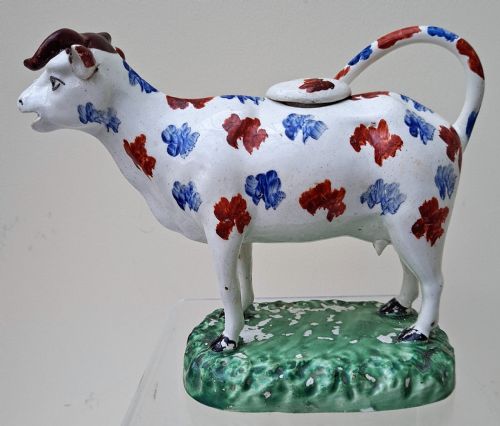
Cow creamers served as novel table accessories for dispensing milk or cream during tea service in Georgian households. Guests or hosts poured cream through an opening on the cow's back, often fitted with a removable lid, and tilted the animal to pour via the mouth.
Potteries in Staffordshire, Wales and Yorkshire produced these humorous earthenware and pearlware figures with painted or transfer printed hide markings. They remain prized examples of Georgian folk art pottery today.
Can I use an antique jug for serving milk?
While these jugs were originally made for domestic dining, fragile antique bodies and historic glazes require careful handling. Many collectors prefer to display them as decorative art rather than risking damage during modern food service.
Micro-fissures in historic soft paste porcelain or earthenware can absorb liquids over time. Gentle hand washing is essential if occasional functional use is desired.