


Georgian Porcelain Pitcher
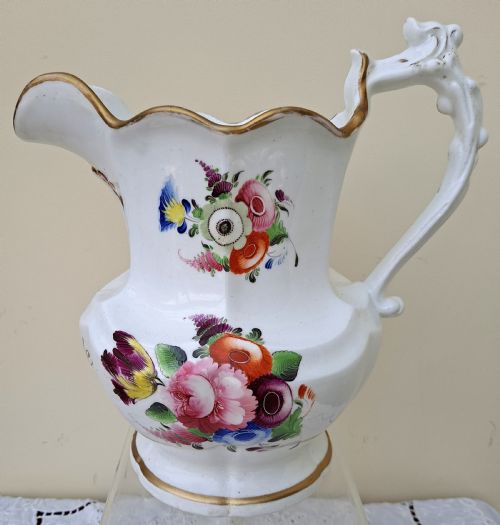
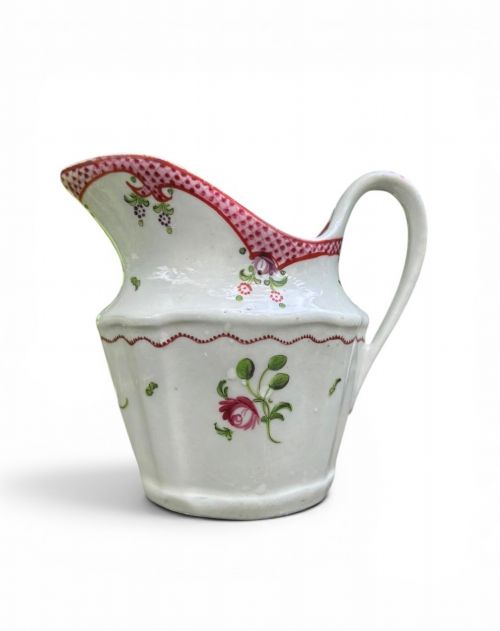
A georgian porcelain pitcher brings genuine eighteenth and nineteenth-century ceramic artistry to the table, offering classic forms designed for everyday service and display.
Georgian Porcelain Pitcher
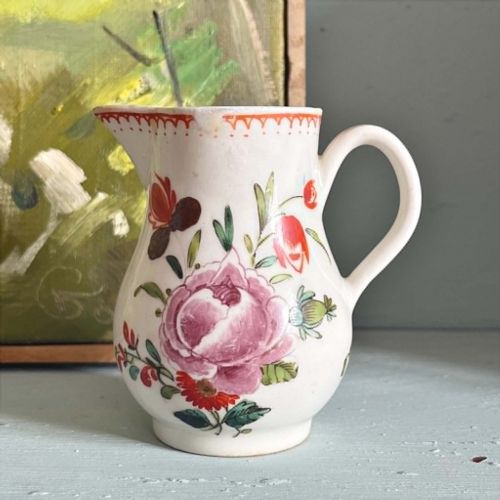
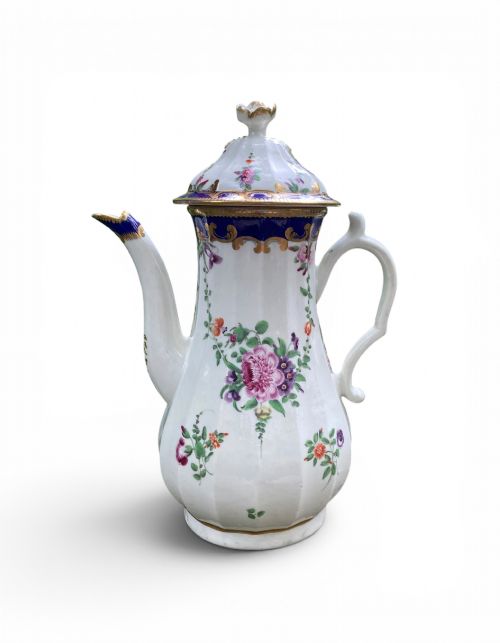
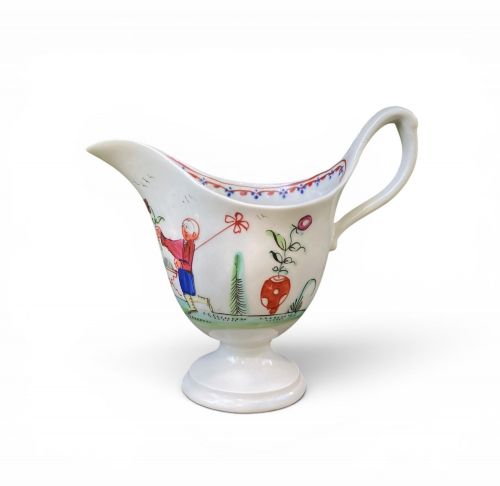
When searching for a georgian porcelain pitcher, collectors encounter a variety of forms including milk jugs, creamers, water ewers, and coffee pots spanning the eighteenth and nineteenth centuries. These vessels originate from prominent English factories and Chinese export wares, reflecting the tea and table habits of the period.
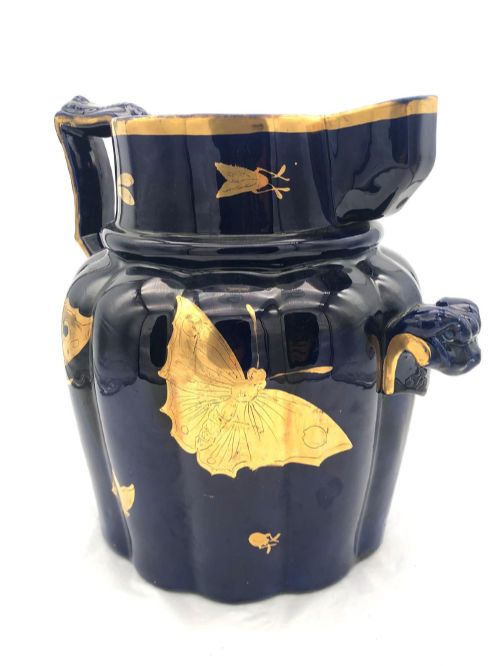
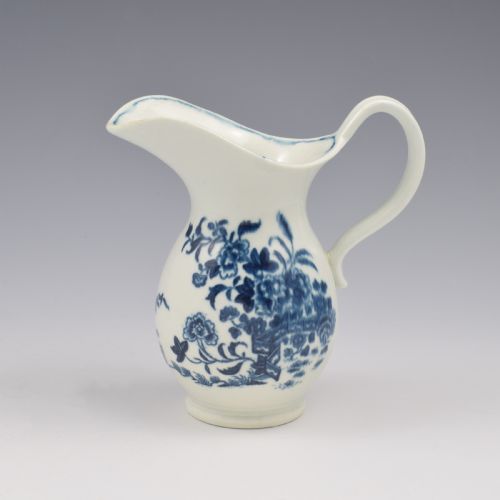
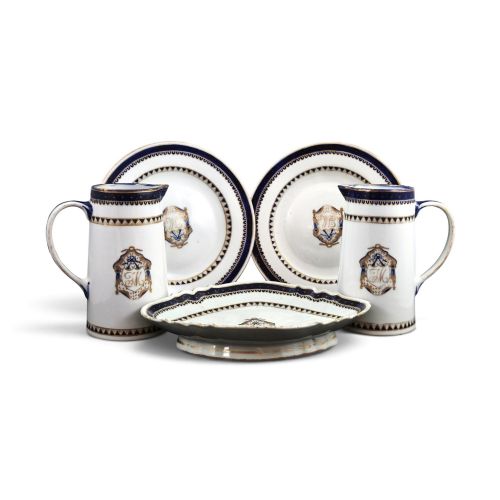
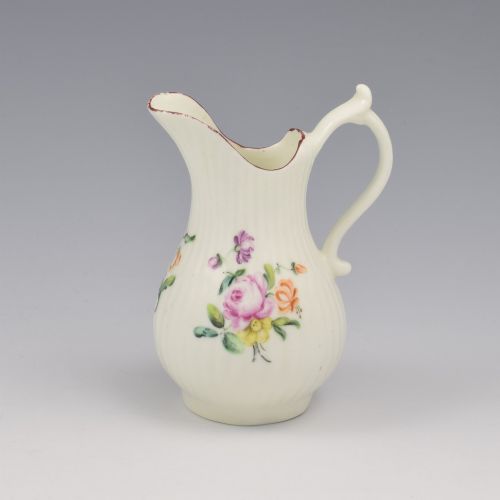
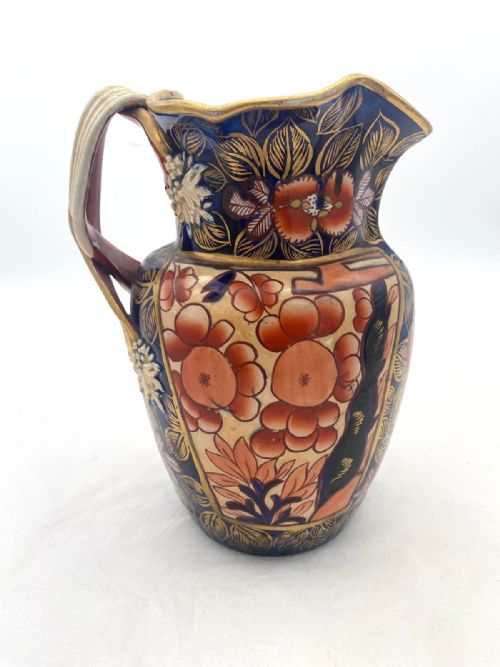
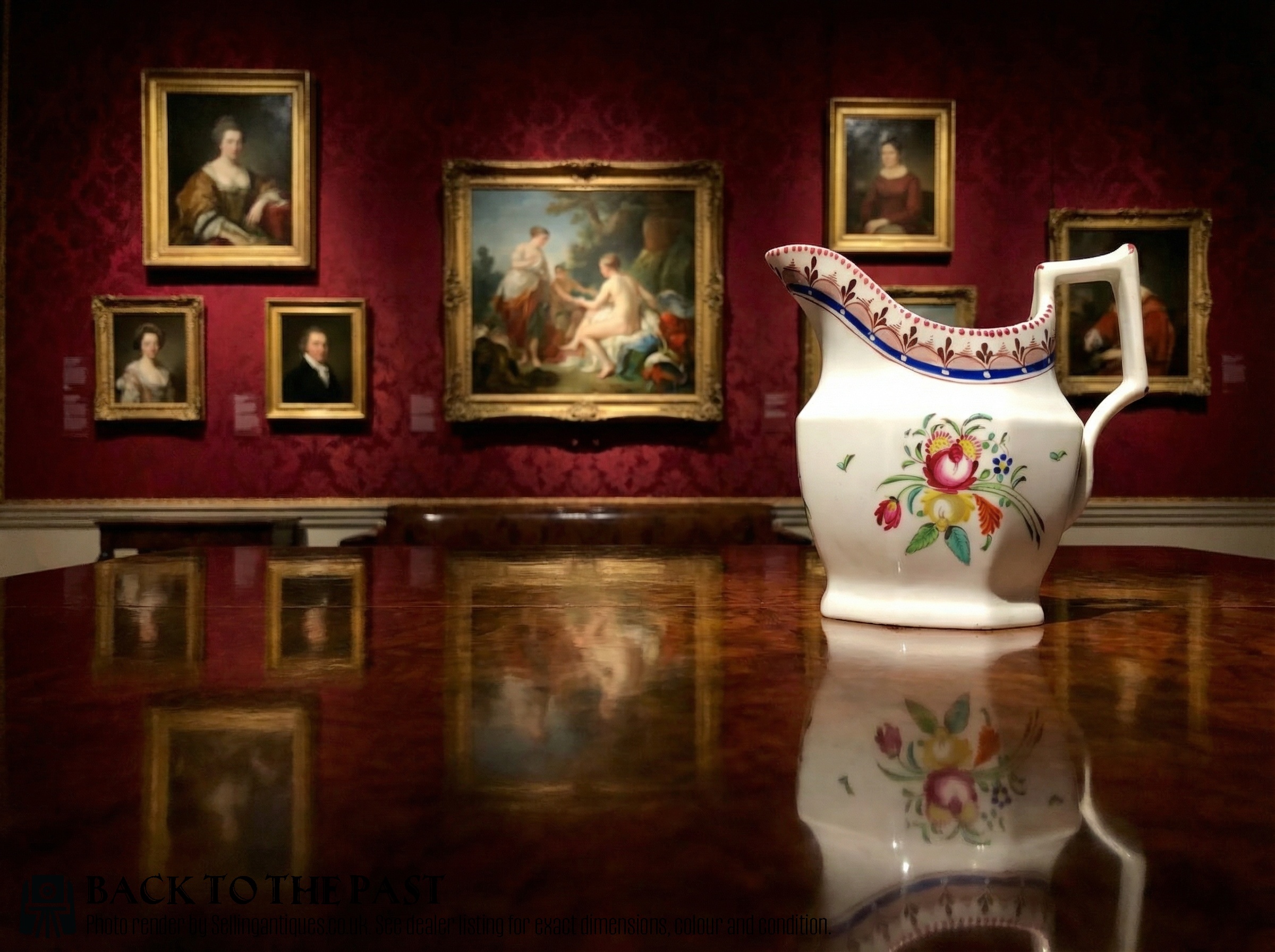
The pieces appearing on this page range from small sparrowbeak creamers to larger baluster jugs and commemorative vessels. Soft-paste porcelain and ironstone dominate the offerings, decorated with hand-painted polychrome flowers, armorial crests, and transfer printing.
Examples date from the mid-eighteenth century through the Regency and Victorian eras, capturing stylistic shifts from rococo-influenced curves to neoclassical shapes. Each object serves as a functional container transformed into a decorative display piece.
What varies in quality
Quality in a georgian porcelain pitcher rests upon the crispness of the moulding and the refinement of the paste. Early soft-paste bodies and delicate details like mask spouts require advanced technical mastery from the potter.
The execution of the hand-painted decoration separates standard production from superior output. Finely detailed armorial crests, intricate polychrome florals, and precise gilding elevate the artistic merit of the vessel.
Several birds permanently perch on these vessels, taking the form of painted parrots and moulded mask spouts.
Dr Wall Worcester·New Hall·H & R Daniel·Chamberlain Worcester·John Rose Coalport·Crown Derby
The Georgian Porcelain Pitcher Glossary
- Soft-paste porcelain
- An artificial porcelain composition fired at lower temperatures than hard paste, developed by early English factories to mimic Chinese import wares.
- Sparrowbeak creamer
- A small eighteenth-century milk or cream jug characterised by a pinched, beak-like spout resembling that of a sparrow.
- Mask head jug
- A pitcher featuring a moulded human, animal, or mythological face beneath the spout, common in eighteenth-century porcelain production.
- Ironstone
- A durable, heavy earthenware body patented in the nineteenth century that shares functional characteristics with porcelain.
- Armorial crest
- A heraldic design painted onto porcelain service pieces to denote the commissioning family's lineage.
Georgian Porcelain Pitcher: Frequently Asked Questions
How do I date an antique porcelain pitcher?
Dating relies upon stylistic markers, paste composition, and factory characteristics. Pieces from the eighteenth century often feature soft-paste bodies and hand-painted floral motifs.
Later nineteenth-century examples introduce ironstone bodies and different handle configurations. Comparing form and decoration against known factory periods helps narrow the manufacturing decade.
What is the difference between a cream jug and a pitcher?
Cream jugs and creamers are smaller vessels specifically proportioned for serving cream during tea service. Pitchers and ewers generally possess a larger capacity for water, milk, or table beverages.
Both forms share similar manufacturing techniques and stylistic treatments within the same factory periods.
How were these porcelain pitchers used historically?
These vessels served functional roles on the dining and tea tables of the Georgian and Regency periods. They held liquids such as milk, cream, water, or coffee for household service.
Over time, many of these domestic objects transitioned into decorative display pieces collected for their ceramic history.
Can I use an antique porcelain pitcher for daily service?
While these pitchers were originally made for functional table use, their age and delicate soft-paste or enamel surfaces suggest careful handling. Modern usage subjects antique glazes and gilding to thermal shock and potential wear.
Most collectors choose to display them rather than risk damage from daily service.