
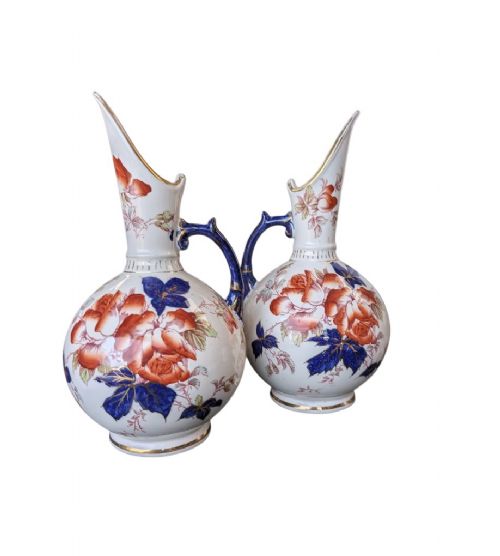


Gilt Porcelain Pitcher
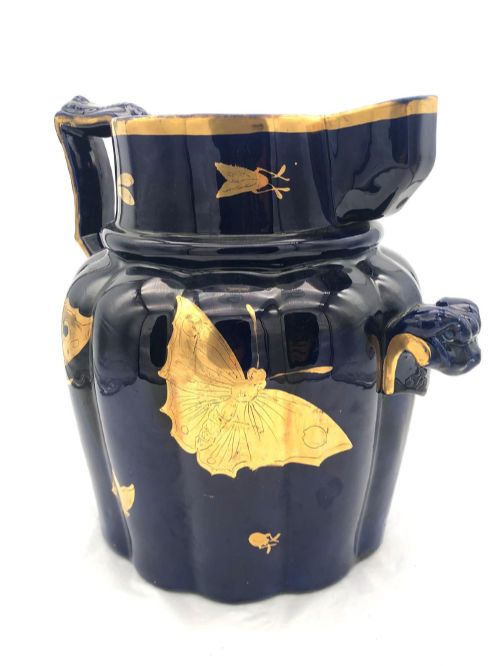
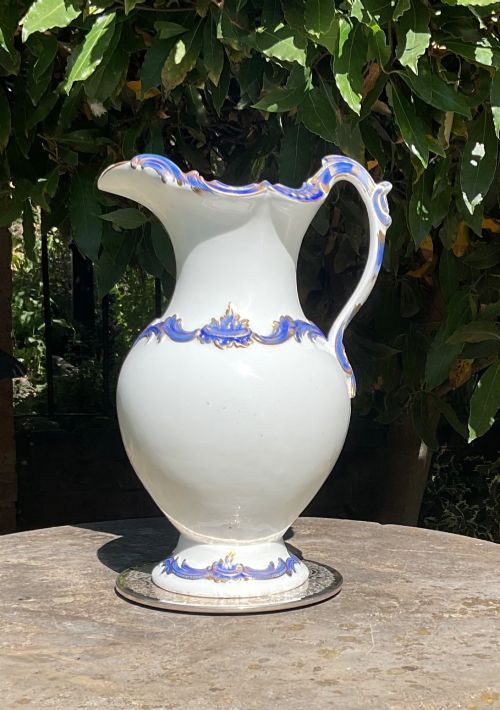
A gilt porcelain pitcher brings gleaming metal accents and refined ceramic form together, serving as both a functional vessel and a decorative display piece.
Gilt Porcelain Pitcher
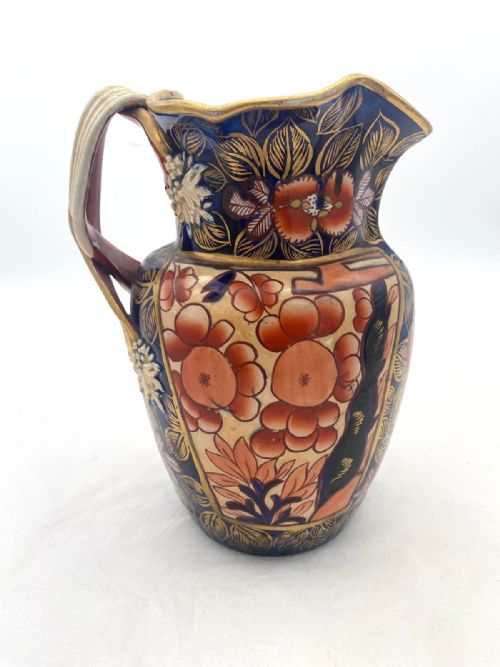
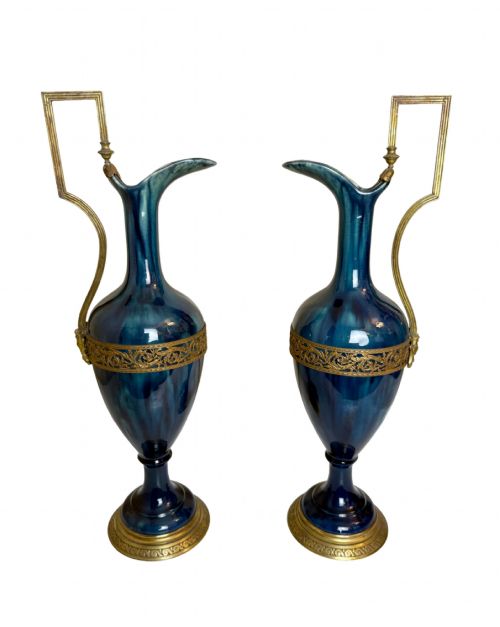
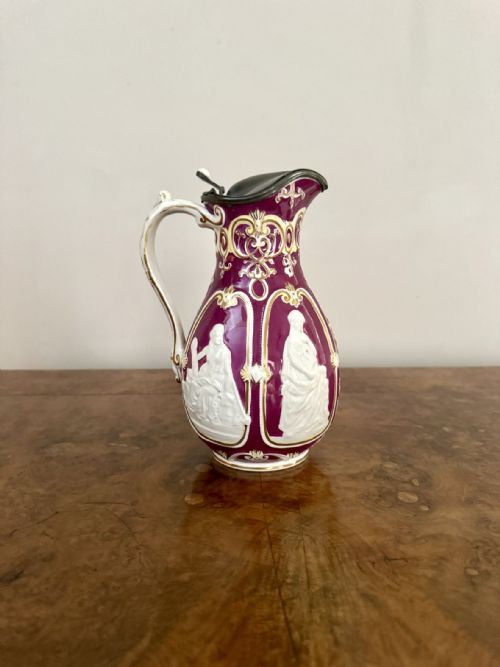
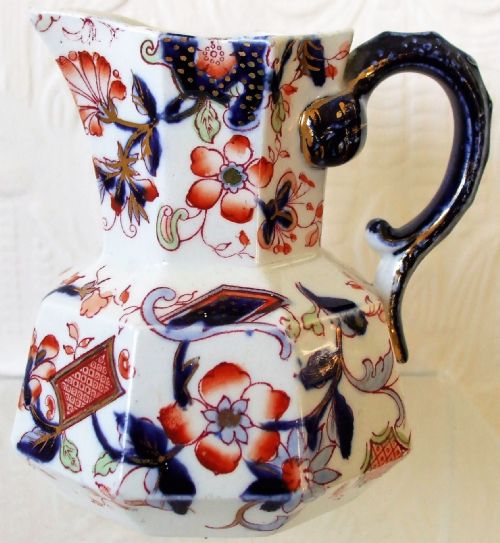
When you search for a gilt porcelain pitcher, you encounter vessels designed for water, cream, or decorative display, spanning periods from the eighteenth century through the early twentieth century.
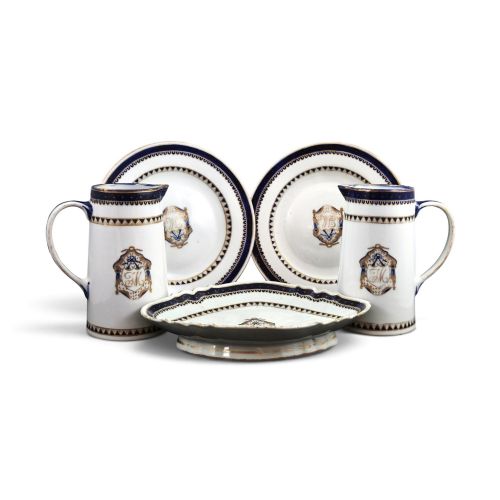
Origins range across English manufactories like Royal Worcester and Mason's, alongside continental European workshops and Chinese Export productions.
How they were made
Potters shaped hard-paste porcelain and ironstone using moulds or the wheel before applying detailed hand-painted scenes, cobalt blue grounds, or transfer printing.
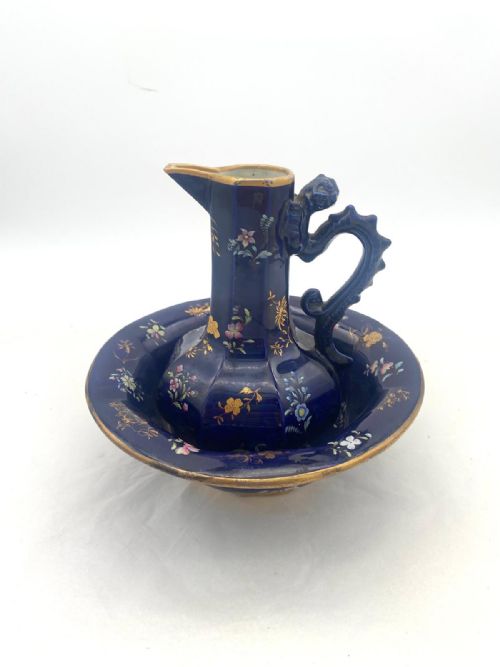
Makers integrated gold leaf, gilding, and enamel work to highlight handles, rims, and pictorial panels, often firing the pieces multiple times to bond the metallic decoration to the ceramic body.
Some nineteenth-century makers added delightfully grotesque handles to otherwise serene porcelain ewers for dramatic contrast.
What varies in quality
The standard of a piece rests on the crispness of the moulding and the precision of the hand-painted or gilt embellishments applied across the surface.
Superior examples display sophisticated handling of colour, intricate gilding that has survived with minimal rubbing, and balanced proportions in handles and spouts.
Royal Worcester·Mason's Ironstone·Chamberlain Worcester·Doulton Burslem·Crown Derby
The Gilt Porcelain Pitcher Glossary
- Ewer
- A large pitcher with a wide spout and elaborate handle, traditionally used for pouring water.
- Ironstone
- A heavy, durable type of earthenware patented in the nineteenth century to rival true porcelain.
- Gilding
- The application of gold leaf or gold dust to the surface of ceramic objects for ornamentation.
- Blush Ivory
- A specific creamy, matte ceramic finish popularized by Royal Worcester in the late nineteenth century.
Gilt Porcelain Pitcher: Frequently Asked Questions
What is a gilt porcelain pitcher used for?
These vessels originally functioned at the dining table or washstand for pouring liquids such as water, cream, or tea.
Today, collectors primarily display them as decorative art objects to highlight period interiors and ceramic craftsmanship.
How do I identify a Victorian ewer?
Victorian pieces often display eclectic revival styles, ranging from classical French influences to elaborate aesthetic movement motifs.
Look for nineteenth-century manufacturing traits such as ironstone bodies, blush ivory finishes, and applied gilt trim.
Are these pitchers safe for serving liquids?
While historic pitchers were made for functional table use, age and delicate gilding make modern usage impractical.
Displaying them safely away from daily wear preserves the fragile enamel and gold leaf decorations.
How do I distinguish Worcester porcelain?
Worcester pieces typically feature fine paste composition, refined hand-painted fruit or floral subjects, and distinct factory marks.
They span several distinct manufacturing periods from the eighteenth century through the twentieth century.