
Victorian Ceramic Water Jug
These Victorian ceramic water jug examples range from salt-glazed stoneware to hand-painted porcelain, offering sturdy everyday utility alongside elaborate decorative display.
Victorian Ceramic Water Jug
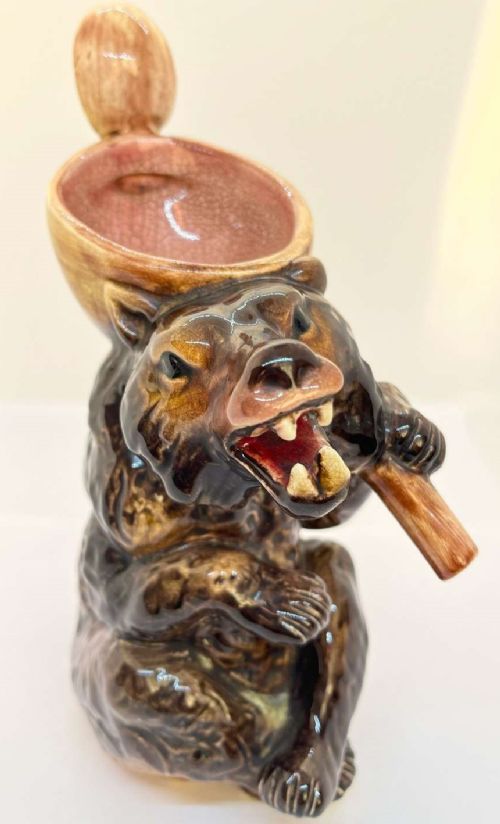
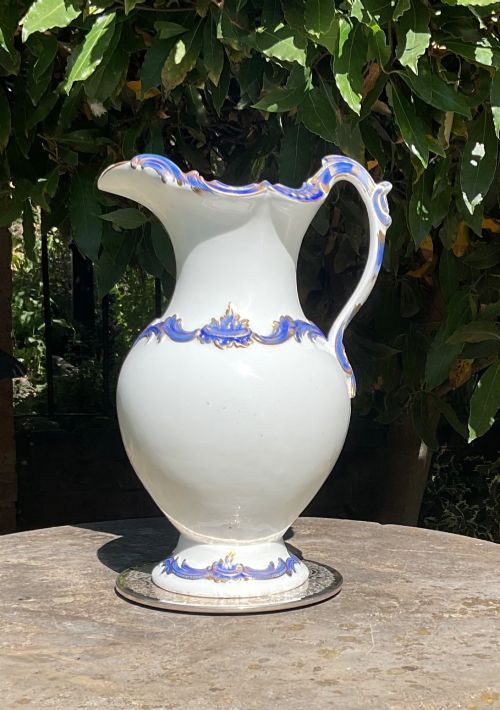
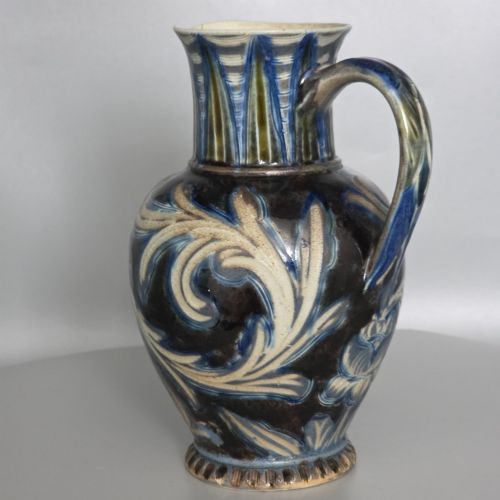
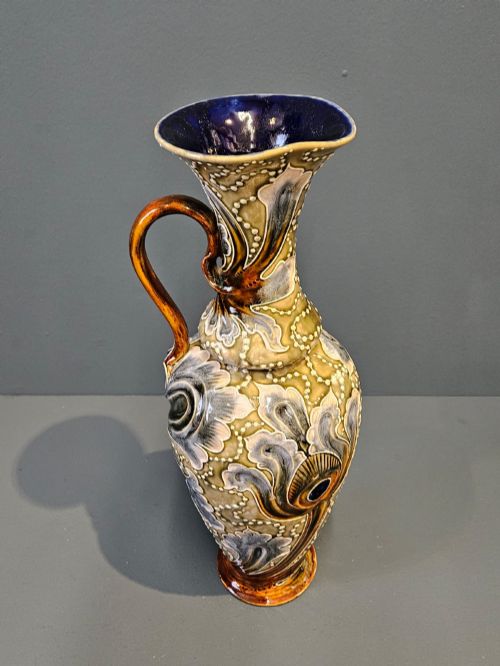
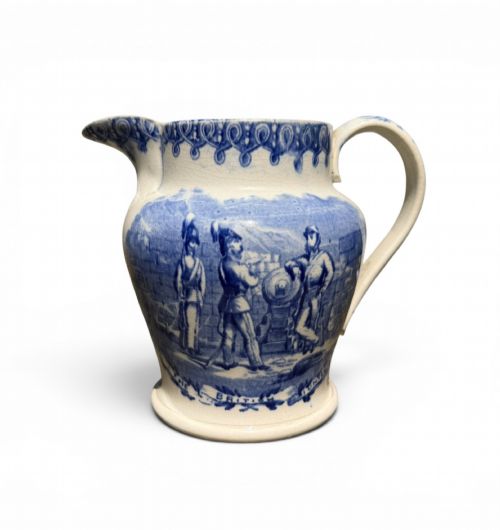
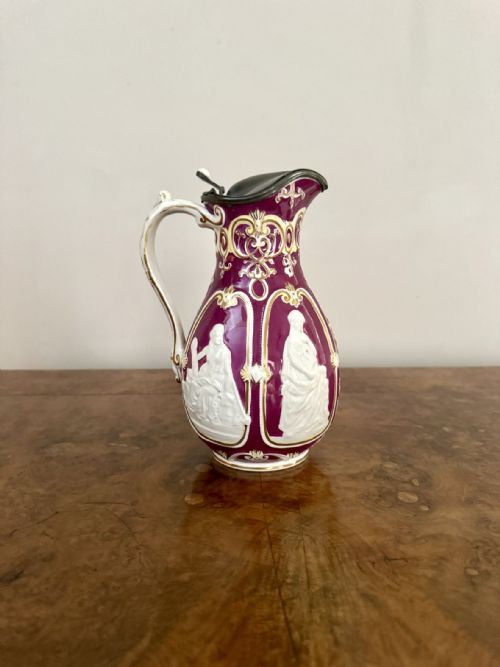
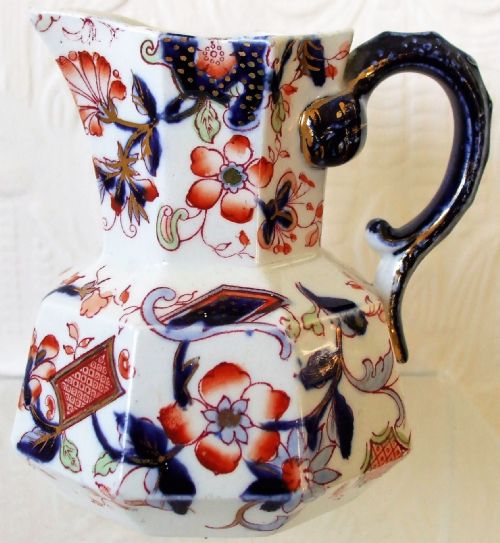
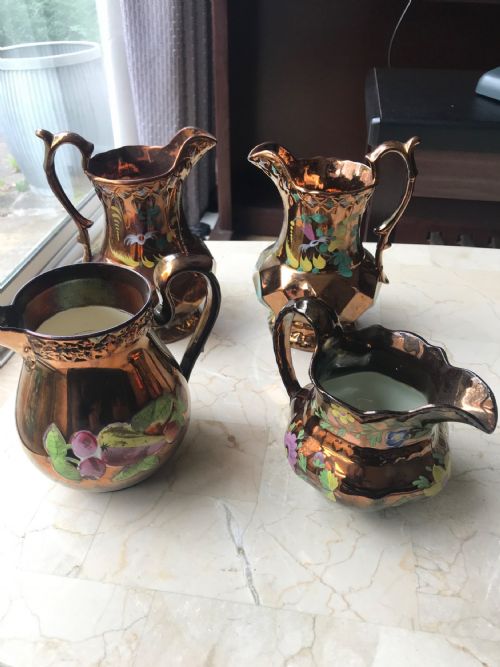
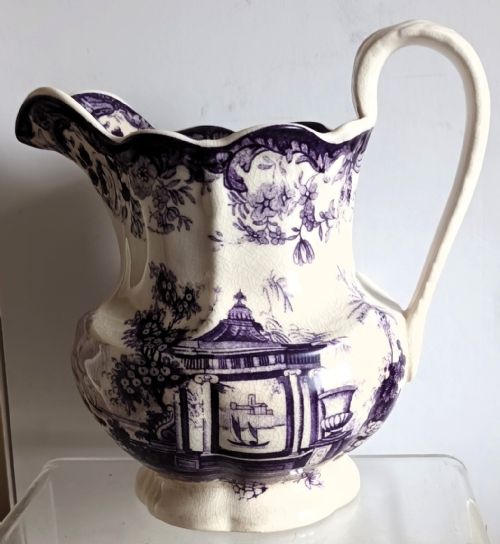
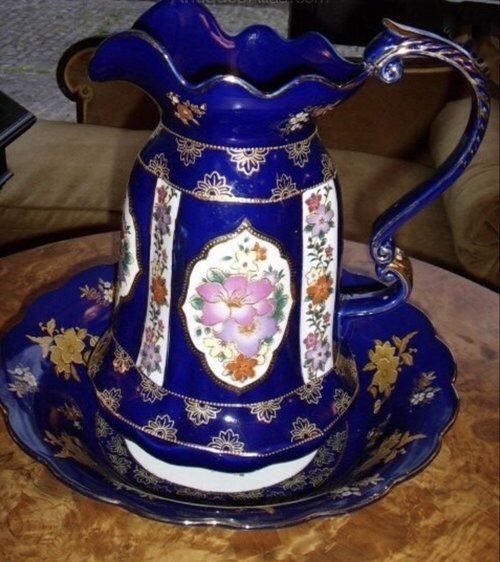
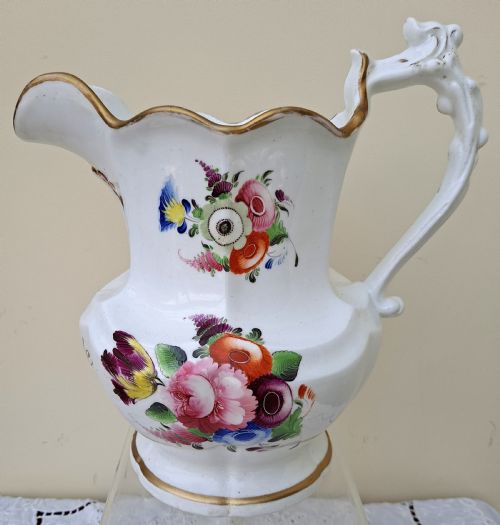
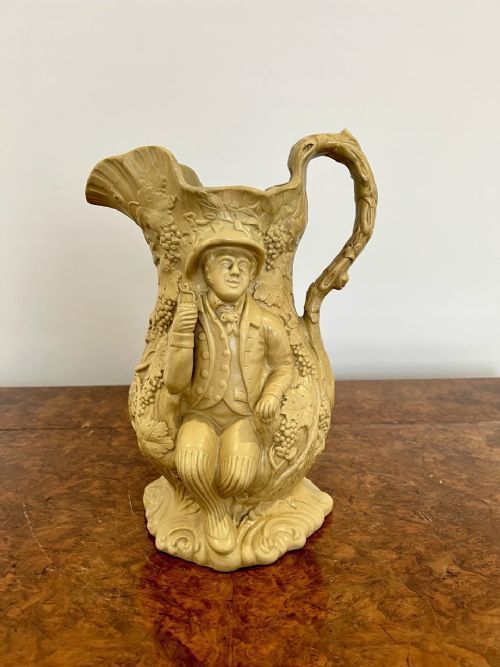
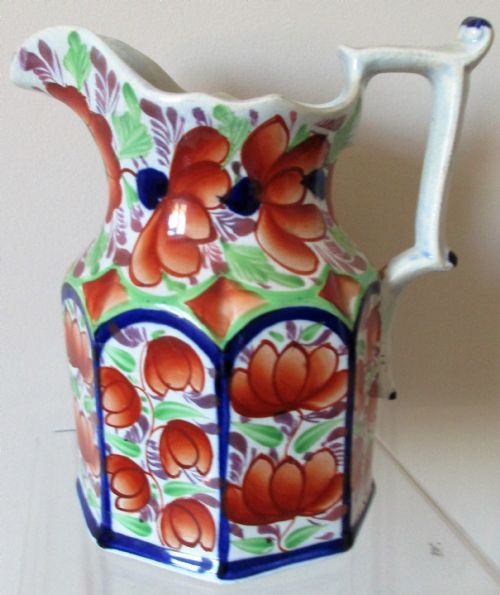
A victorian ceramic water jug serves as a practical vessel for pouring water at the table or washstand, whilst functioning equally well as a decorative display piece. The examples seen here span earthenware, stoneware, and porcelain, frequently decorated with transfer prints, hand-painting, or moulded reliefs.
Makers such as Doulton Lambeth and Minton produced utilitarian pieces alongside highly ornate art pottery, incorporating styles from Rococo revival to Arts and Crafts. Buyers encounter robust stoneware harvest vessels alongside delicate porcelain ewers bearing gilt highlights or botanical motifs.
Assessing Quality and Execution
Quality rests upon the crispness of the relief moulding, the precision of hand-painted or transfer-printed details, and the stability of applied handles and rims. Finer pieces demonstrate careful glaze application without pooling or drying, alongside clear factory stamps or artist ciphers.
Substantial weight, balanced proportions, and sophisticated decorative schemes - such as mythological figures or complex botanical patterns - distinguish master-produced art pottery from standard utilitarian wares.
Victorian Ceramic Water Jug Retail Price Guide 2026
Typical asking prices for victorian ceramic water jug among the pieces listed under this phrase on Sellingantiques today, from the lower quarter to the upper quarter. They describe what is for sale here now, not the wider market.
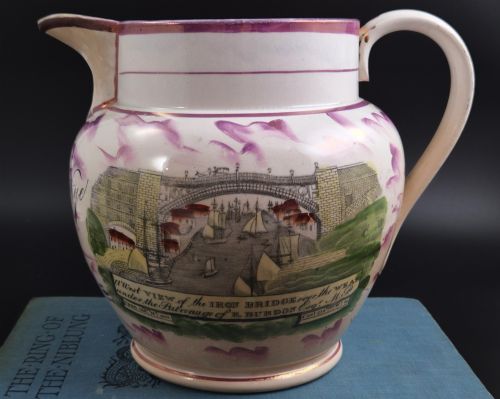
Certain nineteenth-century potters recorded historical public jubilees and bridge constructions directly onto jugs, ensuring local infrastructure projects achieved permanent ceramic immortality.
Doulton Lambeth·Minton·Charles Meigh·Royal Worcester·Livesley Powell and Co
The Victorian Ceramic Water Jug Glossary
- Earthenware
- A porous pottery fired at lower temperatures, typically glazed to ensure it holds liquid.
- Stoneware
- A dense, impermeable ceramic fired at higher temperatures, known for durability and salt-glazed finishes.
- Majolica
- A type of earthenware decorated with brightly coloured lead glazes over an opaque white tin enamel.
- Relief Moulding
- A technique where designs are pressed outward from the body of the vessel during manufacture to create a raised surface pattern.
- Parian Ware
- A fine white bisque porcelain resembling carved marble, named after Parian marble from the Greek island of Paros.
Victorian Ceramic Water Jug: Frequently Asked Questions
What is a victorian ceramic water jug?
A victorian ceramic water jug is a hollowware vessel designed to hold and pour water, produced in various ceramic bodies during the nineteenth century. These items were standard components of household wash sets or dining tables.
They range from utilitarian stoneware storage pieces to ornate porcelain ewers created for decorative display in affluent homes.
How were these jugs used originally?
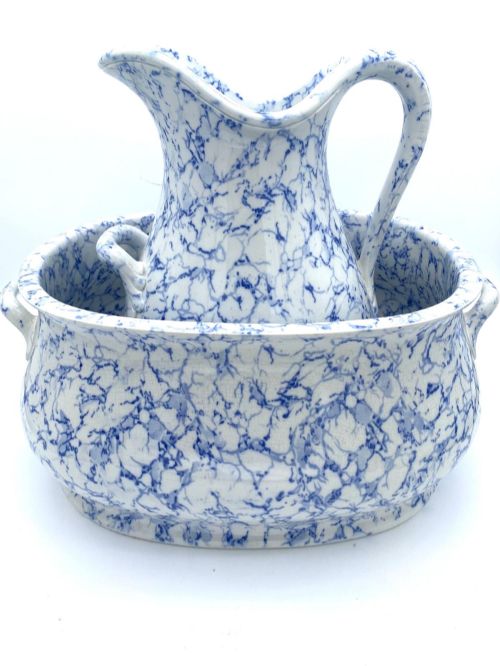
Households utilised these vessels primarily for serving water at meals or supplying washbasins in bedrooms before indoor plumbing became widespread. Larger examples functioned as ewers within matching ceramic wash sets.
Many decorative variations served mainly as mantelpiece ornaments or commemorative objects marking significant national events.
How do I identify a Doulton Lambeth piece?
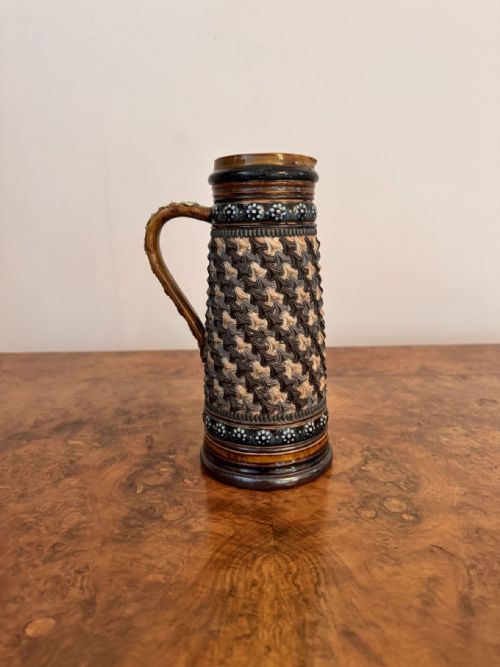
Doulton Lambeth items typically feature distinctive salt-glazed stoneware bodies, often combining deep brown or blue tones with incised foliage or textured surfaces. Look for impressed factory stamps and artist initials on the base.
Their designs frequently reflect Aesthetic movement influences or commemorate royal jubilees with moulded relief portraits and lettering.
Are these jugs safe to use daily?
While many ceramic and stoneware jugs remain structurally sound, antique glazes from the nineteenth century can contain trace minerals or degradation from age. Collectors generally treat them as decorative display items rather than functional kitchenware.
Hand washing in lukewarm water without harsh detergents helps preserve delicate enamels, gold leaf, and transfer-printed surfaces.