


Victorian Pitcher and Bowl
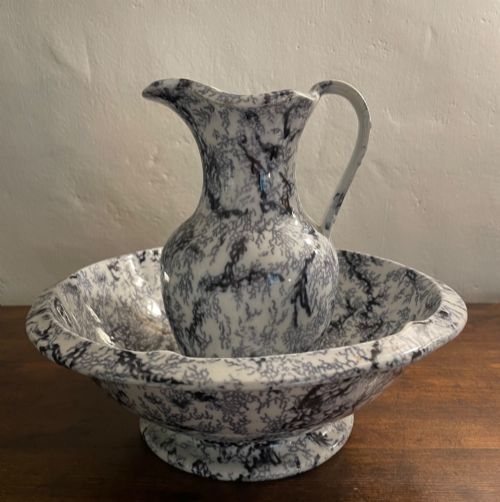
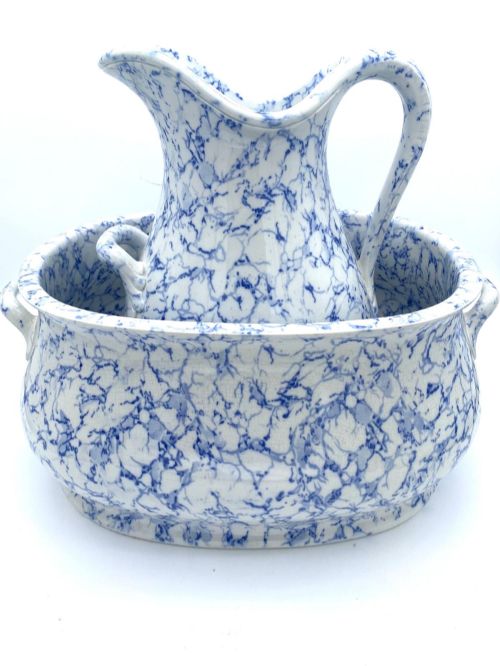
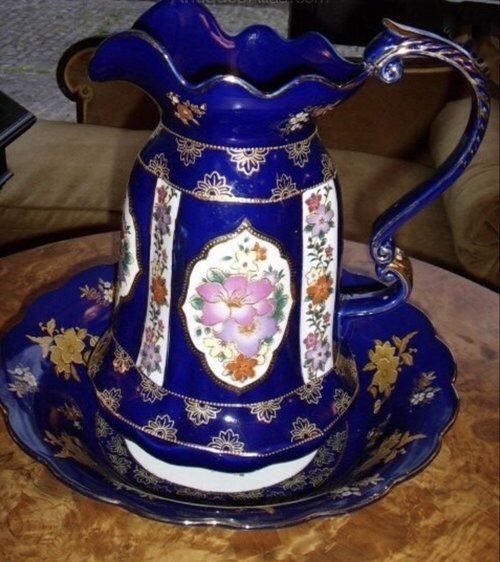
These Victorian pitcher and bowl sets bring utility and floral pattern to the washstand, offering a decorative centrepiece for the traditional bedroom.

Victorian Pitcher and Bowl
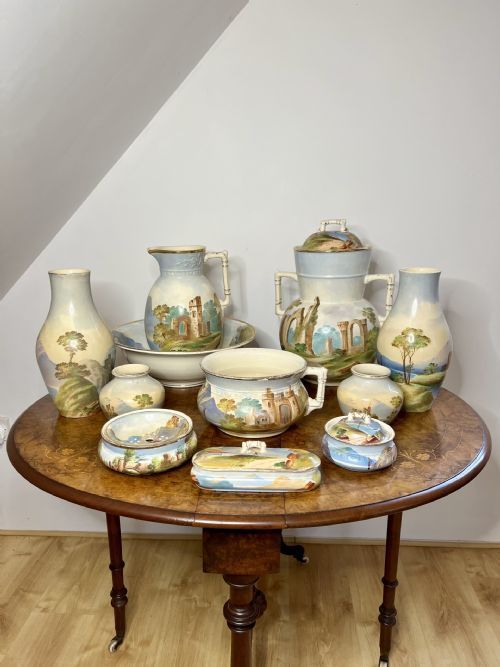
When you search for a victorian pitcher and bowl, you encounter ceramic, ironstone and glass sets created for the nineteenth-century washstand. These domestic items combined a large basin with a matching jug for daily ablutions before plumbed bathrooms became common.
The selections span earthenware, porcelain and stoneware, with styles ranging from classical blue and white transfers to rich Art Nouveau and Aesthetic Movement designs. Alongside ceramic sets, the material evidence records cranberry glass and silver tea wares, demonstrating the variety of vessels produced in the period.
How they were made
Potteries shaped these earthenwares and ironstones using moulded clay bodies, applying cobalt glazes or transfer-printed motifs before high-temperature firing. Ironstone offered a durable, heavy body suitable for daily water use, while finer porcelains received delicate hand-painted flower designs.
Glass sets utilised blown cranberry glass techniques, shaping molten metal into deep red vessels that caught the light. Stoneware items such as those from Doulton utilised salt glazing methods to produce textured, impermeable surfaces.
Several sets include matching footbaths, proving that nineteenth-century Victorians took their foot hygiene quite seriously indeed.
What varies in quality
The distinction between standard domestic utility wares and finer examples lies in the crispness of the transfer print, the uniformity of the glaze, and the presence of hand-painted highlights or gilding. Major makers invested in superior clay bodies and intricate mouldings that retained their structural integrity and decorative finish.
Completeness dictates much of the appeal, as sets that retain both jug and basin in matching patterns command greater interest than solitary vessels. Artistry in the decorative scheme, particularly across Aesthetic Movement and Art Nouveau examples, separates basic wash sets from exceptional artistic ceramics.
Minton·Masons Ironstone·Doulton Lambeth·Doulton Burslem·George Fox·Robert Hennel
The Victorian Pitcher and Bowl Glossary
- Ironstone
- A patented ceramic material developed in the nineteenth century to provide a durable, heavy alternative to porcelain. It resists chipping and holds deep glazes well.
- Transfer printing
- A decoration technique using an engraved copper plate to transfer a printed pattern onto paper, which is then applied to the unglazed ceramic surface. This method allowed consistent, detailed patterns across large production runs.
- Cranberry glass
- A transparent pinkish-red glass produced by adding gold chloride to the molten glass batch. It found frequent use in decorative Victorian glassware collections.
- Stoneware
- A heavy, dense ceramic fired at high temperatures until vitrified, making it waterproof without requiring a fine glaze. Doulton potteries utilised this for robust utility and art pieces.
- Flow blue
- A nineteenth-century pottery technique where lime or ammonia gas was introduced into the kiln during firing, causing the cobalt blue design to blur slightly into the white glaze. This created a soft, hazy aesthetic popular in wash sets.
Victorian Pitcher and Bowl: Frequently Asked Questions
What was a pitcher and bowl used for?
These sets served as the primary washing apparatus in bedrooms before indoor plumbing provided running water.
The large basin held water poured from the pitcher for morning and evening hygiene routines.
How do I clean an antique ceramic wash set?
Wash ceramic surfaces gently using warm water and mild soap, avoiding abrasive pads that can damage old glazes.
Take care around gilt highlights or hand-painted enamel details, which wear away easily with harsh scrubbing.
Are these sets waterproof?
Most ironstone and glazed ceramic pitchers hold water adequately for display or occasional use.
Fined-cracked glazes or historic hairline fractures mean some antique pieces are best reserved for dry decorative display.
How do I identify Victorian pottery?
Look for maker marks stamped or printed on the base, alongside registration numbers that date the design.
Style indicators such as blue and white transfer prints, Aesthetic Movement motifs, and ironstone bodies typically point to the nineteenth century.