


Antique Basin Jug Set
An antique basin jug set brings practical washing vessels of earthenware and porcelain into a bedroom.
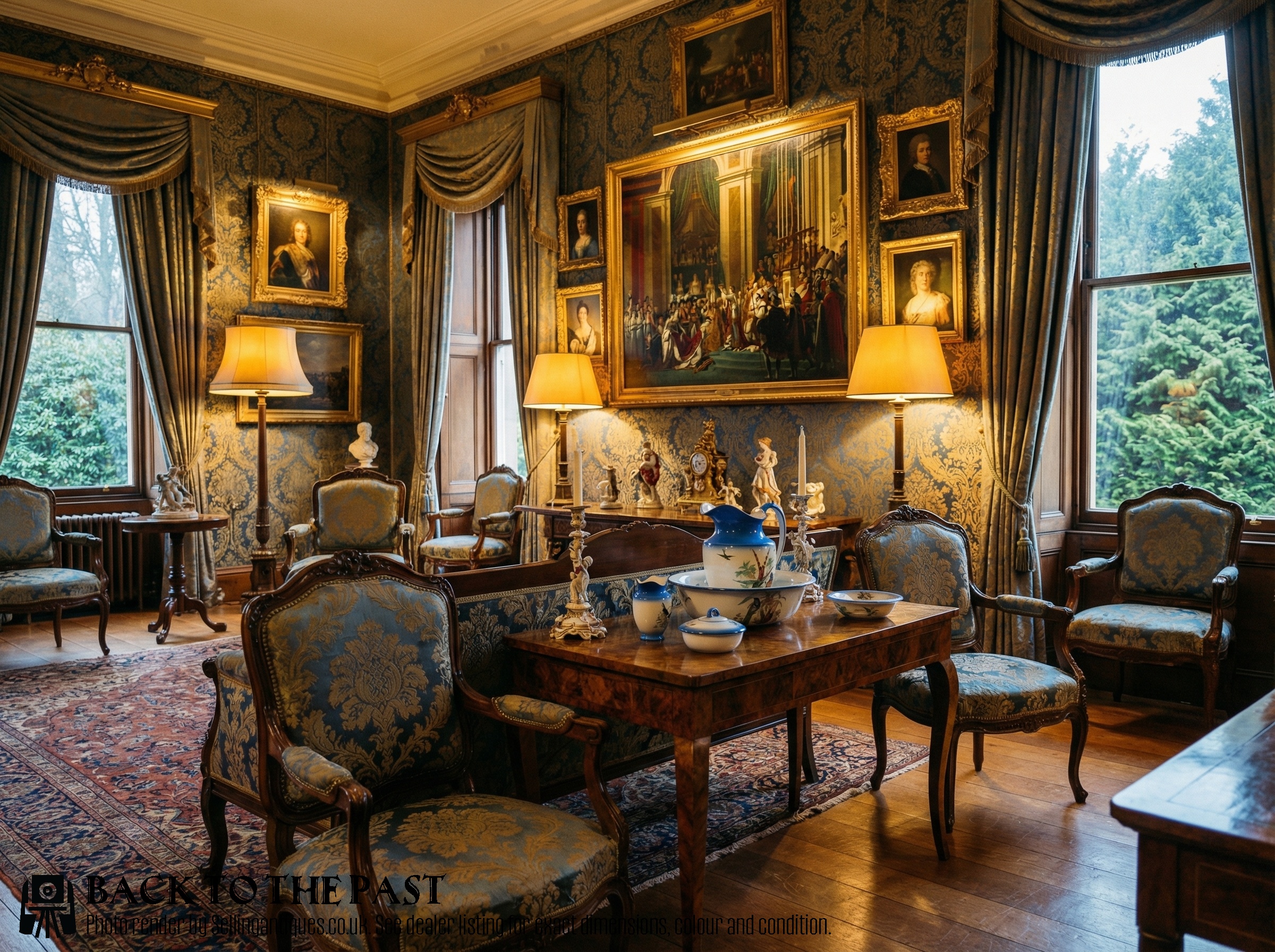
Antique Basin Jug Set
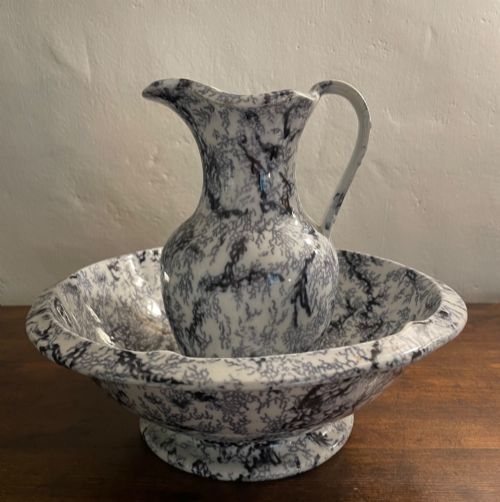
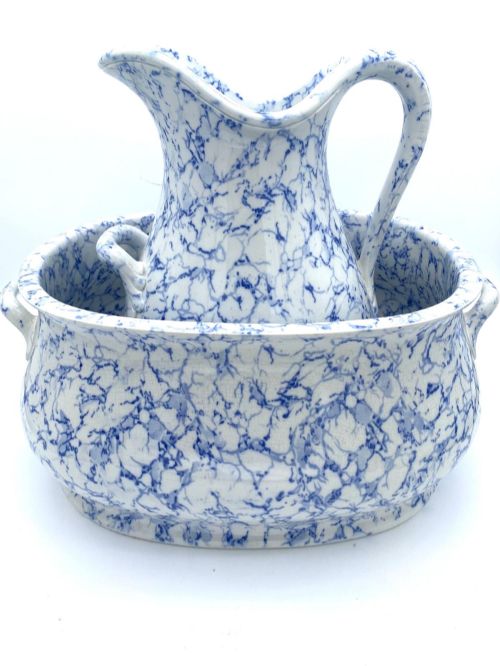
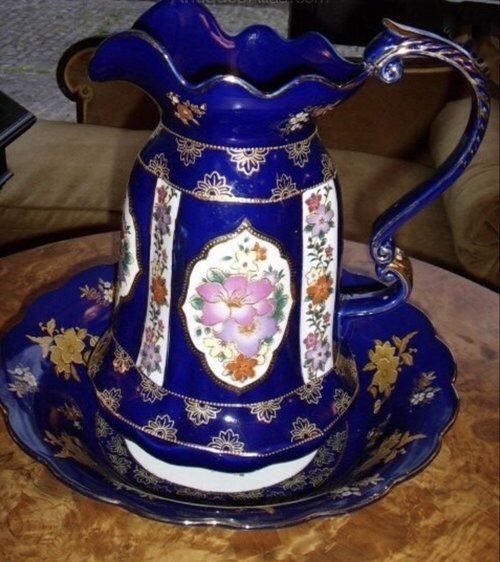
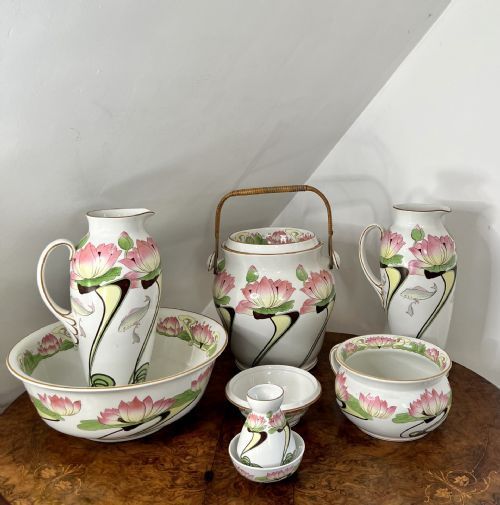
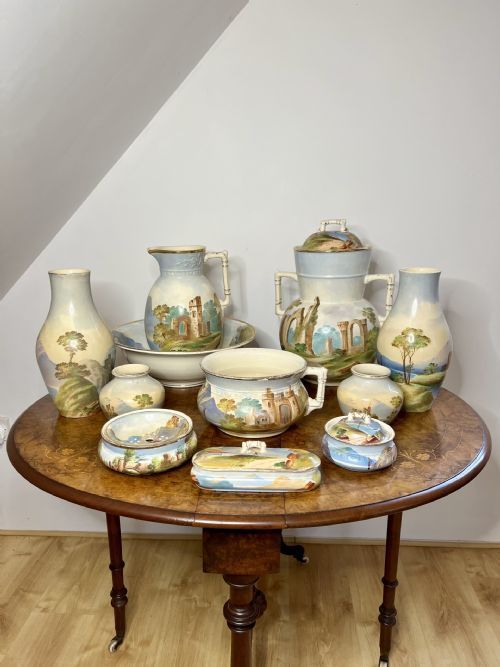
An antique basin jug set comprises a large pitcher paired with a matching wash basin, designed for personal hygiene before plumbed bathrooms became standard. These sets appear most frequently from the Victorian and Edwardian periods, produced in earthenware, porcelain, and stoneware.
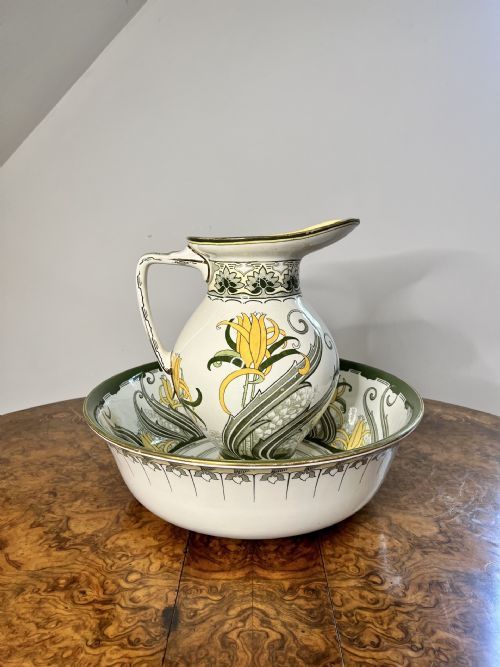
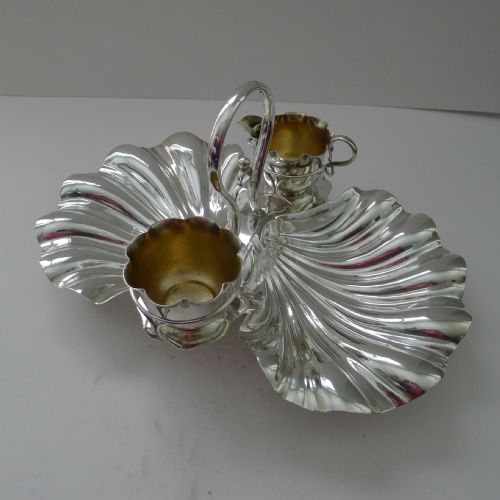
The forms span full-size bedroom washstand sets and smaller miniature groupings, alongside related silver plated and glass serving sets. Makers rendered them in styles ranging from Georgian and Regency through Victorian Chinoiserie and Art Nouveau.
How they were made
Potters shaped ceramic earthenware and ironstone bodies on wheels or in moulds before applying glazes and underglaze blue transfers. Factories such as Masons and Doulton utilised specialised ceramic techniques to achieve durable, vitrified bodies.
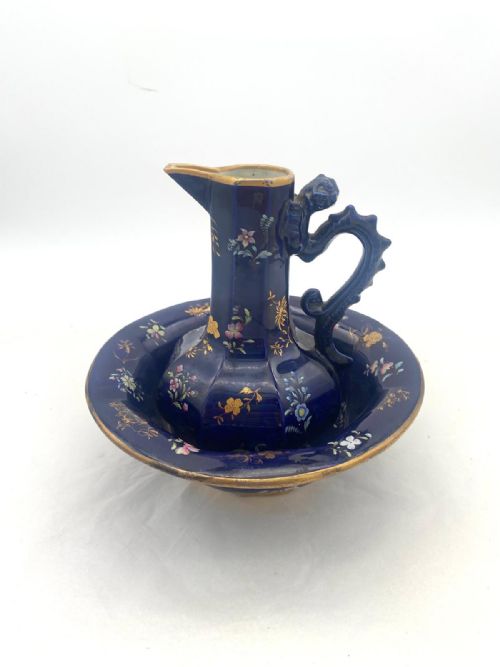
Glass sets involved blowing and moulding cranberry and latticino glass, while metal sets combined silver plate over copper or solid silver bases with gold leaf highlights. Artisans decorated porcelain pieces with hand-painted floral motifs and cobalt blue glazes.
Periods represented include the eighteenth-century Georgian era through the Edwardian years.
What varies in quality
The refinement of the ceramic body and the crispness of the transfer printing or hand-painted decoration distinguish superior examples. Ironstone and porcelain bodies offer greater durability and finer detail than standard earthenware.
Completeness and matching provenance across both the jug and the basin determine the desirability of a set. Maker attribution to notable potteries adds significant distinction to individual pieces.
Mark Jones and Sons·Daniel Arter·Christofle·Robert Hennel
The Antique Basin Jug Set Glossary
- Earthenware
- Porous pottery fired at lower temperatures, requiring a vitreous glaze to hold water. It forms the body of many nineteenth-century wash sets.
- Ironstone
- A dense, durable type of heavy earthenware patented in the nineteenth century. It resists chipping better than standard pottery.
- Flow blue
- A Staffordshire pottery technique where cobalt blue glaze blurred slightly during firing. This created a soft, hazy effect on the surface pattern.
- Latticino
- Venetian glasswork incorporating opaque white glass threads within clear glass. It produces delicate striped patterns on ewers and stands.
- Stoneware
- Impervious ceramic fired at high temperatures until vitrified. It provides a sturdy material for utilitarian vessels.
Antique Basin Jug Set: Frequently Asked Questions
How were antique basin jug sets used?
These sets served personal hygiene needs in bedrooms before running water was common. Water was poured from the jug into the basin for washing hands and face.
They sat upon wooden washstands equipped with a surface hole to hold the bowl securely. Soap dishes and chamber pots often completed the full bedroom suite.
How do I clean an antique basin jug set?
Wash ceramic and glass pieces gently by hand using warm water and mild soap. Avoid abrasive scrubbers that might damage older glazes or gilding.
Metal sets require specialised silver cleaner applied sparingly to preserve the plating. Patina indicates age and should be retained rather than polished away completely.
How do I distinguish Victorian from Edwardian sets?
Victorian sets often feature heavier proportions, robust ironstone bodies, and rich floral or Chinoiserie patterns. Colours tend to be deep and saturated.
Edwardian sets frequently display lighter aesthetics, including Art Nouveau motifs and simpler pastel or blue and white designs. Forms became more streamlined towards the twentieth century.
Can I use these sets for daily functional use?
Most antique ceramic sets handle cold water safely, though thermal shock from boiling water can crack old glazes. Displaying them as decorative pieces preserves their fragile surfaces.
Metal and glass variations require careful handling to prevent scratches or dents. Inspect older pieces for hairline cracks before exposing them to moisture.