
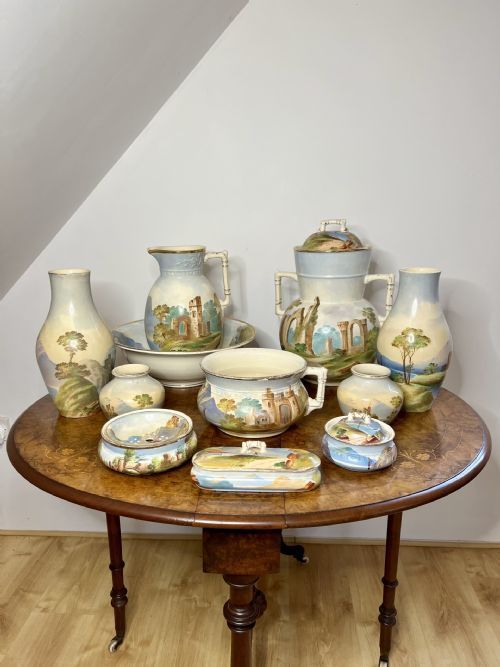


Vintage Wash Basin Pitcher
These vintage wash basin pitcher sets offer robust earthenware and ironstone forms, bringing genuine utility and period charm to contemporary spaces.
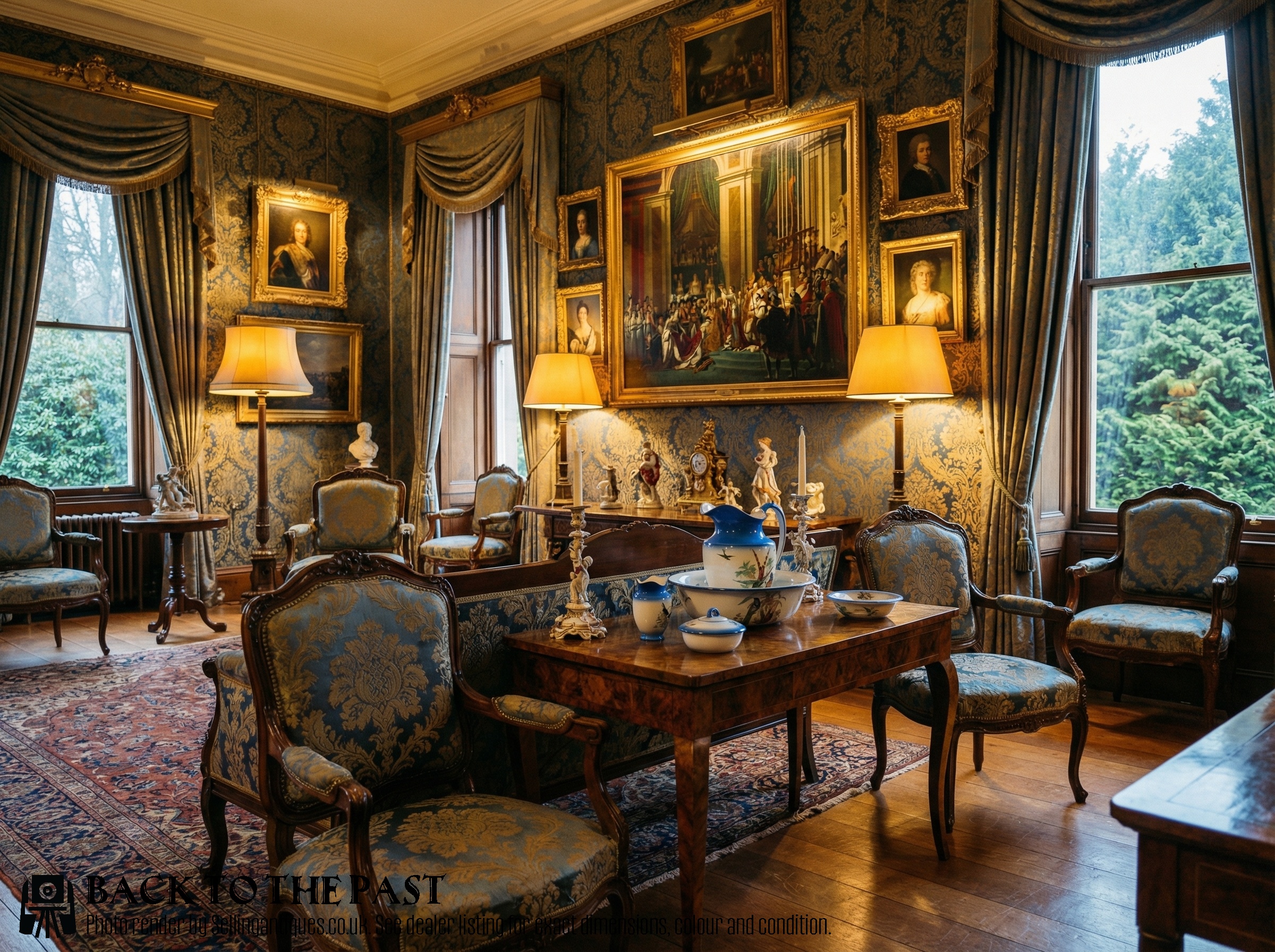
Vintage Wash Basin Pitcher
A vintage wash basin pitcher set comprises matching ceramic vessels designed for personal hygiene before modern plumbing. The selections on this page span from the nineteenth century into the twentieth century, encompassing Victorian and Edwardian periods.
Buyers encounter complete washstand sets alongside individual water jugs and basins. The forms appear in earthenware, ironstone, and porcelain, frequently featuring glazed surfaces.
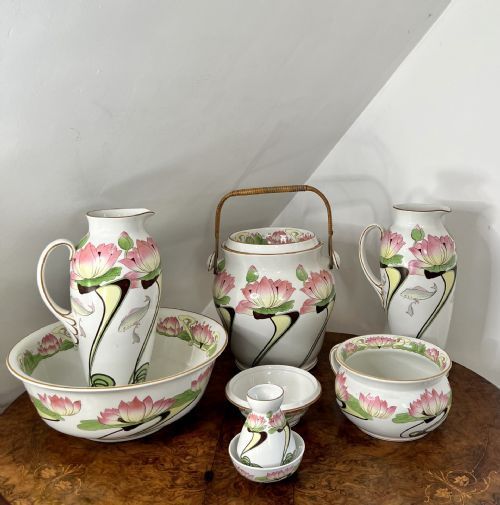
Victorian and Edwardian examples predominate in this selection, often manifesting as complete bathroom sets or specific jug and bowl pairings.
How they were made
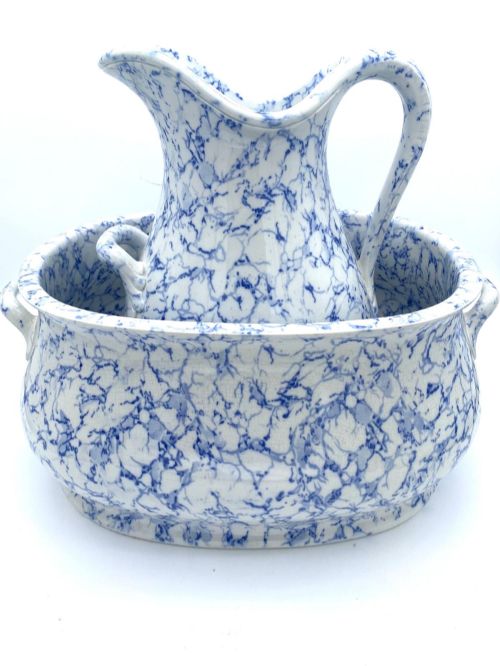
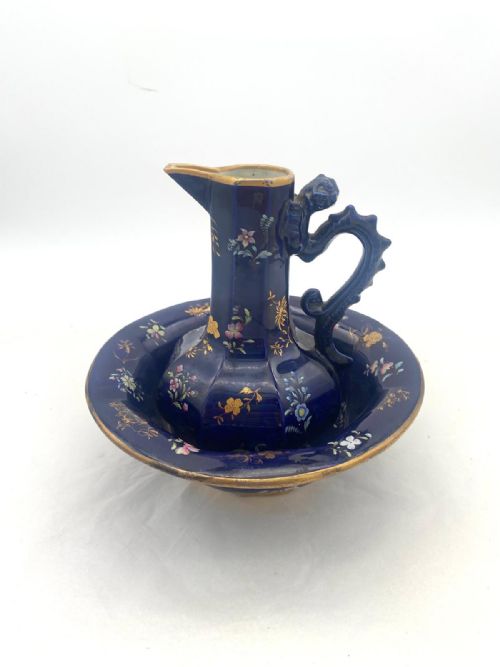
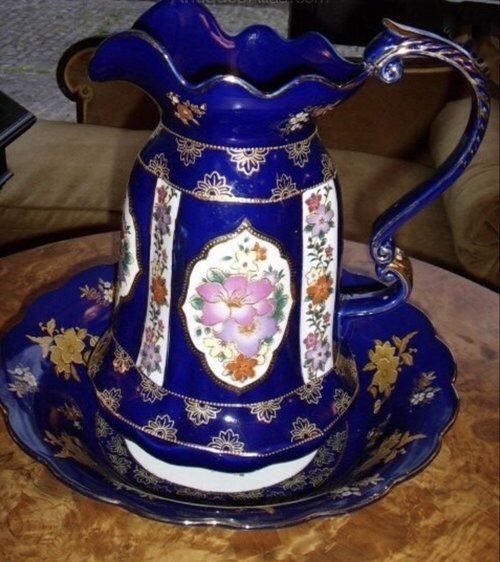
Potteries utilised durable ironstone, earthenware, and porcelain bodies, shaping them into octagonal and rounded forms. Makers applied specialised glazes, including cobalt blue and flow blue, alongside hand-finished details.
Certain pieces incorporate delicate decorative elements such as flower designs and gold leaf accents. Firing techniques of the period produced hard-wearing surfaces suitable for daily ablutions.
Listings span multiple decades, incorporating ironstone, earthenware, and porcelain materials across Victorian and Edwardian periods.
What varies in quality
Quality rests in the crispness of the moulding and the depth of the glaze application. Superior examples demonstrate careful alignment of pattern transfers and robust body fabrication.
The distinction between standard utility ware and finer output lies in the weight of the ceramic and the complexity of the decorative schemes, such as intricate marble patterns or elaborate handles.
Minton·Masons Ironstone·Doulton Burslem·mark Jones and Sons·Shelley
The Vintage Wash Basin Pitcher Glossary
- Ironstone
- A dense, heavy type of earthenware patented in the nineteenth century for its durability. It resists chipping better than standard pottery.
- Flow blue
- A cobalt-blue transfer printing style where the blue colour intentionally bleeds into the surrounding white glaze during firing. This creates a soft, hazy aesthetic.
- Earthenware
- Porous pottery fired at lower temperatures, typically glazed to ensure water retention. It forms the body of many historical jugs and basins.
- Transfer printing
- A decoration technique where an engraved copper plate applies ink to tissue paper, which is then pressed onto the ceramic body. It allowed potteries to produce consistent patterns rapidly.
Vintage Wash Basin Pitcher: Frequently Asked Questions
How were wash basin pitchers used?
These sets sat upon wooden washstands in bedrooms before indoor plumbing became standard. Users poured water from the pitcher into the basin for morning washing and shaving.
They functioned as the primary washing station for individuals prior to the widespread adoption of fitted bathroom suites.
How do I clean my wash set?
Wash these ceramic pieces gently by hand using warm water and mild soap. Avoid abrasive scrubbers that might damage the historical glaze or gold leaf.
Dry them thoroughly with a soft cloth to protect the surface finish and prevent moisture pooling in unglazed base rings.
Can I use them for fresh flowers?
Many collectors utilise the pitchers as large vases for seasonal blooms and dried foliage. The wide openings accommodate substantial floral arrangements quite naturally.
Ensure the interior ceramic remains sound before filling with water, as hairline cracks can develop over long periods.
How do I tell Victorian from Edwardian?
Victorian pieces often display heavier ironstone bodies and rich, saturated colours like cobalt blue. The forms tend toward robust utility and ornate detailing.
Edwardian examples frequently present lighter colour palettes and more refined floral patterns, reflecting changing domestic tastes at the turn of the century.