


Cobalt Blue Porcelain Jug
These cobalt blue porcelain jug pieces bring deep, rich colour and historic form to any room, offering both practical utility and decorative presence.
Cobalt Blue Porcelain Jug
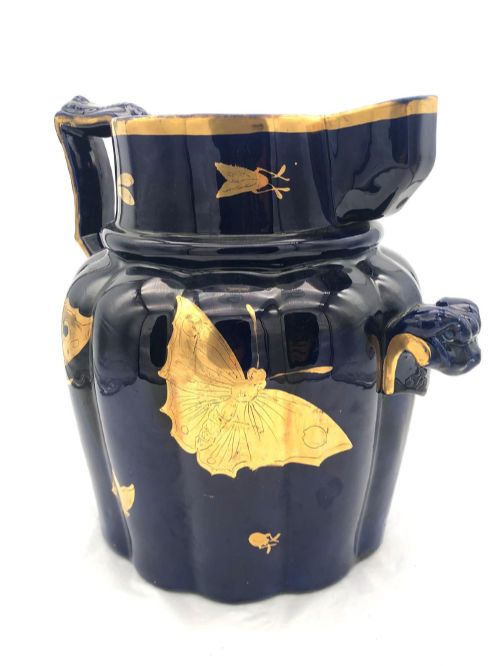
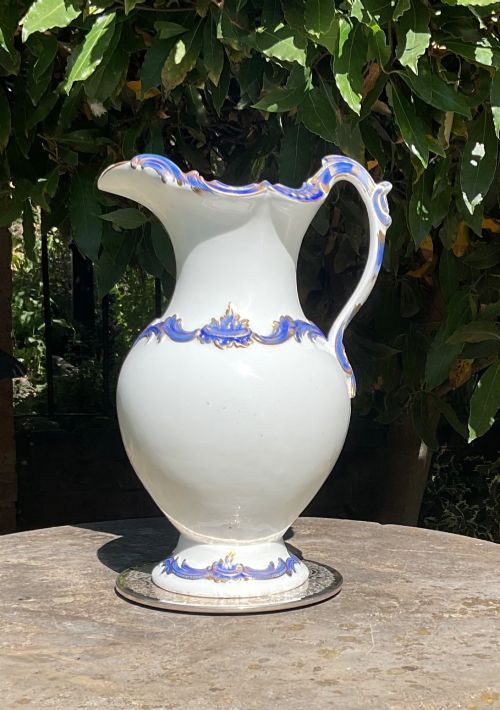
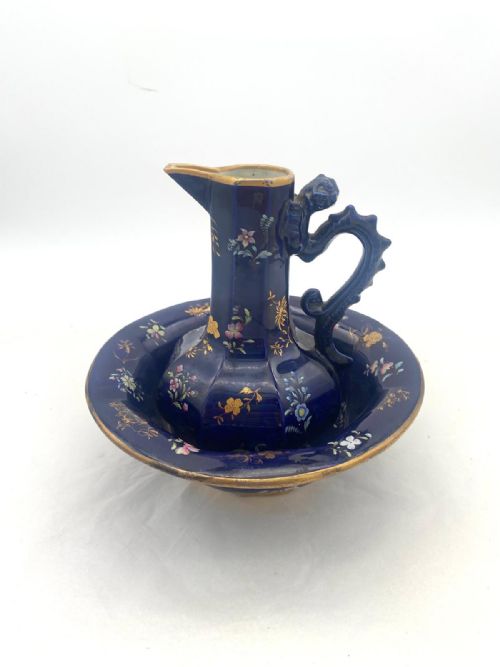
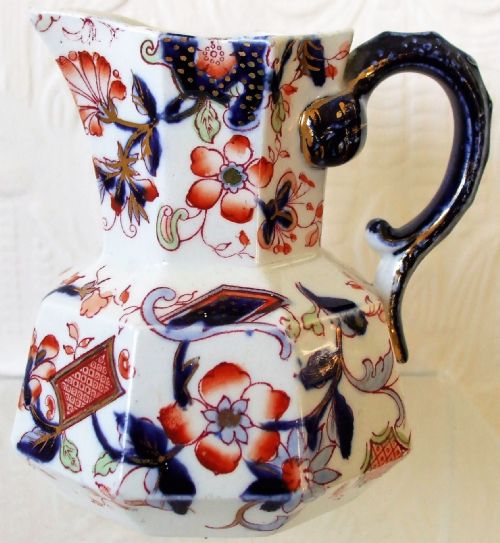
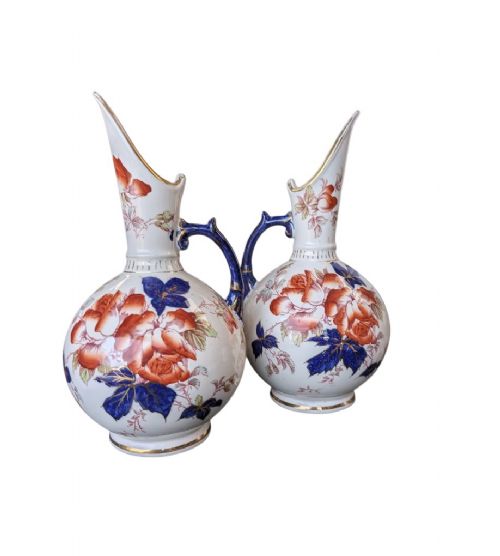
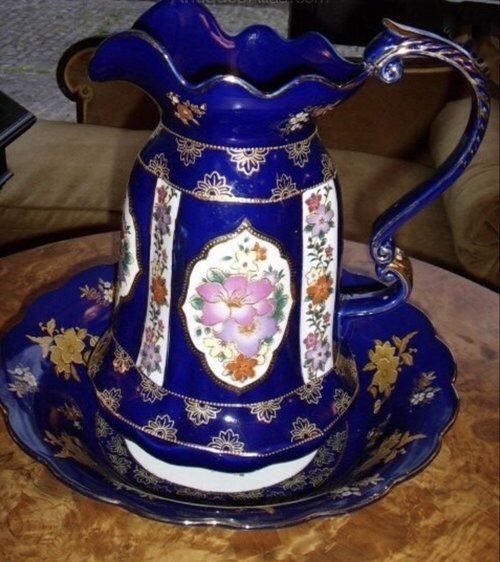
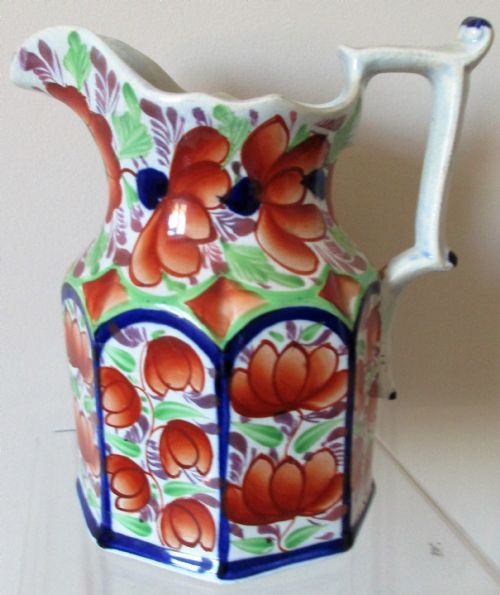
When you search for a cobalt blue porcelain jug, you encounter a variety of forms ranging from grand water pitchers and washstand sets to miniature pieces and ewers. These items span multiple eras, including Georgian, Victorian, and later twentieth-century periods.
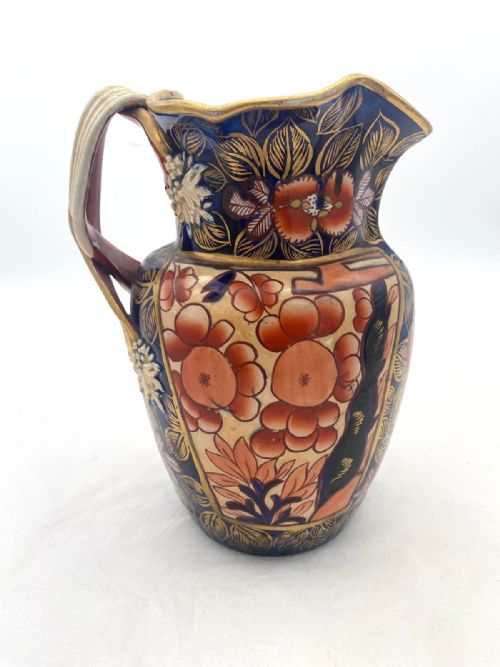
The selections on this page showcase distinct decorative approaches, featuring patterns like Chinoiserie, Japanese Imari, and traditional floral designs. You will find both English ironstone and porcelain alongside imported Asian wares.
Vessels designed for everyday utility sit alongside ornamental ewers and tea sets. Many pieces incorporate coordinated basins or form part of larger table services.
What varies in quality
The fineness of the potting and the crispness of the moulded relief details separate standard utility items from superior decorative examples. Sharpness in the execution of mask heads, handles, and faceted bodies demonstrates greater craftsmanship.
The depth and consistency of the cobalt glaze, alongside the precision of hand-painted decoration and the application of gold gilding, define the upper tier of these pieces. Well-preserved gilding and vibrant enamels indicate careful historic handling.
Listings feature items from the Georgian and Victorian eras alongside early twentieth-century pieces, incorporating both English ironstone and Japanese porcelain.
Keeling and Co.·Royal Davenport·Doulton Burslem·Coalport
The Cobalt Blue Porcelain Jug Glossary
- Ironstone
- A dense, durable type of earthenware patented in the nineteenth century to imitate Chinese porcelain. It provides a heavy, robust body suitable for large jugs and basins.
- Ewer
- A large jug with a flared spout and curved handle, traditionally used for holding water alongside a matching basin. These vessels often serve a purely decorative function in later periods.
- Gilding
- The application of gold leaf or gold powder to the surface of ceramics to highlight rims, handles, and decorative motifs. This finish adds a reflective quality to the blue and white designs.
- Imari
- A style of Japanese export ceramics characterised by a palette of cobalt blue, iron red, and gold. Makers in Europe frequently drew inspiration from these distinct aesthetic traditions.
- Hydra jug
- A ceramic vessel featuring a specific classical moulded handle shape associated with ancient Greek forms. English potteries revived this silhouette during the nineteenth century.
Cobalt Blue Porcelain Jug: Frequently Asked Questions
Were these jugs used for water?
Many larger examples served practical functions on washstands or dining tables to hold fresh water. Pitchers and ewers were standard utility items in households before modern plumbing.
Smaller decorative versions and tea sets remained in the parlour for hospitality. Functional wear inside the base often indicates historic use.
How do I date a blue jug?
Examine the base for maker marks, registration stamps, and pattern names that correlate with manufacturer records. The composition of the ceramic body, whether ironstone, earthenware, or fine porcelain, also points toward specific eras.
Stylistic clues such as Victorian Rococo revival shapes or Chinoiserie motifs help narrow down the manufacturing decade.
Can I display flowers in them?
Using sturdy nineteenth-century ironstone jugs for fresh cut flowers is common, provided the interior glaze remains intact. Inspect the vessel for hairline cracks before filling it with water.
For fragile porcelain or pieces with extensive gold leaf, use a small liner or keep them dry. Displaying them on stable surfaces prevents accidental tipping.