
Antique Ceramic Urn Vase
An antique ceramic urn vase brings classical form and hand-painted detail into a room, spanning English, European and Asian traditions from the eighteenth century onward.
Antique Ceramic Urn Vase
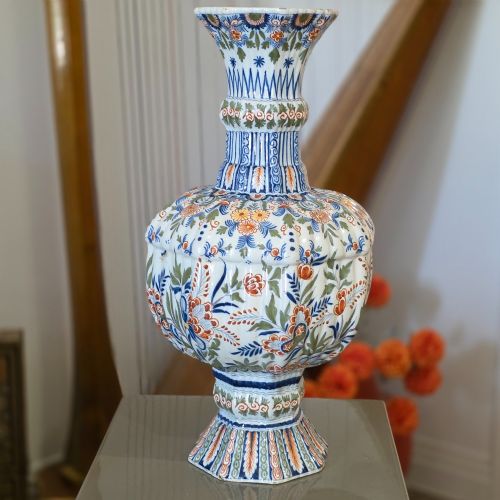
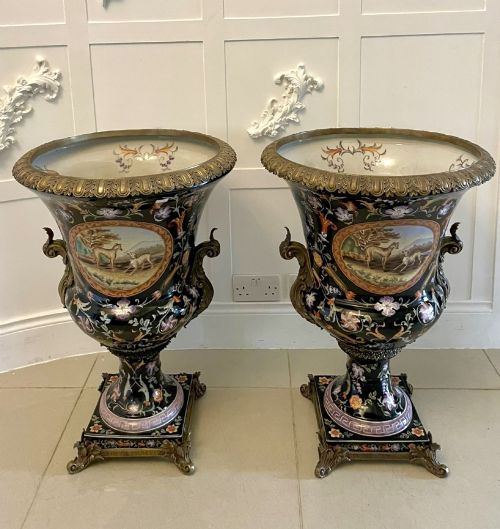
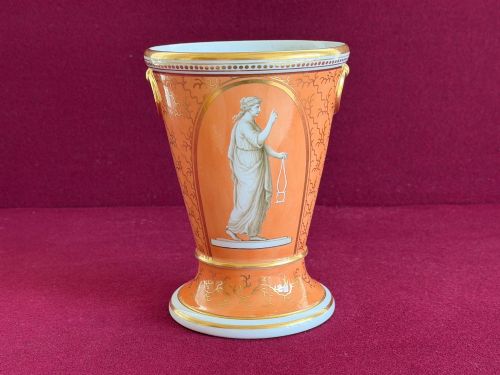
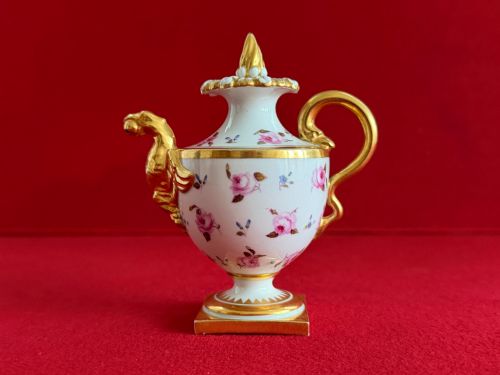
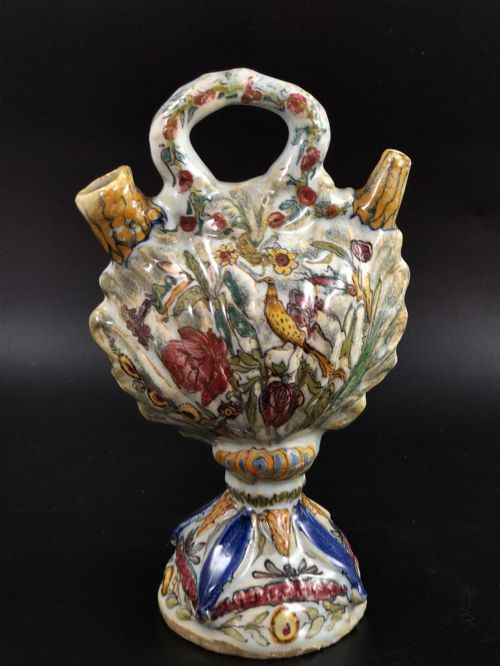
When searching for an antique ceramic urn vase, collectors encounter diverse vessels shaped for display, floral arrangement, or interior decoration. The category includes baluster urns, lidded potpourri jars, ginger jars, and twin-handled jardinières originating from English, French, Italian, Japanese, and Chinese kilns.
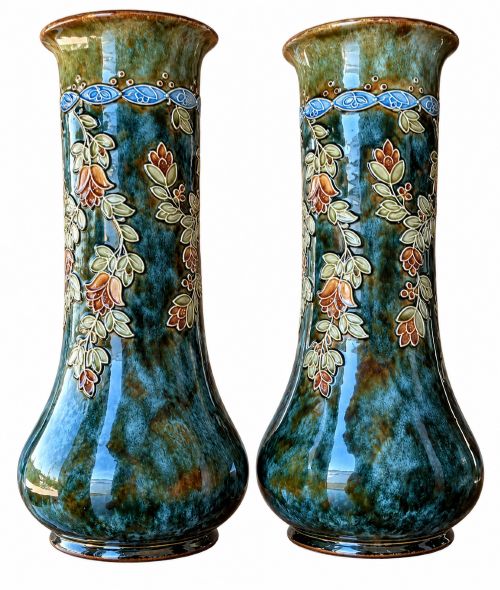
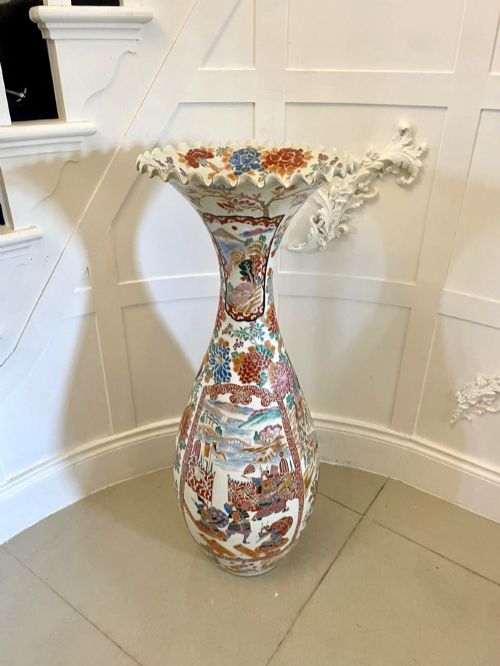
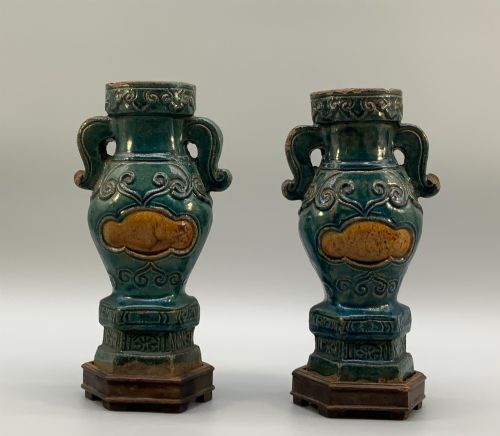
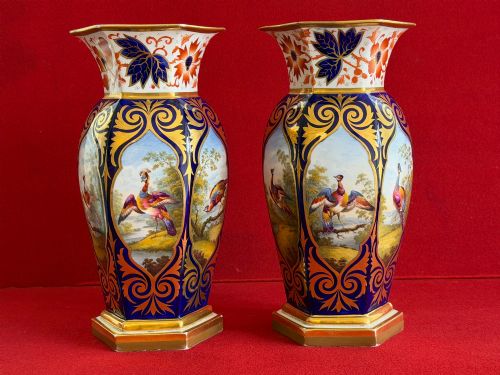
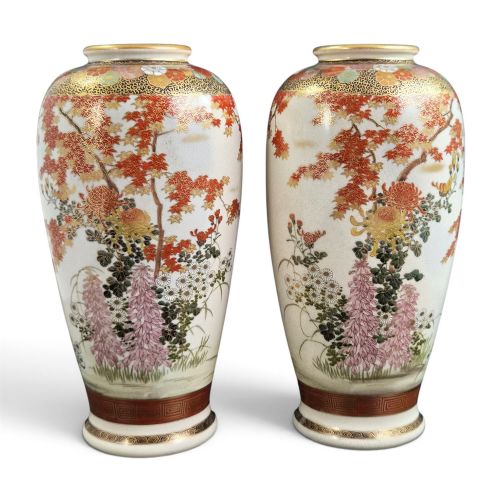
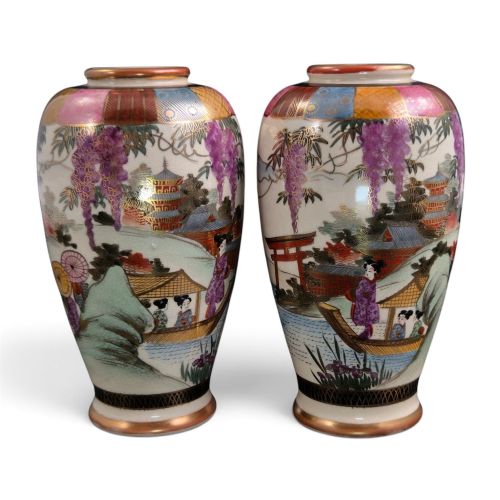
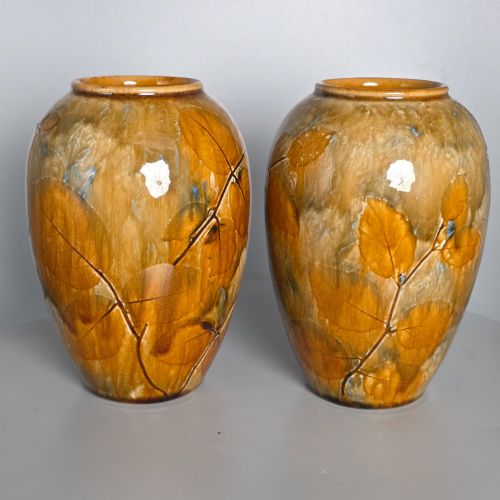
Pieces range from Regency porcelain creations and Victorian earthenware to Japanese Satsuma and Imari floor-standing examples. Many survive in matched pairs, reflecting domestic pairing traditions of the nineteenth century.
Forms vary from cabinet-sized vessels to large decorative vases and floor-standing pieces, encompassing styles from Rococo Revival and Art Nouveau to Meiji period aesthetics.
How they were made
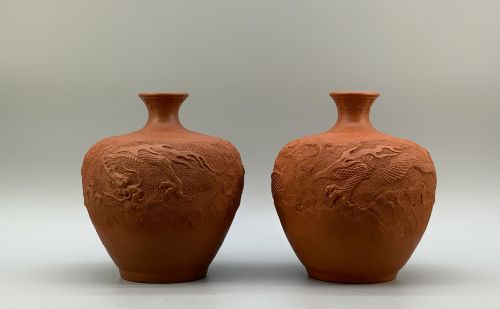
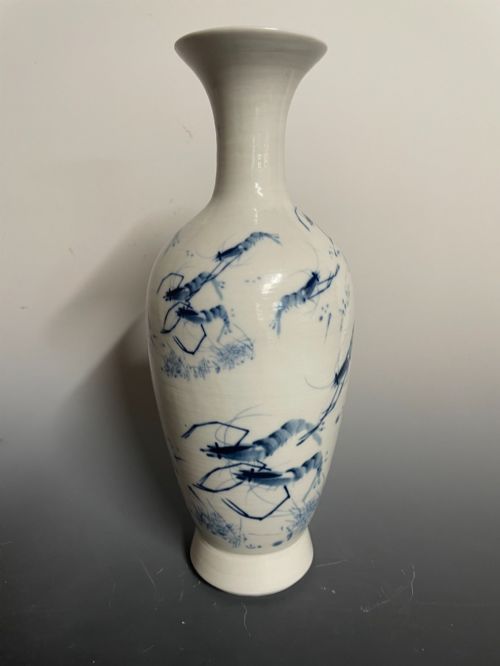
Potters shaped these vessels using earthenware, stoneware, and fine porcelain bodies, often employing red clay or terracotta as foundations for subsequent glazing and decoration. Surface finishes rely on coloured glazes, tin-enamel, and hand-painted polychrome pigments.
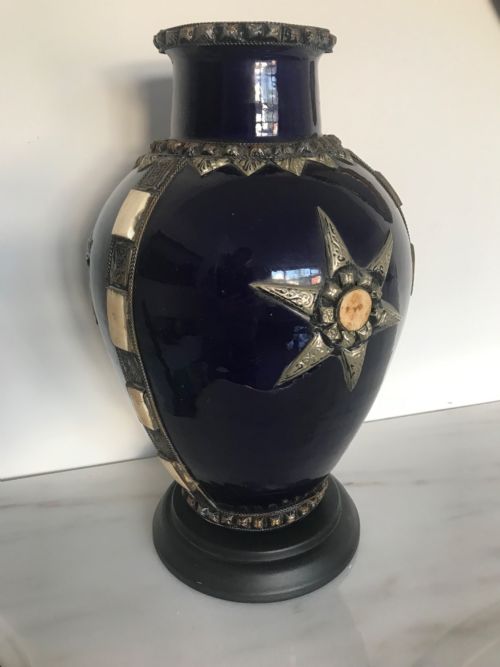
Many high-status pieces incorporate gilding, gold leaf, and cast bronze or brass mounts that frame the ceramic body. Kiln techniques from different traditions combine throwing, moulding, and intricate hand-painting with motifs ranging from floral sprays to figural scenes.
Listings feature porcelain, earthenware, stoneware, and terracotta forms spanning the Georgian, Regency, and Victorian periods.
What varies in quality
Quality in these vessels rests upon the crispness of the ceramic moulding, the control shown in the kiln firing, and the precision of the hand-painted decoration. Superior pieces display refined brushwork, even glaze distribution, and well-integrated metal mounts.
The reputation of the manufactory or ceramicist plays a significant role, with recognised works from established European porcelain houses and named Japanese ateliers commanding greater attention. Preservation of delicate details like applied gilding and matching covers also determines the standing of an individual piece.
Royal Doulton·Flight Barr And Barr·Royal Worcester·Jacob Petit·Sitzendorf
The Antique Ceramic Urn Vase Glossary
- Baluster
- A vase form characterised by a rounded body that tapers toward the base and swells near the lower portion. This classic silhouette provides stability and generous surface area for decoration.
- Jardiniere
- A large decorative pot or stand designed to hold growing plants or floral arrangements. They frequently feature twin handles and matching saucers or bases.
- Majolica
- A type of earthenware coated with an opaque tin glaze and painted with coloured metal oxides. The technique produces vibrant hues and smooth surfaces across Italian and European wares.
- Satsuma
- Japanese earthenware pottery characterised by a fine crackle glaze decorated with polychrome enamels and gilt. These pieces often depict traditional figures, landscapes, and floral motifs.
- Imari
- A style of Japanese porcelain decorated in underglaze blue, iron red, and gold. This distinct palette originated in Arita and was widely exported to Europe.
Antique Ceramic Urn Vase: Frequently Asked Questions
How do I care for antique ceramic vases?
Maintenance requires gentle dusting with a soft, dry brush to protect fragile enamel surfaces, hand-painted details, and delicate gilt highlights. Water should be kept away from pieces with porous earthenware bodies or applied metal mounts.
Placement away from direct sunlight prevents the fading of polychrome pigments and protects historical glazes from thermal stress over time.
How can I tell Japanese Satsuma from European copies?
Japanese Satsuma ware typically exhibits a characteristic cream-coloured earthenware body covered in a fine, uniform network of glaze crackles. The decoration relies heavily on dense hand-painted enamels and raised gold leaf depicting traditional scenes.
European factories like those in France and England produced imitations, but their ceramic bodies often feel heavier, denser, and lack the specific porous earthenware characteristic of genuine Meiji period pieces.
Were these vessels meant for flowers?
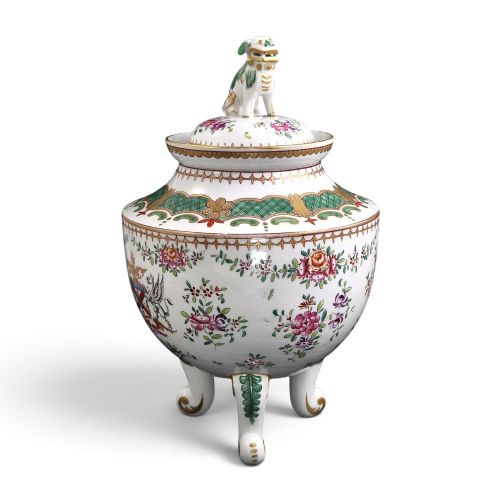
Many smaller forms served as decorative cabinet pieces, potpourri containers, or decorative mantel garnitures rather than functional vases for holding water. Lidded examples, such as ginger jars and potpourri pots, were designed to diffuse scents or store dry goods.
Larger floor-standing jars and jardinières were utilised for substantial floral displays or ornamental foliage within nineteenth-century reception rooms.