



Cobalt Blue Gilt Pitcher
A cobalt blue gilt pitcher brings rich cobalt tones and metallic gilding to a room, offering both decorative presence and historic craftsmanship.
Cobalt Blue Gilt Pitcher
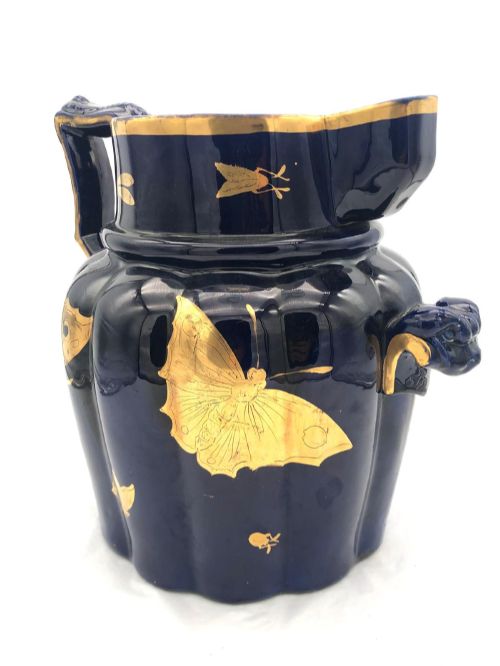
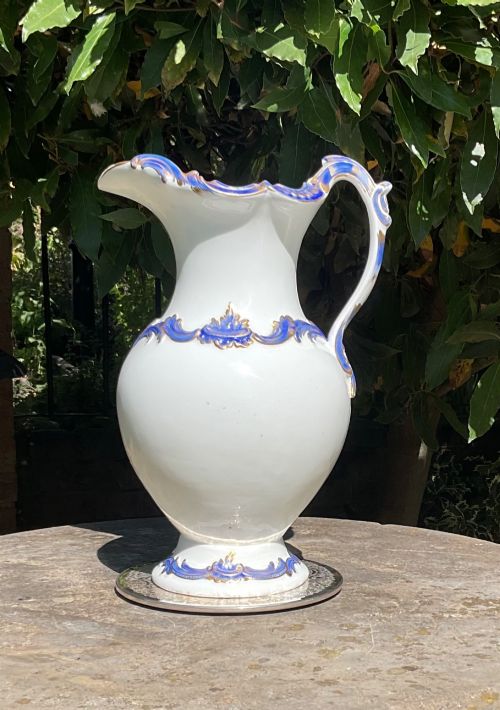
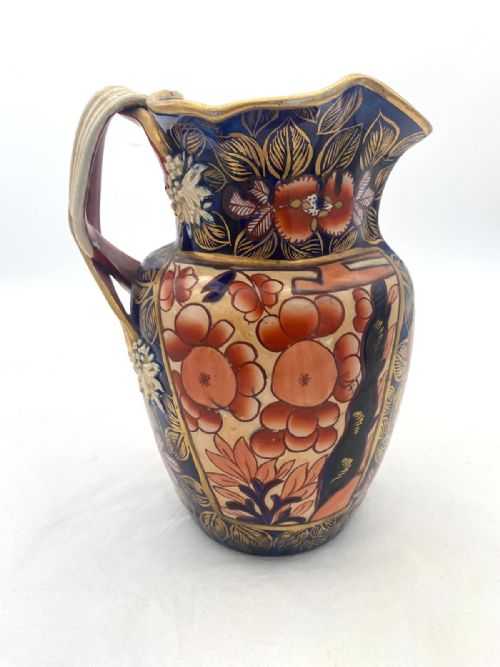
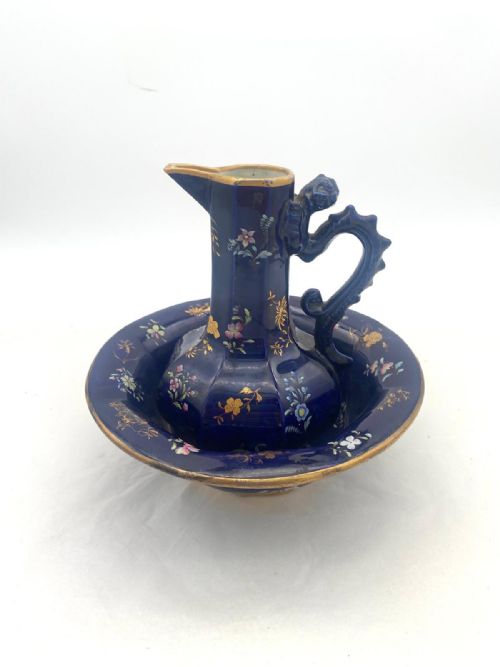
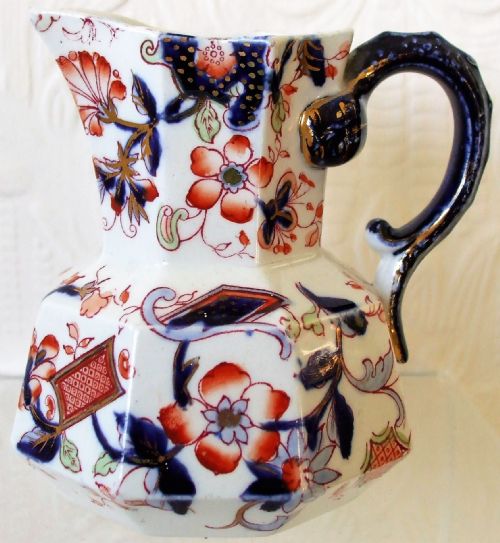
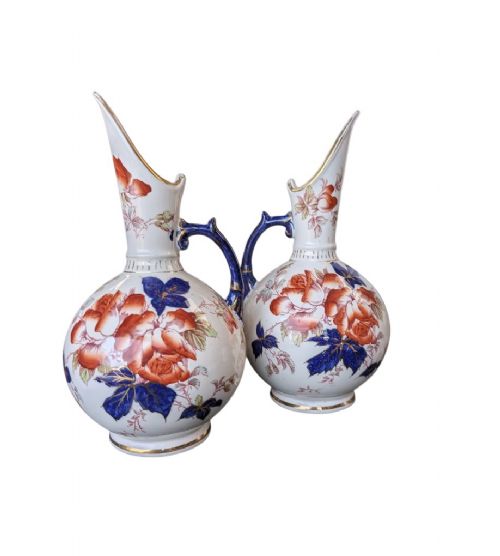
When you search for a cobalt blue gilt pitcher, you encounter pieces that combine deep blue glazes or glass with applied gold highlights. These objects take forms such as water jugs, ewers, and ornamental pitcher and basin sets spanning the nineteenth century.
The selections on this page showcase items ranging from Mason's ironstone and porcelain to blue glass and glazed ceramic. Originating primarily from Victorian and nineteenth-century workshops, these vessels often display distinct styles including Japanese Imari, Chinoiserie, and Victorian Rococo Revival.
You will find variations from footbath jugs and schoolhouse patterns to Hydra jugs and decorative lamps. Each piece reflects the functional and ornamental pottery trends of its specific period.
Materials and construction methods
Potters shaped these vessels using durable ironstone, fine porcelain, and moulded glass, applying rich cobalt blue grounds to the body. Artisans then hand-painted or transferred patterns before adding metallic embellishments.
Gold leaf, gold gilding, and enamel were meticulously applied across the surface to accentuate handles, rims, and pictorial panels. Many items underwent high-temperature kiln firing to fuse the cobalt pigments and secure the metallic lustre.
Cobalt Blue Gilt Pitcher Retail Price Guide 2026
Typical asking prices for cobalt blue gilt pitcher among the pieces listed under this phrase on Sellingantiques today, from the lower quarter to the upper quarter. They describe what is for sale here now, not the wider market.
Listings feature items spanning the 19th century, incorporating materials like ironstone, porcelain, blue glass, and gold leaf.
Assessing quality and craftsmanship
The distinction between average and exceptional pieces rests upon the crispness of the moulding and the depth of the cobalt ground. Superior examples display precise hand-applied gilding that remains intact without excessive rubbing or fading.
Makers known for rigorous body composition, such as Mason's or Doulton Burslem, achieved greater structural weight and refined surface finishes. The complexity of the design, whether featuring grotesque handles or intricate Chinoiserie motifs, also elevates the standing of a vessel.
Keeling and Company·Doulton Burslem·Coalport
The Cobalt Blue Gilt Pitcher Glossary
- Cobalt blue
- A deep, vibrant blue pigment derived from cobalt oxide, used extensively in ceramic glazes and glassmaking. It creates an intense backdrop that holds its colour under high kiln temperatures.
- Gilt
- A thin layer of gold or gold-coloured material applied to the surface of porcelain, ironstone, or glass. This embellishment highlights raised details, handles, and borders.
- Ironstone
- A type of durable, heavy earthenware patented in the nineteenth century. It provides a robust body that resists chipping while supporting intricate blue and gold decoration.
- Ewer
- A large pitcher with a flared spout and an ornate handle, historically used for pouring water. In decorative contexts, it functions as a sculptural display piece.
- Chinoiserie
- A decorative style reflecting European artistic interpretations of Chinese and East Asian motifs. It frequently appears on nineteenth-century ceramics alongside cobalt grounds.
Cobalt Blue Gilt Pitcher: Frequently Asked Questions
How were these pitchers used originally?
Many of these vessels served practical roles in bedchambers as water jugs paired with matching basins for washing. Larger examples functioned as footbath jugs or table service pitchers.
Over time, many transitioned into purely ornamental objects displayed on mantelpieces, sideboards, or adapted as decorative lamp bases. Their striking appearance made them central decorative elements in period interiors.
How do I care for a gilt pitcher?
Careful handling is essential due to the fragile nature of historic gilding and enamel work. Dusting with a soft, dry cloth prevents the accumulation of grime without risking the metallic surface.
Avoid using chemical cleaners, abrasive sponges, or immersion in water, as these can wear away the gold leaf and degrade the glaze. Displaying them away from direct sunlight helps preserve the intensity of the cobalt pigment.
How can I tell the period of a jug?
Dating relies on examining the material composition, maker's marks, and stylistic indicators present on the base or body. Ironstone pieces from the early nineteenth century often feature heavy bodies and specific transfer-printed or hand-painted patterns.
Victorian pieces frequently display bolder relief moulding, such as Hydra shapes or grotesque handles, alongside factory marks that correspond to nineteenth-century production records.