



French Country Terracotta Pot
These French country terracotta pot examples are heavy earthen vessels shaped for agricultural utility and prized for rustic interior styling.
French Country Terracotta Pot
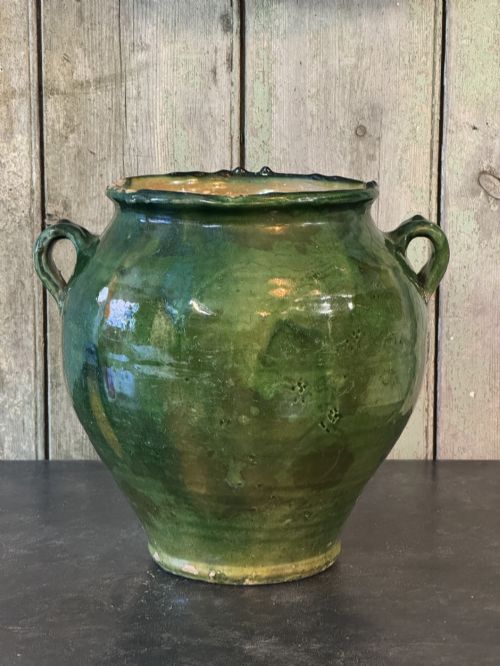
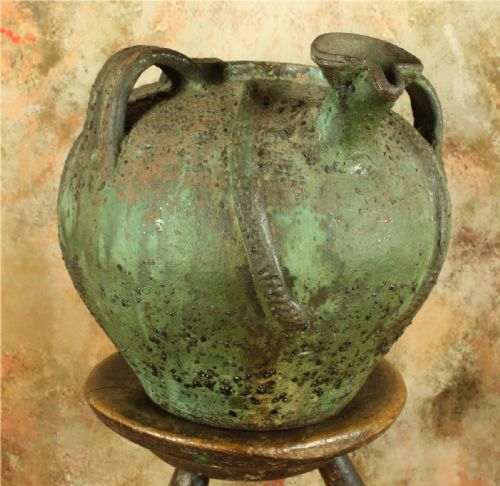
A french country terracotta pot is a utilitarian vessel forged from fired clay and earthenware, originating from rural regions of France for domestic and agricultural tasks. These objects range from large olive oil jugs and confit jars to garden planters and glazed bowls designed for heavy daily use.
Confit pots and walnut oil jugs dominate the forms, reflecting their historic role in preserving food and storing provisions in provincial farmhouses. Most pieces date from the nineteenth and eighteenth centuries, though mid-twentieth-century examples also appear with distinctive regional glazes.
The aesthetic relies on honest craftsmanship, earthy textures, and functional shapes that suit modern farmhouse and rustic interiors. Buyers encounter both unglazed garden pots and partially glazed vessels featuring rich, earthy tones applied by hand.
How They Were Made
Potters shaped local clay by hand or on simple wheels, forming thick walls capable of withstanding the rigours of agricultural life. Firing took place in traditional kilns, producing durable earthenware with natural colour variations determined by the mineral content of the clay.
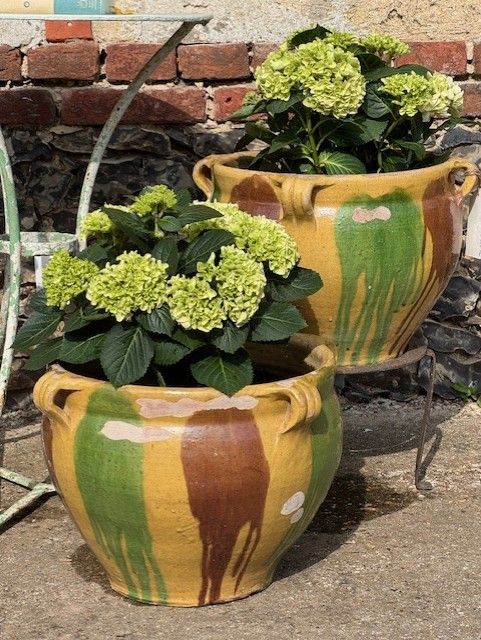
Many pots received lead or alkaline glazes, often applied partially or allowed to run down the sides in a dribble glaze effect. This impermeable coating protected the porous terracotta and helped contain liquids such as oil, fat, and preserves.
French Country Terracotta Pot Retail Price Guide 2026
Typical asking prices for french country terracotta pot among the pieces listed under this phrase on Sellingantiques today, from the lower quarter to the upper quarter. They describe what is for sale here now, not the wider market.
Listings feature pieces spanning the 18th, 19th, and 20th centuries, executed in terracotta, earthenware, and clay.
What Varies in Quality
Quality rests in the character of the clay body and the intentionality of the form, where well-proportioned handles and balanced potting distinguish superior vessels. Simple utility pieces achieve distinction through pleasing asymmetries and the honest wear of daily work.
The appeal of the surface finish also dictates value, particularly the depth of the glaze and how gracefully the drips have settled over the terracotta body. Pieces with rich patination and untouched surfaces command greater interest from collectors.
The French Country Terracotta Pot Glossary
- Terracotta
- A porous, brownish-red earthenware clay that is fired at relatively low temperatures. This foundational material forms the body of most rustic French vessels.
- Confit Pot
- A specialised jar traditionally used in southwest France for preserving meat such as duck or goose in its own fat. These pots typically feature one or two side handles and partial glazing.
- Dribble Glaze
- A fluid glazing technique where liquid glass runs freely down the exterior of the pot during firing. This creates accidental drips and pooling effects that define the visual texture.
- Earthenware
- Pottery fired below the vitrification threshold, remaining porous unless glazed. It represents the primary ceramic medium for traditional French provincial wares.
- Amphora
- A tall ancient vessel shape featuring two handles and a narrow neck, adapted in later centuries for decorative garden use. These forms emphasise classical proportions translated into utilitarian clay.
French Country Terracotta Pot: Frequently Asked Questions
What were french country terracotta pots used for?
These vessels served essential storage functions in rural French homes, holding cooking oils, preserving meats, and containing water or grain. Their thick earthen walls kept contents cool and secure.
Over time, many of these utilitarian containers transitioned into decorative garden planters and interior statement pieces for displaying dried branches or standing alone.
How old are these terracotta pots typically?
The available selection primarily spans the nineteenth and eighteenth centuries, reflecting an era before mass-produced metal and glass containers replaced earthenware.
Earlier examples from the eighteenth century often feature hand-thrown irregularities and multiple handles, while nineteenth-century versions show more standardised regional workshop practices.
How do I style a confit pot at home?
Confit pots look striking placed on kitchen floors, wooden tables, or open shelving to introduce warmth and historical texture to a room. Their earthy glazes complement both neutral stone and rich timber finishes.
Because of their weight and volume, larger vessels work well empty as sculptural floor pieces or filled with simple botanical arrangements.
How do I care for antique earthenware?
Dust these pots gently with a dry cloth and avoid harsh chemical cleaners that might strip the historic surface patina. If used for plants, place a liner inside to protect the porous interior clay from moisture damage.
Keep them away from freezing outdoor temperatures if they contain residual moisture, as the expanding water can crack the historic earthenware body.