




Decorative Ceramic Milk Jug
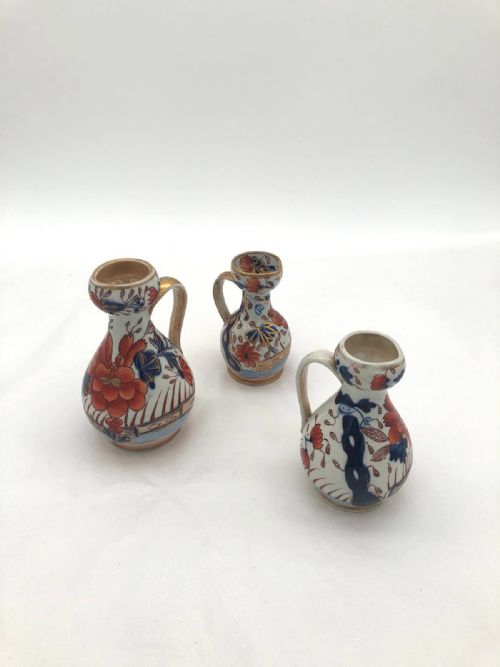
These decorative ceramic milk jug examples bring colour and character to a table, spanning periods from Georgian pearlware to 1920s Royal Worcester.
Decorative Ceramic Milk Jug
A decorative ceramic milk jug serves both domestic and display purposes, taking forms such as pitchers, ewers, and pouch jugs. When you search for a decorative ceramic milk jug, you encounter pieces designed to hold cream or milk for the table while showcasing notable surface ornamentation.
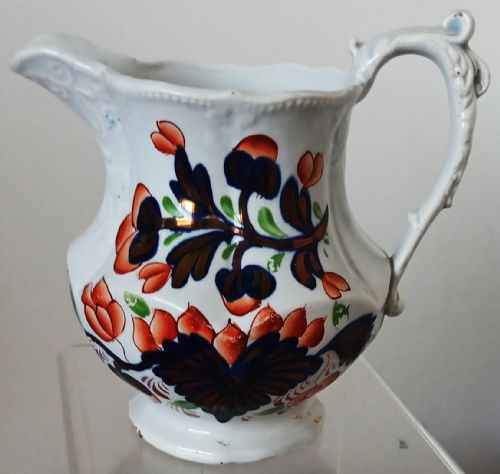
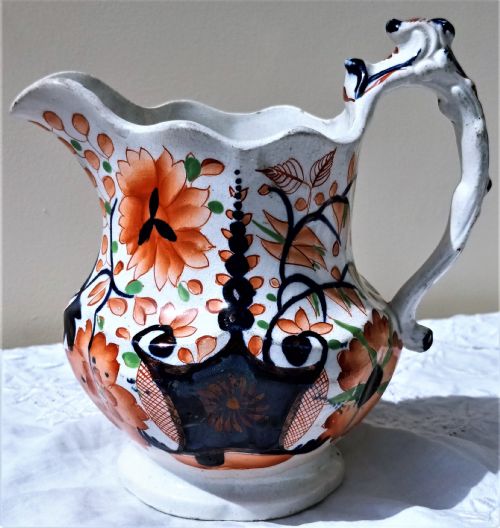
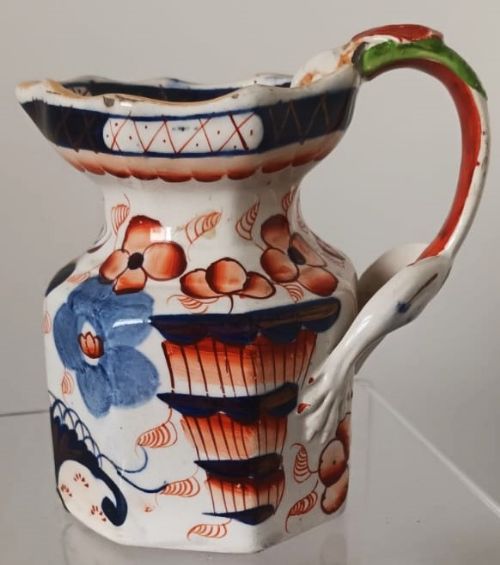
The selections on this page span several distinct eras, including Georgian, Regency, and Victorian periods. You will frequently meet Gaudy Welsh pottery jugs featuring patterns like Pagoda and Grape, alongside robust ironstone bodies.
The diversity of styles includes Rococo Revival shapes and English fine porcelain. Makers range from Mason's and Keeling & Co. to Royal Worcester, offering a broad spectrum of historical ceramics.
How they were made
Potters utilised earthenware, pearlware, ironstone, and porcelain as foundational bodies, shaping them into jugs and pitchers. Glazes sealed these ceramic bases before artists applied decorative schemes.
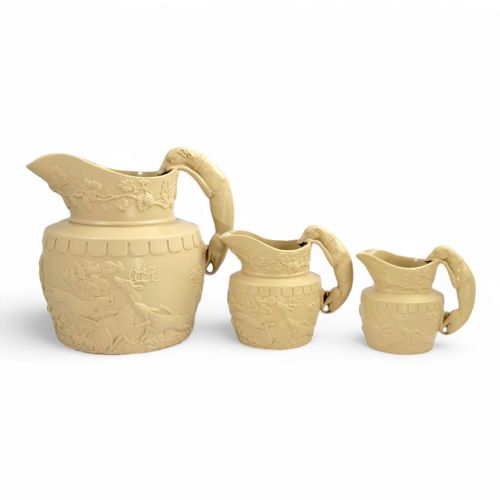
Decoration relied on hand-painted enamel colours, copper lustre, and transfer printing, often enhanced with gilding. Particular forms, such as hound handles on yellow ware pitchers, required specialised moulding techniques.
Several jugs come equipped with enthusiastic hound handles, proving that nineteenth-century breakfast tables took their hunting imagery very seriously indeed.
What varies in quality
The standard of painting and transfer decoration differs visibly across pieces, distinguishing simple utilitarian wares from finely articulated cabinet items. Crispness in moulded details, such as the relief work on hydra jugs or figural handles, indicates superior craftsmanship.
The application of gilding and enamel stability also separates standard production items from more ambitious works. Preservation of original hand-painted colours and lustres heavily influences the overall integrity of a piece.
Mason's·Keeling & Co.·Phillips & Bagster·Royal Worcester
The Decorative Ceramic Milk Jug Glossary
- Pearlware
- A fine earthenware developed in the late eighteenth century featuring a subtle bluish glaze that pooled in crevices. It provided a smoother white surface for transfer printing and painting than standard creamware.
- Ironstone
- A dense, durable type of heavy earthenware patented in the nineteenth century. It combined the strength of stoneware with the refined appearance of porcelain.
- Lustre
- A metallic glaze technique that produces a reflective, iridescent sheen on ceramics. Copper and purple varieties appear frequently on nineteenth-century pottery jugs.
- Hydra jug
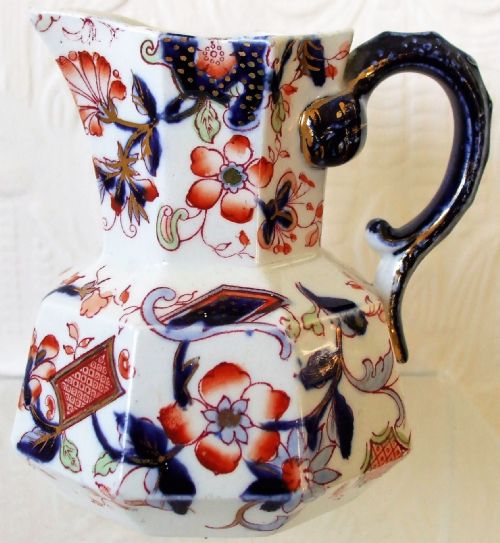
- A specific vessel form characterised by a flared rim, moulded handle, and bulbous body, popular in nineteenth-century English porcelain and ironstone.
- Gaudy Welsh
- A distinctive style of brightly coloured pottery decorated with cobalt blue, iron red, pink lustre, and green. It was produced in Staffordshire and Wales for domestic markets.
Decorative Ceramic Milk Jug: Frequently Asked Questions
What is a decorative ceramic milk jug used for?
These vessels served to hold and pour milk or cream during formal tea and breakfast services. Beyond practical dining duties, their vibrant patterns and sculptural forms made them suitable for display on sideboards and in cabinets.
Over time, collectors shifted their focus from daily utility to preserving these pieces for their historical design and manufacturing techniques.
How do I identify a Georgian jug?
Georgian pieces, including pearlware and early lustre examples, typically exhibit refined potting techniques and specific glaze characteristics like the bluish pooling found on pearlware. They often feature hand-painted floral or transfer-printed decoration appropriate to the late eighteenth and early nineteenth centuries.
Consulting the shape, handle form, and baseline characteristics helps distinguish these earlier vessels from later Victorian productions.
How should I clean my antique jug?
Wash ceramic jugs gently by hand using lukewarm water and a mild soap. Avoid soaking pieces with delicate overglaze gilding or painted enamels, as moisture can compromise the historical surface.
Dry the vessel thoroughly with a soft cloth to protect the glaze and any metallic lustre details from unnecessary wear.
What distinguishes ironstone from porcelain?
Ironstone is a heavy, opaque, and highly durable vitreous earthenware designed to withstand robust daily use. Porcelain is finer, more translucent, and rings when tapped gently.
Makers often utilised ironstone for larger, sturdier pitchers, while porcelain was reserved for more delicate table services and cabinet pieces.