





Copper Lustre Jug
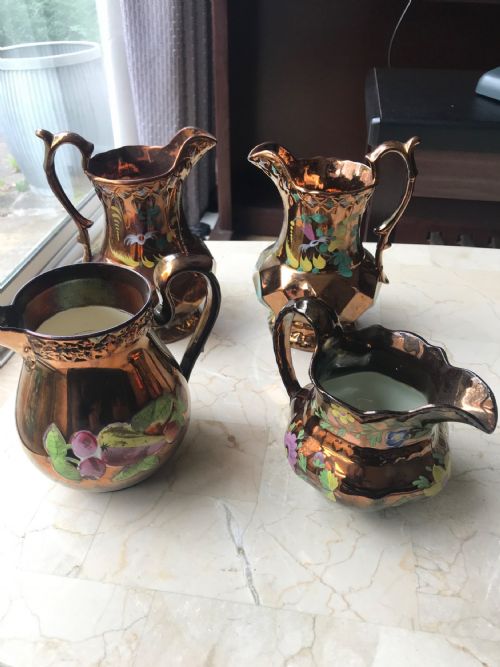
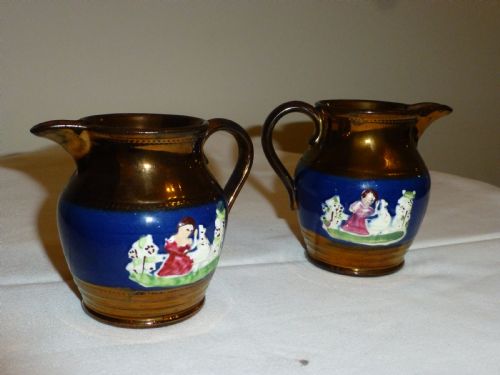
These copper lustre jug examples bring rich metallic warmth to a room, catching the light with their distinct reflective glazes.
Copper Lustre Jug
A copper lustre jug is a ceramic vessel coated in a metallic glaze that creates a coppery, reflective sheen. Buyers searching this phrase look for pieces dating from the Georgian and Victorian eras, often featuring hand-decorated details.
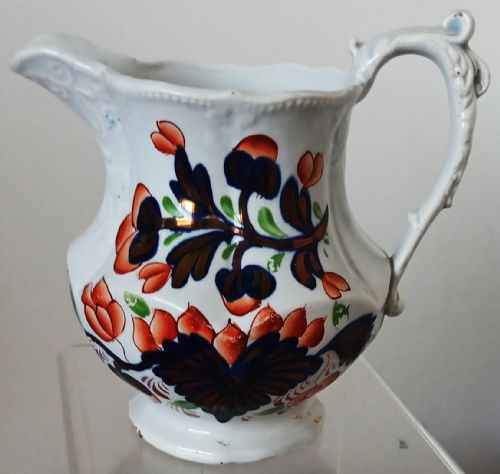
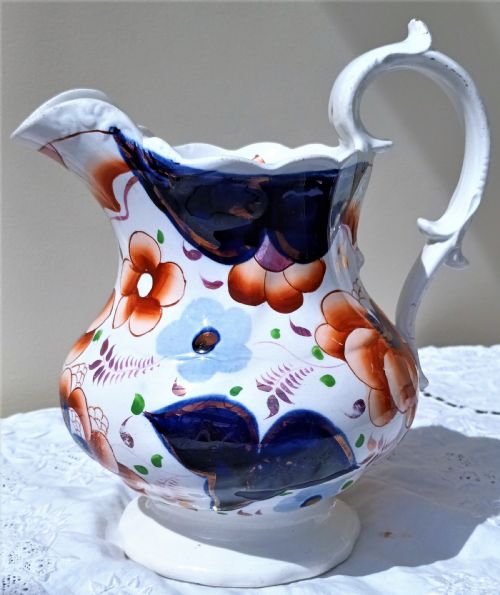
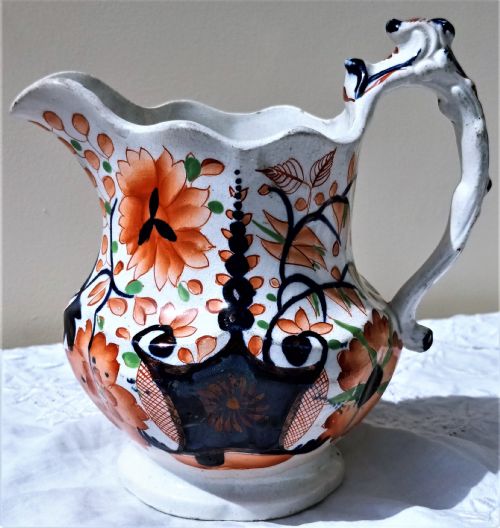
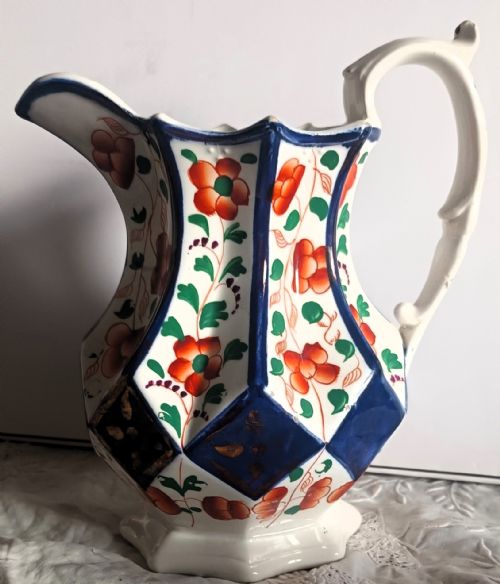
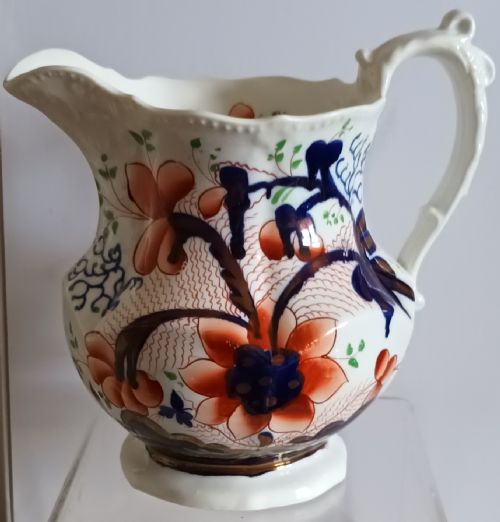
The pieces on this page typically take the form of milk jugs, cream jugs, or larger pitchers. Staffordshire factories produced many of these examples, alongside Gaudy Welsh pottery and ironstone pieces bearing patterns like Grape, Pagoda, and Harlech.
Makers such as Livesley Powell & Co contributed to this tradition, producing botanical ironstone pieces that sit alongside unmarked Staffordshire relief-moulded designs. These vessels range from small cream jugs to graduated sets of three.
Materials and construction
Potters shaped these vessels from earthenware, ironstone, or pottery bodies before applying slips and glazes. The characteristic metallic finish relies on a copper lustre glaze applied over the ceramic base.
Hand decoration often adds contrasting bands of enamel colour or applied relief panels to the surface. Staffordshire pieces frequently combine moulded fruit motifs with painted details across the body of the jug.
Listings feature earthenware, ironstone, and glazed ceramic bodies decorated with copper lustre glaze, enamel colours, and relief panels.
Assessing quality and finish
The brilliance and evenness of the copper lustre glaze distinguish finer examples from simpler production. Superior pieces display a deep, reflective metallic coating that covers the ceramic body without dull patches.
Hand-painted elements and applied relief panels reveal the hand of the decorator, with crisp moulding and careful enamel work raising the standing of individual pieces.
Livesley Powell & Co
The Copper Lustre Jug Glossary
- Copper Lustre
- A metallic ceramic glaze containing copper compounds that fire to create a reflective, coppery surface sheen. This finish defines the primary aesthetic of the ware.
- Earthenware
- Porous pottery fired at lower temperatures, commonly used as the base body for nineteenth-century lustre pieces. It requires a glaze to become impermeable.
- Ironstone
- A durable, dense type of heavy pottery patented in the nineteenth century. It provides a robust alternative to standard earthenware.
- Relief Panel
- A raised decorative motif moulded directly into the ceramic body of the vessel. These panels often depict fruit, figures, or architectural scenes.
- Gaudy Welsh
- A style of colourful pottery featuring cobalt blue, copper lustre, and iron-red enamel highlights. It was produced extensively in the nineteenth century.
Copper Lustre Jug: Frequently Asked Questions
How do I date a copper lustre jug?
Dating relies on stylistic clues, ceramic bodies, and manufacturing methods. Georgian examples often feature simpler, robust proportions, whilst Victorian pieces frequently incorporate relief panels or transfer-printed botanical patterns.
Makers' marks, where present, help narrow the date range. Unmarked Staffordshire pieces require comparison with dated archive examples to determine their exact period of manufacture.
Were these jugs used for serving milk?
These vessels served functional roles on nineteenth-century tables as milk jugs, cream jugs, or water pitchers. Their reflective metallic surfaces made them decorative display items as well as practical tableware.
Today, collectors use them primarily for display, taking advantage of their reflective glazes to catch the light on open shelves or mantelpieces.
What is the difference between Staffordshire and Gaudy Welsh pieces?
Staffordshire jugs often feature moulded relief panels, hand-painted fruit motifs, or plain metallic lustre finishes. They represent the mainstream production of nineteenth-century English potteries.
Gaudy Welsh pottery combines copper lustre with vibrant cobalt blue and iron-red geometric or floral patterns like Pagoda and Harlech. These pieces reflect specific regional design traditions associated with Wales.
How should I display copper lustre jugs at home?
Group pieces together on a well-lit shelf to showcase the reflective qualities of the metallic glazes. Graduated sets or pairs look particularly striking when arranged by size and form.
Keep them away from direct, harsh sunlight and clean them gently with a soft, dry cloth to protect the delicate enamel and lustre surfaces.