

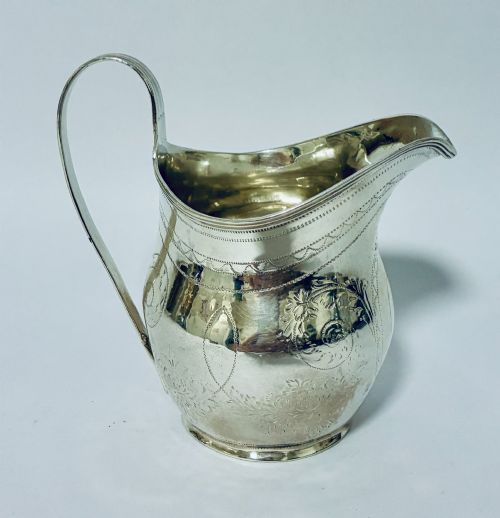
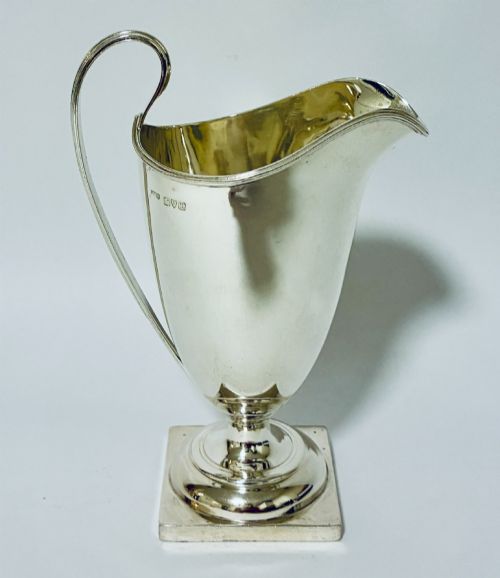
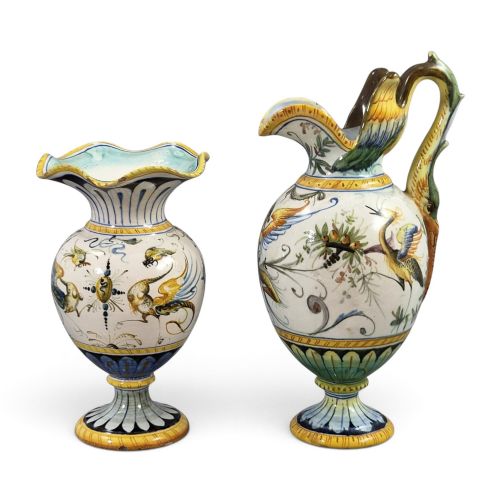
Antique Cream Pitcher
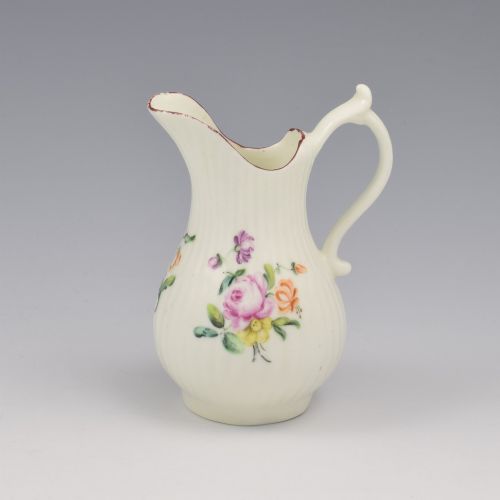
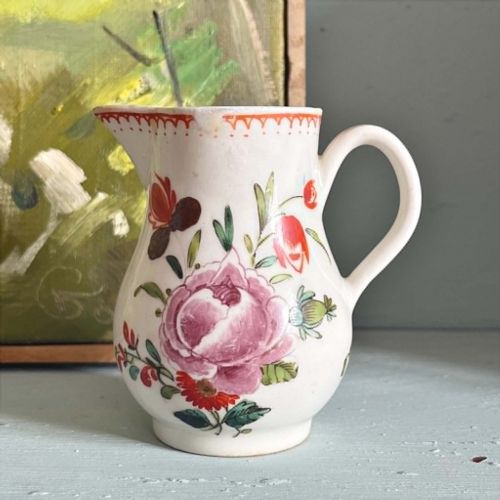
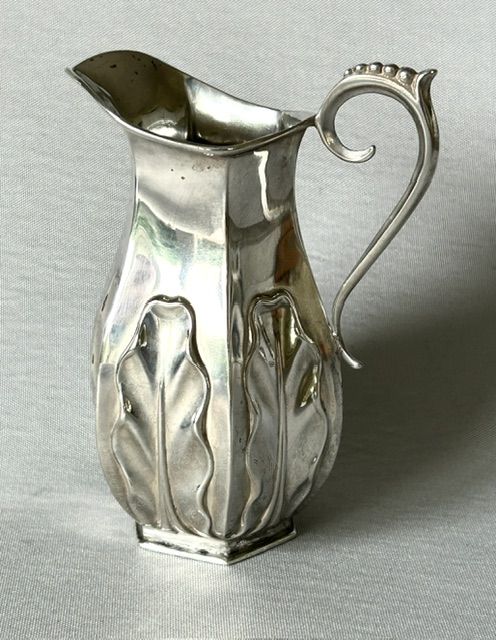
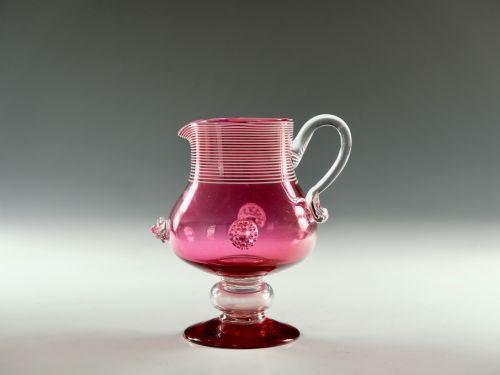
These antique cream pitcher examples bring genuine Regency, Victorian and nineteenth-century character to the table.
What these pieces are
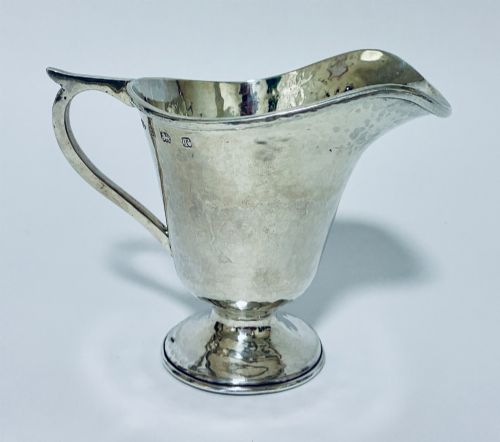
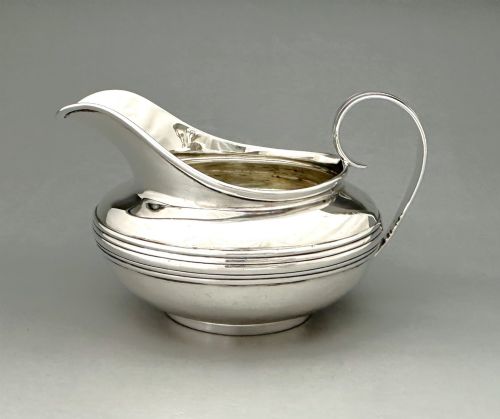
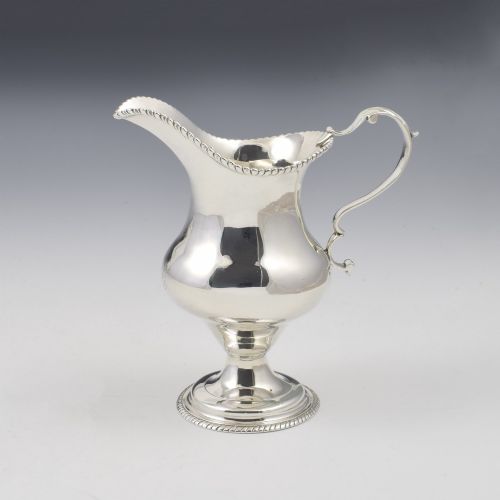
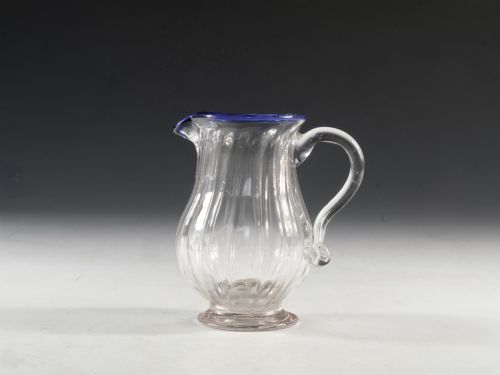
An antique cream pitcher serves as a small pouring vessel designed for milk or cream during tea service. The selections encountered here range across the nineteenth century, including Regency and Victorian eras.
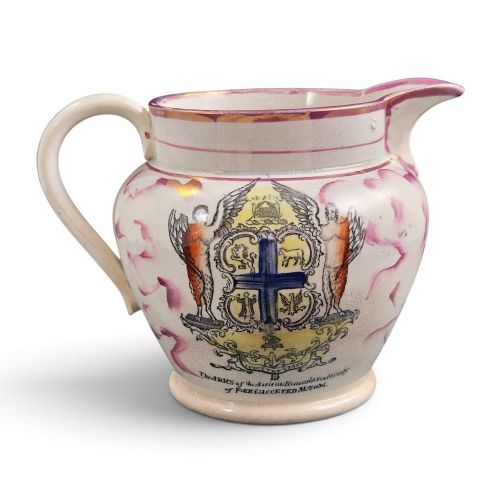
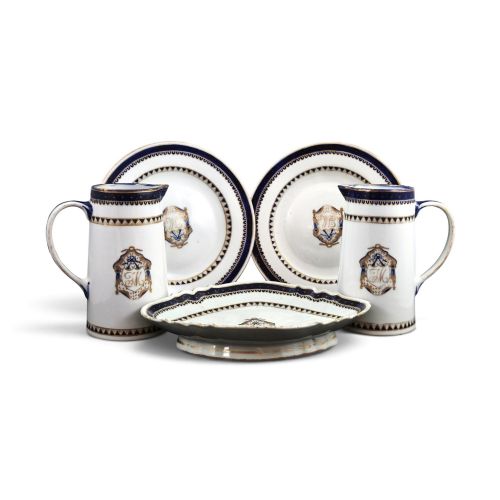
Forms span from utilitarian earthenware and pearlware jugs to finely painted porcelain tea service components and whimsical animal figures. Examples include Prattware cow creamers, Staffordshire copper lustre wares, and Old Paris porcelain.
Makers and regional styles draw from English folk art traditions, French Rococo revival aesthetics, and German porcelain centres like Meissen. These vessels functioned historically as practical table wares but survive primarily as decorative collectables.
How they were made
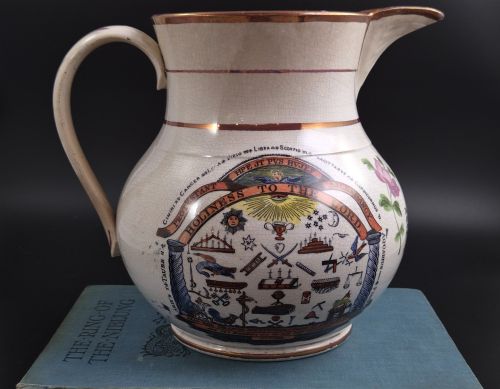
Potters shaped these vessels using hard-paste porcelain, earthenware, creamware, and pearlware, often finishing surfaces with a ceramic glaze. Decoration frequently involved handpainted birds and insects, copper lustre glaze applications, and touches of gold leaf.
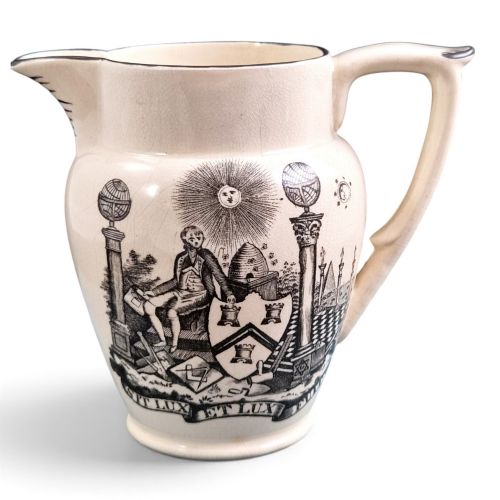
Specialised regional techniques included the moulded animal forms seen in Prattware cow creamers and Majolica glazed rustic pig jugs. Printers and painters applied detailed enamels and transfer prints onto bodies like those found in Shakespeare Garrick creamware pottery.
Retail Price Guide 2026
Typical UK retail prices for cream pitcher, calculated from the Sellingantiques database of over a million retail prices indexed since 2003. This retail price guide relies exclusively on Sellingantiques data; no external sources or auction records are used, so the figures do not describe the wider market.
Materials documented across the inventory include copper lustre glaze, enamel, gold leaf, and ceramic glaze applied to tea services and figural jugs.
What varies in quality
Distinctions in quality rest upon the crispness of modelling in figural pieces, such as cow and pig jugs, compared against simpler thrown vessels. Handpainted detail on porcelain, including precise botanical or avian brushwork, separates standard factory output from finer artistic execution.
The sophistication of the glaze and decoration also dictates the tier of a piece. Lustre finishes, meticulous enamelling, and intact gold leaf detailing elevate the status of nineteenth-century earthenware and hard-paste porcelain.
The Antique Cream Pitcher Glossary
- Creamware
- A fine earthenware with a pale yellowish straw-coloured lead glaze, developed in Staffordshire during the eighteenth century. It became the dominant domestic ceramic body before porcelain took precedence.
- Pearlware
- An refined earthenware introduced by Josiah Wedgwood around 1779 featuring a bluish glaze that made the underlying body appear whiter. It served as a common base for transfer-printed and painted table wares.
- Prattware
- Earthenware characterised by underglaze ceramic colours, typically blue, ochre, brown, and green, applied beneath a transparent lead glaze. The technique frequently appears on figural jugs and commemorative plates.
- Copper lustre
- A metallic glaze technique producing a reflective, coppery sheen across the surface of earthenware ceramics. It gained immense popularity in nineteenth-century Staffordshire potteries.
- Hard-paste porcelain
- A true ceramic paste composed of kaolin and petuntse fired at high temperatures to produce a dense, vitrified body. Continental factories like Meissen utilised this durable material for tea services.
Frequently Asked Questions
What is a cow creamer?
A cow creamer is a ceramic or silver milk jug moulded in the shape of a cow, designed to be filled through an opening on the back. The user pours the cream out through the animal's mouth.
These whimsical vessels gained popularity during the Georgian and Regency periods, particularly within English folk art traditions. They served as both functional tea table novelties and decorative conversation pieces.
How do I date an old cream jug?
Dating relies on examining the ceramic body, glaze characteristics, and stylistic markers such as Regency or Victorian moulding. Transfer-printed marks or impressed potters' ciphers on the base provide further chronological clues.
Comparing the manufacturing technique against known historical periods helps narrow down the decade of production. Porcelain bodies from Meissen or Old Paris often carry distinct factory signatures.
What is copper lustre glaze?
Copper lustre glaze involves applying a metallic salt solution over an earthenware body before firing, creating a mirror-like finish. This technique reflects ambient light and gives the vessel a rich, bronze appearance.
Potters in nineteenth-century Staffordshire utilised this method extensively on small cream jugs and tea wares. The finish varies in depth depending on the firing conditions inside the kiln.
Can I use these antiques daily?
Using antique cream pitchers for daily dining is possible with careful handling, though many collectors prefer to display them. Delicate nineteenth-century porcelain and soft earthenware are sensitive to thermal shock and modern detergents.
Handwashing in lukewarm water preserves the handpainted enamel, copper lustre, and delicate gold leaf. Older ceramic bodies can also be porous, making them better suited for gentle display rather than heavy kitchen service.