

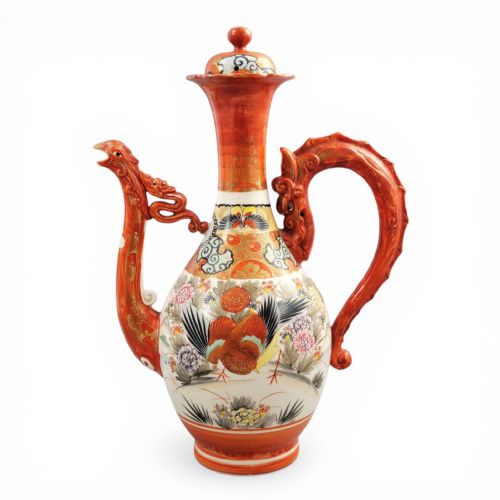


Gilded Ceramic Pitcher
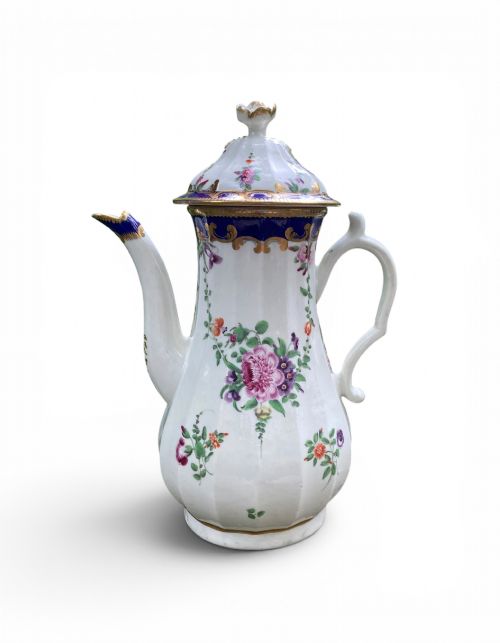
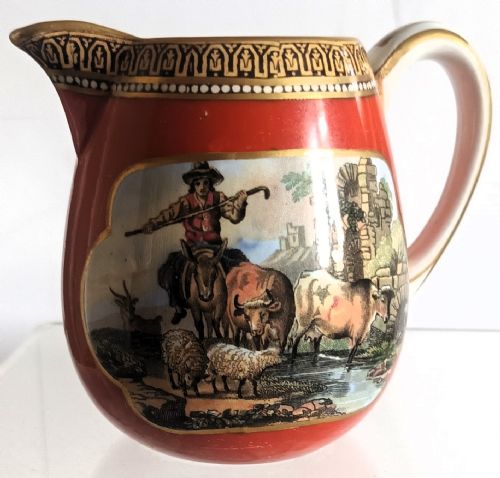
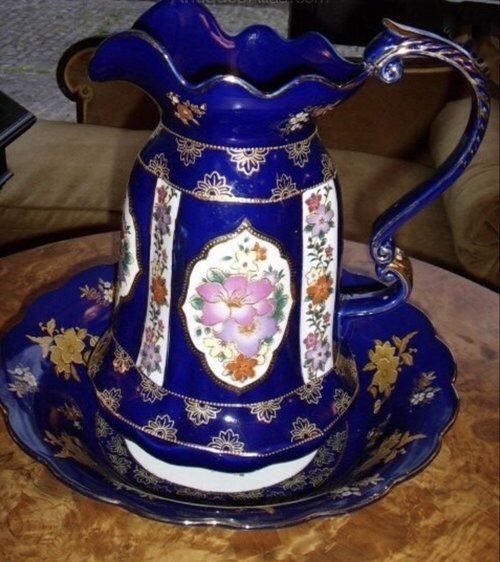
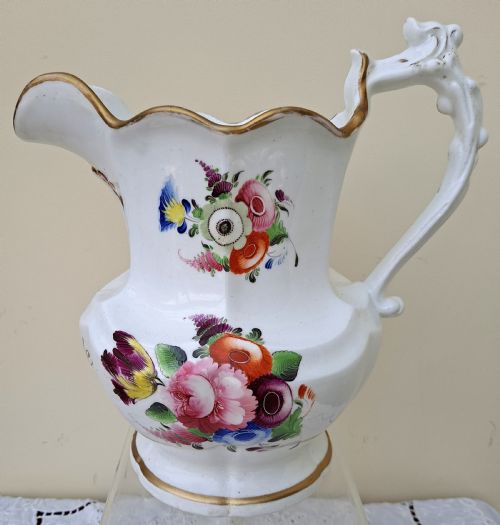
These gilded ceramic pitcher pieces unite practical service with rich metallic decoration, offering a focal point for any room.
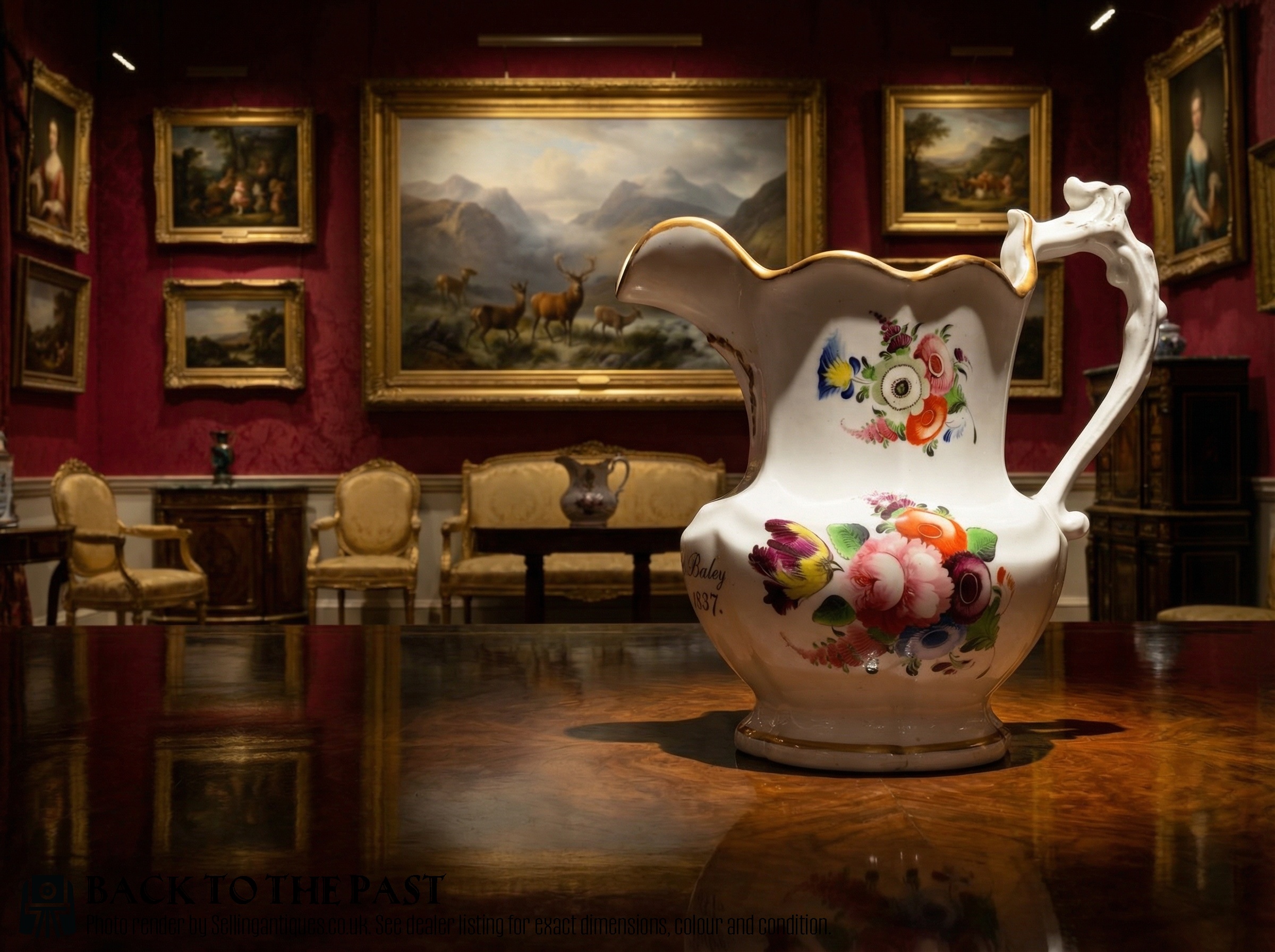
Gilded Ceramic Pitcher
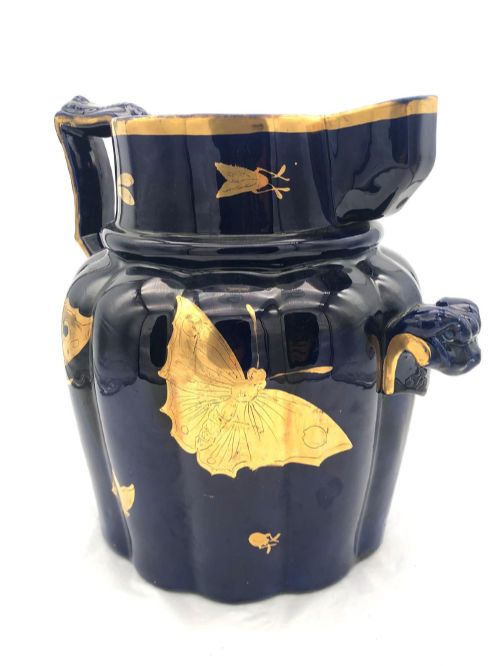
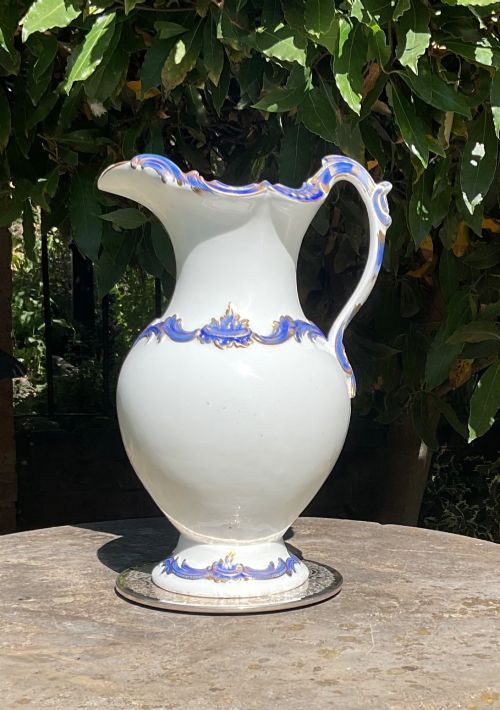
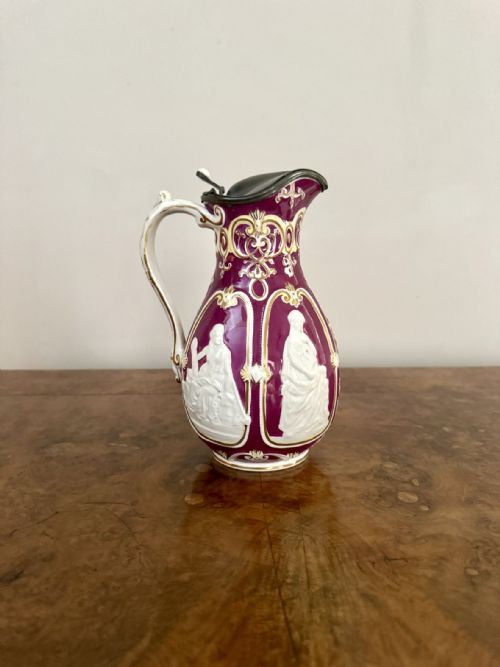
A gilded ceramic pitcher combines utilitarian vessel forms with metallic highlights, ranging from modest cream jugs to grand decorative ewers. When searching for this phrase, buyers encounter examples produced across the nineteenth and early twentieth centuries by prominent English and continental potteries.
Makers utilised various ceramic bodies, including ironstone, creamware, and fine porcelain, applying gold leaf, gilding, and enamel to enhance the vessel. These pieces reflect shifting historical tastes, moving from classical Georgian restraint through elaborate Victorian revivalism to late-century Japanese-inspired motifs.
Materials and production methods
Potters shaped these vessels using earthenware, ironstone, or fine porcelain bases, often throwing them on a wheel or forming them in moulds before kiln firing. The resulting ceramic body provided a stable foundation for subsequent glazing, painting, and metallic application.
Makers applied intricate cobalt blue glazes, handpainted enamels, and surface designs prior to final gilding operations. Gold leaf, liquid gold gilt, and raised gold decoration were meticulously added by hand, then fixed through secondary low-temperature firings to bond the precious metal permanently to the glazed surface.
Gilded Ceramic Pitcher Retail Price Guide 2026
Typical asking prices for gilded ceramic pitcher among the pieces listed under this phrase on Sellingantiques today, from the lower quarter to the upper quarter. They describe what is for sale here now, not the wider market.
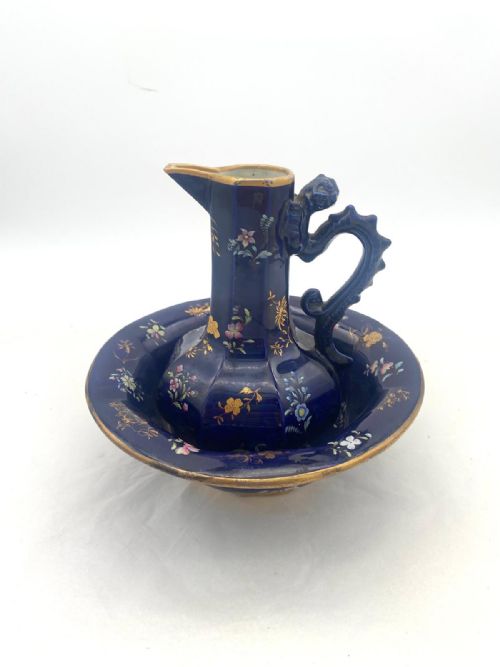
Some nineteenth-century makers decorated these vessels with grotesque handles and fire-breathing dragons to delight Victorian parlour guests.
Distinctions in craftsmanship and design
Quality rests upon the precision of the ceramic modelling, the clarity of the underlying glaze, and the intricacy of the handpainted or gilded ornamentation. Master factories achieved thinner, more refined porcelain walls and crisper moulded details, whereas lesser pieces display thicker, heavier earthen bodies.
The application of gold leaf and enamel work separates standard production from superior pieces. Skilled artisans created deep, lustrous gilding with refined hand-chasing or raised patterns, while simpler items relied on flat, mechanical gold washes that lack depth and dimensionality.
Royal Worcester·Royal Crown Derby·Mason s·Chamberlain Worcester·William Moorcroft
The Gilded Ceramic Pitcher Glossary
- Ewer
- A large decorative jug with a wide spout and elaborate handle, historically designed for hand-washing at a washstand rather than pouring beverages at table.
- Ironstone
- A durable type of heavy earthenware patented in the nineteenth century, designed to resist chipping while mimicking the appearance of fine porcelain.
- Gilding
- The application of gold leaf, powder, or liquid gold onto the ceramic surface to create decorative highlights, borders, or overall metallic sheens.
- Creamware
- A refined, pale cream-coloured earthenware developed in the eighteenth century, known for its smooth glaze and light weight.
- Reticulated
- Describes ceramic work featuring an openwork lattice pattern cut into the body before firing, requiring exceptional skill to prevent distortion in the kiln.
Gilded Ceramic Pitcher: Frequently Asked Questions
What is a gilded ceramic pitcher used for?
These vessels originally served various domestic functions, from pouring cream and water at the dining table to holding water within a bedroom washstand set.
Today, collectors primarily display them as decorative cabinet pieces or mantel ornaments, appreciating their historical artistry and metallic ornamentation.
How do I identify a Victorian piece?
Victorian examples often feature heavy, ornate styling, vibrant cobalt blue grounds, or elaborate floral and bird painting enhanced with rich gilding.
Examining the shape, handle design, and any factory marks on the underside helps confirm nineteenth-century manufacture.
Are these pitchers safe for serving food?
While these vessels were originally manufactured for domestic dining or beverage service, historical glazes and gold leaf can wear down over centuries of use.
Modern owners generally treat antique ceramic pitchers as decorative display objects rather than functional kitchenware to preserve the fragile metallic surfaces.
How should I clean a gilded pitcher?
Careful maintenance involves dusting gently with a soft, dry cloth to prevent scratching the delicate enamel and gold leaf decorations.
Harsh chemical cleaners, abrasive sponges, and dishwashers must be avoided entirely, as they will quickly strip away the historic gilding and glaze.