


Hand Painted Porcelain Teapot
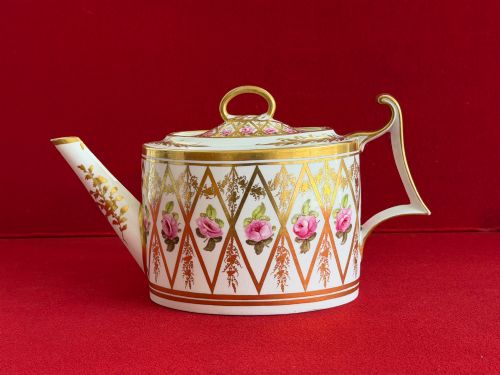
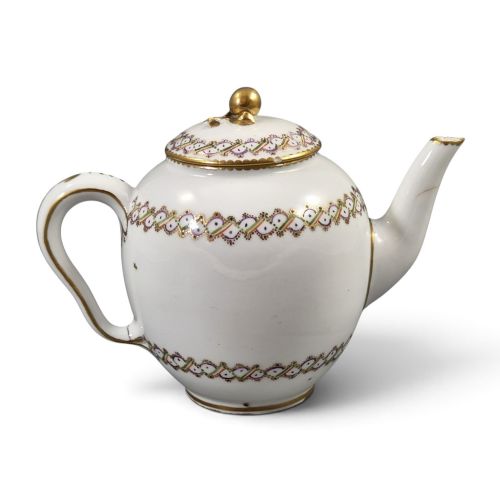
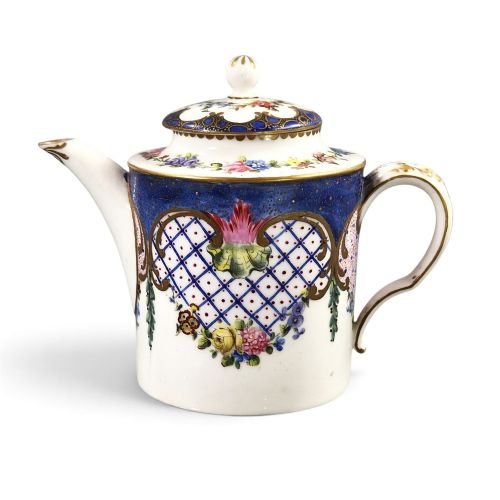
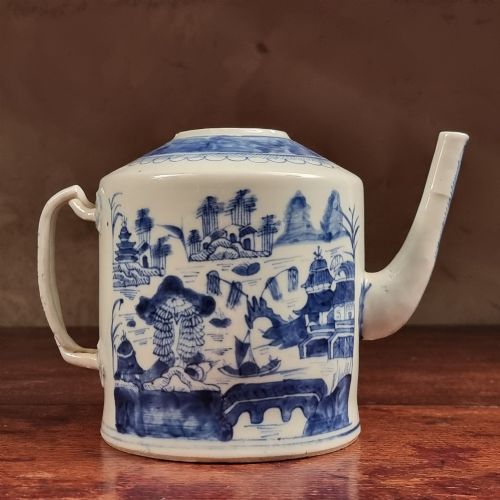
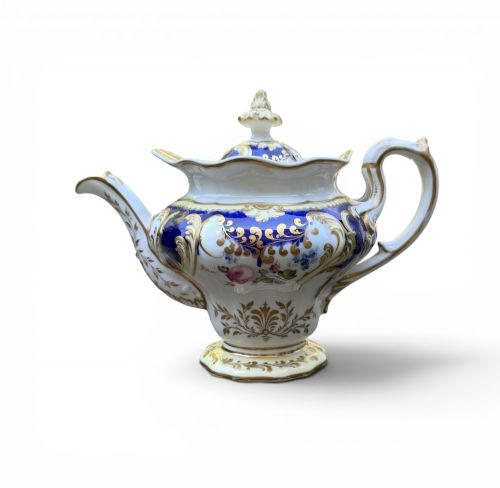
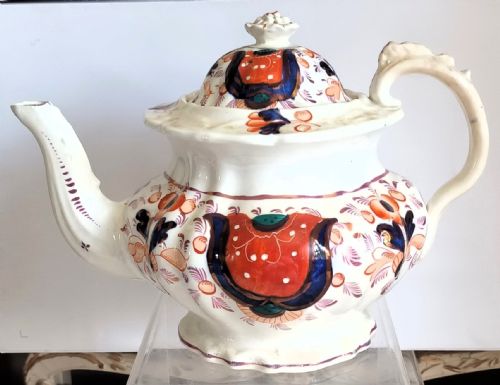
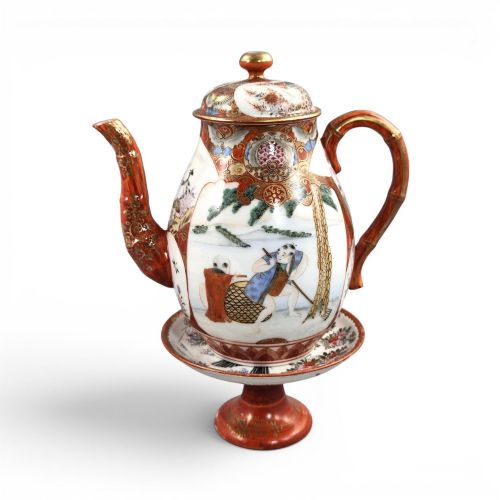
These hand painted porcelain teapots bring eighteenth and nineteenth-century ceramic artistry to the table.
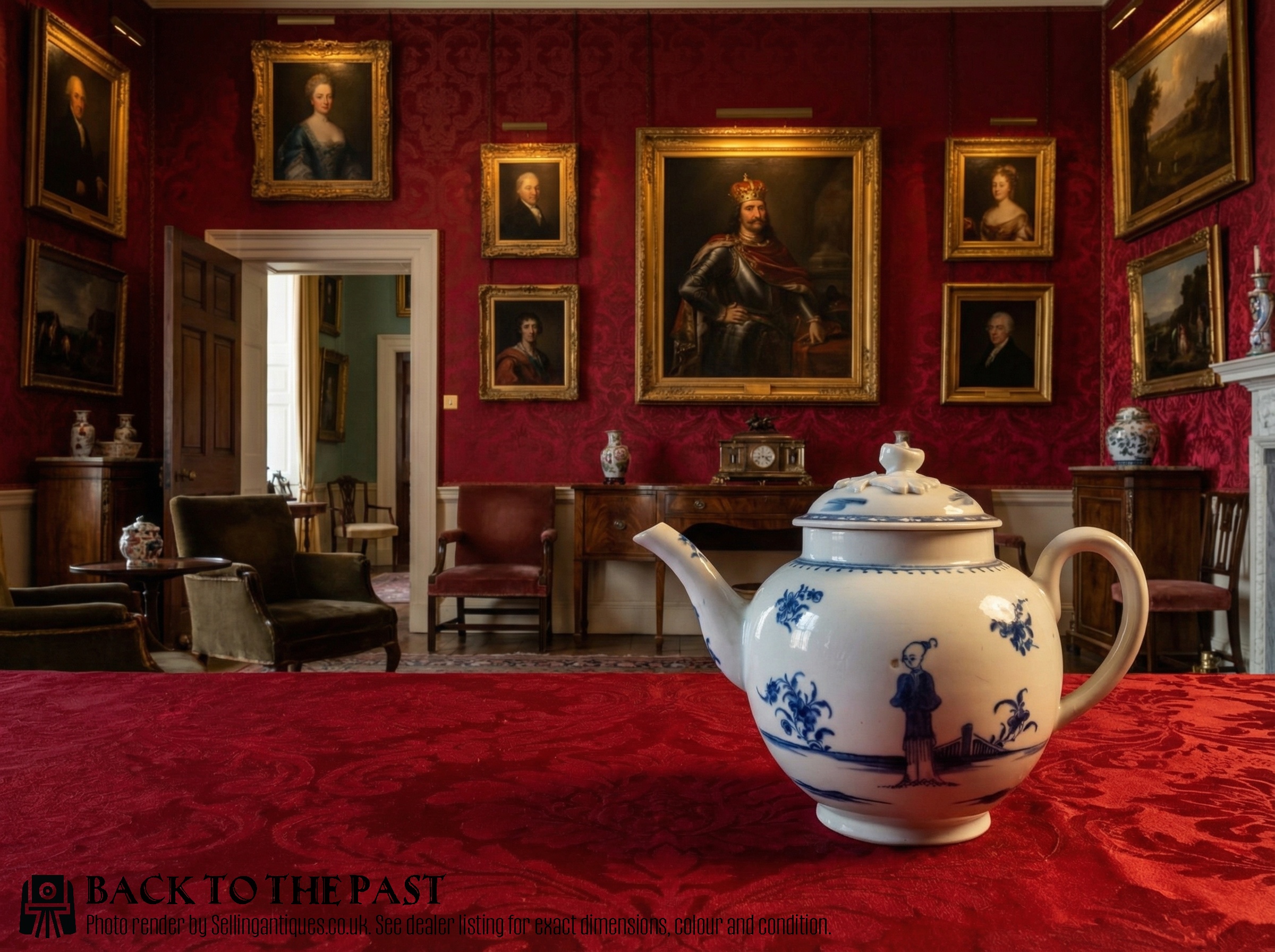
Identifying Your Hand Painted Porcelain Teapot
A hand painted porcelain teapot represents an intersection of domestic utility and ceramic artistry from the eighteenth and nineteenth centuries. Collectors searching this phrase encounter vessels originating from English factories and continental workshops, ranging from early Georgian productions to later Victorian iterations.
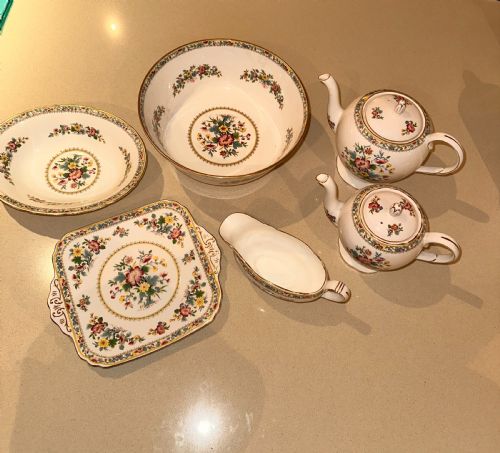
The pieces on this page include eighteenth-century soft-paste and hard-paste vessels alongside nineteenth-century tea services. Forms extend from standard teapots to complete sets, frequently featuring floral motifs, chinoiserie panels, and figural scenes.
English centres such as Liverpool and Worcester dominate the earlier examples, while continental output includes French Parisian pieces. Each object preserves the hand-applied brushwork of period decorators.
Materials and Manufacture
Potters utilised soft-paste and hard-paste porcelain bodies, shaped by hand or moulded before firing. Cobalt glaze and cobalt underglaze provided the deep blue foundations for many decorated surfaces.
Painters applied enamels and gold leaf directly to the glazed porcelain, sealing the pigments in subsequent low-temperature kilns. Details such as flower head knops and intricate borders required steady hands and fine brushes.
Retail Price Guide 2026
Typical UK retail prices for hand painted porcelain teapot, calculated from the Sellingantiques database of over a million retail prices indexed since 2003. This retail price guide relies exclusively on Sellingantiques data; no external sources or auction records are used, so the figures do not describe the wider market.
Judging Quality and Execution
Superior examples display crispness in the hand-painted enamel brushwork and precision in the application of gold leaf. The delicacy of the porcelain body and the refinement of moulded elements distinguish finer productions from standard domestic wares.
Historical attribution heavily influences standing, with documented factories like Worcester commanding particular regard. The preservation of the original hand-painted surface and matching covers elevates an individual piece within its period.
Philip Christian Liverpool·Ridgway
The Hand Painted Porcelain Teapot Glossary
- Soft-paste Porcelain
- An artificial porcelain composition fired at lower temperatures than true hard-paste. It creates a warm, slightly creamy body favoured by eighteenth-century English factories.
- Chinoiserie
- A European artistic style reflecting Chinese motifs and landscapes. Painters rendered imaginary Eastern figures and garden scenes on porcelain surfaces.
- Enamel
- Opaque glass-based colours fused to the glazed porcelain surface during a secondary firing. These pigments provide the vibrant palette seen on period teapots.
- Knop
- The small decorative knob on top of the teapot lid. Potters often shaped these as flowers or abstract terminals.
- Cobalt Underglaze
- Cobalt oxide pigment applied to the unfired ceramic body before glazing and firing. This technique protects the deep blue colour beneath a glassy coating.
Frequently Asked Questions
How do I date an old teapot?
Dating relies on body composition, glaze characteristics, and decorative style. Eighteenth-century pieces often utilise soft-paste porcelain with underglaze cobalt or hand-applied enamels.
Later nineteenth-century examples display harder pastes and distinct stylistic revivals. Comparing the form and painting technique to documented factory output helps narrow the decade.
Can I use these teapots daily?
Using antique porcelain requires caution due to age, thermal shock, and fragile hand-painted surfaces. Hot water can stress historical soft-paste bodies and degrade old enamel decorations.
Most collectors treat these vessels as display pieces or handle them with extreme care during occasional service. Gentle hand washing is essential to preserve the gold leaf and pigments.
What is soft-paste porcelain?
Soft-paste is an early ceramic mixture containing glass frit and white clay rather than true kaolin and petuntse. It yields a softer body that absorbs enamels differently than hard-paste porcelain.
English factories in the eighteenth century relied on this formula before discovering domestic deposits of hard-paste materials.
Why are lids often replaced?
Teapot lids suffered the highest rate of breakage because they were removed constantly and washed separately from the main body. Surviving an entire operational lifespan with the matching cover intact is a notable advantage.
Replacements from the same period sometimes occurred when original lids broke during active household use.