


Georgian Porcelain Teapot
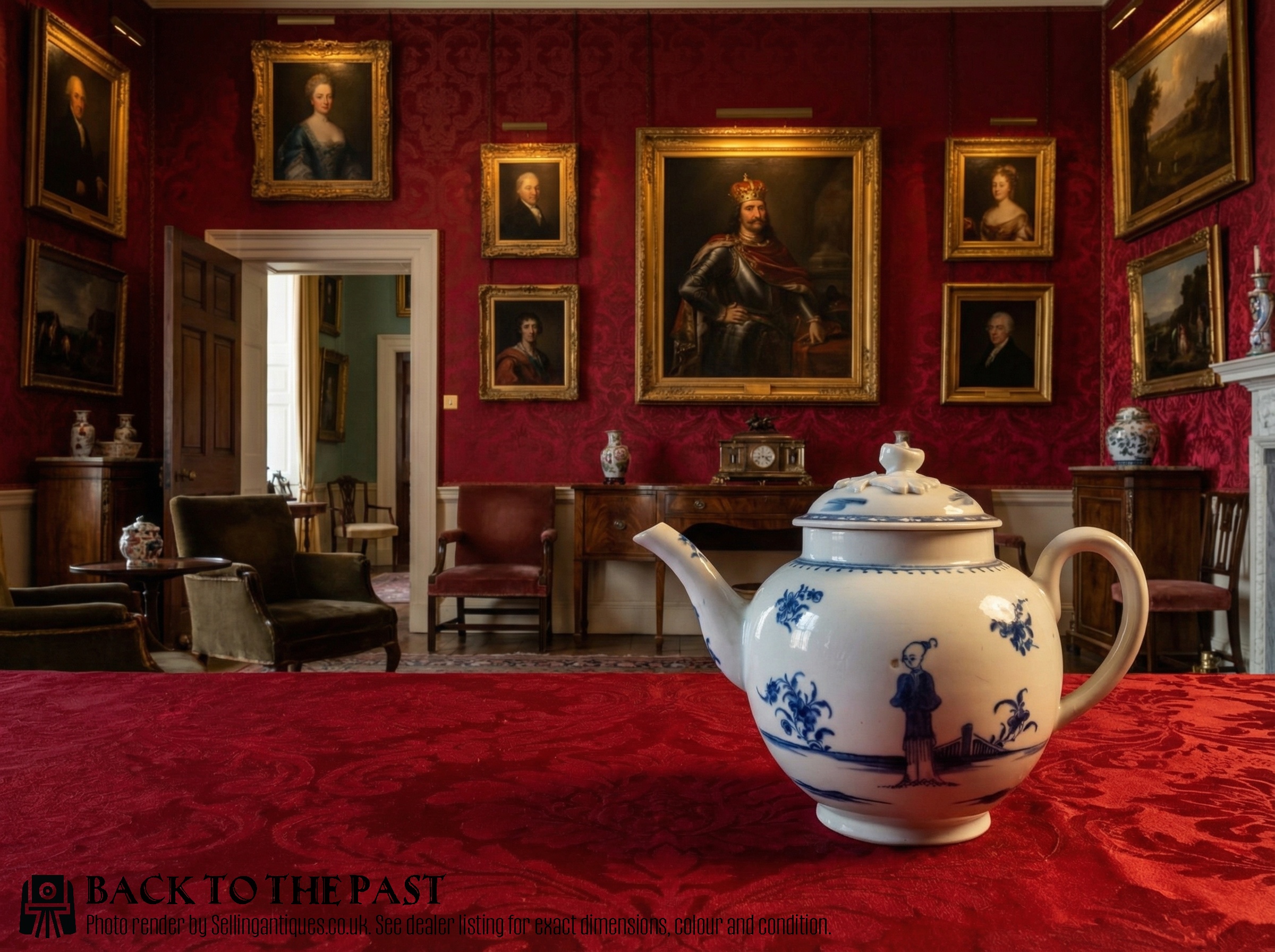
Georgian porcelain teapot pieces are the refined ceramic vessels of the late eighteenth and early nineteenth centuries, prized for their delicate bodies and painted scenes.
What They Are
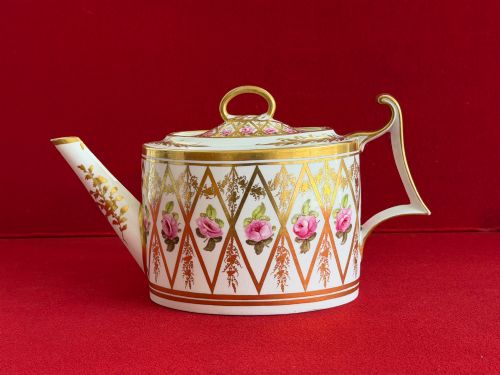
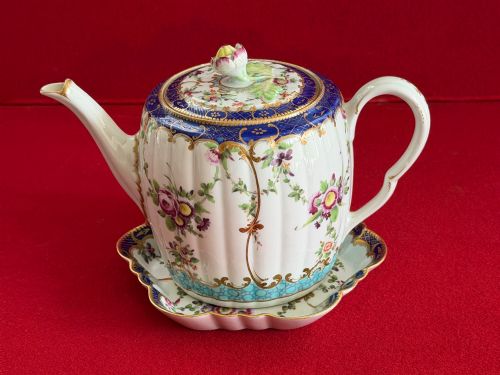
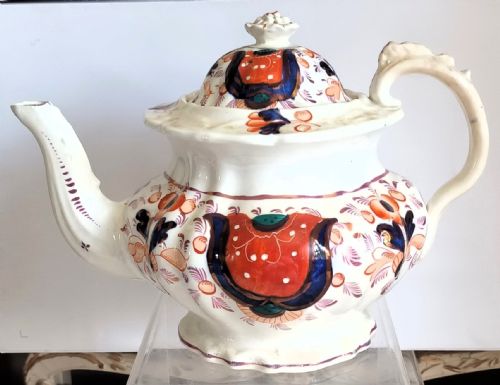
A georgian porcelain teapot represents the height of domestic ceramic production during the Georgian period, typically taking forms such as the old oval shape or the barrel shape with a matching stand.
The evidence shows examples from the eighteenth century up to around eighteen hundred, including creations associated with makers such as Derby, First Period Worcester, New Hall, and Thomas Wolfe.
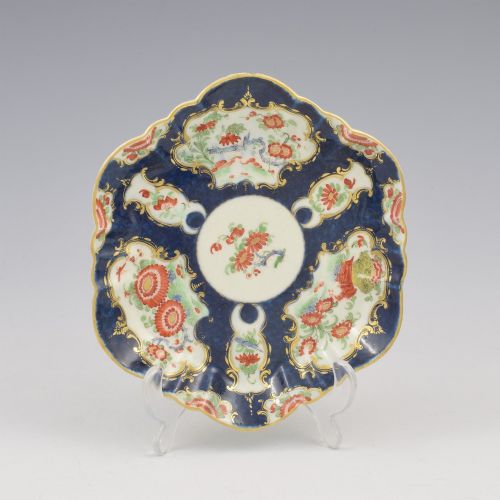
Decorations range from floral motifs like orange roses to figurative designs including the waiting chinaman and specific factory patterns.
How They Were Made
These vessels are constructed from porcelain and soft-paste porcelain, fired to create fine ceramic bodies capable of holding hot tea.
Makers applied cobalt underglaze for blue and white decoration, alongside detailed enamel painting and hand-applied gilding to enrich the surface.
Retail Price Guide 2026
Typical UK retail prices for georgian porcelain teapot, calculated from the Sellingantiques database of over a million retail prices indexed since 2003. This retail price guide relies exclusively on Sellingantiques data; no external sources or auction records are used, so the figures do not describe the wider market.
Listings feature pieces from the eighteenth century, the year eighteen hundred, and the broader Georgian period in porcelain, soft-paste porcelain, enamel, and gilding.
What Varies in Quality
Quality separates standard production wares from those attributed to named factories like Worcester or Derby through the precision of the potting and the complexity of the hand-painted enamel work.
The presence of matching stands, specific pattern numbers, and documented provenance from collections elevates the standing of an individual piece.
Derby Porcelain·New Hall·Thomas Wolfe
The Georgian Porcelain Teapot Glossary
- Soft-paste porcelain
- An artificial porcelain composition fired at lower temperatures than hard-paste, common in early British factories. It yields a warm, slightly translucent body.
- Cobalt underglaze
- A blue pigment applied to the ceramic body before glazing and firing. This technique protects the colour beneath a glassy layer.
- Enamel
- Coloured glass powders fused to the surface of the fired porcelain during a second, lower temperature kiln run. It provides the vibrant palette seen on these teapots.
- Gilding
- The application of gold leaf or gold paint to highlights and borders. It adds a layer of luxury to the finished vessel.
- Old Oval
- A specific curved teapot profile recorded in New Hall and Derby production. This form defines the silhouette of several pieces.
Frequently Asked Questions
What periods do these teapots date from?
These teapots date from the Georgian era, spanning the eighteenth century and around eighteen hundred.
They represent the active periods of early British porcelain manufactories.
How were these teapots decorated?
Decoration involves cobalt underglaze, hand-painted enamels, and gilding.
Motifs include floral sprays such as orange roses and figurative scenes like the waiting chinaman.
What materials make up these bodies?
The pieces utilise porcelain and soft-paste porcelain.
Additional materials include enamel colours and gold leaf applied during finishing.
What shapes do the vessels take?
Recorded forms include barrel-shaped pots with matching stands and old oval shapes.
These functional silhouettes reflect the tea-drinking habits of the period.