


Blue White Porcelain Teapot
A blue white porcelain teapot brings centuries of ceramic artistry to the table, offering both timeless utility and refined cobalt decoration.
Identifying blue white porcelain teapot
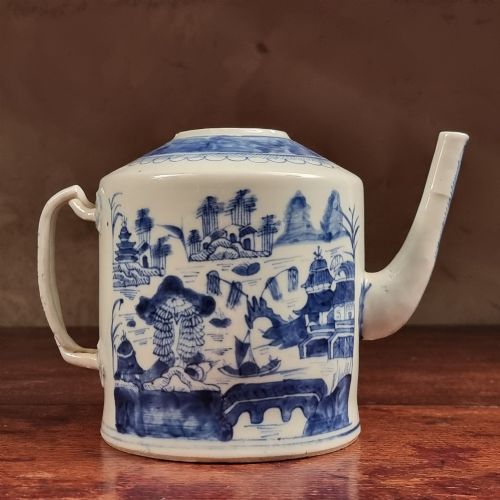
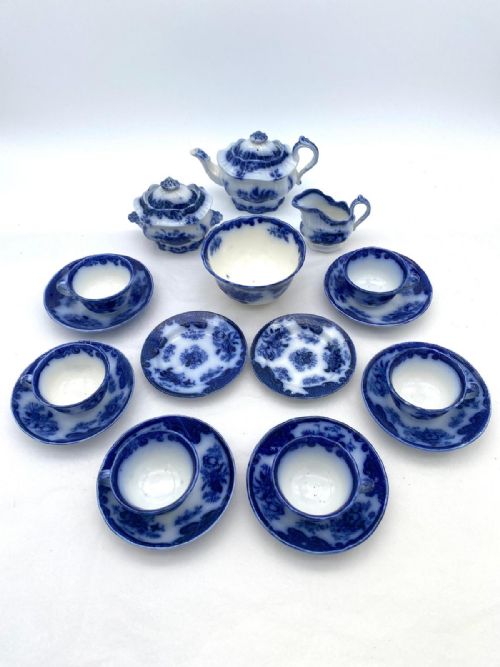
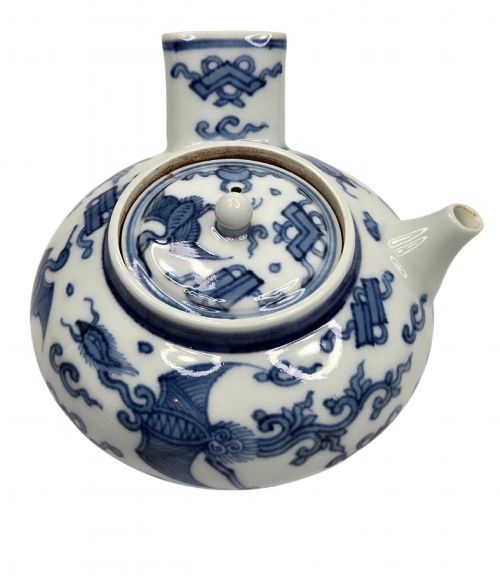
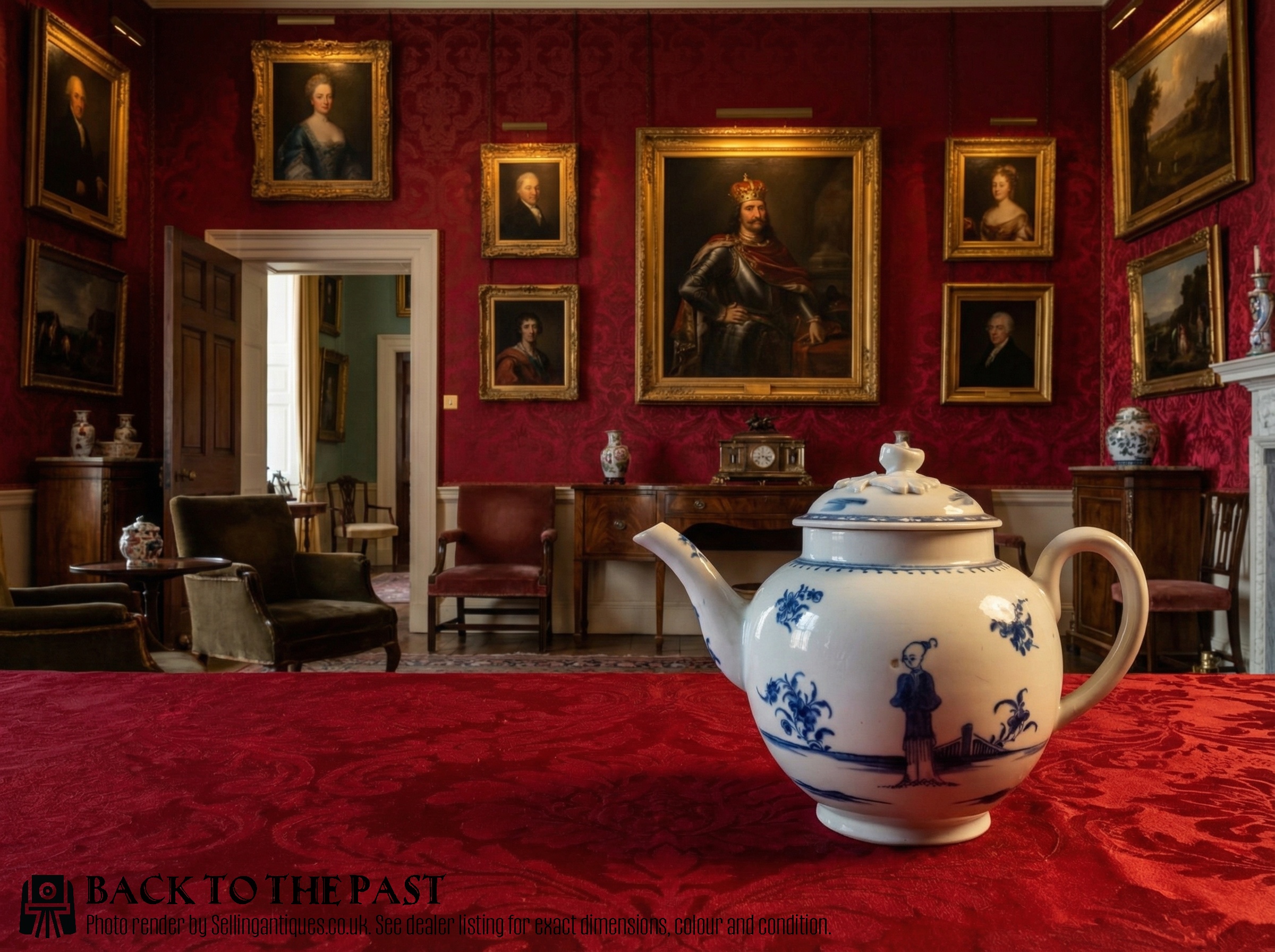
When you search for a blue white porcelain teapot, you encounter a range of traditional vessels spanning multiple centuries and global kilns. The pieces gathered here showcase diverse cultural interpretations of cobalt ornamentation, from Japanese side-handled forms to eighteenth-century European and Chinese vessels.
The most common examples you are likely to meet on this page originate from eighteenth-century British and Chinese production, alongside late nineteenth-century Japanese wares. These functional forms range from miniature cabinet specimens to standard domestic teapots equipped with matching covers.
Distinguishing the exact origin relies upon recognising the stylistic nuances of the painted motifs, whether dealing with Georgian chinoiserie, Meiji period somatic designs, or foliate sprays. Each piece represents a specific historical moment in ceramic history, shaped by the prevailing taste of its origin.
Materials and construction
The foundational material for these items is hard-paste or soft-paste porcelain, fired at high temperatures to achieve a dense, vitrified body. Artisans then applied cobalt underglaze pigments directly to the unfired or biscuit surface before administering a clear protective glaze.
Techniques varied by region, utilising specialised local clays and kilns capable of handling the intense heat required for cobalt decoration. Once painted and glazed, the vessels underwent a final high-temperature firing that permanently fused the blue pigment beneath the glassy surface.
Some miniature barrel teapots were made small enough to brew just a single cup, perfect for the dedicated eighteenth-century solitary drinker.
Assessing quality
Quality in these teapots separates the ordinary production ware from the masterwork through the precision of the underglaze brushwork and the clarity of the porcelain body. Finer examples display fluid, confident cobalt painting with deep tonal variation, whereas lesser pieces show rushed or muddy execution.
The refinement of the potting itself, including the thinness of the walls and the exact fit of the cover, marks the distinction at the upper end of the range. Furthermore, the purity of the white ground without excessive kiln blemishes elevates the stature of the piece.
The Blue White Porcelain Teapot Glossary
- Cobalt Underglaze
- A blue pigment applied to pottery beneath the glaze before firing. This mineral oxide withstands extreme kiln temperatures without losing its intense coloration.
- Soft-paste Porcelain
- A ceramic composition containing glass frit or white clay, fired at lower temperatures than true hard-paste porcelain. It often exhibits a warmer tone and a slightly softer surface texture.
- Chinoiserie
- A European artistic style reflecting Chinese motifs and decorative themes. This aesthetic dominated eighteenth-century design, heavily influencing domestic porcelain decoration.
- Kyusu
- A traditional Japanese teapot featuring a side handle. This specific form allows for ergonomic pouring during tea service.
Frequently Asked Questions
How do I date a blue white porcelain teapot?
Dating relies heavily on identifying the specific paste composition, potting style, and the characteristic hand of the cobalt painting. Examining the base and any associated glaze pooling provides further clues regarding the manufacturing period.
Comparing the decorative motifs, such as Georgian chinoiserie versus Meiji period designs, aligns the vessel with historical production eras recorded in ceramic archives.
Were these teapots used for daily tea service?
Many of these vessels served an active role in formal households, functioning as the central piece for tea preparation and pouring. Their durable porcelain bodies were designed for practical domestic utility.
Over time, surviving examples transitioned from active kitchenware to collectible display objects, preserved for their aesthetic and historical significance.
What is the difference between soft-paste and porcelain?
Soft-paste porcelain is an artificial ceramic mixture incorporating glass and clay, fired at lower temperatures than true hard-paste porcelain. It tends to feel slightly warmer to the touch and often shows minor glaze pooling.
Hard-paste porcelain utilises natural kaolin and petuntse, resulting in a vitrified, highly durable body that resists scratching and moisture absorption.
How should I care for an antique teapot?
Maintenance requires gentle hand washing using mild soap and warm water, avoiding harsh abrasive sponges or automated dishwashers. Protecting the fragile spout and handle from impact is essential during handling.
Displaying the vessel away from direct, harsh sunlight and sudden temperature fluctuations ensures the preservation of the glaze and cobalt pigments over time.