
Antique Ceramic Teapot
An antique ceramic teapot brings the weight of centuries to the daily ritual, offering functional craft shaped by Georgian and Victorian hands.
Antique Ceramic Teapot
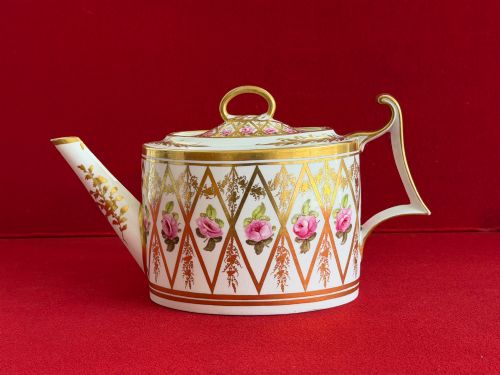
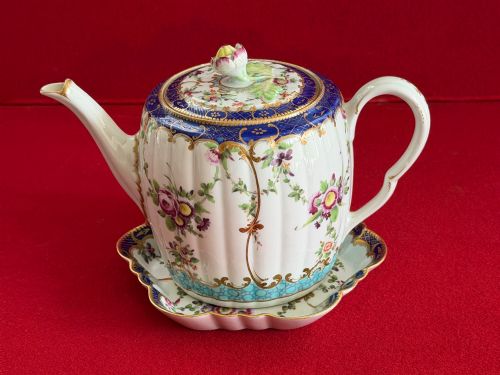
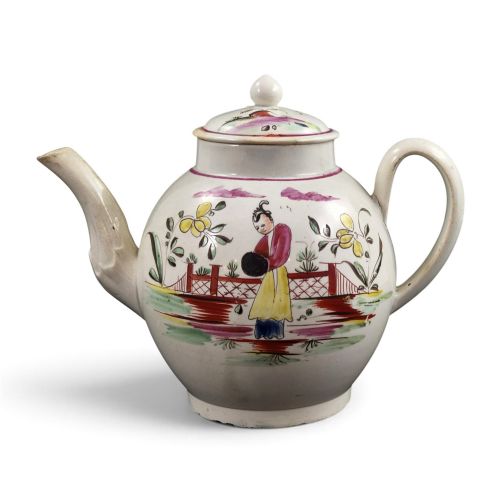
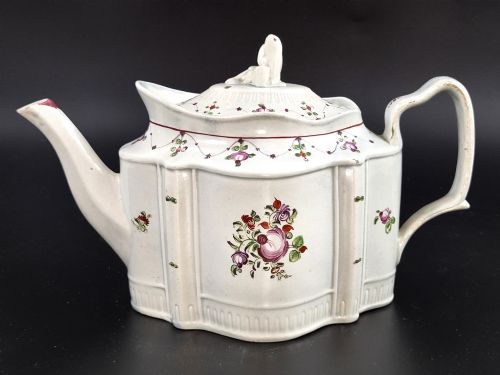
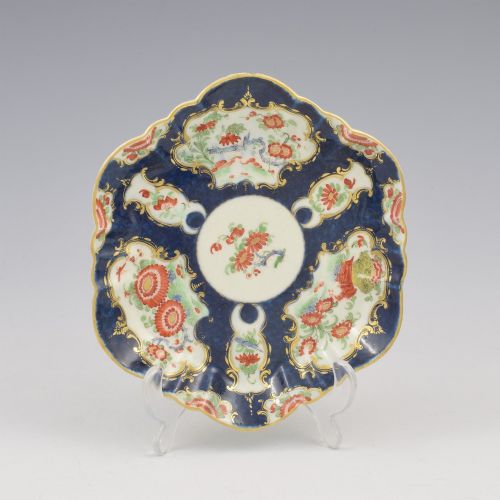
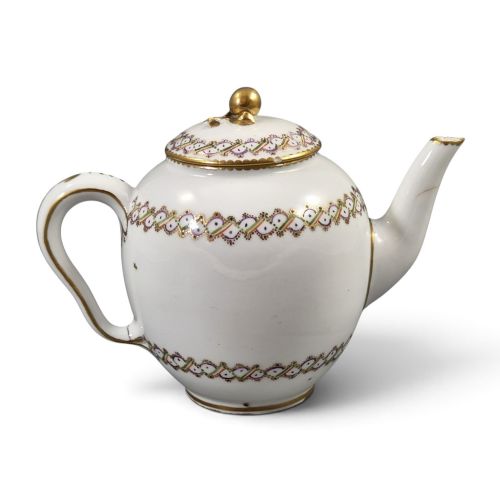
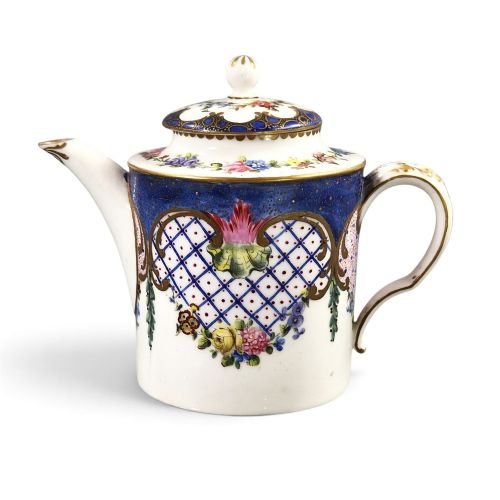
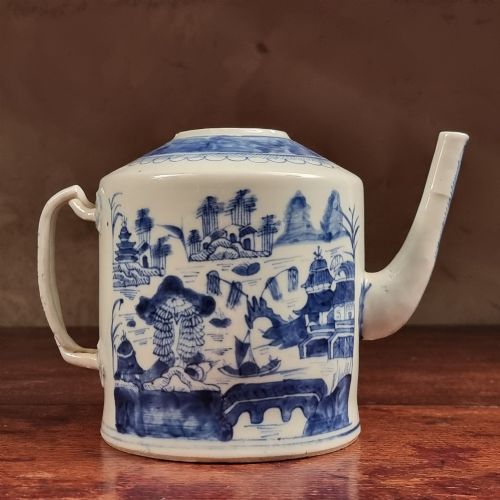
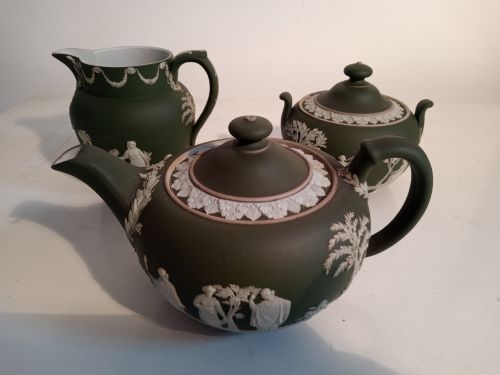
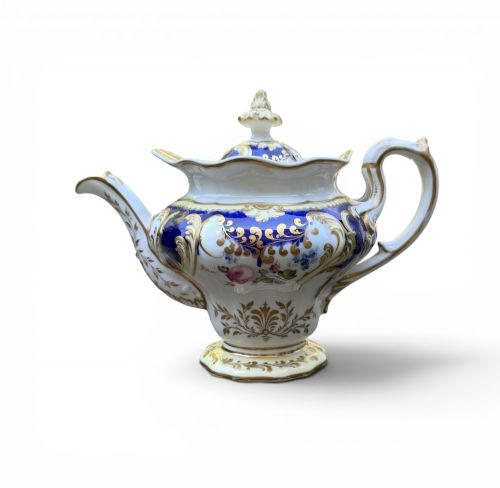
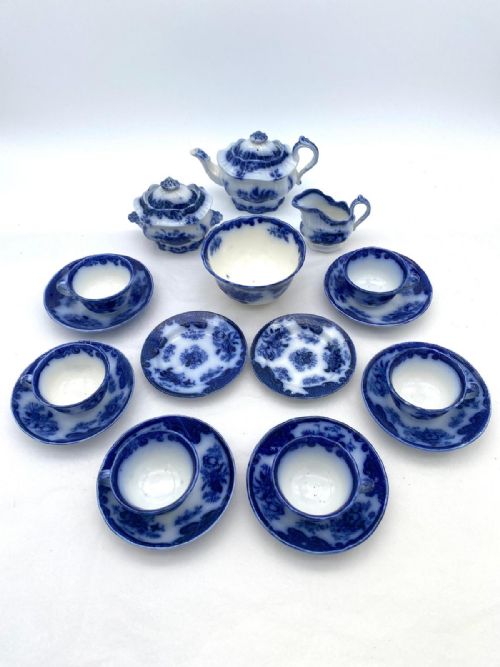
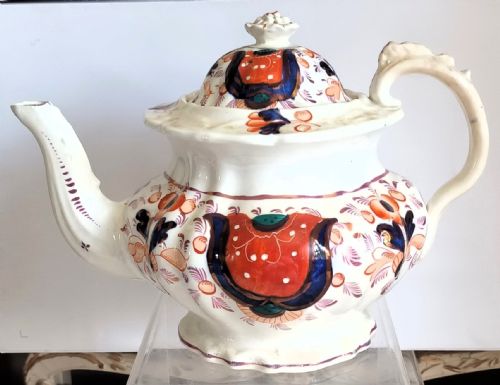
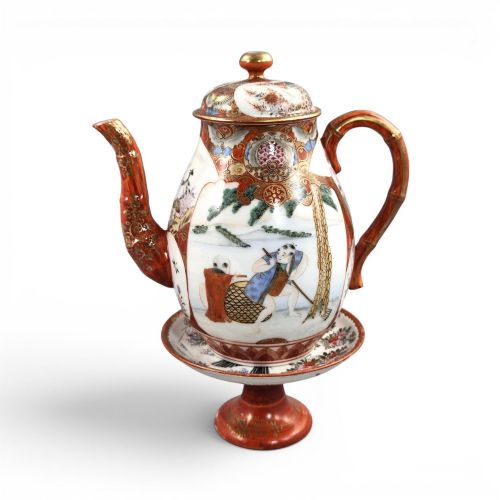
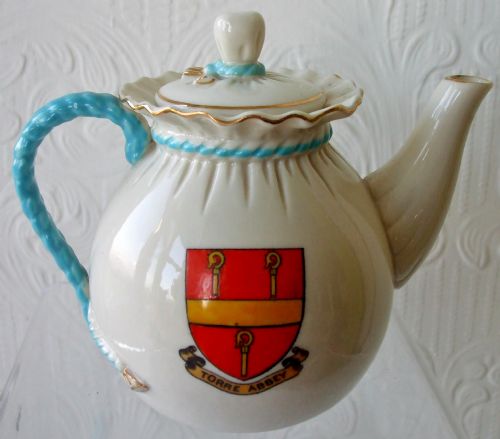
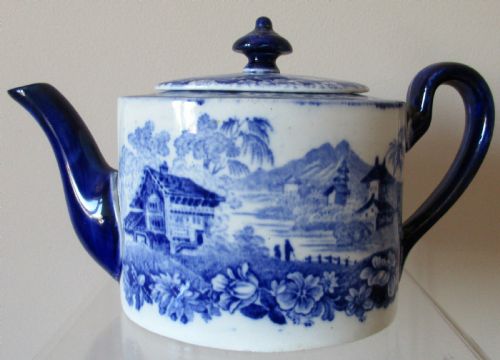
When you search for an antique ceramic teapot, you encounter vessels shaped from earthenware, porcelain, and stoneware across the eighteenth and nineteenth centuries. These pieces range from simple creamware and flow blue domestic items to elaborate, hand-painted porcelain services bearing Chinoiserie motifs or transfer-printed scenes.
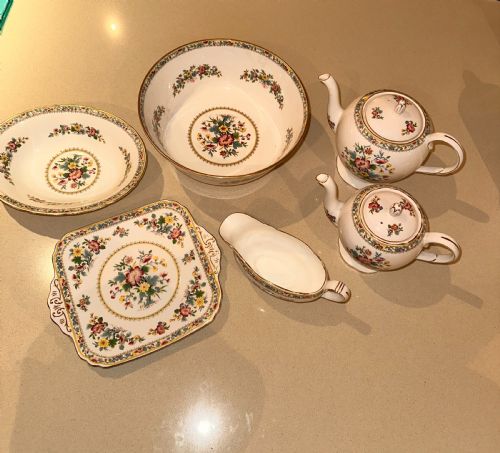
The version you are most likely to meet on this page is an English or continental European vessel from the Georgian or Victorian eras. Such pieces often arrive with matching stands, lid finials, and occasionally accompanying sugar bowls or milk jugs, reflecting the evolution of tea drinking from a luxury import into a cornerstone of social life.
How they were made
Potters constructed these teapots using clay bodies like creamware, soft-paste porcelain, and ironstone, shaped either on the wheel or moulded into forms such as barrels, octagons, and commodes. Artisans then applied underglaze blue transfers, hand-painted enamels, or polychrome patterns before firing the vessels in kilns to vitrify the ceramic body.
Many items incorporate supplementary elements such as applied gold leaf, silver mounts, or wicker cases for insulation. Finials, spouts, and handles were frequently cast separately and attached by hand using slip before the final glazing stage.
Antique Ceramic Teapot Retail Price Guide 2026
Typical asking prices for ceramic teapot among the pieces listed under this phrase on Sellingantiques today, from the lower quarter to the upper quarter. They describe what is for sale here now, not the wider market.
Some nineteenth-century potters added wicker cases to ceramic teapots, ensuring hot tea without burning sensitive fingers during long Victorian mornings.
What varies in quality
Quality in these teapots rests upon the crispness of the moulding and the skill executed in the hand-painting or transfer printing. Superior pieces exhibit precise alignment of spouts and handles, delicate enamel work, and well-balanced weight distribution.
The finesse of the ceramic body itself, such as the translucent thinness of First Period Worcester porcelain compared to heavier utilitarian earthenware, dictates the tier of the piece. Preservation of delicate details like widow finials and gilt highlights also separates standard domestic wares from exhibition-grade examples.
Derby Porcelain·Royal Sèvres·Wedgwood·Mintons·Copeland Spode·Royal Worcester·Mason·William Moorcroft
The Antique Ceramic Teapot Glossary
- Creamware
- A refined earthenware developed in Yorkshire featuring a pale yellowish cream glaze. It gained widespread popularity during the eighteenth century for its clean appearance.
- Soft-paste porcelain
- A ceramic composition made from clay and ground glass fired at lower temperatures than hard-paste. It creates a warm, creamy body common in early English factories.
- Transfer printing
- A method of applying detailed decorative patterns to ceramics using engraved copper plates and tissue paper. This technique mechanised the transfer of complex scenes onto surfaces.
- Finial
- The small decorative knob attached to the centre of a teapot lid. They take various forms, including flowers, fruits, and abstract shapes.
- Enamel
- Opaque glass-based colour applied over or under the glaze to paint detailed motifs. These pigments are fused to the ceramic surface during a secondary low-temperature firing.
Antique Ceramic Teapot: Frequently Asked Questions
Can I use an antique ceramic teapot for daily tea?
While these teapots were originally designed for daily domestic use, thermal shock from boiling water can stress fragile historical ceramic bodies. Many collectors prefer to display them rather than risk damage to centuries-old glazes and delicate spouts.
If you choose to use one, warm the pot gradually with warm water before adding boiling liquid. Inspect the interior for any historical repairs or hairline fractures that might compromise the vessel during use.
How do I date an antique teapot?
Dating relies on identifying factory marks stamped or painted on the base, combined with stylistic cues such as handle shape, spout geometry, and decorative techniques. Eighteenth-century pieces often feature hand-painted underglaze blue crescents or square seals, while nineteenth-century items introduce registration marks and transfer-printed factory ciphers.
Materials also offer clues, as creamware and soft-paste porcelain predominate in earlier decades, giving way to ironstone and denser earthenware as industrial methods advanced.
What is a bachelor teapot?
A bachelor teapot is a smaller vessel scaled to serve a single person or a couple, often paired with an integrated cup and saucer or a matching miniature milk jug. These compact sets became popular during the nineteenth century for private breakfast service or solitary afternoon tea.
Their reduced size makes them distinct from full tea service teapots while retaining the same artistic motifs and manufacturing techniques of larger dinnerware.
Why do some teapots include a separate stand?
Teapot stands were utilised to protect wooden tabletops and tablecloths from heat damage and drips escaping from the spout. These matching ceramic plates or tiles shared the pattern and glaze of the main vessel, completing the tea service.
Finding a teapot paired with its original period stand significantly enhances the completeness and historical integrity of the set.