


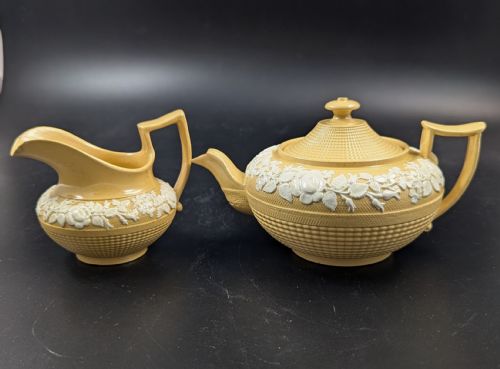

Cream Ceramic Teapot
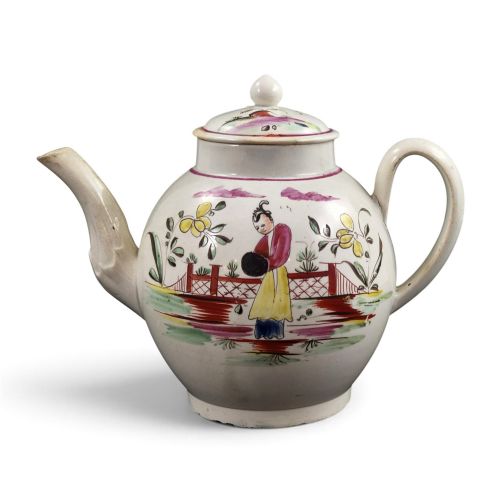
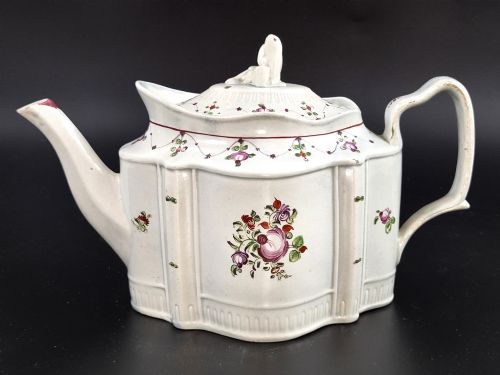
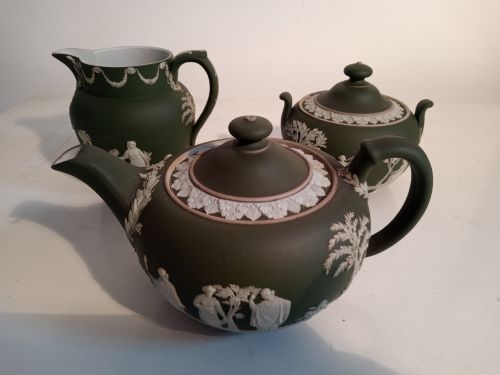
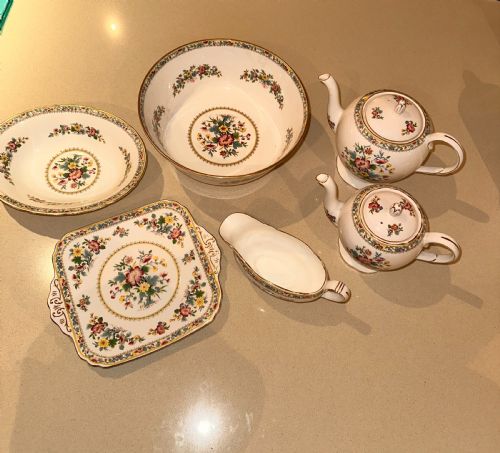
These cream ceramic teapot examples combine everyday utility with fine period character across diverse forms and regional styles.
Cream Ceramic Teapot
A cream ceramic teapot spans domestic earthenware and porcelain items designed for serving tea across multiple historical eras. The pieces listed here range from Georgian creamware to Victorian porcelain and Edwardian folk pottery.
Buyers encounter single vessels alongside larger tea services and bachelor sets. Forms vary from commode-shaped pots and double spouted designs to octagonal shapes influenced by distinct decorative traditions.
Origins stretch from English potteries in Staffordshire to continental European workshops and Japanese Meiji period kilns. This variety reflects international trade and changing domestic tastes throughout the eighteenth and nineteenth centuries.
Materials and construction
Potters shaped these vessels using earthenware, creamware, and porcelain bodies, often finished with a smooth glaze. Some pieces incorporate hand-painted details, enamel work, or touches of gold leaf and gilt.
Moulding and throwing techniques created specific silhouettes like the widow finial and double spouts seen on eighteenth and nineteenth-century examples. Specialised kilns fired these ceramics to achieve durable bodies suitable for daily beverage service.
The listed items span earthenware, porcelain, and creamware, covering periods from the eighteenth century through the Victorian era.
Assessing quality and finish
Quality rests in the crispness of moulded details, the precision of hand-painted decoration, and the preservation of original gilding. Superior examples display clean glazing without excessive pooling or surface blemishes.
The sophistication of the modelling, from simple folk pottery to intricate neoclassical or rococo revival styling, distinguishes standard production items from master potter output.
Wedgwood·Royal Worcester·Thomas Wolfe Staffordshire·Thomas Harley Staffordshire
The Cream Ceramic Teapot Glossary
- Creamware
- A fine earthenware developed in England during the eighteenth century featuring a pale yellowish or cream-coloured glaze. It gained popularity for its clean appearance and suitability for domestic tableware.
- Widow finial
- A small knob or handle on top of a teapot lid, traditionally shaped like a mourning figure. This decorative element appears frequently on English earthenware teapots from the early nineteenth century.
- Agateware
- Pottery made by mixing clays of different colours to produce a marbled or veined pattern resembling natural stone. The technique requires careful blending before shaping and firing.
- Porcelain
- A hard, translucent ceramic material fired at high temperatures. It forms the basis of many fine tea services and decorative vessels from the Victorian period onwards.
- Gilt
- A thin layer of gold applied to the surface of ceramics for decoration. It is often used to highlight rims, handles, and painted motifs on nineteenth-century tea sets.
Cream Ceramic Teapot: Frequently Asked Questions
How do I date a ceramic teapot?
Dating relies on identifying the material type, manufacturing marks, and stylistic clues such as neoclassical or rococo revival details. Examining the base and handle construction also helps determine the period of origin.
Changes in glaze technology and pottery techniques provide further context for narrowing down the production decade.
Can I use these teapots for daily tea service?
While many of these vessels were originally made for functional use, older ceramic and creamware pieces require careful handling. Thermal shock or heavy daily wear can damage delicate glazes and historical materials.
Many collectors prefer to display these items or reserve them for occasional gentle use to preserve their condition.
What is the difference between earthenware and porcelain?
Earthenware is a porous, lower-fired ceramic that requires a glaze to become waterproof, typical of early creamware teapots. Porcelain is fired at much higher temperatures until it becomes vitrified and translucent.
Porcelain tea services generally offer a more refined finish and greater durability than standard earthenware.
How should I clean antique ceramic teapots?
Clean these pieces gently using warm water and a mild detergent, avoiding abrasive sponges or harsh chemicals that can damage old glazes and gilding. Hand washing is essential for all historical ceramics.
Dry the vessel thoroughly with a soft cloth after washing to prevent moisture accumulation around handles and spouts.