






19th Century Teapot
A 19th century teapot brings tangible craftsmanship to the table, offering a functional piece of history shaped by diverse global aesthetics.
19th Century Teapot
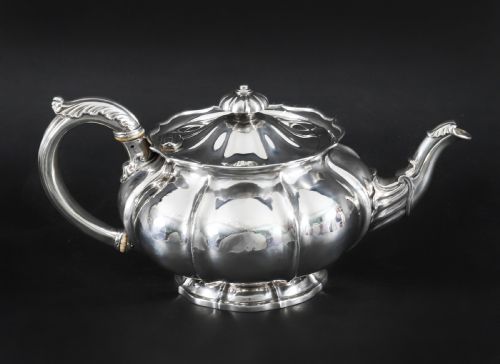
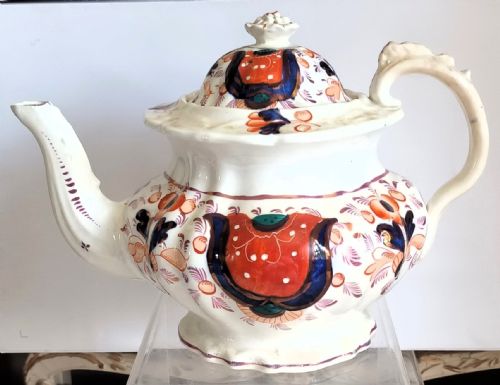
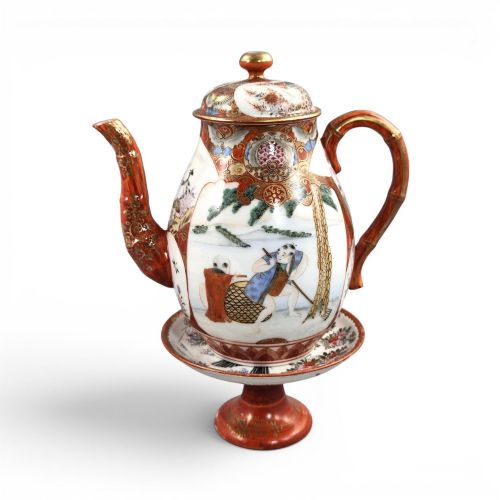
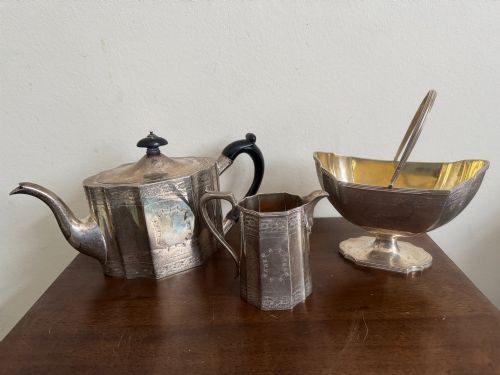
A 19th century teapot encompasses a wide array of ceramic and metallic vessels designed for brewing and serving tea during a period of immense stylistic shift. Collectors encounter forms ranging from heavy Georgian silver shapes to ornate Victorian earthenware and delicate Japanese porcelain.
The selections on this page bridge domestic utility and decorative art, featuring styles from Regency elegance to Aesthetic Movement asymmetry. Common iterations include standalone teapots alongside larger matching tea sets, breakfast services, and hearthside copper kettles.
Origin points stretch from Staffordshire potteries and Sheffield metalworks to continental European factories and Asian kilns. Buyers find utilitarian kitchen copper alongside refined porcelain meant for display in formal reception rooms.
Materials and methods of construction
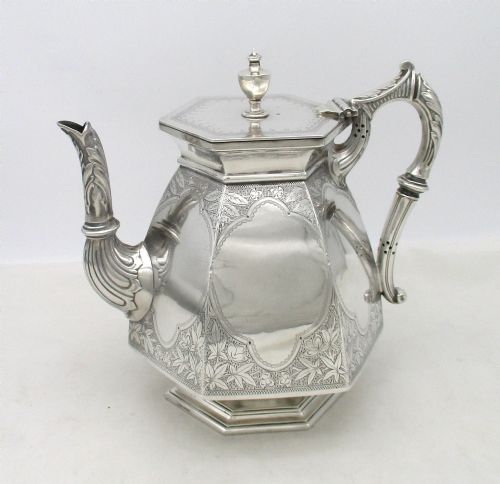
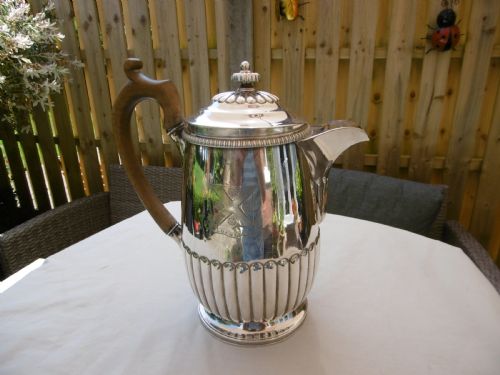
Silversmiths shaped precious metals by hand, often employing casting for spouts and handles while hammering body panels from sterling silver or fusing silver plate onto copper bases. Makers like Paul Storr applied intricate neoclassical repoussé and chased details to these metallic forms.
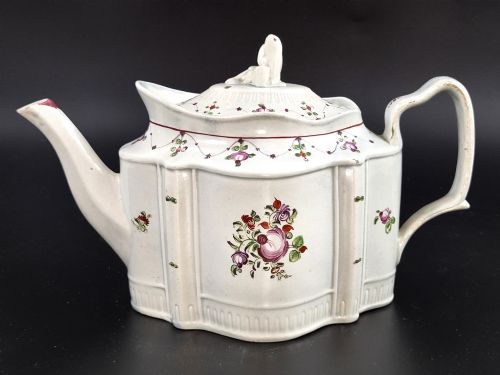
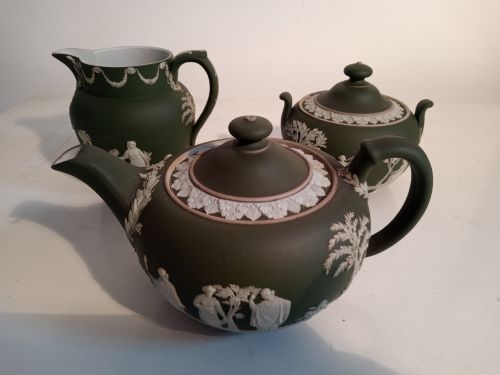
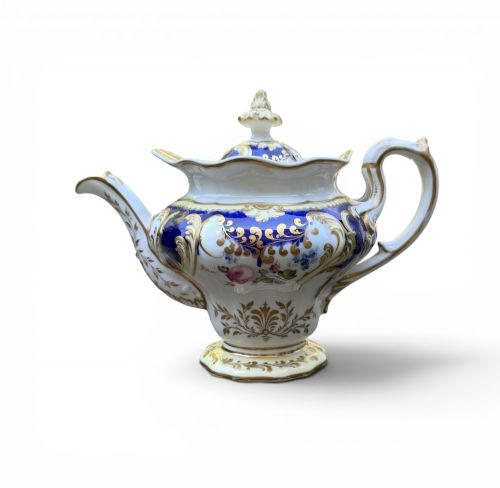
Potteries relied on earthenware, ironstone, and porcelain, shaping bodies on the wheel or pressing clay into moulds before applying coloured glazes, transfers, or hand-painted motifs. Wedgwood utilised jasperware and white stoneware for contrasting relief decoration, while Japanese kilns fired fine porcelain for export.
19th Century Teapot Retail Price Guide 2026
Typical asking prices for 19th century teapot among the pieces listed under this phrase on Sellingantiques today, from the lower quarter to the upper quarter. They describe what is for sale here now, not the wider market.
Distinctions in execution and preservation
Superior examples display crispness in cast ornament and precision in hand-painted or relief decoration, whereas lesser items show blurred transfers or clumsy repairs. The integrity of silver hallmarks, factory ciphers, and original wooden handle insulators elevate the standing of a piece.
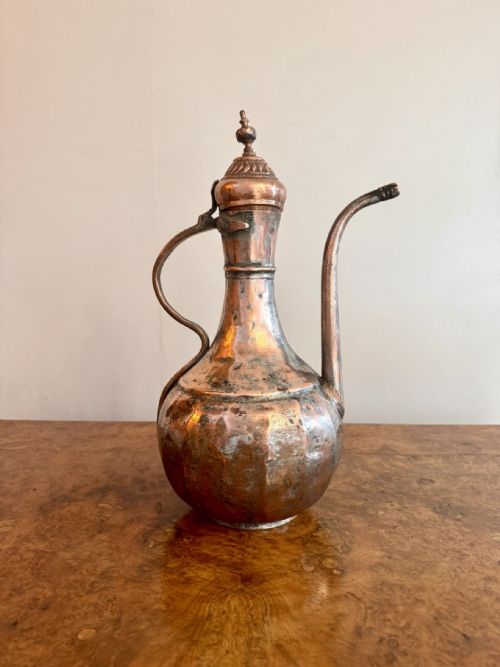
Preservation of fragile elements like finials, lids, and delicate spouts dictates value, alongside the survival of matched sets rather than isolated components. Patina on copper and brass indicates age and usage, though excessive pitting diminishes the appeal.
Paul Storr·Matthew Boulton·Joseph Craddock·Thomas Harley·Boardman Glossop And Co
The 19th Century Teapot Glossary
- Jasperware
- A type of fine stoneware developed by Wedgwood, featuring a matte surface often adorned with white neoclassical reliefs against a coloured ground.
- Ironstone
- A heavy durable ceramic patented in the early 19th century to imitate Chinese porcelain while offering greater strength for daily domestic use.
- Sheffield Plate
- An early composite material made by fusing a thin sheet of silver to a thicker copper base, common in tea vessels before electroplating.
- Repoussé
- A metalworking technique where a silversmith hammers and pushes the design from the reverse side to form raised ornamentation on the exterior.
- Finial
- The small decorative knob attached to the top of a teapot lid, which often takes distinctive shapes like foliage, animals, or figural forms.
19th Century Teapot: Frequently Asked Questions
How do I date a ceramic teapot?
Dating relies on factory marks, glaze types, and stylistic indicators such as transfer-printed patterns or moulded reliefs. Comparing the shape to documented eras helps narrow the production window.
Pottery bodies and base stamps provide definitive clues for pieces originating from major Staffordshire works or continental factories.
Were these metal teapots used daily?
Many silver and plated examples saw regular service in middle and upper class homes throughout the Victorian era. Sturdier copper kettles were kept directly on hearths or stoves for continuous boiling.
Heavily crested or engraved pieces often belonged to formal dining services rather than casual tea drinking.
How should I clean antique copper?
Maintenance requires gentle washing with warm soapy water to preserve the dark oxidation and historic surface character known as patina. Harsh chemical dips strip away age and diminish the visual depth of the metal.
A soft cloth helps remove dust without risking the integrity of older soldered seams.
What is the difference between porcelain and ironstone?
Porcelain is a vitreous, translucent ceramic fired at high temperatures, creating a ringing tone when struck. Ironstone is an opaque, dense earthenware designed to resist chipping.
Ironstone pieces generally feel heavier in the hand and show less translucency than fine porcelain imports.