


White Ceramic Teapot
A white ceramic teapot brings centuries of porcelain and earthenware craft to the table, uniting daily utility with fine historical design.
White Ceramic Teapot
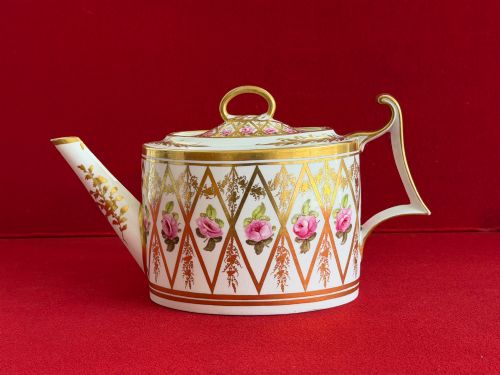
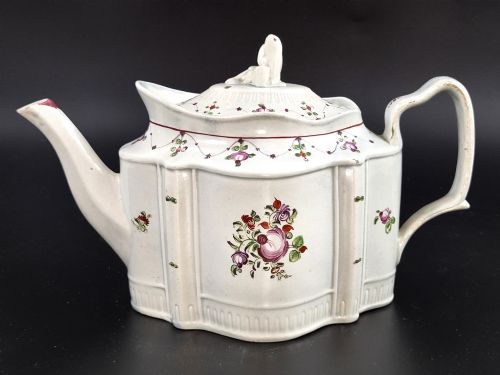
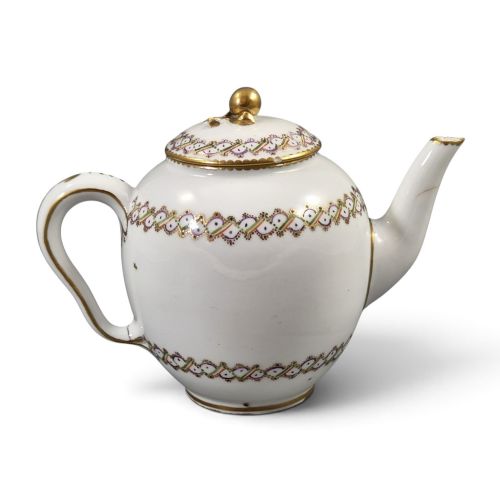
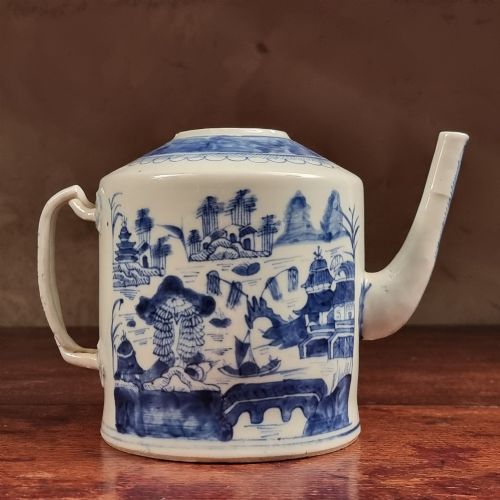
A white ceramic teapot spans delicate porcelain creations and sturdy earthenware pieces produced across the seventeenth, eighteenth, and nineteenth centuries. Collectors encountering this phrase will find domestic vessels ranging from early English soft-paste examples to Chinese export porcelain and Victorian transfer-printed sets.
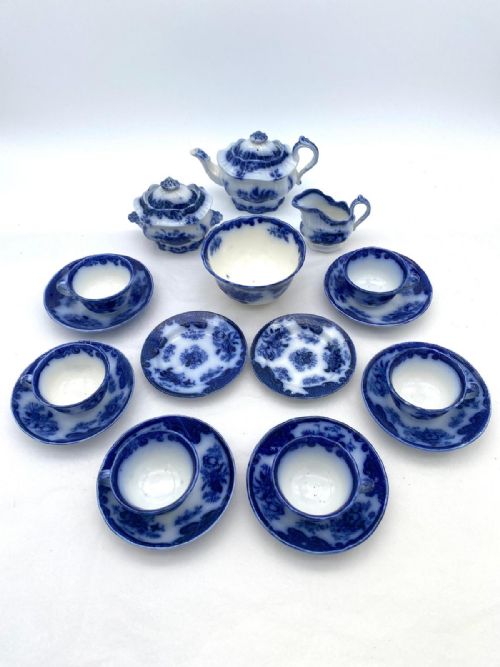
The selection includes forms such as commode-shaped pots, octagonal vessels, and miniature tea services alongside related ewers and creamers. These items cross various regional traditions, notably English factories like Worcester and Staffordshire alongside Asian export wares.
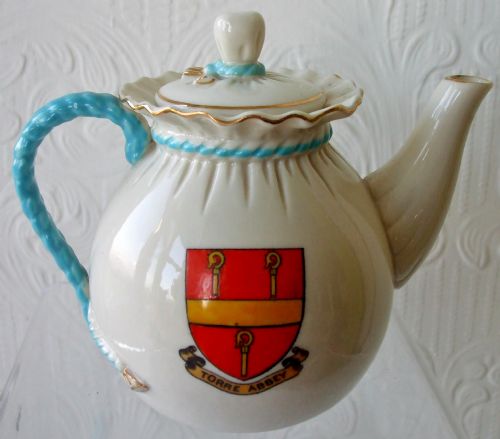
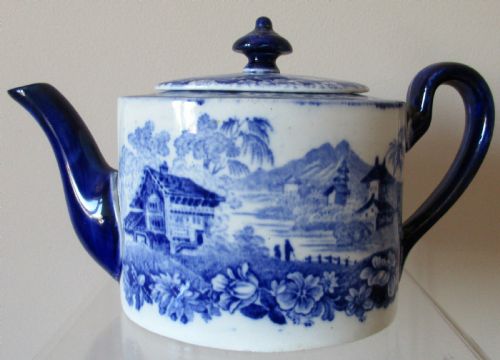
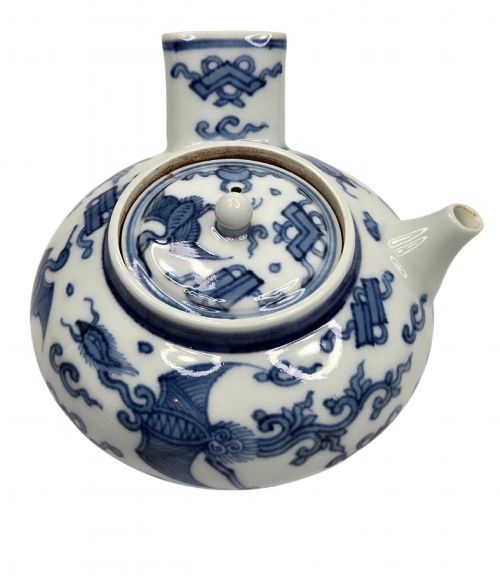
Pieces frequently display specific decorative motifs, including cobalt glaze, enamel flowers, and chinoiserie panels. Buyers select these items for both display and historical interest, connecting directly with past tea-drinking customs.
How they were made
Potters utilised materials such as porcelain, soft-paste porcelain, earthenware, and stoneware, often finishing vessels with lead or cobalt glazes. Artisans shaped these mediums by hand or mould before applying transfer printing, enamel painting, or gold leaf highlights.
Firing techniques varied from high-temperature kilns for durable stoneware to lower-temperature methods for soft-paste bodies. Decorative elements like widow finials, flower head knops, and wicker cases were integrated during assembly to complete each vessel.
Listings feature white ceramic teapots spanning periods from the seventeenth century through the 1920s, including soft-paste porcelain and stoneware.
What varies in quality
The standard of a piece rests upon the crispness of its moulding and the precision of its painted or transfer-printed decoration. Early porcelain bodies and carefully executed cobalt or enamel work demonstrate superior technical skill from the maker.
Detailing such as hand-gilt highlights, well-balanced spouts and handles, and intact original covers elevate an object. The provenance and historical attribution to notable English and continental potteries further define the standing of individual items.
Derby Porcelain·Royal Sèvres Porcelain·Mintons·Copeland Spode·Thomas Wolfe·Philip Christian·Wedgwood·Enoch Wood And Sons·Thomas Harley
The White Ceramic Teapot Glossary
- Soft-paste porcelain
- A ceramic material made from clay mixed with ground glass and other ingredients, fired at lower temperatures than hard-paste porcelain. It is common in eighteenth-century English manufactories.
- Cobalt glaze
- A blue colouring oxide applied beneath or over the glaze before firing, producing deep blue designs. This technique is prominent in Chinese export and early English blue and white wares.
- Widow finial
- A small knob on top of a teapot lid, shaped like a mourning figure. This decorative element appears on early nineteenth-century earthenware vessels.
- Transfer printing
- A method of applying detailed designs to pottery by transferring ink from an engraved copper plate onto paper and then onto the ceramic body. It allowed for intricate patterns like flow blue scenes.
- Ewers and pitchers
- Pouring vessels closely associated with tea and beverage service in historical collections. They share manufacturing techniques and decorative styles with contemporary teapots.
White Ceramic Teapot: Frequently Asked Questions
How do I date a ceramic teapot?
Dating relies on identifying the material, glaze type, factory marks, and stylistic markers such as shape and decorative technique. Comparing the potting style to known production periods helps narrow down the decade of creation.
Examination of the base and interior wear can also reveal manufacturing methods characteristic of specific centuries like the eighteenth or nineteenth.
Were these teapots used daily?
Many historical teapots served practical roles in domestic tea service, while others were made as commemorative or decorative display items. Signs of wear inside the body often indicate actual use for brewing tea in period households.
Smaller solitaire sets and child's tea services suggest specialised uses for single drinkers or domestic play during the Victorian era.
How should I clean an antique teapot?
Careful dusting with a soft, dry cloth is usually sufficient for maintaining glazed ceramic and porcelain surfaces. Avoid harsh abrasives or soaking pieces with metal collars or delicate enamel decoration.
Professional advice should be sought if dealing with unstable glazes, cracks, or historical repairs on early earthenware.
What is the difference between earthenware and porcelain?
Earthenware is made from coarser clay fired at lower temperatures, resulting in a porous body that requires a complete glaze to hold liquids. Porcelain uses finer materials fired at much higher temperatures to create a vitrified, non-porous ceramic.
Porcelain often appears more translucent under strong light compared to heavier earthenware vessels.