




Georgian Tea Service
A georgian tea service brings the elegance of the eighteenth and nineteenth centuries directly to the table.
Georgian Tea Service
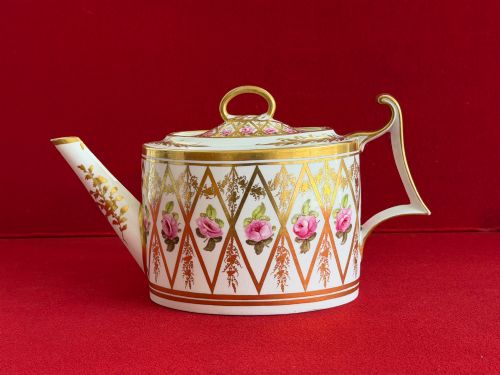
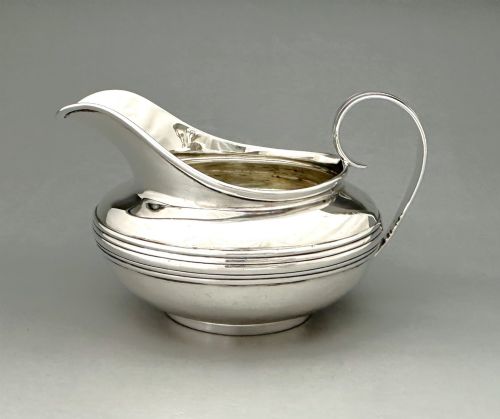
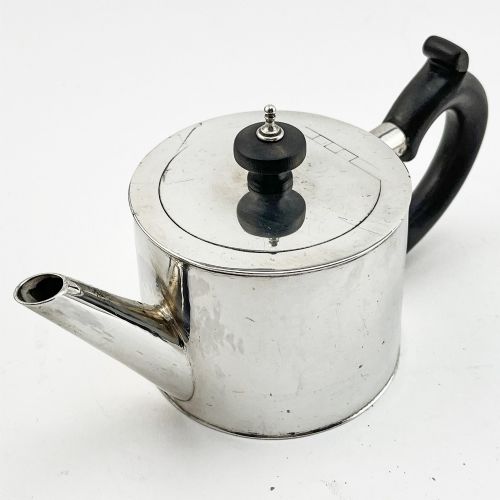
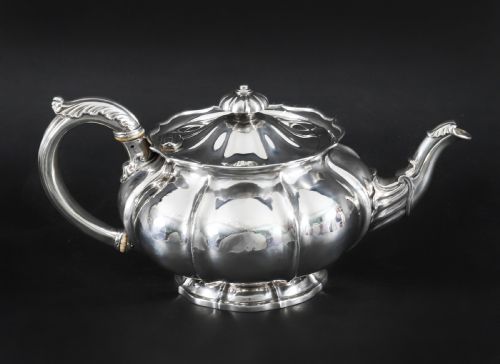
A georgian tea service comprises matching or assembled sets of vessels designed for the formal serving of tea, including teapots, cream jugs, sugar bowls, and tea cups and saucers.
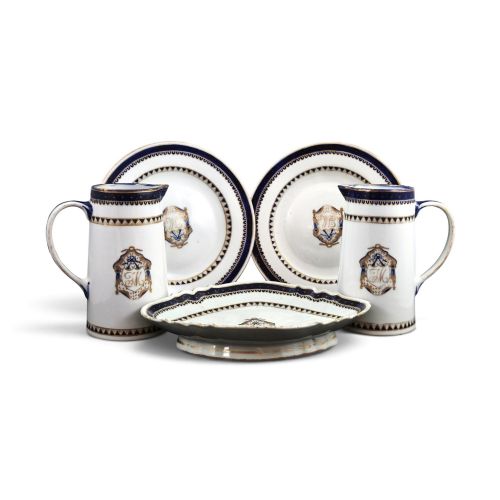
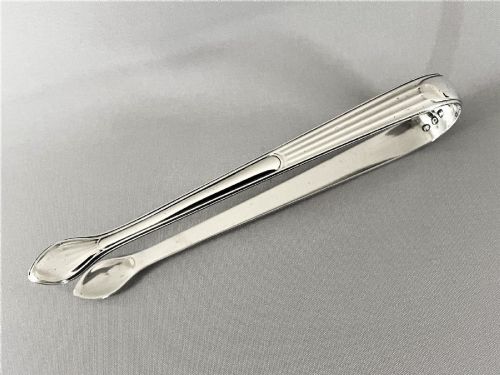
The pieces on this page span the eighteenth and nineteenth centuries, featuring styles from George III and George IV reigns alongside Regency and Chinese export examples.
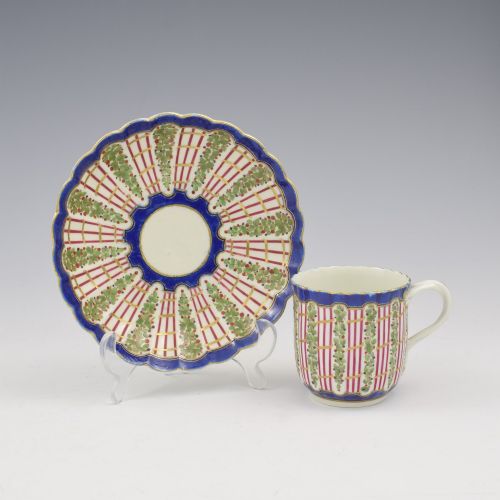
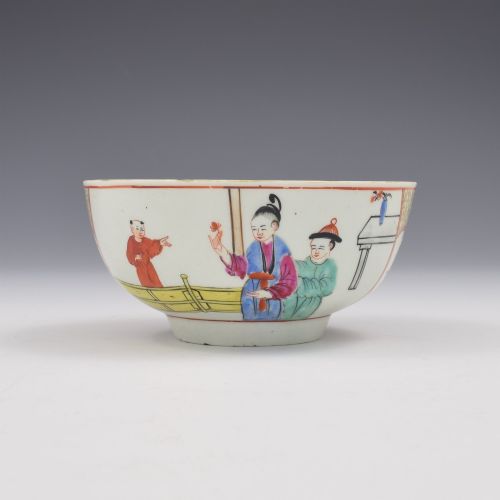
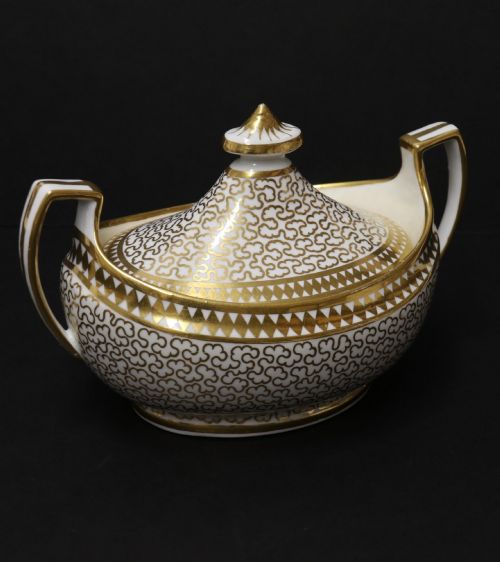
Buyers will encounter both complete multi-piece sterling silver sets and individual ceramic components like sucriers, coffee cups, and slop bowls originating from factories such as Worcester and Derby.
Materials and Craftsmanship
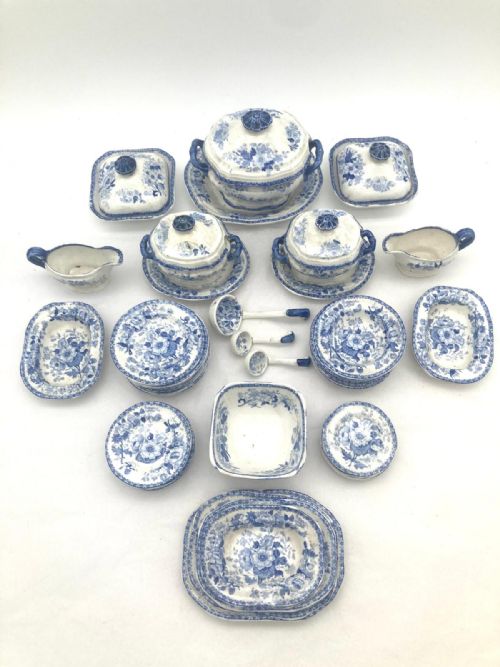
Makers utilised sterling silver and Old Sheffield Plate alongside soft-paste porcelain, earthenware, and enamel, often enriched with gold leaf and blue and white transfer printing.
Silversmiths shaped metal through hammering, casting, and piercing, while porcelain works applied hand-painted enamel decoration and intricate patterns to moulded bodies.
Listings feature sterling silver, soft-paste porcelain, and Old Sheffield Plate across George III, Regency, and Victorian periods.
Distinctions in Quality
Quality rests upon the crispness of the silversmith's chasing and engraving, or the precision of the hand-painted enamel and gilding on porcelain bodies.
Sets bearing clear hallmarks from notable makers command greater attention than unmarked provincial pieces, while harmonious matching sets surpass assembled collections in coherence.
Bateman Family·Paul Storr·Robert Hennell I·John Emes·Thomas Tookey·Joseph Craddock·Benjamin Smith·Solomon Hougham
The Georgian Tea Service Glossary
- Sucrier
- A covered sugar bowl designed to hold loose sugar during tea service. These often match the teapot and cream jug in material and pattern.
- Soft-paste porcelain
- A ceramic material composed of clay and glass frit, fired at lower temperatures than hard-paste porcelain. It was widely used by eighteenth-century English factories like Worcester and Derby.
- Old Sheffield Plate
- A composite material formed by fusing a thin sheet of silver to a thicker copper base. It creates durable vessels with the appearance of solid silver.
- Slop bowl
- A bowl used during tea service to discard leftover tea leaves and dregs from the cups. They frequently matched porcelain tea sets of the period.
- Sugar nips
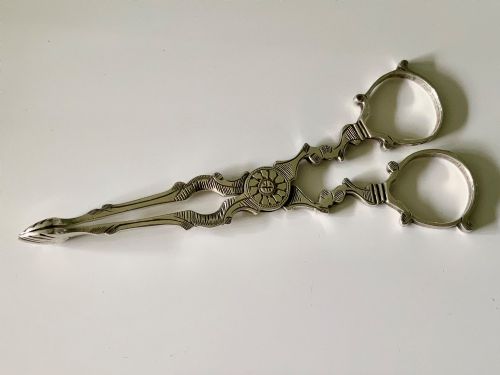
- Small scissor-like tongs utilised for handling sugar lumps before sugar tongs became standard. They appear frequently in silver service collections.
Georgian Tea Service: Frequently Asked Questions
What pieces belong in a service?
A standard set includes a teapot, cream jug, and sugar bowl, while larger services add coffee pots, slop bowls, and multiple cups and saucers.
Individual components were often acquired separately or expanded over time to suit the household.
How do I care for silver?
Sterling silver and Old Sheffield Plate require gentle cleaning with non-abrasive polishes and soft cloths to preserve the original surface.
Regular use actually helps prevent tarnish accumulation on areas handled frequently during tea service.
Can I use porcelain daily?
Eighteenth and nineteenth-century porcelain pieces, particularly soft-paste items, demand careful hand washing rather than dishwasher exposure.
Thermal shock should be avoided by not pouring boiling water directly into ice-cold ceramic vessels.
How are periods identified?
Silver pieces rely upon assay office marks, date letters, and maker stamps stamped directly into the metal.
Porcelain relies on underglaze factory marks, pattern numbers, and stylistic shifts between George III, Regency, and Victorian eras.