


Vintage Ceramic Teapot
A vintage ceramic teapot brings functional history to the table, offering a tangible connection to nineteenth and twentieth-century tea rituals.
Vintage Ceramic Teapot
When buyers search for a vintage ceramic teapot, they encounter a diverse array of forms spanning the eighteenth, nineteenth, and early twentieth centuries. The selection includes individual bachelor teapots, larger tea services, and oriental vessels accompanied by wicker cases.
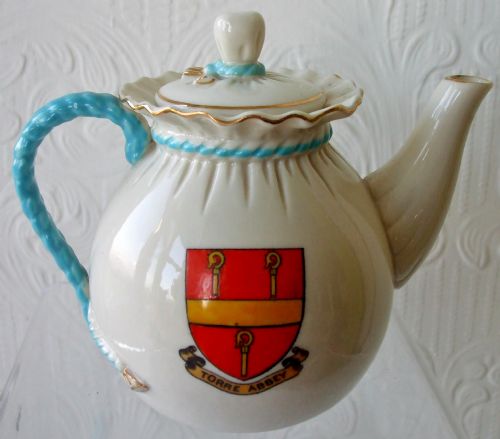
Most items reflect traditional English production alongside continental European wares and Japanese exports. Pieces range from Victorian porcelain to Edwardian folk pottery and Art Deco designs by makers such as Clarice Cliff and Wedgwood.
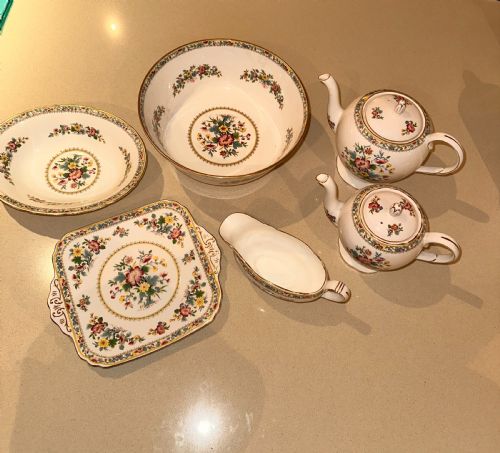
Buyers will find everything from blue and white transfer-printed earthenware to intricate hand-painted porcelain breakfast sets. These domestic objects demonstrate the changing aesthetic preferences of tea drinkers across successive eras.
How they were made
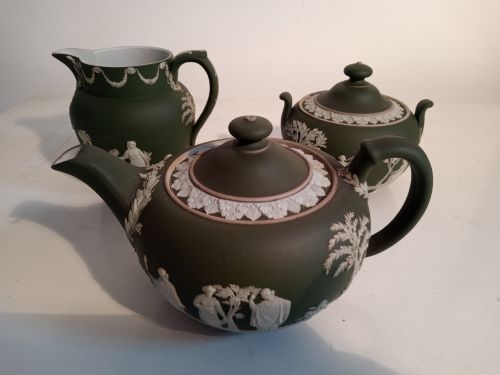
Potters utilised materials such as bone china, porcelain, ironstone, stoneware, earthenware, and jasperware to form the bodies of these vessels. Many examples employ glazes and enamel decoration to achieve their distinctive surface patterns.
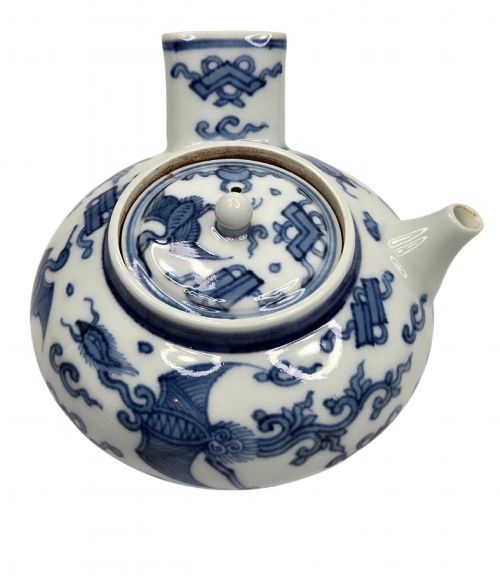
Finishing touches often involve hand-painting and the application of gold leaf gilding to handles, spouts, and rims. Specialised techniques include agateware mixing and intricate cobalt blue transfer printing.
Some items incorporate protective elements or functional additions, such as fitted wicker carrying cases or integrated silver collars. These supplementary materials highlight the careful construction of nineteenth and twentieth-century table wares.
Decorative techniques include hand-painted fruit, cobalt blue transfer printing, and applied gold leaf gilding.
What varies in quality
The sophistication of the painting and the precision of the gilding set superior examples apart from standard production. Hand-painted botanical, figurative, or fruit motifs demonstrate greater artistic skill than transfer-printed alternatives.
The choice of body material also influences the refinement of the piece, with translucent porcelain and fine bone china representing higher manufacturing standards than robust ironstone or heavy earthenware.
Historical provenance and recognizable factory attribution elevate the desirability of a vessel. Pieces bearing marks from established potteries or documented periods carry stronger historical interest.
W.H. Goss·Royal Davenport·Clarice Cliff·Mintons
The Vintage Ceramic Teapot Glossary
- Jasperware
- A type of fine stoneware developed by Josiah Wedgwood, characterised by a matte surface and contrasting moulded white reliefs.
- Ironstone
- A durable type of earthenware patented in the nineteenth century to imitate porcelain while offering greater strength for daily use.
- Agateware
- Pottery made by blending different coloured clays to produce a marbled or veined pattern resembling natural stone.
- Sometsuke
- Japanese porcelain decorated under the glaze with cobalt blue pigment.
- Bone china
- A type of porcelain composed of clay mixed with bone ash, resulting in high strength and milky translucency.
Vintage Ceramic Teapot: Frequently Asked Questions
Can I use an antique teapot daily?
Most vintage ceramic teapots remain structurally sound for regular use, provided they receive careful manual washing.
Thermal shock can crack older ceramics, so warming the pot gradually with warm water before adding boiling liquid prevents damage.
How do I date an unmarked teapot?
Dating relies on examining the ceramic body, glaze characteristics, and decorative style alongside any impressed numbers or registry marks.
Shape profiles and handle attachments also shift across periods, helping to narrow the era of production.
What is a bachelor teapot?
A bachelor teapot is a smaller single-serving vessel designed for one person, often produced as part of a breakfast set.
These compact pots frequently appear in nineteenth-century English and continental ceramics.
How should I clean my teapot?
Gentle hand washing with warm water and a soft cloth preserves delicate enamels and gold leaf gilding.
Harsh abrasives and dishwashers will erode surface decoration and should be strictly avoided.