
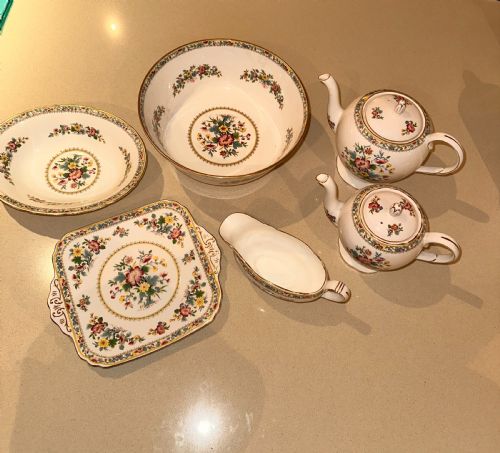


Gilt Porcelain Teapot
A gilt porcelain teapot brings hand-painted ceramic and glittering gold leaf to the table, offering a fine centrepiece for afternoon tea.
Identifying a gilt porcelain teapot
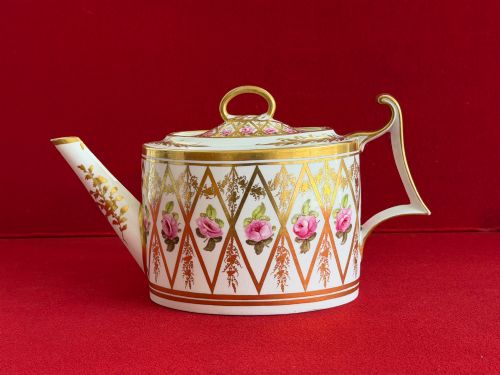
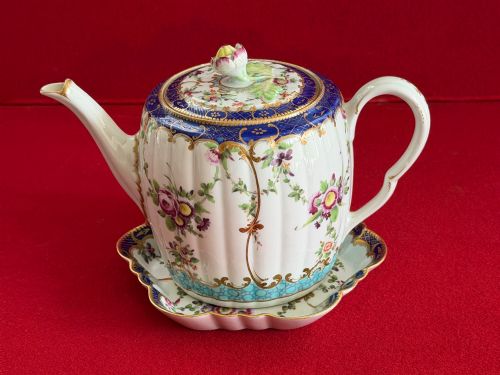
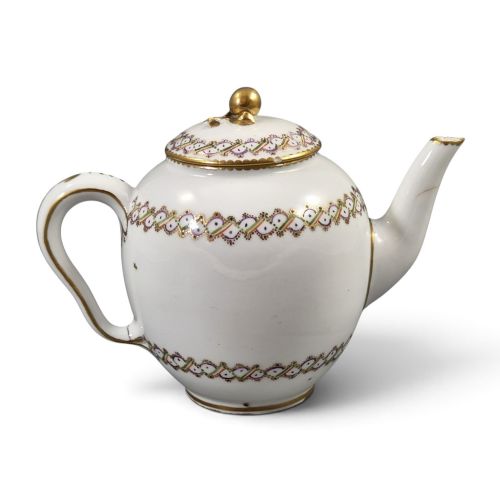
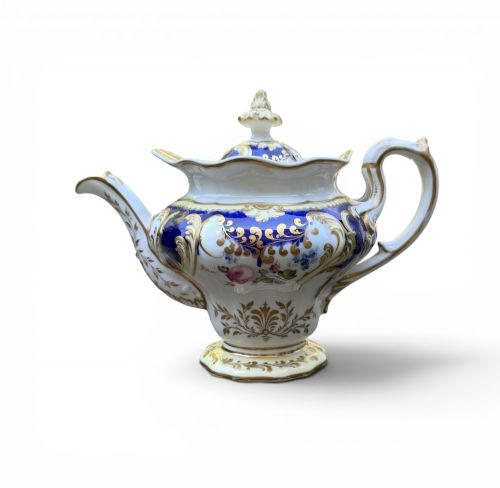
A gilt porcelain teapot forms part of fine ceramic tableware designed for serving tea, combining fired clay with painted decoration and gold leaf. The pieces meeting this search phrase range across Georgian, Regency, and Victorian periods.
The forms found in these listings include traditional barrel shapes, calabre tea vessels, and miniature toy teapots alongside larger tea services and dinnerware. Makers and factories span traditional English workshops and continental potteries.
Examples date from the eighteenth century through the late nineteenth century, showing stylistic influences such as Louis XVI and traditional English designs. Buyers encounter individual vessels complete with stands or matching cups and saucers.
Materials and construction
These items utilise fine ceramic bodies formed from porcelain, providing a smooth white base for detailed hand-painted designs and enamel decoration. Artisans shaped the clay into specialised forms like barrels and miniature toy vessels.
Application of gold leaf and gilding highlights specific contours, handles, spouts, and rims, contrasting with the painted enamel surfaces. Firing techniques fixed the colours and the precious metals permanently to the ceramic body.
Retail Price Guide 2026
Typical UK retail prices for gilt porcelain teapot, calculated from the Sellingantiques database of over a million retail prices indexed since 2003. This retail price guide relies exclusively on Sellingantiques data; no external sources or auction records are used, so the figures do not describe the wider market.
Some miniature teapots are so small they could barely brew a single sip for a thimble.
Assessing quality
Quality rests in the precision of the hand-painted enamel decoration and the finesse of the applied gilding across the porcelain body. Early English and continental works demonstrate distinct mastery in the kiln and the brush.
The survival of delicate elements such as spouts, handles, and accompanying stands dictates the integrity of each piece. Superior examples maintain the crispness of their original gold leaf and painted details through centuries of use.
The Gilt Porcelain Teapot Glossary
- Porcelain
- A hard, fine-grained ceramic material fired at high temperatures to create a translucent and durable body. It serves as the primary canvas for gilt tea vessels.
- Gilding
- The application of gold leaf or powdered gold to the surface of ceramic objects. This technique adds metallic brilliance to rims, handles, and painted scenes.
- Enamel
- Opaque glass-like coloured paints fused to porcelain during firing. It provides the vibrant hues found in floral and pictorial motifs.
Frequently Asked Questions
How do I date a gilt porcelain teapot?
Dating relies on examining the specific ceramic body, the style of the hand-painted enamel, and the characteristics of the gilding. Forms and decorative motifs align with periods such as Georgian, Regency, and Victorian eras.
Reference marks, shape names like calabre, and historical patterns provide further clues to the decade of manufacture. Comparing the piece to documented factory output helps narrow the timeframe.
Were these teapots meant for everyday use?
Fine porcelain teapots adorned with gold leaf and intricate enamel work were primarily created for formal entertaining among affluent households. They served as status symbols during afternoon tea gatherings.
While functional as pouring vessels, their delicate gilt surfaces and hand-painted details meant owners often treated them with great care. Many survived as cabinet display pieces or within larger matched tea services.
What is a toy teapot?
A toy teapot is a miniature ceramic vessel created either as a child's plaything or as a salesman's sample. These smaller pieces replicated the exact shapes and decoration of full-sized tea service items.
Despite the small scale, makers applied the same porcelain materials, hand-painted enamels, and gilding found on standard teapots. Collectors prize them for their meticulous detail and scarcity.