


White Porcelain Teapot
A white porcelain teapot brings tactile elegance to the table, uniting historic ceramic artistry with the enduring ritual of tea.
White Porcelain Teapot
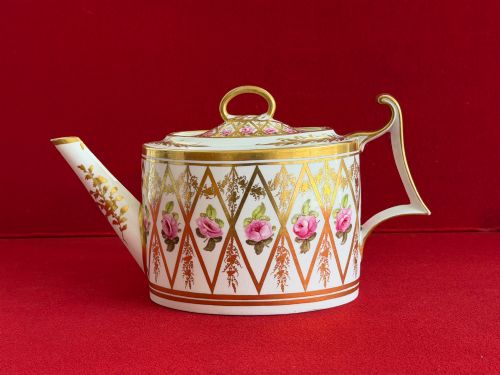
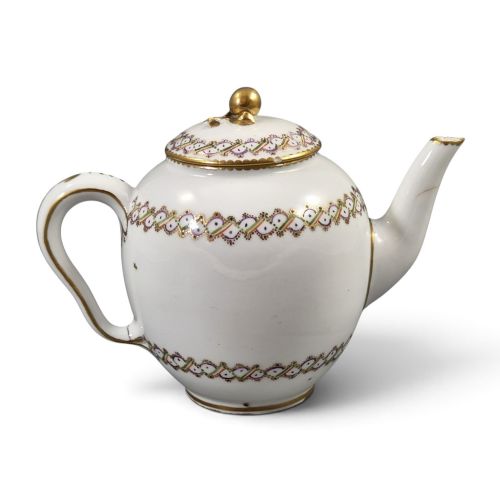
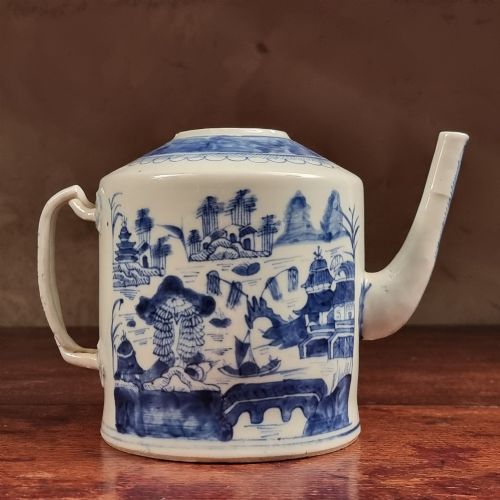
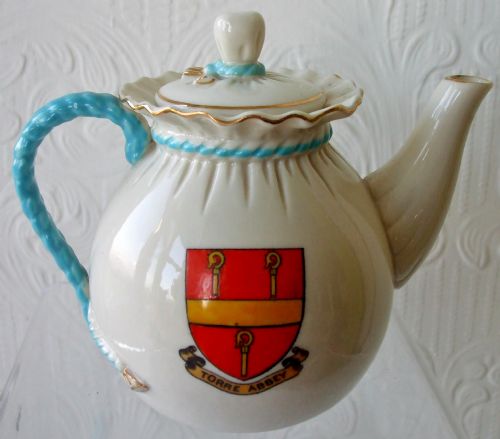
A search for a white porcelain teapot uncovers forms ranging from eighteenth-century English soft-paste bodies to nineteenth-century Victorian wares and Chinese export pieces. Buyers frequently encounter historic English manufactories alongside continental European productions and Asian ceramics.
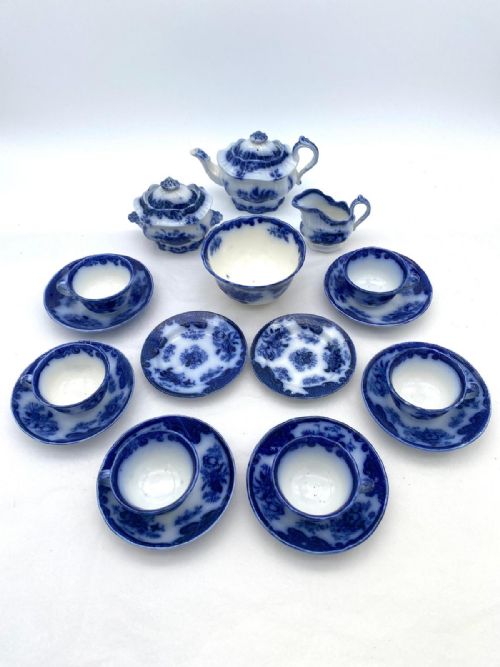
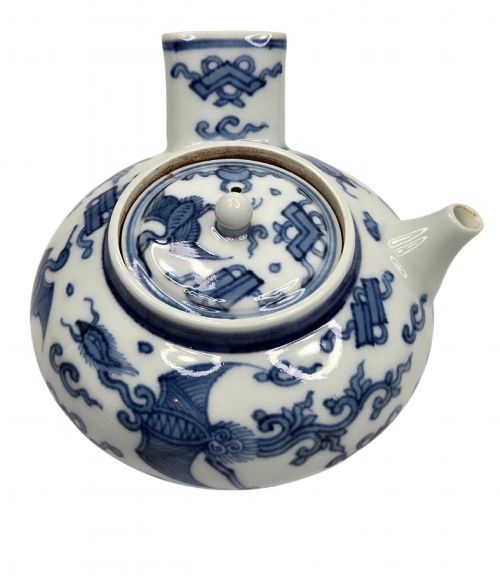
The objects take the form of standard teapots, miniature barrel vessels, tea services, and related ewers or pitchers. Many examples incorporate blue and white underglaze decoration, enamel flowers, or Chinoiserie panels alongside plain white surfaces.
Materials and methods
Potters shaped these vessels using hard-paste and soft-paste porcelain, frequently applying cobalt glaze, cobalt underglaze, or enamel paints to the exterior. Certain pieces feature applied gold leaf details or protective wicker cases.
Manufactories employed specialist techniques such as transfer printing and hand-painting over transparent glaze before high-temperature firing. Early English and Asian workshops utilised local clay bodies combined with refined petuntse and kaolin.
White Porcelain Teapot Retail Price Guide 2026
Typical asking prices for white porcelain teapot among the pieces listed under this phrase on Sellingantiques today, from the lower quarter to the upper quarter. They describe what is for sale here now, not the wider market.
Some miniature teapots come paired with their own protective wicker travel cases for safe transit.
Distinctions in craftsmanship
Quality rests upon the purity of the porcelain body, the precision of the hand-painted or underglaze decoration, and the survival of original covers and knops. Finer examples display crisp potting, stable handles, and well-balanced spouts.
The reputation of the producing factory, from Worcester and Derby to Royal Sèvres and Chinese export kilns, influences the standing of individual pieces. Artisanal mastery shows in the subtlety of enamel work and the smooth application of the glaze.
Royal Sèvres·W.H. Goss·Mintons·Thomas Wolfe·Philip Christian
The White Porcelain Teapot Glossary
- Soft-paste porcelain
- An artificial porcelain composition made from white clay and frit, fired at lower temperatures than true hard-paste porcelain. This material characterises many eighteenth-century English factory productions.
- Cobalt underglaze
- A blue pigment applied to ceramic bodies before glazing and firing, which reacts with high heat to produce a deep blue colour beneath the shiny surface. It frequently appears on Chinese export and early English wares.
- Chinoiserie
- European artistic styles reflecting Chinese motifs and decorative themes, popular on eighteenth-century ceramics. Painters used these imaginary oriental scenes to decorate porcelain teapots.
- Knop
- A small decorative knob or handle attached to the lid of a teapot. Potters often shaped these as flower heads or moulded scrolls.
White Porcelain Teapot: Frequently Asked Questions
How do I date an old teapot?
Dating relies on examining factory marks, glaze characteristics, and potting styles recorded in historical ceramic references. Comparing the handle shape and spout formation to documented periods helps narrow the manufacturing decade.
Material composition also assists attribution, as soft-paste bodies differ visibly under magnification from nineteenth-century ironstone or hard-paste porcelain.
Can I use these teapots daily?
Historic porcelain teapots require gentle handling due to their age, fragile handles, and delicate enamel decorations. Many collectors prefer to display them or restrict their use to special occasions.
Hand-washing with mild soap protects the antique glaze and prevents thermal shock from boiling water.
What is Chinese export porcelain?
Chinese export porcelain refers to ceramics made in China specifically for European and Western markets during the Qing dynasty and earlier periods. These pieces combine traditional Chinese shapes and painting techniques with Western vessel forms.
They frequently feature blue and white decoration or famille rose enamels tailored to foreign tastes.
Why do some teapots lack marks?
Many eighteenth-century manufactories did not routinely stamp or paint factory marks on their porcelain wares. Unmarked pieces were identified instead by distinct body textures, glaze pooling, and pattern numbers.
Attribution for these items depends on stylistic comparisons with authenticated marked pieces from the same kilns.