


Gilded China Teapot
A gilded china teapot brings weight and hand-painted polish to the table, and these pieces span periods from Georgian to the twentieth century.
Gilded China Teapot
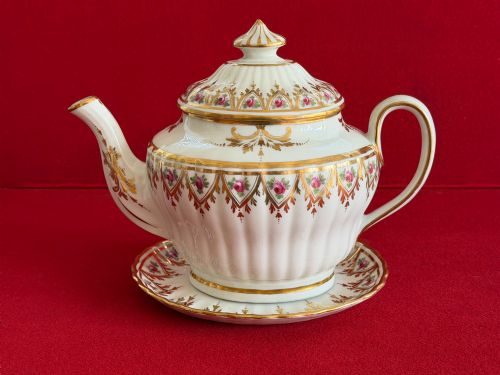
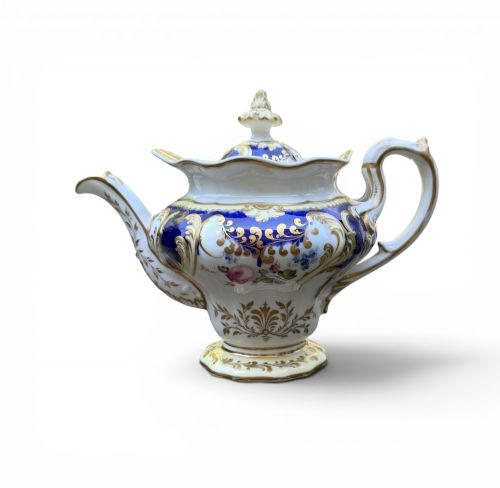
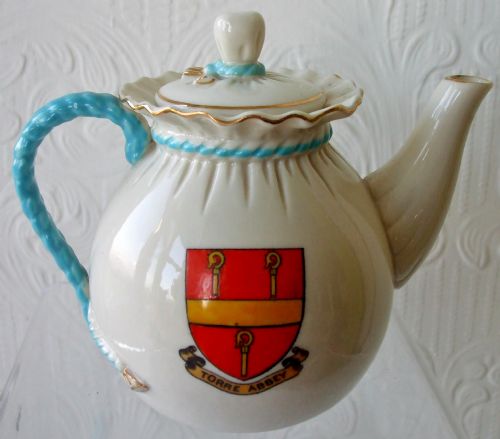
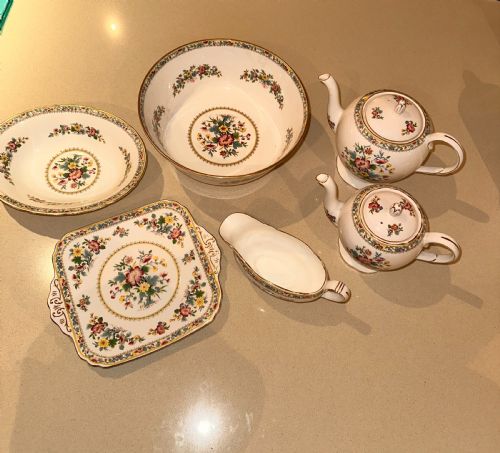
When you search for a gilded china teapot, you find items shaped by centuries of English ceramic production, from Georgian earthenware to Victorian porcelain. These objects include individual teapots and larger tea sets, often decorated with hand-painted motifs and metallic leaf.
The versions most likely to meet you on this page are nineteenth-century pieces bearing floral or patterned designs in gold leaf and enamel. You will also encounter miniature toy teapots and robust ironstone vessels designed for daily service.
Makers such as Derby, Spode, and Royal Crown Derby represent the range of origins recorded in these listings. Styles move from early Regency formality through Rococo Revival curves to Edwardian traditionalism.
Materials and construction methods
Potters shaped these vessels using porcelain, bone china, and ironstone, building the bodies through moulding and throwing. Enamel pigments were then applied by hand before the pieces underwent high-temperature firing.
Gold leaf and gilding provide the metallic finish characteristic of these items, applied to rims, spouts, and handles. Skilled artisans painted detailed scenes and patterns directly onto the ceramic surface.
Materials across these listings include bone china, porcelain, ironstone, enamel, and gold leaf.
Judging quality and execution
The fineness of the painting and the precision of the gilding separate standard production from superior examples. Hand-painted details executed with botanical accuracy indicate careful workshop execution.
The weight and translucency of the porcelain body, along with the crispness of moulded details like rococo scrolls, determine the grade of the piece. Well-preserved gilding without excessive rubbing marks the higher end of the range.
Derby Porcelain·W.H. Goss·Masons Patent Ironstone·Spode porcelain·Royal Davenport·Royal Worcester·Royal Crown Derby
The Gilded China Teapot Glossary
- Bone china
- A type of soft-paste porcelain containing bone ash, known for its high strength and milky translucency. It permits thinner walls than standard earthenware.
- Ironstone
- A heavy, durable ceramic patented in the nineteenth century to imitate Chinese porcelain. It resists chipping and forms robust utilitarian teapots.
- Gilding
- The application of gold leaf or powdered gold paint to the surface of ceramic objects. It highlights rims, handles, and decorative borders.
- Rococo Revival
- A nineteenth-century design style marked by asymmetric C-scrolls, naturalistic floral motifs, and ornate curves. It influenced the moulded shapes of many Victorian teapots.
- Imari
- A decorative style featuring rich underglaze blue and iron-red highlights with added gold. Victorian potteries adopted this palette for decorative tea services.
Gilded China Teapot: Frequently Asked Questions
How do I date a gilded teapot?
Examine the ceramic body, glaze characteristics, and any makers marks stamped or painted on the base. Stylistic clues like rococo curves or Regency shapes also help narrow down the decade.
Comparing pattern numbers and decorative techniques against known factory records provides further chronological accuracy.
Can I use these teapots daily?
While many of these ironstone and bone china teapots were made for functional use, antique gilding requires gentle hand washing. Modern dishwashers and abrasive scrubbers will damage the gold leaf.
For fragile porcelain or miniature pieces, careful display is usually preferred over practical kitchen service.
What is ironstone china?
Ironstone is a dense, durable ceramic developed in the nineteenth century to provide a tough alternative to porcelain. It takes glazes well and withstands regular handling.
Makers like Mason utilised this material for heavy teapots and dinner services built to last.
What does a miniature teapot indicate?
Miniature teapots and toy tea sets were often produced as cabinet display pieces, dollhouse accessories, or decorator samples. They showcase the same hand-painted detail as full-sized services.
19th-century potteries frequently made these smaller versions to demonstrate painting skill.