
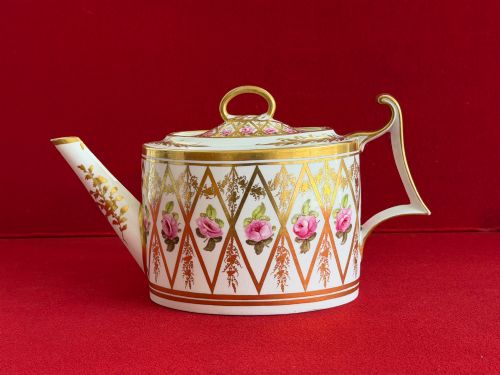
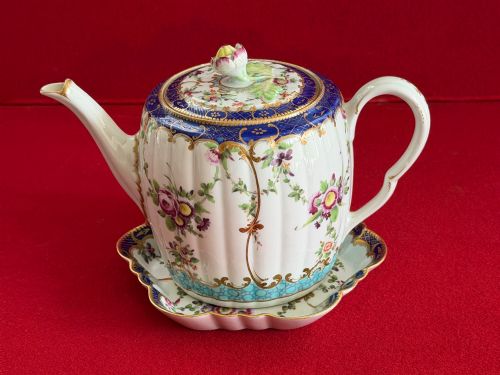
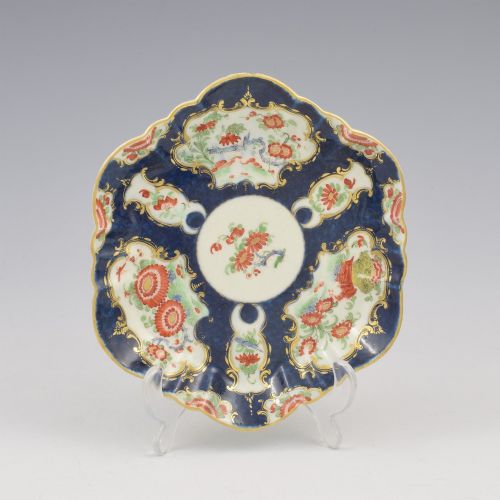
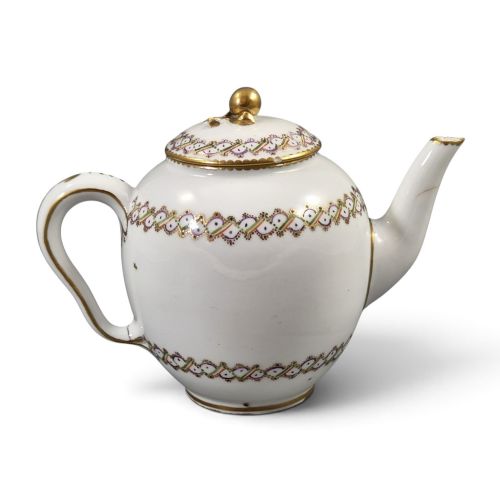


Antique Porcelain Teapot
An antique porcelain teapot brings centuries of ceramic artistry and refined social history straight to the daily table.
Antique Porcelain Teapot
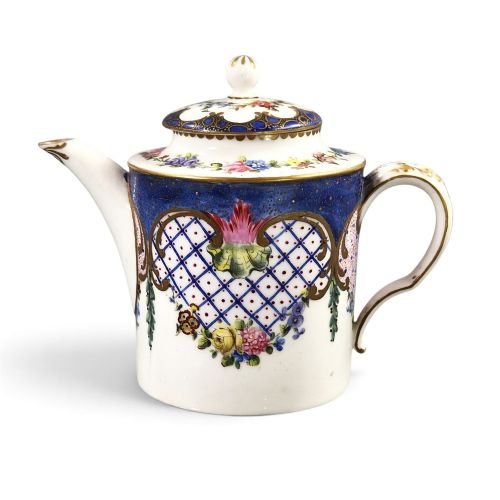
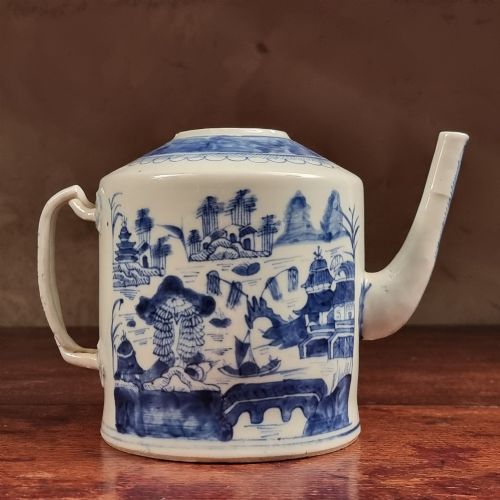
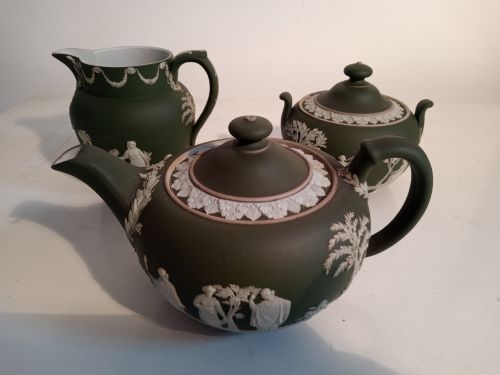
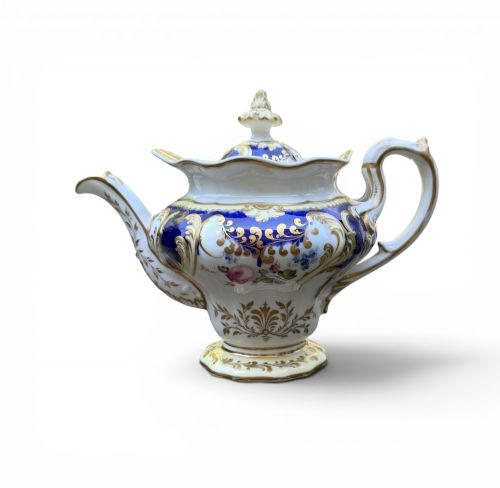
An antique porcelain teapot represents a concentrated form of ceramic history, spanning domestic wares from English factories and continental houses to East Asian export workshops. These vessels survive from periods ranging through the eighteenth and nineteenth centuries, taking forms from simple barrel shapes to elaborate rococo and neoclassical designs.
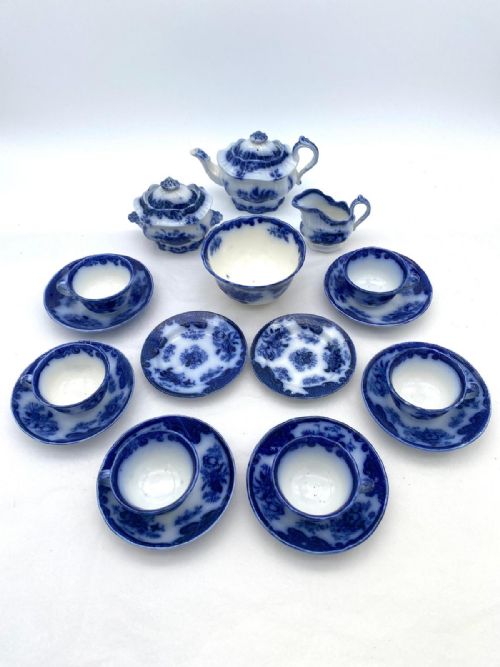
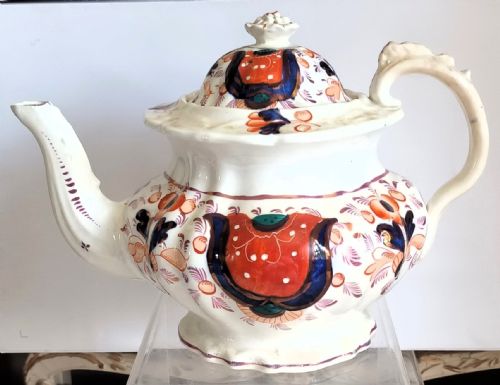
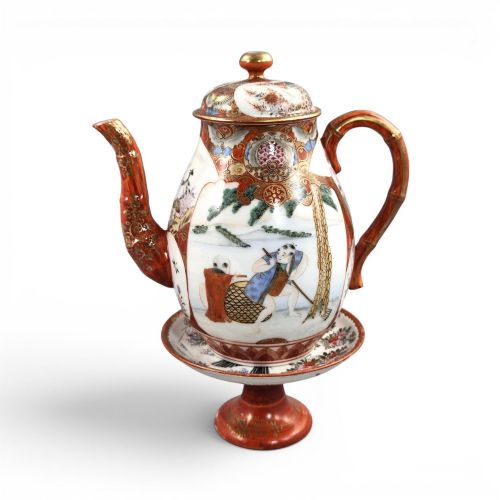
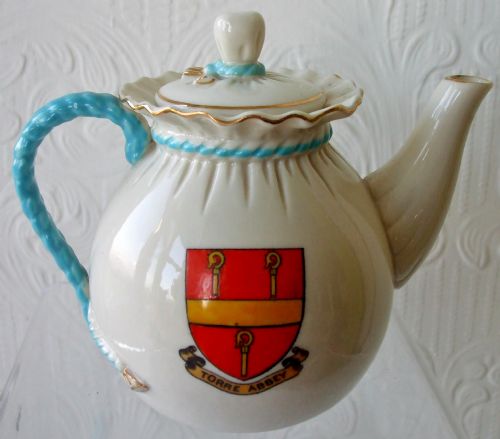
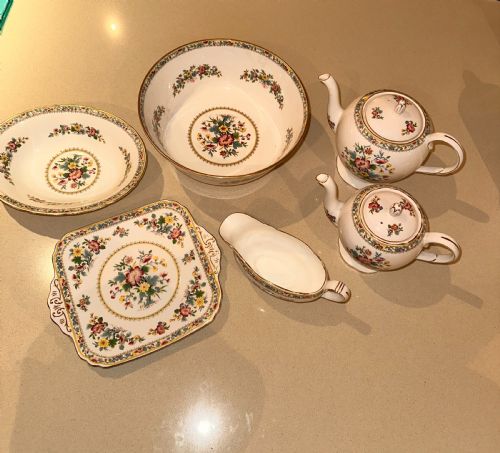
Buyers encounter everything from individual solitaire vessels and bachelor sets to full tea services and associated stands. The examples on this page reflect diverse origins, including Georgian English manufactories, Victorian domestic potteries, and Japanese Meiji period kilns.
Materials and Techniques
The construction of these vessels relies on porcelain body compositions, including both hard-paste and soft-paste variations, shaped by throwing, moulding, or casting. Potters utilised cobalt underglaze, enamel pigments, and surface applications of gold leaf and gilding to decorate the finished bodies.
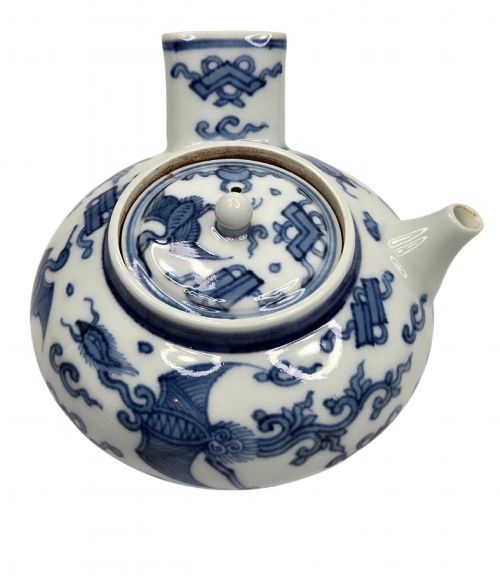
Firing techniques evolved across different centuries and regions, producing varied glaze textures such as cobalt blue and white finishes, flow blue effects, and blush ivory grounds. Artisans applied hand-painting techniques to achieve intricate chinoiserie panels, floral motifs, and geometric patterns.
Some tiny teapots came with wicker travel cases for wealthy Victorians determined to enjoy a proper brew away from home.
Distinctions in Quality
Quality in these teapots rests upon the crispness of the moulding, the fineness of the porcelain body, and the precision of the hand-painted decoration. Finer examples display harmonious proportions, carefully registered patterns, and well-executed enamels that remain crisp and vibrant.
The sophistication of the design and the reputation of the producing factory or kiln significantly influence the standing of a piece. Earlier wares often show meticulous brushwork and specialised paste formulations, whereas mass-produced nineteenth-century items exhibit differing levels of decorative complexity.
Royal Sèvres·Royal Worcester·Royal Crown Derby·New Hall·Mintons
The Antique Porcelain Teapot Glossary
- Soft-paste porcelain
- A glassy ceramic composite fired at lower temperatures than true hard-paste porcelain, common in eighteenth-century English factories. It yields a warm, slightly creamy body under the glaze.
- Underglaze
- A decorative technique where pigments are applied to the unfired ceramic body before the glaze coating is applied. This seals the colour beneath the glossy surface for permanent protection.
- Enamel
- Opaque glass-based colours applied over a fired glaze and fixed by a secondary low-temperature firing. This method allows for brilliant palettes and detailed pictorial scenes.
- Gilding
- The application of gold leaf or powdered gold to ceramic surfaces for decorative emphasis. It highlights handles, spouts, and rims on formal tea wares.
- Solitaire
- A small, single-serving tea set typically comprising a teapot, cup, and saucer designed for one person. These intimate pieces were popular for private morning use in bedrooms or boudoirs.
Antique Porcelain Teapot: Frequently Asked Questions
What is a bachelor teapot?
A bachelor teapot is a compact vessel designed to brew a single portion of tea, often paired with a matching cup and saucer.
These small-scale items were traditionally used by individuals living alone or for private morning service in bed chambers.
How do I date an old teapot?
Dating relies on examining the paste composition, glaze characteristics, factory marks, and stylistic indicators such as neo-classical or rococo shapes.
Comparing the decorative patterns and handle forms against documented examples from specific ceramic centres helps narrow the period of manufacture.
Can I use an antique teapot?
Using these delicate vessels requires caution because thermal shock and age can weaken historical ceramic bodies and old glazes.
Many collectors prefer to display them as decorative objects rather than subjecting them to daily culinary use.
What does soft-paste mean?
Soft-paste refers to an artificial porcelain mixture used by European factories before they discovered local deposits of hard-paste ingredients.
This early formulation creates a distinctively softer translucent body that interacts uniquely with glaze and enamels.