
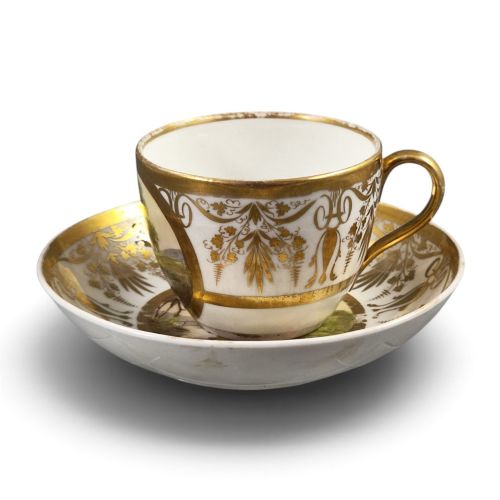
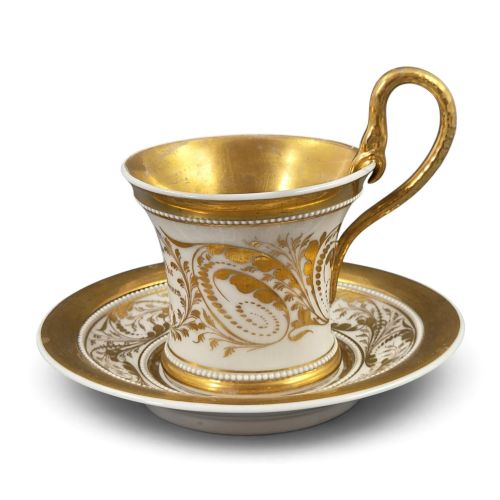
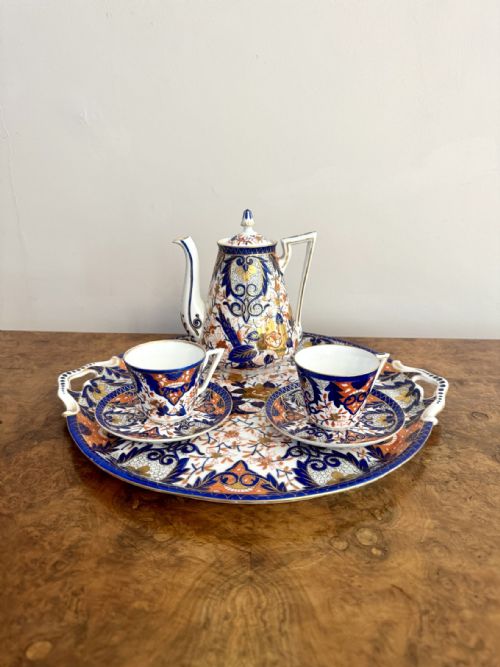
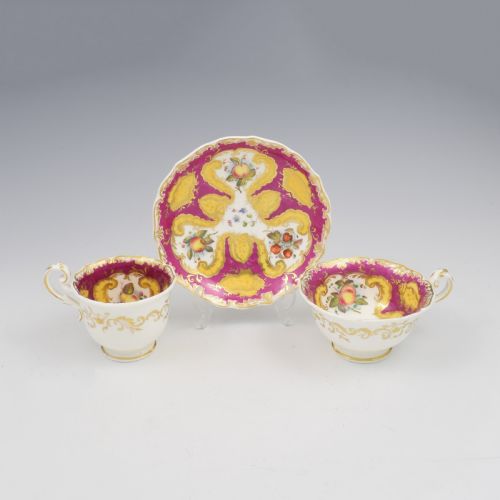


Gilt Porcelain Tea Set
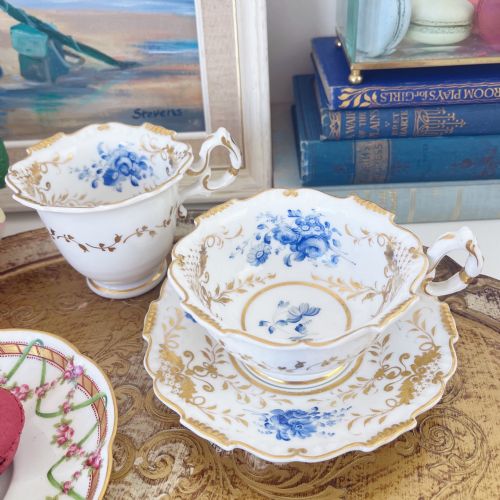
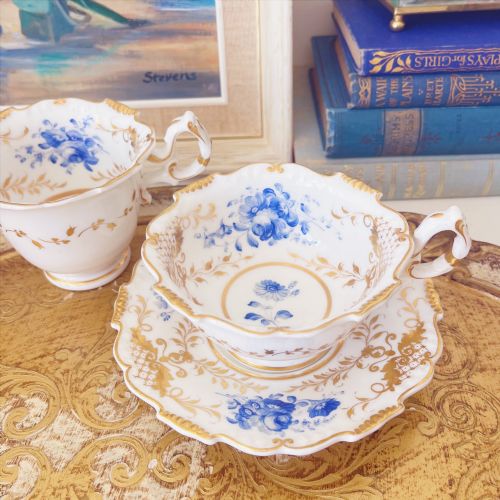
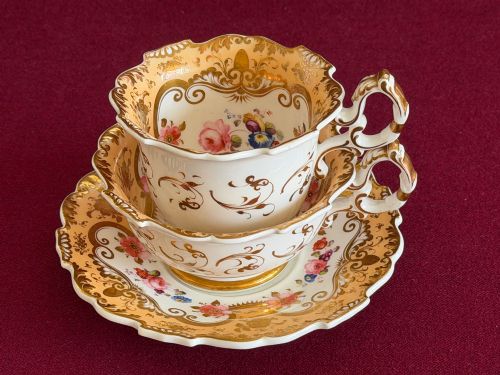
These gilt porcelain tea sets bring brilliant gold leaf and cobalt enamel to the table, offering a distinguished centrepiece for collectors of Victorian and Edwardian service ware.
What a gilt porcelain tea set is
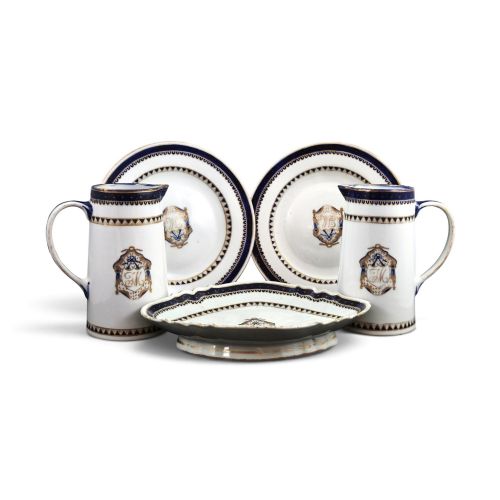
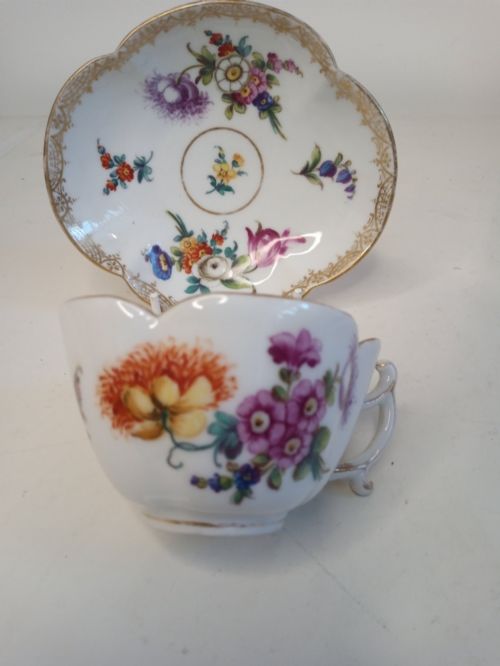
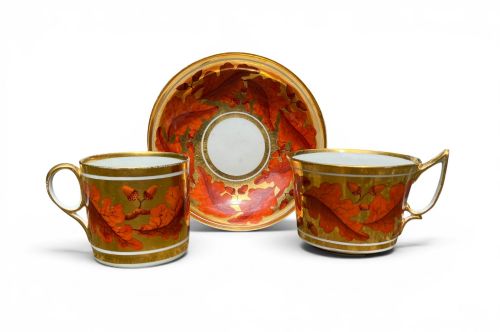
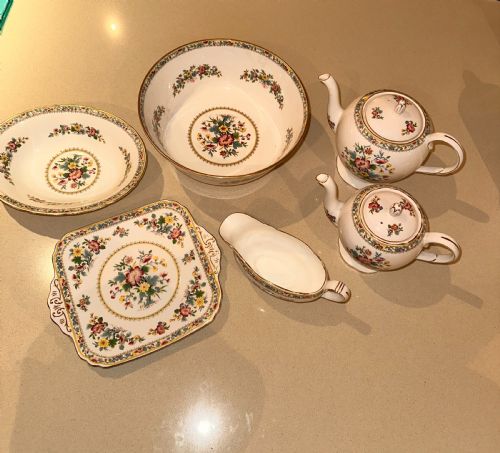
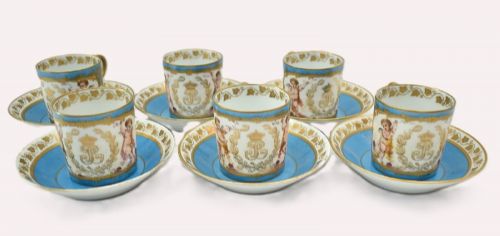
A gilt porcelain tea set comprises matched or complementary vessels designed for serving hot beverages, united by metallic gilding and painted decoration. When searching for a gilt porcelain tea set, buyers encounter tea services, breakfast sets, and coffee services spanning the nineteenth century.
The selections recorded on this page feature Victorian and Edwardian examples alongside French Rococo Revival pieces. Makers range from English factories like Coalport to continental workshops producing Old Paris wares.
Forms vary from comprehensive tea services to breakfast sets and coffee services, demonstrating the diverse social uses of porcelain during the period. Each grouping reflects the prevailing aesthetic of its production era, particularly the ornate tastes of the nineteenth century.
How they were made
These pieces utilise hard-paste porcelain and standard porcelain bodies fired at high temperatures to create durable white ceramic bases. Artisans then applied detailed enamel work, notably cobalt enamel, to provide rich contrast against the white ground.
Gold leaf and liquid gold were meticulously applied by hand to highlights, rims, and handles before a secondary firing fixed the metallic lustre. This traditional gilding technique requires steady brushwork and precise temperature control to achieve an even sheen.
Current listings feature porcelain tea sets from the nineteenth century, including Victorian and Edwardian periods alongside French Rococo Revival styles.
What varies in quality
Quality in these sets rests upon the crispness of the porcelain moulding and the precision of the hand-painted enamel and gilding. Superior examples display fine brushwork and generous gold leaf application that remains sharp across intricate moulded surfaces.
The distinction between standard production and exceptional output lies in the depth of the cobalt enamel and the weight of the porcelain body. Finer services maintain uniformity across multiple pieces, showing deliberate artistry in every cup and pot.
The Gilt Porcelain Tea Set Glossary
- Gilt porcelain
- Ceramic ware decorated with gold leaf or metallic paint fired onto the glaze. This technique adds a reflective, luxurious finish to tea services.
- Cobalt enamel
- A deep blue vitreous pigment fused to porcelain surfaces under or over the glaze. It frequently provides a striking background for gold gilding.
- Hard-paste porcelain
- A dense, vitreous ceramic composition fired at high temperatures. It resists scratching and provides a durable base for nineteenth-century tea sets.
- Petit Style
- A decorative aesthetic often associated with Old Paris porcelain production. It draws on refined historical French motifs.
- Coffee service
- A matched collection of vessels specifically proportioned for serving coffee rather than tea. These sets often include tall pots and small cups.
Frequently Asked Questions
What is a gilt porcelain tea set?
A gilt porcelain tea set is a collection of ceramic vessels decorated with gold leaf, used for serving tea or breakfast in the nineteenth century.
These sets typically include pots, cups, and saucers made from hard-paste porcelain and finished with enamel details.
How do I use a antique tea service?
Antique tea services are generally displayed as decorative objects or used carefully for special occasions to preserve their delicate gold leaf.
Hand washing in warm water without harsh detergents helps protect the cobalt enamel and metallic decoration from wear.
How do I date a Victorian tea set?
Dating a Victorian tea set involves examining the porcelain body, the style of decoration, and any factory marks on the base.
Pieces from this era often exhibit French Rococo Revival influences or specific regional characteristics tied to makers like Coalport.
What is Old Paris porcelain?
Old Paris porcelain refers to the diverse wares produced by numerous independent workshops in and around Paris during the nineteenth century.
These pieces are known for their striking use of gold leaf and vibrant enamel colours in styles such as the Petit Style.