


19th Century Porcelain Service
These pieces are a 19th century porcelain service designed for formal dining, tea, or dessert, offering elegance and historic table service traditions.
19th Century Porcelain Service
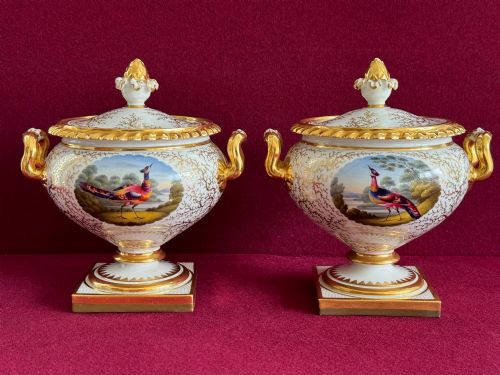
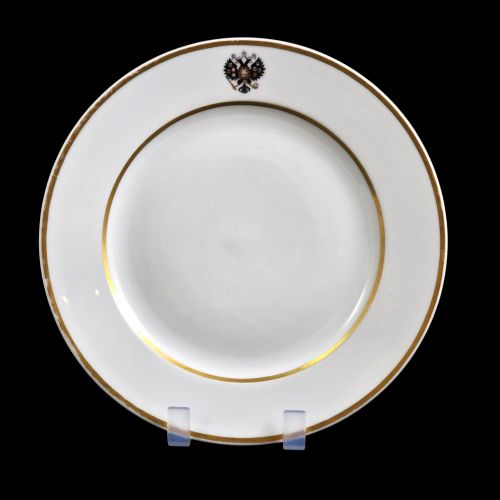
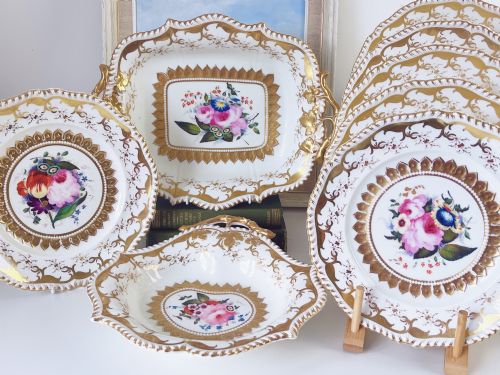
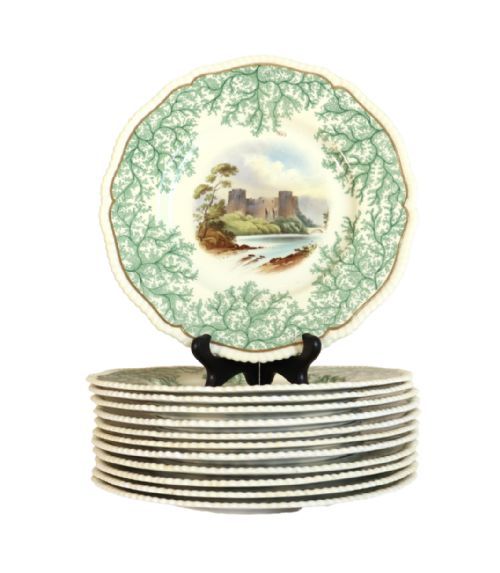
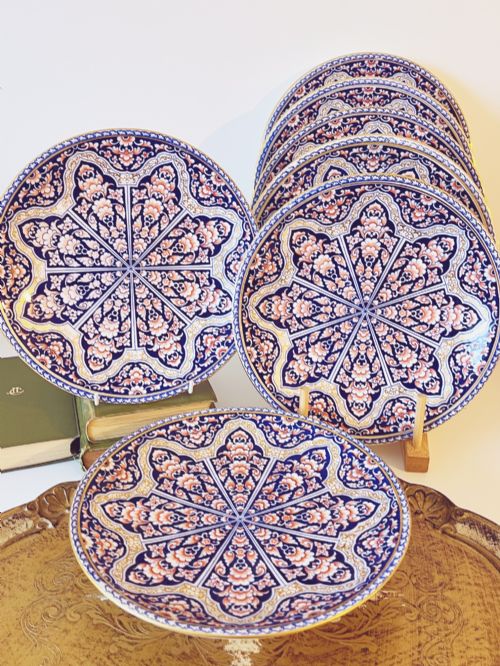
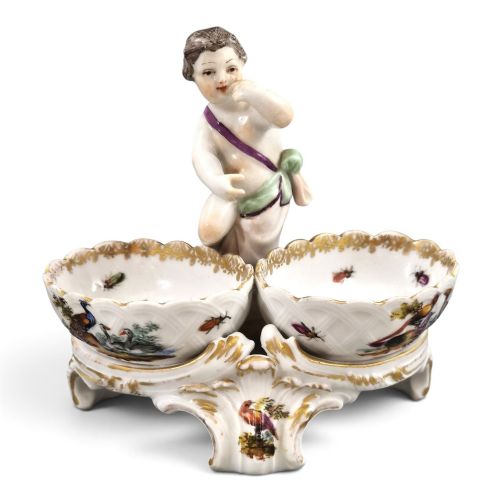
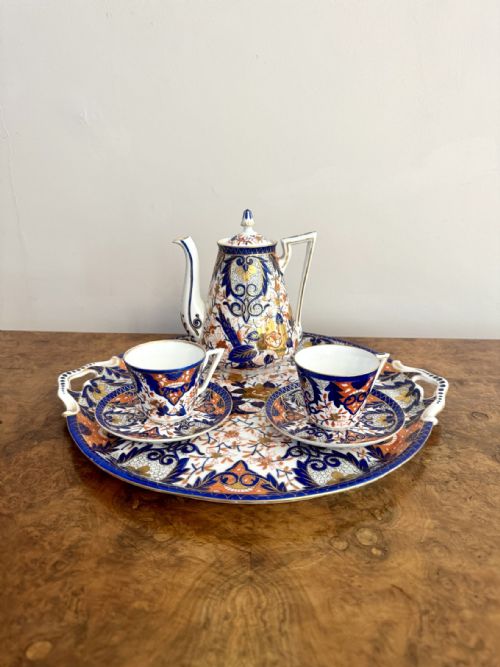
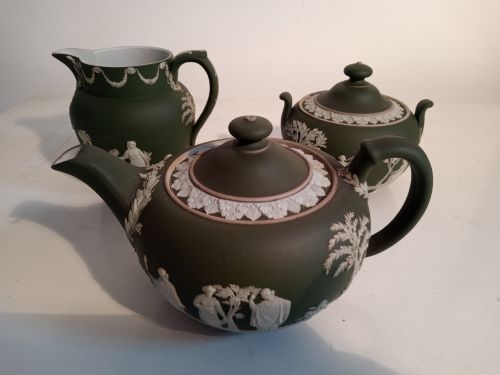
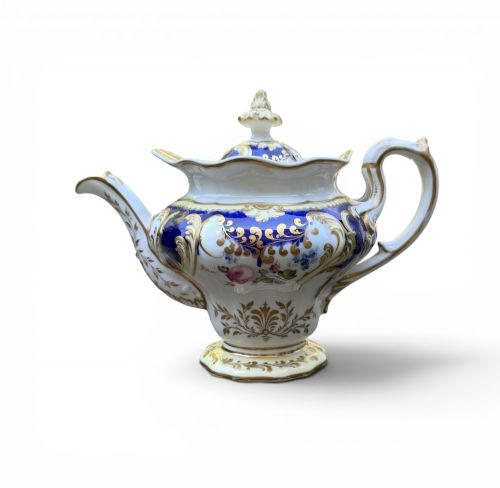
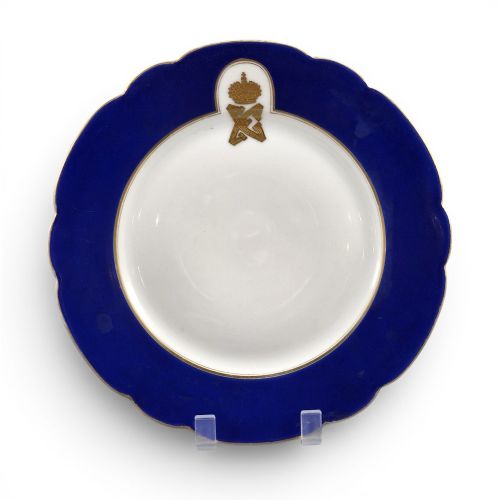
A 19th century porcelain service encompasses matched sets and multi-piece suites intended for dining, dessert, tea, and coffee presentation. The selections here include dessert services, dinner plates, tea sets, coffee sets, and individual salt cellars spanning the Georgian, Regency, and Victorian periods.
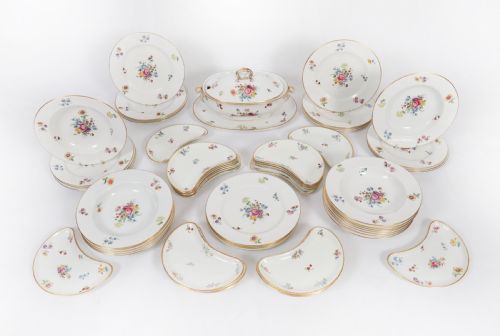
Buyers meet varied configurations ranging from grand dinner services comprising dozens of plates to intimate breakfast sets and small child's services. Dessert services featuring comports and plates remain prominent among the surviving configurations from this era.
Materials and Manufacture
The objects utilise traditional ceramic bodies including porcelain, bone china, earthenware, and ironstone. Makers employed glaze to seal the clay body, frequently applying enamel colours and gold leaf accents by hand.
Decoration techniques combined transfer printing, such as flow blue patterns, with meticulous hand-painted botanical, landscape, and floral scenes executed by skilled ceramic artists.
Listings feature porcelain, bone china, earthenware, and ironstone spanning the Georgian, Regency, and Victorian periods.
Assessing Quality and Execution
Quality separates through the precision of the hand-painted decoration, such as detailed botanical or floral studies executed by named artists, compared to standard transfer printing. The crispness of moulded rococo or neoclassical forms and the refined weight of the porcelain body further distinguish superior suites.
The application of rich gilding, enamel saturation, and the preservation of complete matched suites elevate the standing of a service. Comprehensive provenance records and factory marks from established potteries add historical weight to individual pieces.
Grainger Lee & Co·Spode·Royal Crown Derby·KPM Berlin·Wedgwood·Chamberlains Worcester·Imperial Porcelain·Copeland·Rockingham Pottery·Derby Porcelain·Minton·Royal Worcester·Royal Davenport·Flight Barr & Barr·Ahrenfeldt & Asalvary·Masons
The 19th Century Porcelain Service Glossary
- Comport
- A raised dish or bowl used for serving fruit or sweetmeats as part of a dessert service. They stand on a pedestal base to create height on the dining table.
- Sucrier
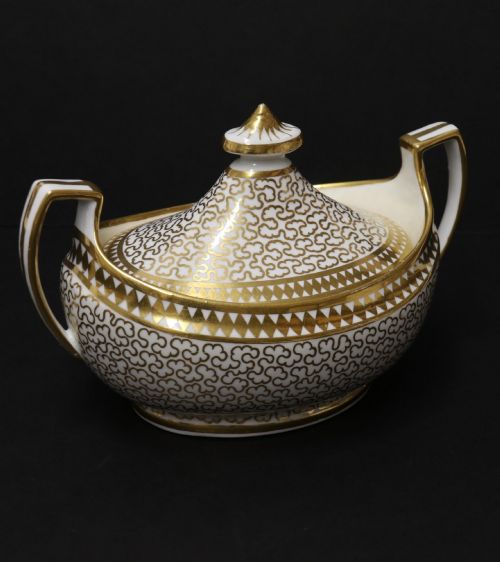
- A small covered sugar bowl designed to match teapots and cups in a tea or coffee set. These vessels often feature twin handles and decorative finials.
- Flow blue
- A cobalt blue transfer printing style that deliberately blurred during the firing process. This technique created a soft, hazy aesthetic popular on mid-century earthenware and ironstone.
- Felspar porcelain
- An innovative ceramic body introduced during the early nineteenth century using felspar to increase durability and whiteness. It provided a stable surface for detailed botanical painting.
- Ironstone
- A heavy, durable ceramic material patented for practical domestic service use. It combined earthenware properties with high strength.
19th Century Porcelain Service: Frequently Asked Questions
What pieces comprise a standard dessert service?
A standard dessert service typically includes a central comport accompanied by multiple matching dessert plates intended for serving fruit or sweets.
Larger suites incorporate additional serving dishes and specialised plates to complete the table arrangement.
How do I care for antique porcelain daily?
Wash antique porcelain by hand using warm water and a mild detergent, avoiding automatic dishwashers entirely.
Dry each piece carefully with a soft cloth to protect delicate hand-painted enamel and gold leaf details.
Were these services used for dining?
Yes, these services were utilised for formal dining, tea ceremonies, and social gatherings in upper-class households.
Different sets were designated specifically for morning breakfast, afternoon tea, or evening dinner courses.
How do I identify Regency versus Victorian styles?
Regency pieces often display neoclassical restraint, clean lines, and architectural motifs inspired by classical antiquity.
Victorian items frequently exhibit ornate rococo revival curves, heavy gilding, and rich, saturated colour grounds.