


Edwardian Floral Porcelain Set
An edwardian floral porcelain set brings botanical charm to the table, combining delicate ceramic forms with hand-painted blooms for everyday service or display.
Edwardian Floral Porcelain Set
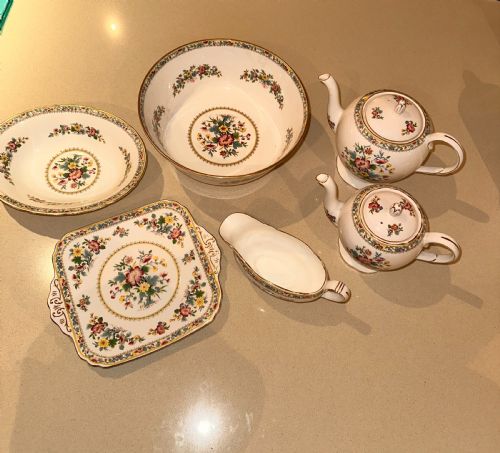
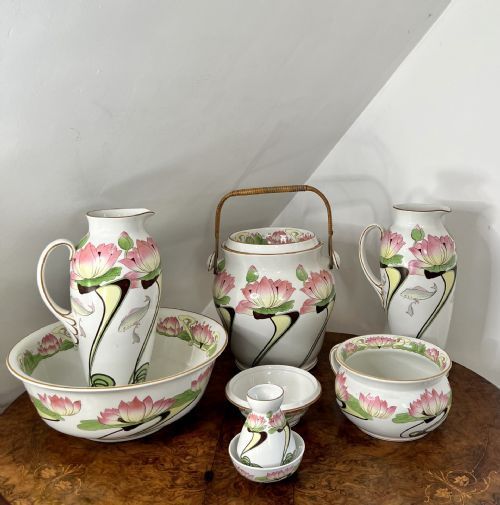
An edwardian floral porcelain set comprises matching ceramic items designed for dining, tea service, or washing, featuring delicate floral motifs characteristic of the period. Buyers seeking an edwardian floral porcelain set will encounter diverse forms ranging from tea services and breakfast sets to large dinner services and bedroom washware.
The pieces on this page span the late nineteenth century through to the early twentieth century, reflecting the transitional aesthetics between Victorian opulence and Edwardian elegance. Alongside British bone china and earthenware, continental porcelain examples appear, widening the stylistic scope for collectors.
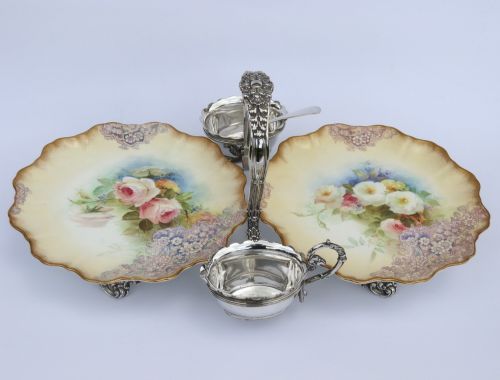
Tea sets and wash sets dominate the offerings, often decorated with hand-painted flora, gold gilt highlights, or transfer-printed botanical designs. These functional items demonstrate the era's dedication to ornamental dining and domestic refinement.
What varies in quality
The refinement of the ceramic body and the precision of the moulding set baseline standards for each service, distinguishing fine bone china from heavier earthenware. Thinner walls and crisp foot rings indicate superior manufacturing care.
Painted decoration introduces further distinction, where the subtlety of hand-painted brushwork and the preservation of original gold leaf elevate an ensemble. Complete sets with matching makers marks across every component hold greater coherence than assembled groupings.
Decorations across the available ceramic items include hand-painted enamels, transfer-printed floral patterns, and delicate gold leaf highlights.
Walker and Hall·Doulton Burslem·Coalport·Royal Albert Crown China·Wileman Foley Shelley·Royal Crown Derby·Royal Worcester
The Edwardian Floral Porcelain Set Glossary
- Bone china
- A type of porcelain incorporating bone ash for enhanced strength and a characteristic milky translucency. It allows for thinner, more delicate vessel walls.
- Gold gilt
- A thin layer of gold applied to ceramic surfaces for decorative enhancement. It frequently outlines rims, handles, and floral motifs.
- Demitasse
- A small cup used for serving strong black coffee or espresso. These diminutive vessels often match larger tea or dessert services.
- Earthenware
- A porous ceramic fired at lower temperatures than porcelain. It requires an impervious glaze to hold liquids effectively.
- Enamel
- Opaque glass fused to ceramic surfaces through firing to create vibrant, lasting colours. It forms the basis of many hand-painted floral designs.
Edwardian Floral Porcelain Set: Frequently Asked Questions
Are these sets safe for daily use?
Most antique ceramic pieces tolerate careful, occasional use for dining or tea service if handled gently. Sudden temperature changes should be avoided to prevent thermal shock.
Older glazes and gold leaf may show wear with frequent washing, so many collectors prefer display over routine service. Assess the glaze integrity before serving food or hot liquids.
How do I identify Edwardian pieces?
Edwardian ceramics often feature lighter, airier floral patterns compared to heavy Victorian designs, reflecting changing tastes around the start of the twentieth century. Pastel palettes and restrained gold gilding are common markers of this era.
Maker marks on the underside help confirm production dates when cross-referenced with factory registries. Stylistic cues like Art Nouveau influences also point to the Edwardian period.
Why do some sets mix makers?
Over a century of use, individual pieces within a service frequently broke and were replaced by similar period items from different makers. Assembled sets remain common because complete surviving services are scarce.
Matching patterns or compatible colour palettes allowed households to maintain a cohesive table setting despite diverse origins. Collectors value both unified factory sets and well-matched composite groupings.