
Cobalt and Gold Porcelain
Cobalt and gold porcelain combines deep blue underglaze with rich metallic gilding to create some of the most striking decorative objects in ceramic history.
Cobalt and Gold Porcelain
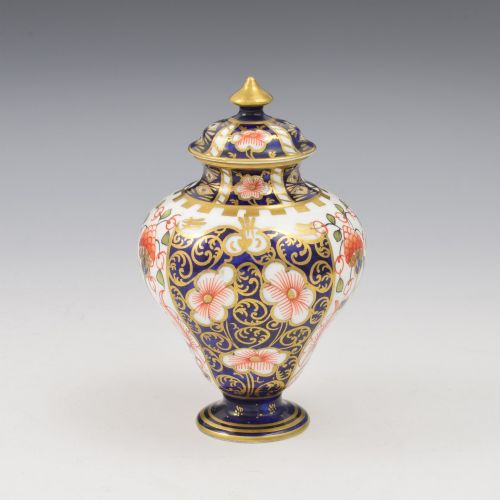
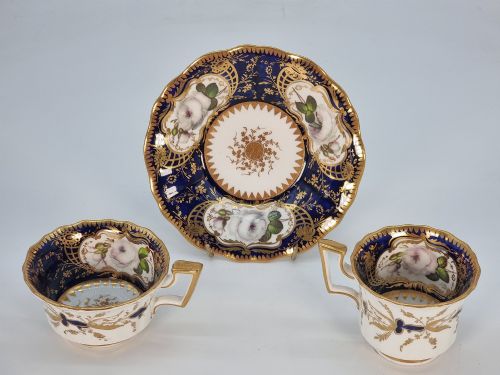
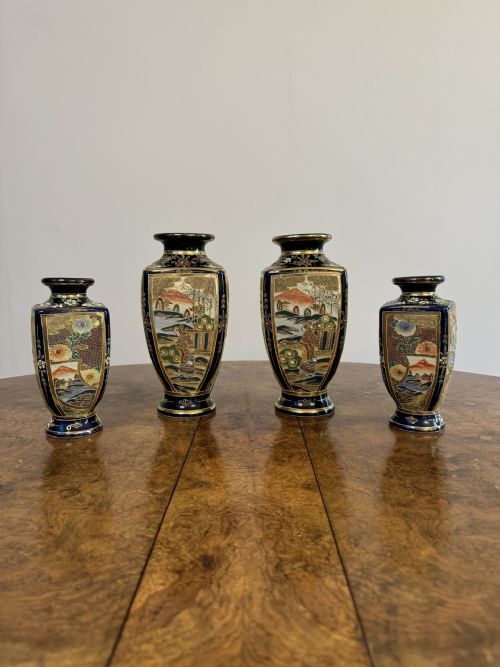
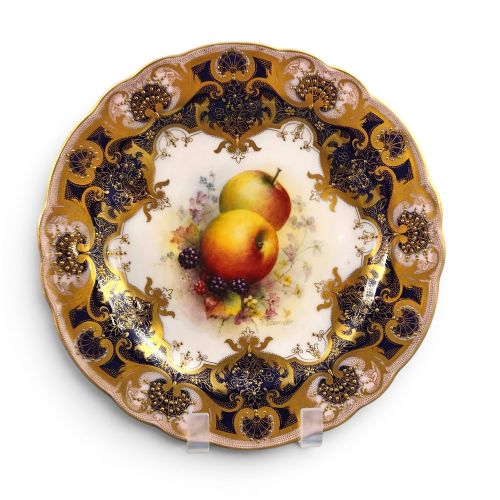
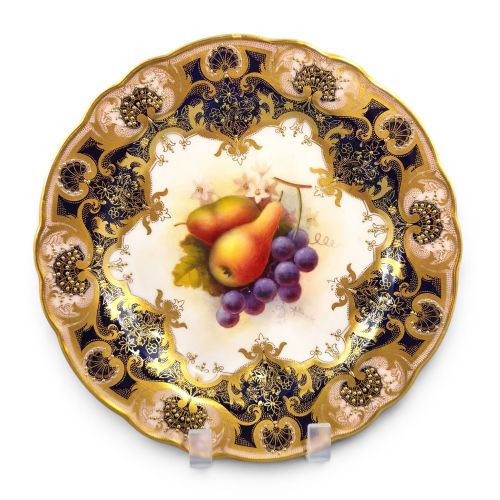
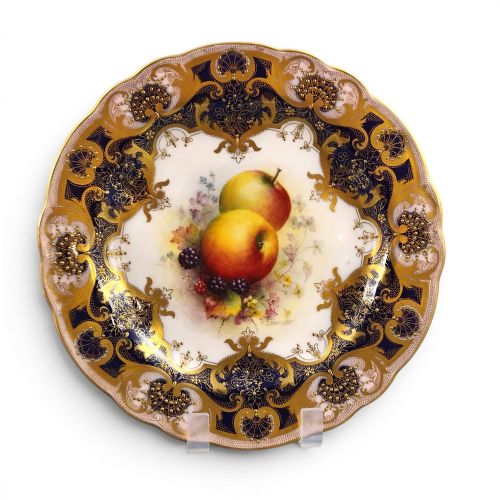
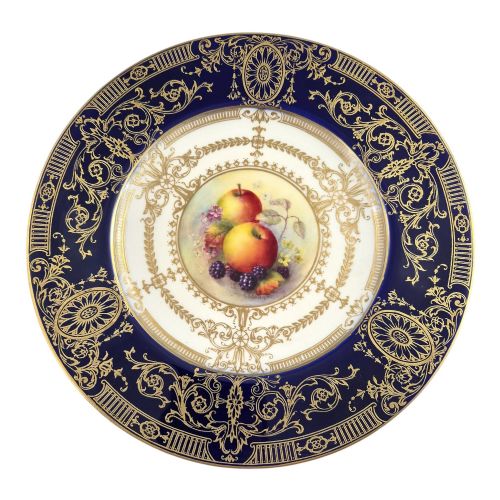
When searching for cobalt and gold porcelain, collectors look at high-fired ceramic vessels, plates, and service ware defined by contrasting deep blue grounds and metallic highlights. These items span various periods from the eighteenth century through the twentieth century, originating from English factories, French workshops, and Japanese kilns.
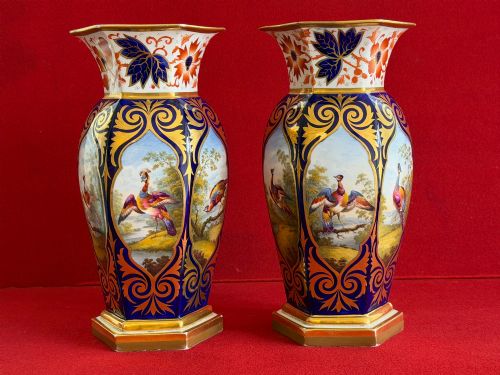
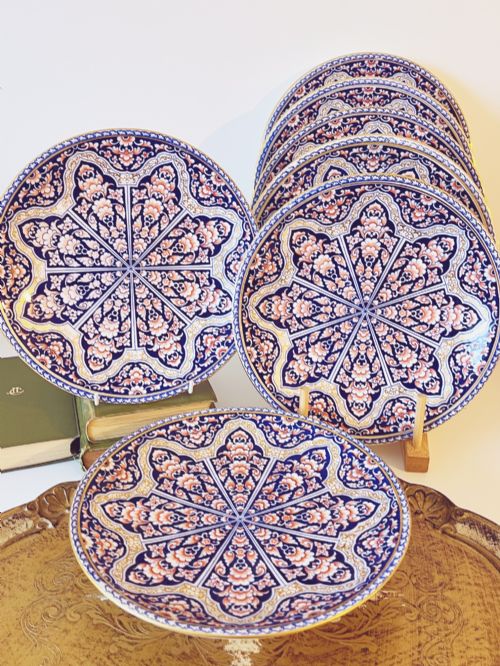
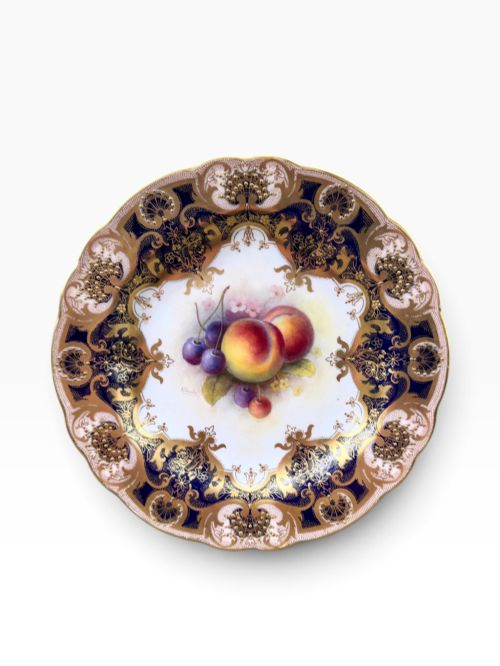
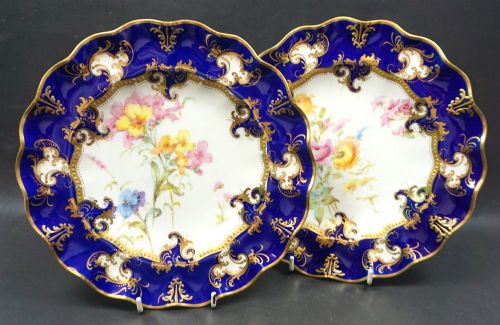
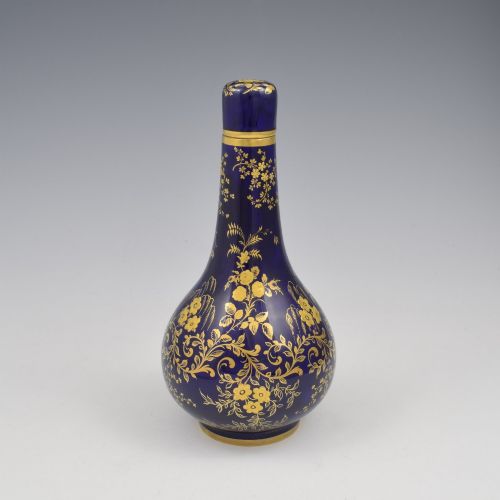
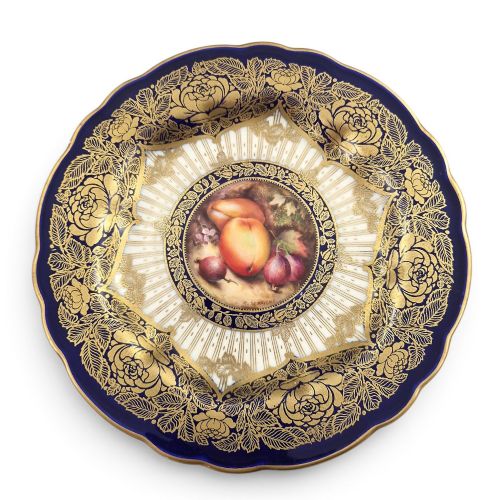
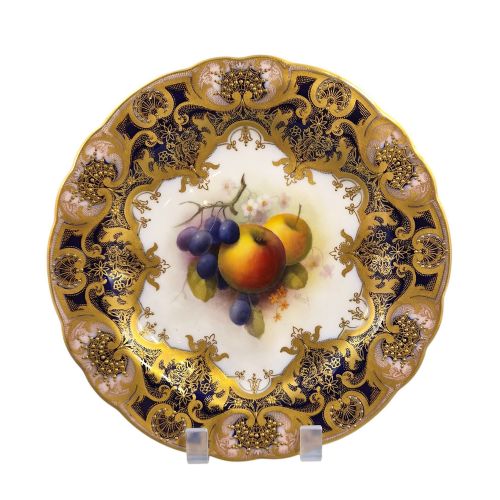
Vases, cabinet plates, and decorative urns represent the most common forms encountered on this page. Pieces often feature hand-painted scenes or intricate gilded motifs set against intense cobalt blue fields, reflecting both traditional English shapes and continental styles.
The selection ranges from early Georgian and Regency specimens to later Victorian and Edwardian examples. Makers such as Royal Crown Derby, Coalport, and Royal Worcester dominate the offerings, alongside continental porcelain from Sèvres and Vienna.
How they were made
Potters applied cobalt oxide beneath or over the glaze to achieve the characteristic deep blue ground colour before firing the ceramic body at high temperatures. Artisans then added intricate details using gold leaf, liquid gold, or gilding techniques.
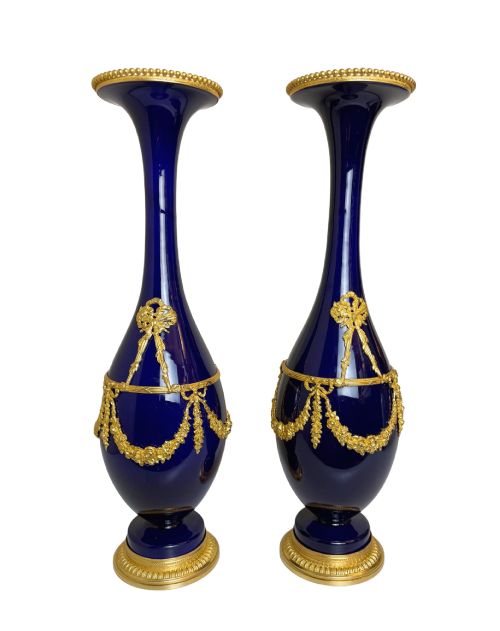
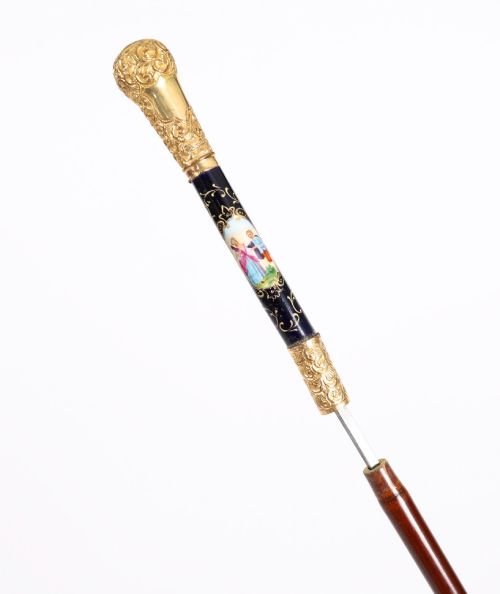
Enamel colours and gilt bronze trim frequently complemented the cobalt and gold scheme, particularly on French and English decorative urns and vases. Skilled painters executed miniature landscapes, botanical studies, and figurative scenes within reserved panels on the porcelain body.
What varies in quality
Quality in these ceramics rests on the precision of the hand-painting and the thickness of the applied gold leaf. Superior examples display crisp, finely detailed gilt work and expertly rendered pictorial panels rather than stencilled transfers.
The depth and uniformity of the cobalt blue ground indicate the skill involved in firing the piece without discoloration or warping. Maker attribution and the presence of artist signatures further distinguish standard production ware from exceptional cabinet pieces.
Royal Crown Derby·Coalport·Royal Worcester·Mason's·Spode·Doulton·Flight Barr And Barr
The Cobalt and Gold Porcelain Glossary
- Cobalt
- A mineral oxide used by ceramicists to produce an intense, stable blue colour under or over the glaze.
- Gilding
- The application of gold leaf or powdered gold to the surface of porcelain to create decorative highlights and borders.
- Cabinet plate
- A decorative ceramic plate intended for display in a cabinet or on a wall rather than for practical dining use.
- Ground
- The main background colour applied to the body of a ceramic piece, often seen in deep blue cobalt.
- Imari
- A decorative style featuring a palette of cobalt blue, iron red, and heavy gilding, originating in Japan and copied widely in Europe.
Cobalt and Gold Porcelain: Frequently Asked Questions
Are these porcelain pieces safe for daily use?
Most antique cabinet plates and decorative vases are intended for display rather than everyday dining. The heavy gold leaf and hand-painted enamels degrade with regular use and washing.
Reserve service items for special occasions or keep them safely showcased in a cabinet.
How can I tell the period of a piece?
Examine the base for factory backstamps, painted pattern numbers, and impressed date marks. Different eras utilised distinct stylistic cues, such as Regency neoclassical shapes or Victorian floral motifs.
Reference guides specific to English or continental potteries help match marks to exact decades.
What is the difference between earthenware and porcelain?
Porcelain is fired at much higher temperatures, resulting in a vitrified, non-porous body that often rings when tapped and can appear translucent under strong light. Earthenware is more opaque and softer.
Many prominent makers utilised fine bone china or hard-paste porcelain for their gilded wares.