


Antique Floral Cabinet Dish
An antique floral cabinet dish brings painted botanical studies and gilt porcelain into the drawing room.
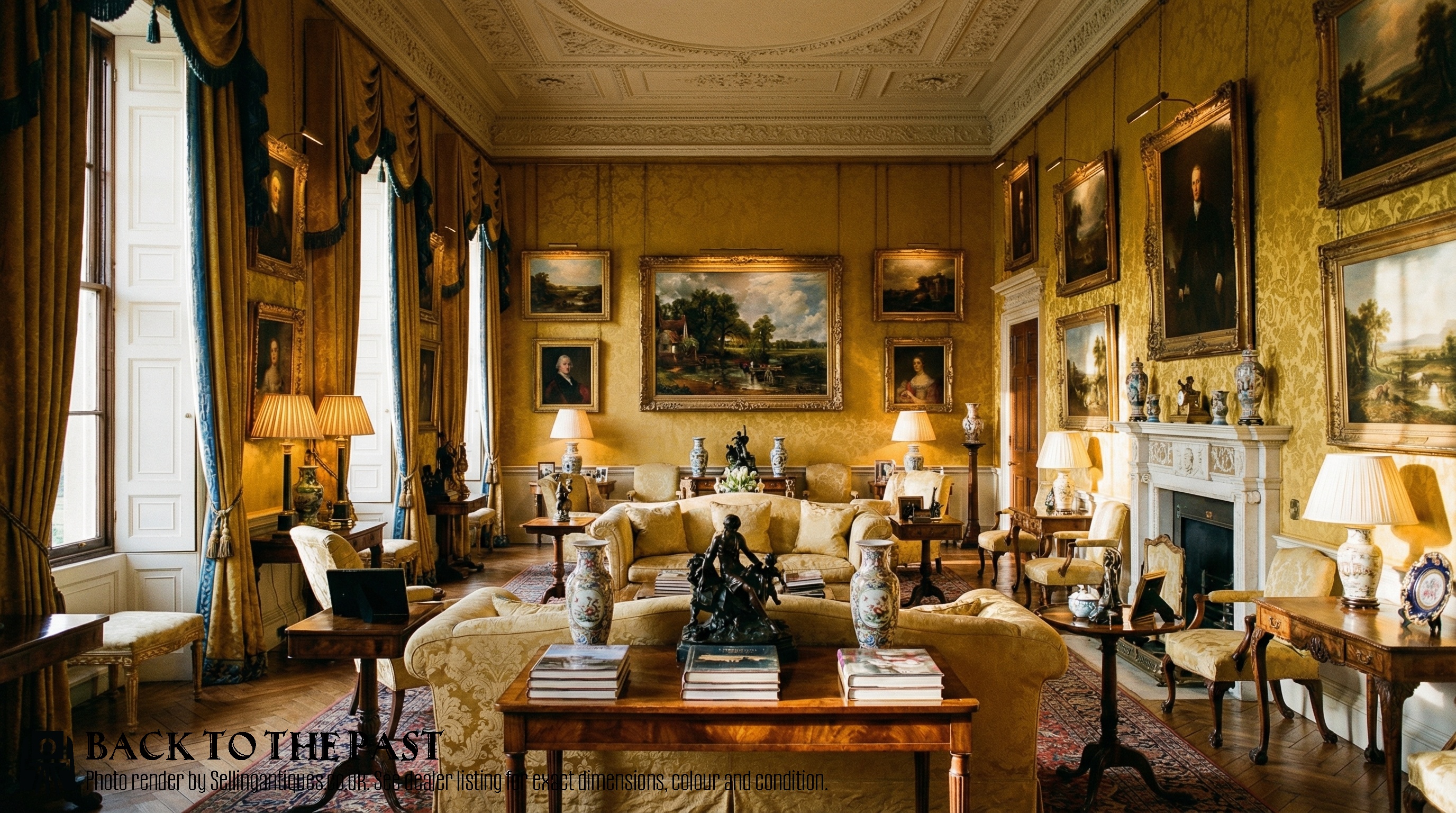
Antique Floral Cabinet Dish
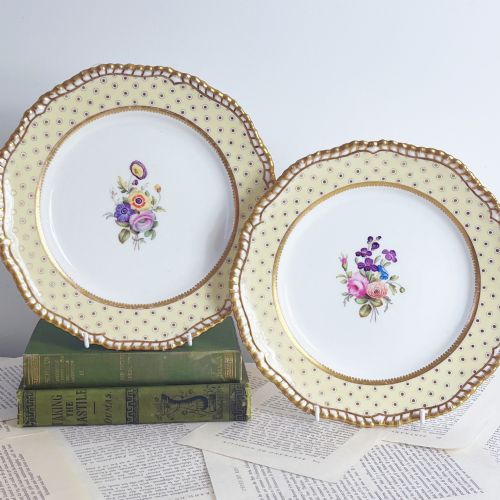
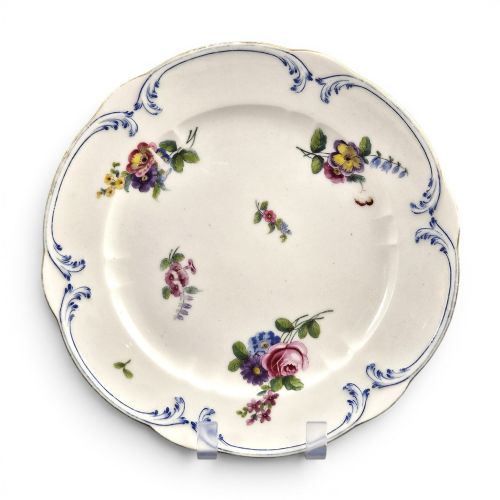
An antique floral cabinet dish is a decorative ceramic plate or shallow serving dish created primarily for display in a cabinet or on a wall rather than for daily dining use. These pieces span the eighteenth, nineteenth, and early twentieth centuries, originating from English potteries, French royal works, and German manufactories.
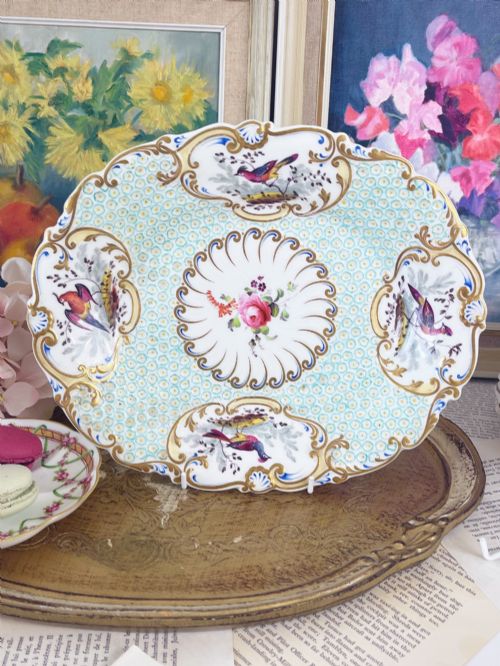
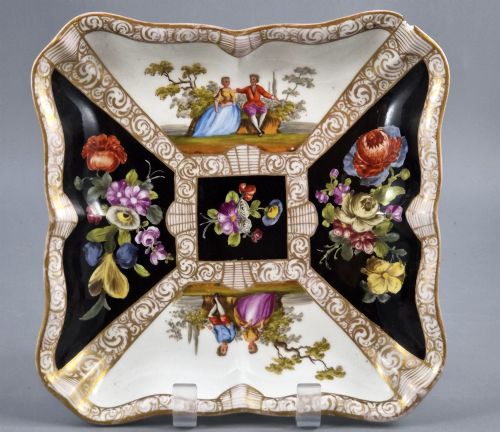
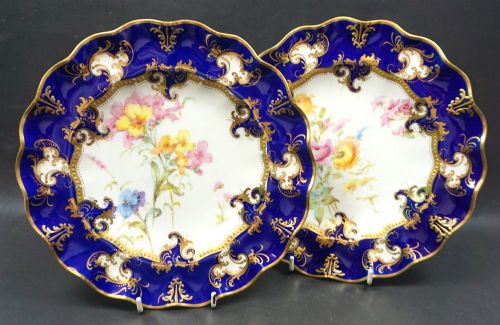
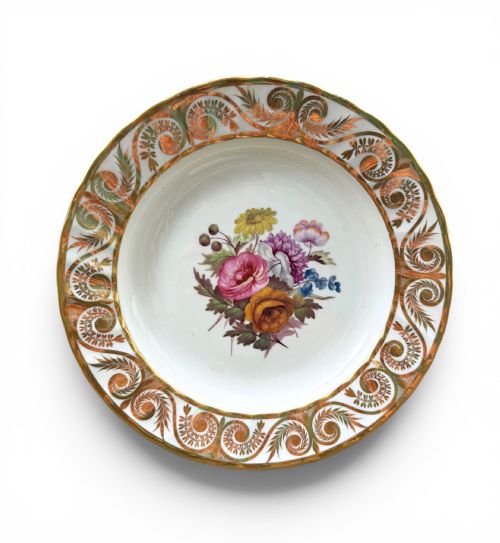
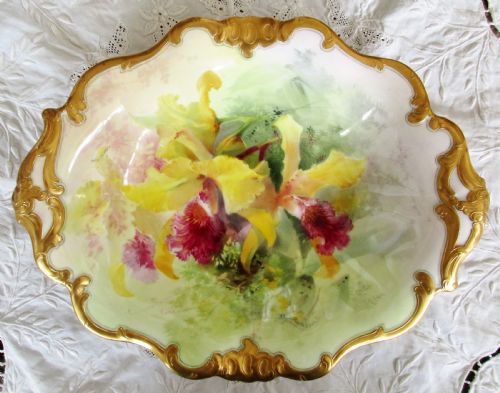
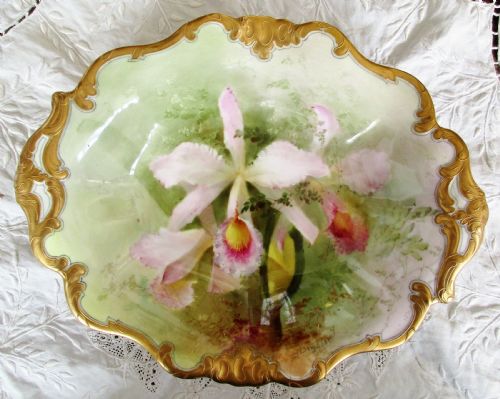
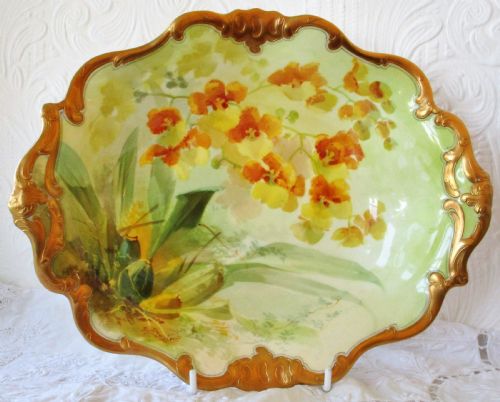
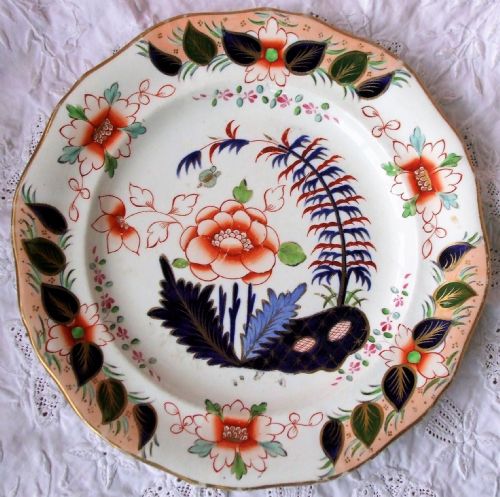
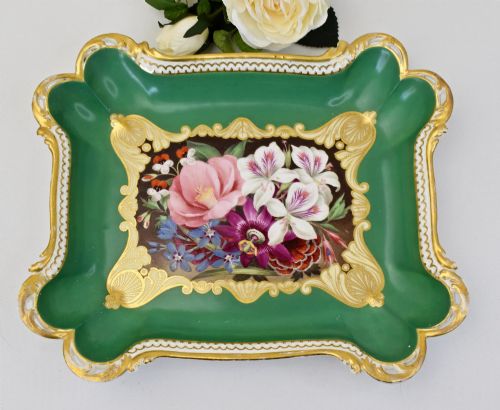
The versions most commonly met on this page are nineteenth-century English porcelain plates and dishes painted with botanical studies, alongside Japanese Imari wares. Forms range from simple round plates to lobed dishes, square plaques, and basketweave serving pieces.
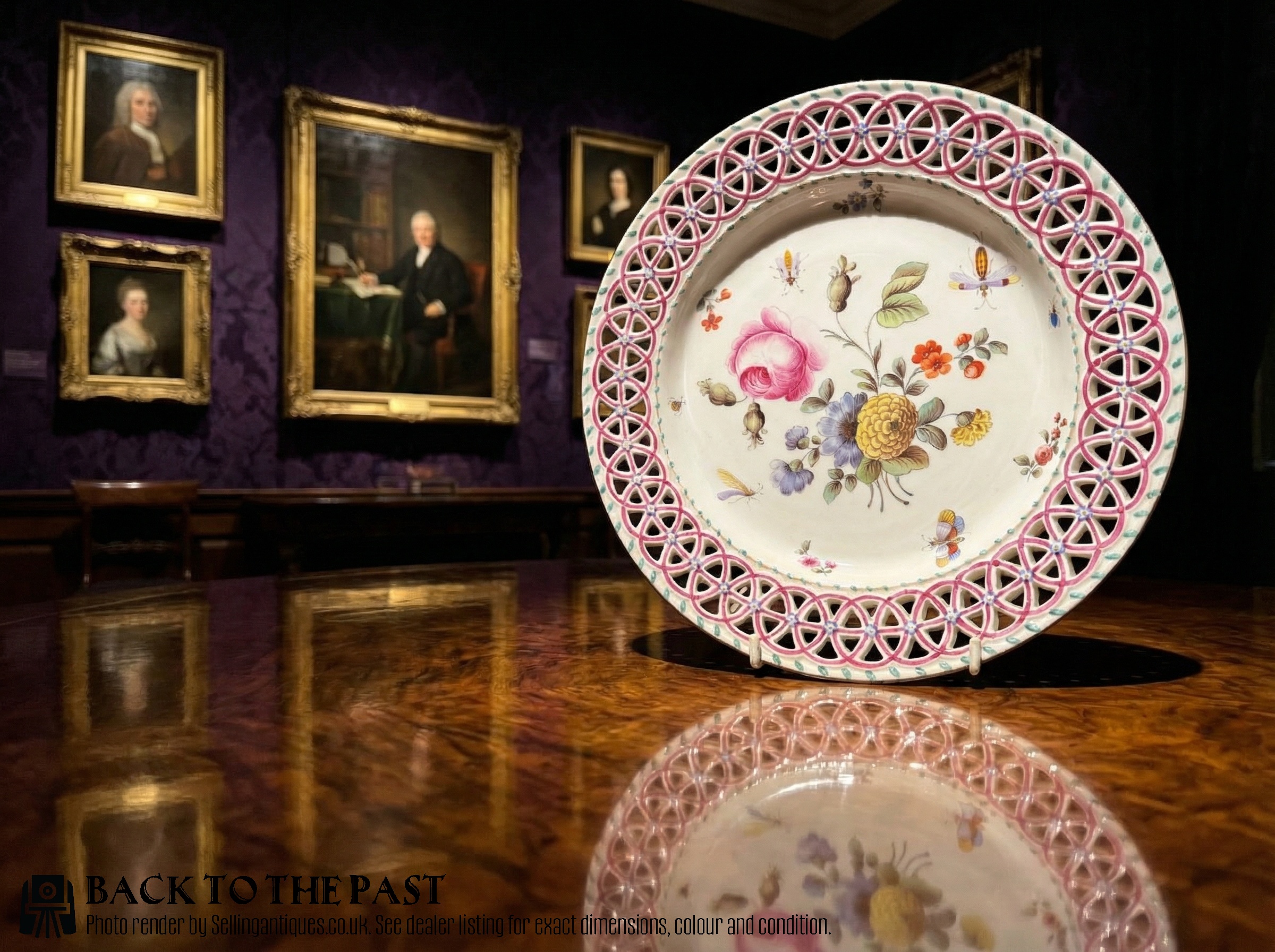
Materials and Manufacture
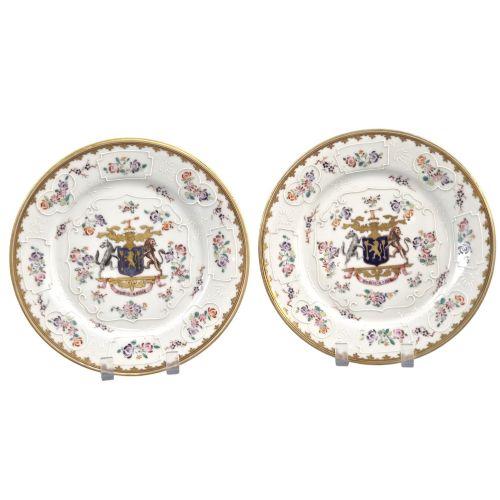
Makers utilised hard-paste porcelain, soft-paste porcelain, bone china, and ironstone as the ceramic base for these dishes. Artisans applied hand-painted enamels directly onto the glazed surface, often incorporating botanical subjects, birds, or armorial crests.
Gilding was frequently added by hand using gold leaf or liquid gold, then fired and tooled to create bright borders. Cobalt blue underglaze and ironstone body preparation appeared regularly in both English and imported Japanese styles.
Nineteenth-century ceramic painters occasionally signed their botanical studies with tiny, hidden insects resting near the flower stems.
Judging Quality
Quality rests upon the skill of the hand-painting and the precision of the ceramic body. Botanical subjects executed by named painters or reputable decorating studios display finer brushwork and botanical accuracy than standard factory output.
The weight of the porcelain, the crispness of moulded details such as basketweave textures, and the complexity of tooled gilding distinguish superior pieces from ordinary service wares.
Spode·Meissen·Royal Crown Derby·Royal Doulton·Royal Worcester·Minton·Chamberlain Worcester
The Antique Floral Cabinet Dish Glossary
- Cabinet plate
- A decorative ceramic plate intended for display in a cabinet rather than for practical table use. These pieces usually feature elaborate hand-painted decoration or rich gilding.
- Hard-paste porcelain
- A dense ceramic material fired at high temperatures using kaolin and petuntse. It produces a ringing tone when struck and resists scratching.
- Soft-paste porcelain
- An early European porcelain body composed of clay and glass frit, fired at lower temperatures. It possesses a softer, warmer glaze texture than hard-paste.
- Imari
- A style of Japanese export porcelain characterised by underglaze blue and overglaze iron red, green, and gold. European factories frequently copied these distinctive patterns.
- Armorial
- A ceramic decoration featuring a family coat of arms or crest. These were usually commissioned specially by aristocratic or wealthy patrons.
Antique Floral Cabinet Dish: Frequently Asked Questions
What is a cabinet dish?
A cabinet dish is an ornamental ceramic plate or shallow vessel made for visual display rather than dining use. They were often kept in glass-fronted furniture to showcase fine artistry.
These pieces feature hand-painted floral motifs, botanical studies, or intricate gilt borders created by leading European and Asian potteries.
How were cabinet dishes used?
Owners displayed these dishes on mantels, inside display cabinets, or mounted them on walls to demonstrate taste and wealth. They formed part of grand dessert services or served as standalone decorative works of art.
While some originated from large dinner or dessert services, their fine enamel and gold decoration meant they saw little actual dining service.
How do I date a porcelain dish?
Dating relies on maker marks stamped, painted, or impressed into the ceramic base, alongside the style of painting and the composition of the paste. Stylistic clues such as Regency shapes or Victorian gilding patterns help narrow the decade.
Consulting factory pattern books and painter signatures provides further confirmation for pieces from established workshops.