


Reticulated Porcelain Plate
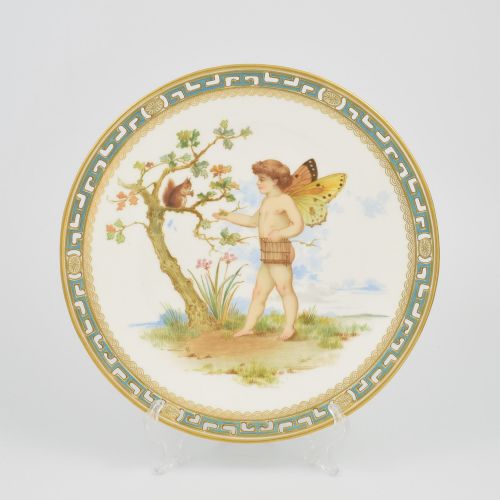
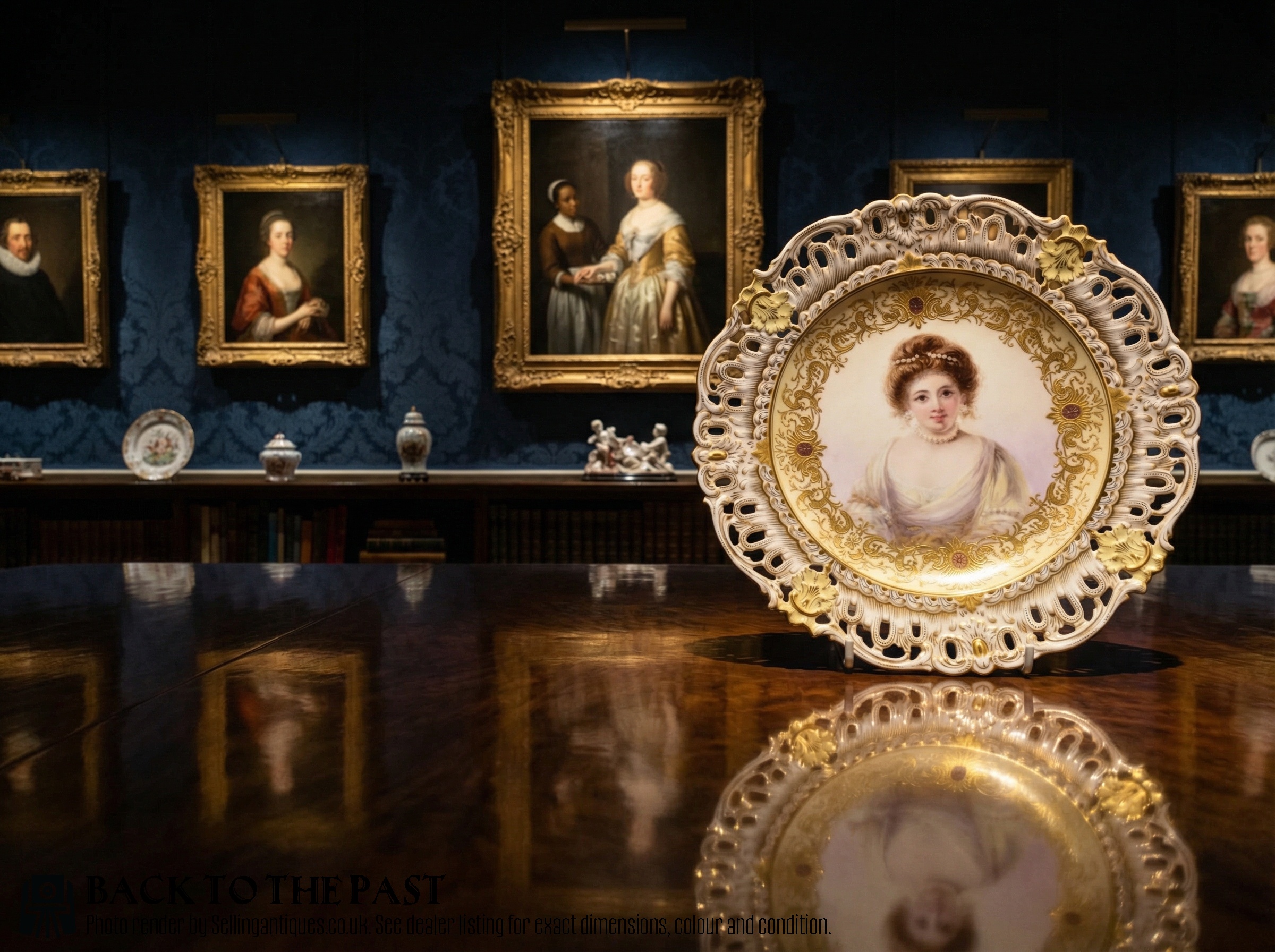
A reticulated porcelain plate brings openwork pierced borders and painted scenes to a table or cabinet.
Understanding reticulated porcelain plate pieces
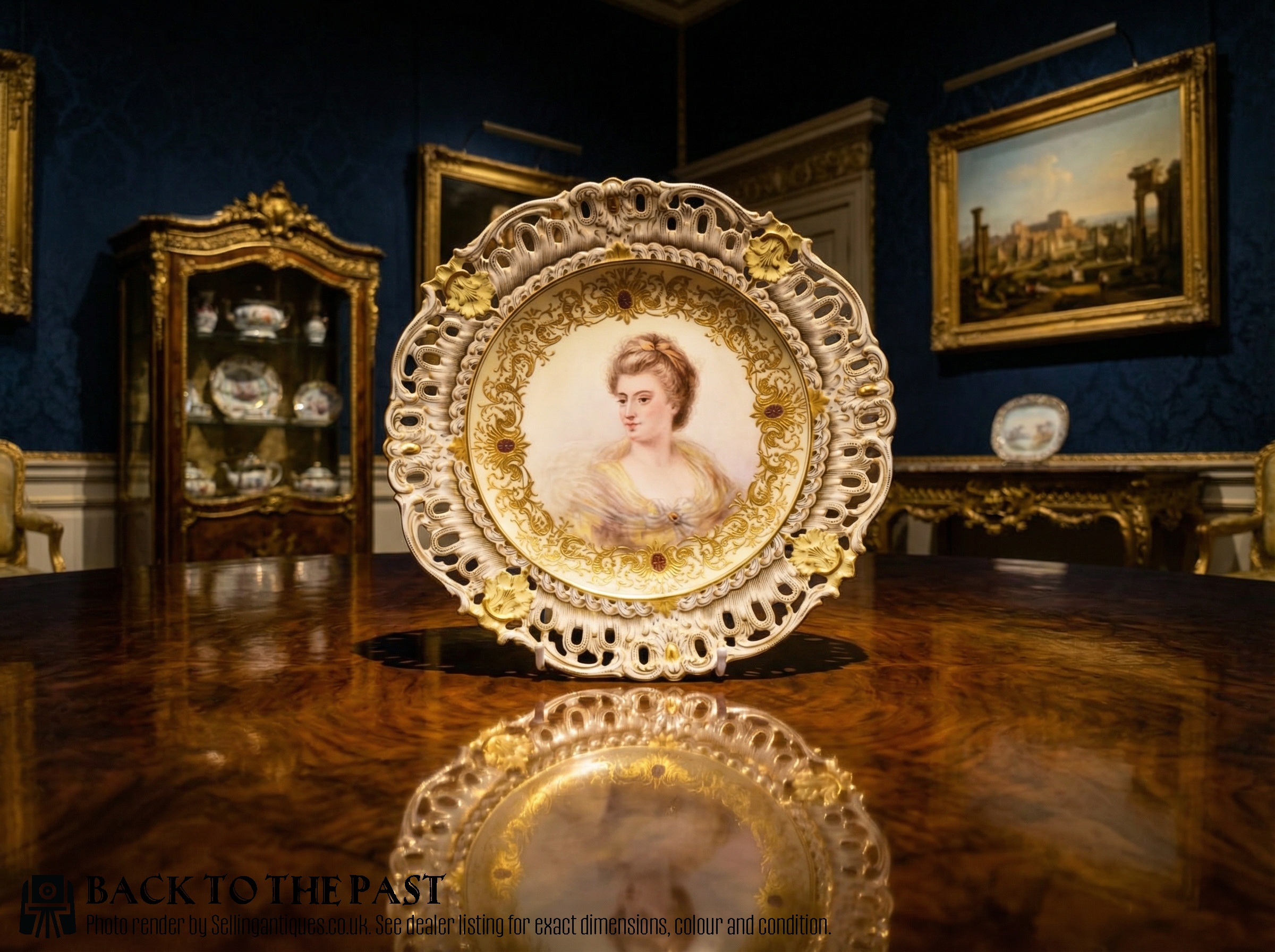
A reticulated porcelain plate is a decorative ceramic piece featuring pierced, openwork borders alongside hand-painted or glazed surfaces. When you search for reticulated porcelain plate, you encounter items designed primarily for display rather than heavy dining use.
The selections span the eighteenth century, nineteenth century, Victorian era, and specific years such as 1850, 1860, 1890, and 1900. Forms on this page include cabinet plates, decorative plates, and dessert plates.
Originating from major European factories, these pieces often reflect styles like Neoclassical, Rococo, and Victorian Rococo Revival. They range from basketweave textures to intricate mythological cabinet scenes.
Materials and construction methods
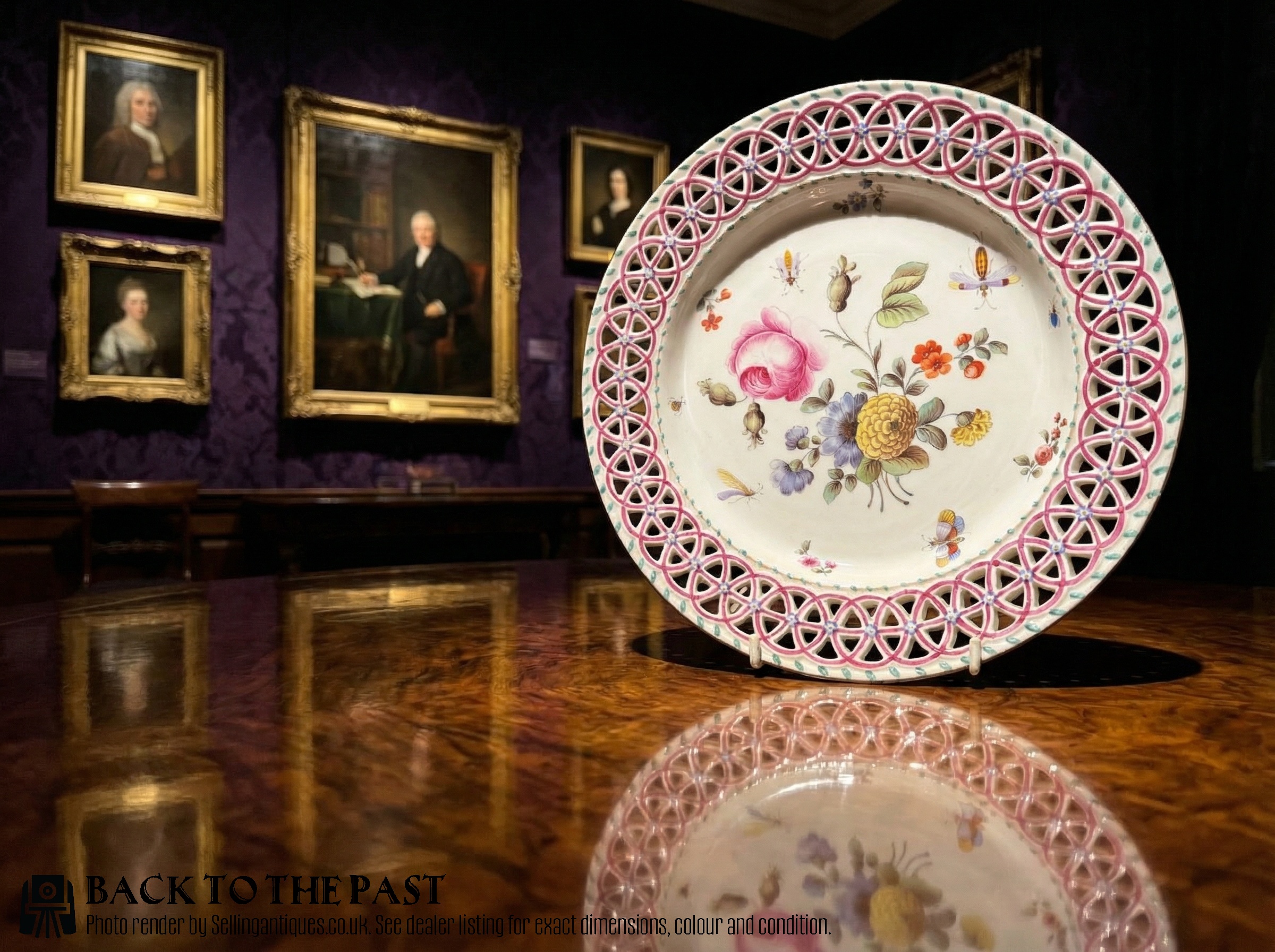
Makers utilised fine porcelain and bone china as the primary base materials for these items. The openwork patterns were meticulously cut into the clay body prior to the initial firing.
Surface decoration involved applied enamel, glaze, and occasional gold leaf or gilt highlights. Techniques such as pate-sur-pate added layered relief work beneath the glaze.
Retail Price Guide 2026
Typical UK retail prices for reticulated porcelain plate, calculated from the Sellingantiques database of over a million retail prices indexed since 2003. This retail price guide relies exclusively on Sellingantiques data; no external sources or auction records are used, so the figures do not describe the wider market.
Periods represented span the eighteenth century through to nineteen hundred, including Victorian styles.
Distinctions in quality and execution
Quality rests upon the crispness of the pierced reticulation and the skill involved in cutting delicate clay lattices without distortion. Finer examples display precise geometric or floral cutouts that remain clean after firing.
Painted decoration dictates the upper tier of the range, where hand-painted mythological subjects or exhibition pieces supplant standard transfer prints. The integration of raised gilding and pate-sur-pate details further elevates a piece.
John Ridgway·Minton·Royal Vienna·Furstenberg·Coalport·Mintons·Meissen
The Reticulated Porcelain Plate Glossary
- Reticulated
- Pierced or net-like openwork decoration cut into the clay. This technique creates delicate borders resembling lace or basketry.
- Cabinet Plate
- A decorative display plate not intended for everyday dining. These pieces were meant to be showcased in glass-fronted furniture.
- Pate-sur-pate
- A method of painting with liquid clay in successive layers to build up a cameo-like relief. This technique requires exceptional skill from the ceramic artist.
- Gilt
- A thin layer of gold applied to the porcelain surface for ornamentation. It frequently highlights rims, handles, and borders.
Frequently Asked Questions
What is a reticulated porcelain plate?
A reticulated porcelain plate is a decorative ceramic dish featuring pierced openwork borders and often hand-painted central scenes. These items were designed for display in cabinets rather than practical dining.
Peculiar to European factories of the eighteenth and nineteenth centuries, they showcase intricate craftsmanship in both piercing and painting.
How were these plates used?
These pieces served primarily as dessert plates or cabinet plates for display. Owners placed them in drawing rooms to demonstrate taste and refinement.
They were rarely used for serving food due to the fragile nature of their pierced borders.
How do I identify a Victorian piece?
Victorian examples often exhibit Rococo Revival styles, heavy gilding, and basketweave textures. Makers during this period frequently experimented with elaborate openwork.
Evidence shows pieces from this era spanning decades like 1850 and 1890, reflecting shifting aesthetic trends.
What distinguishes exhibition plates?
Exhibition plates, such as those from Coalport for the Chicago exhibition, represent high standards of factory production. They typically feature specialised decoration and superior finishing.
These items were created to showcase factory capabilities on an international stage.