
Gilt Porcelain Cabinet Plate
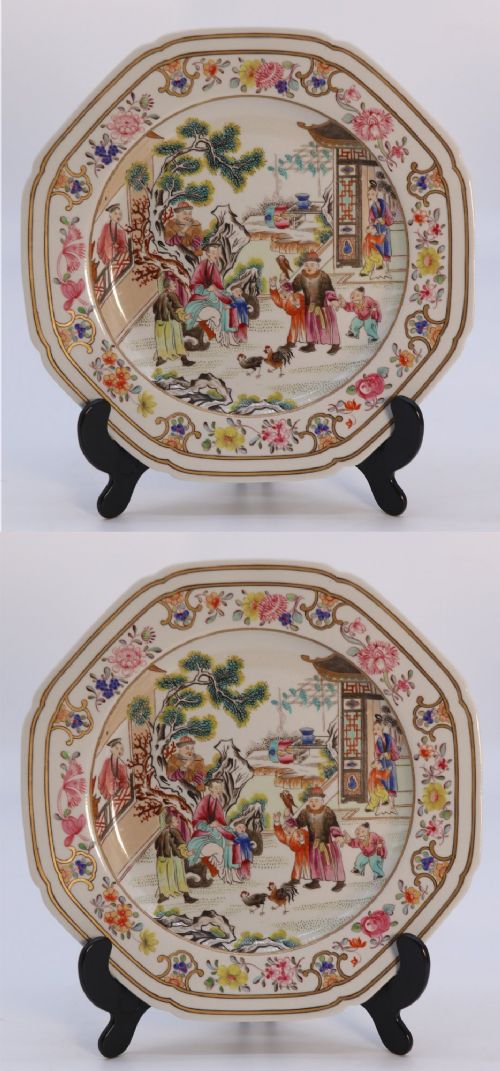
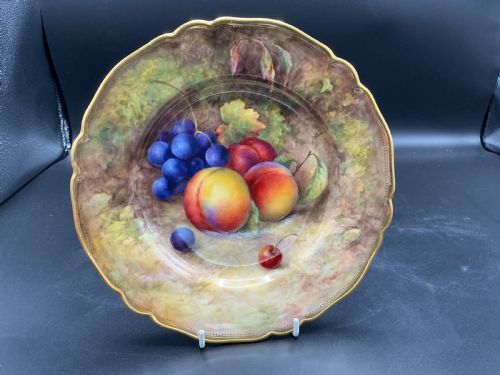
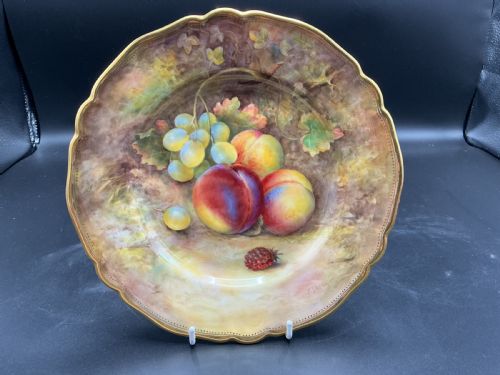
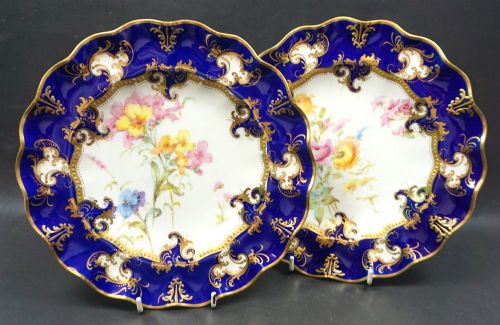
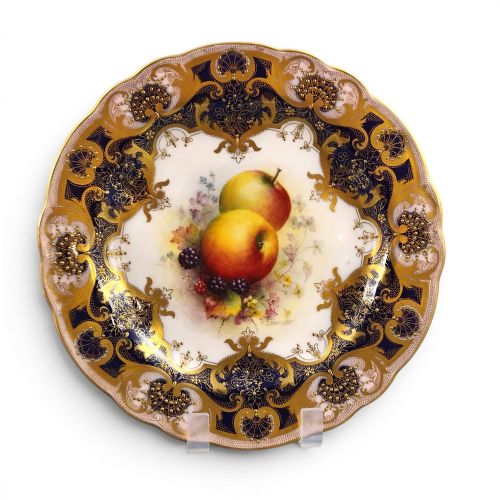
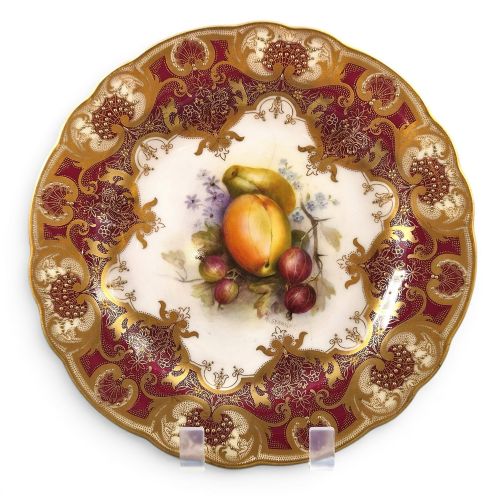
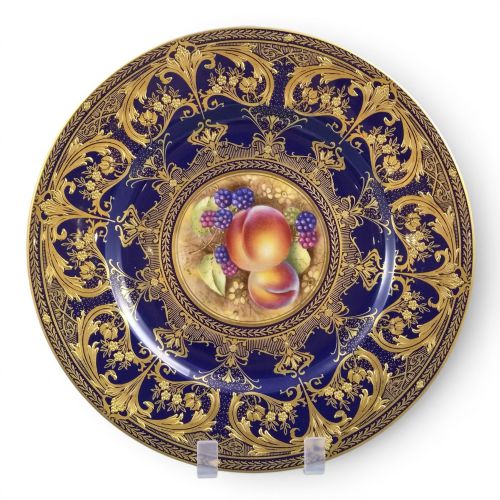
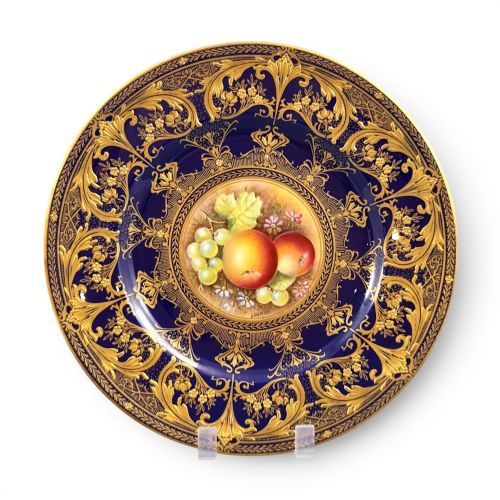
A gilt porcelain cabinet plate brings heavy gold leaf and painted enamel right into a room, made purely for display rather than the dining table.
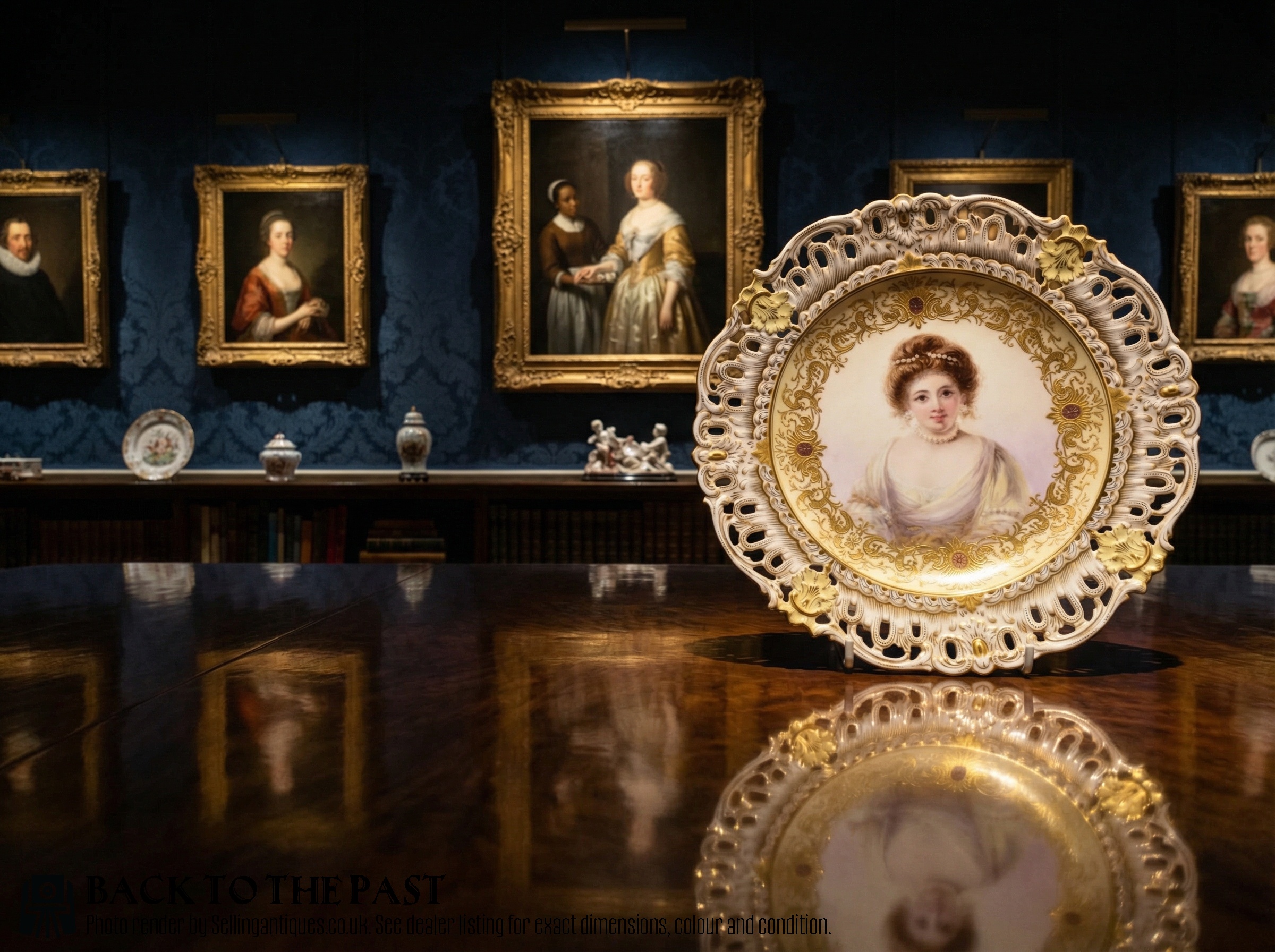
What a gilt porcelain cabinet plate is
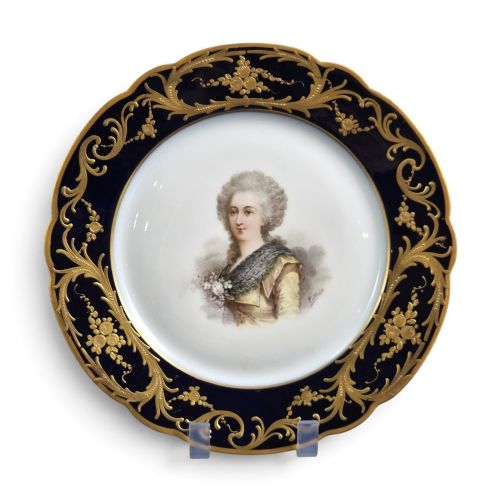
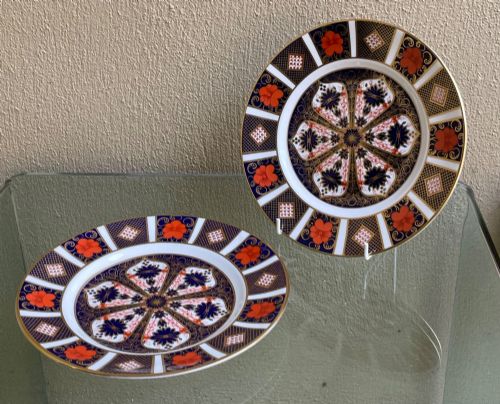
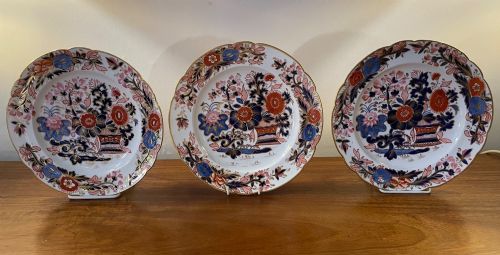
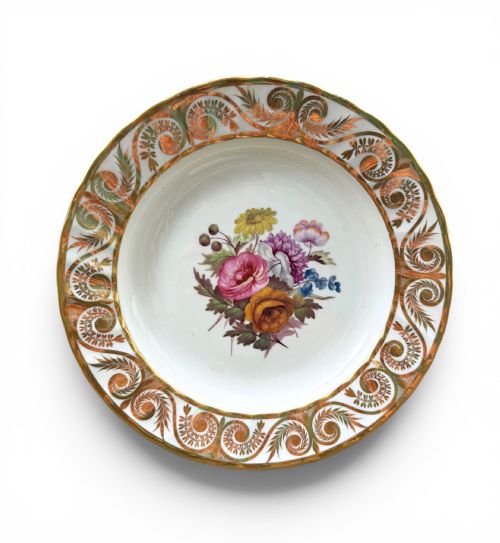
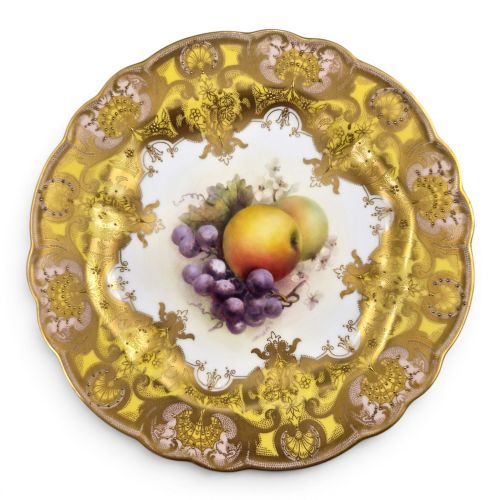
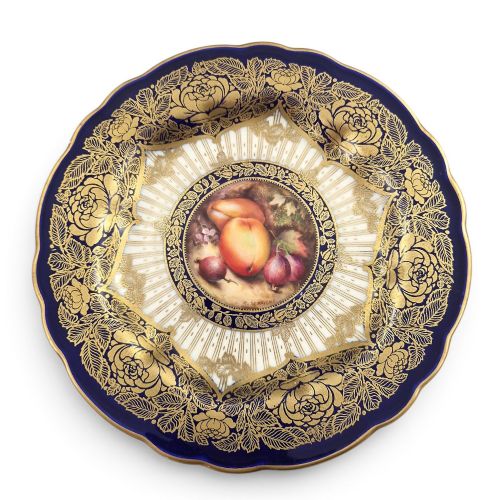
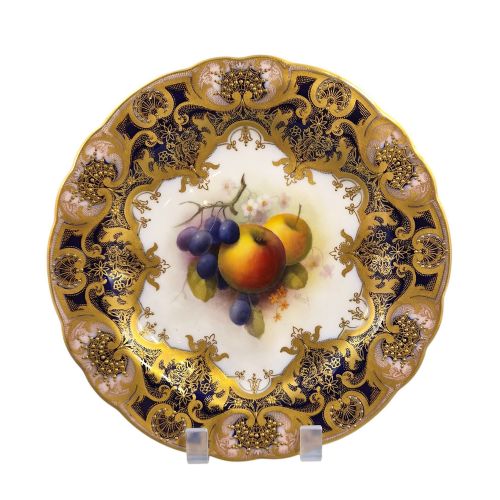
A gilt porcelain cabinet plate is a display piece meant for shelves and cabinets rather than dining. The evidence shows these plates appearing across the nineteenth century, including Victorian examples, the Regency period, and up to nineteen twenty.
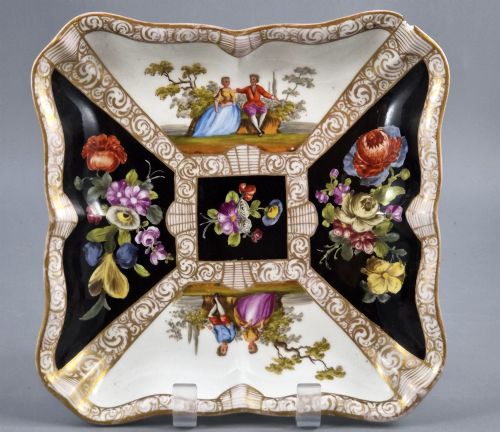
Makers recorded in the inventory include John Ridgway, Minton, Coalport, and New Hall, alongside pieces in the Royal Vienna style. Forms include pierced dessert plates, armorial plates, landscape scenes on pink grounds, and exhibition pieces.
How they were made
These items rely on fine porcelain and bone china bodies shaped into plates. Artisans applied hand-painting in enamels alongside gold leaf and detailed gilding to create rich surface decoration.
Specialised techniques include pierced rims, jewelled enamel effects, and armorial crest work. Such methods required careful kiln firing to set the delicate pink grounds and metallic highlights.
Retail Price Guide 2026
Typical UK retail prices for gilt porcelain cabinet plate, calculated from the Sellingantiques database of over a million retail prices indexed since 2003. This retail price guide relies exclusively on Sellingantiques data; no external sources or auction records are used, so the figures do not describe the wider market.
Current listings feature porcelain and bone china plates decorated with enamel, gold leaf, and gilding across nineteenth-century and early twentieth-century periods.
What varies in quality
Quality rests in the precision of the hand-painted details and the depth of the gilding. Hand-painted landscapes and armorial crests demand high artistic skill compared to simpler border patterns.
The choice of porcelain body and the complexity of shaped edges, such as pierced or jewelled borders, separate standard decorative items from superior exhibition-grade pieces.
John Ridgway·Minton·Coalport·New Hall
The Gilt Porcelain Cabinet Plate Glossary
- Cabinet plate
- A decorative ceramic plate intended for display in a cabinet or on a wall rather than for serving food. These pieces often feature elaborate painted scenes and heavy gilding.
- Gilding
- The application of gold leaf or gold powder to the surface of porcelain. This technique highlights rims, handles, and motifs.
- Armorial plate
- A ceramic plate featuring a painted family crest, coat of arms, or heraldic device. Such pieces were often commissioned by landed families.
- Bone china
- A type of soft-paste porcelain incorporating bone ash for added strength and whiteness. It provides a smooth base for enamel painting.
- Pierced
- A decorative technique where sections of the ceramic rim are cut out before firing to create openwork patterns. This requires great skill to avoid warping.
Frequently Asked Questions
Were these plates used for dining?
Cabinet plates were designed strictly for display rather than practical dining use. Their delicate gilding and hand-painted surfaces made them unsuitable for daily food service.
Owners typically placed them on specialised stands, hung them on walls, or housed them inside glass-fronted display furniture.
How do I identify a Victorian piece?
Victorian examples often display heavy gilding, vibrant pink grounds, and intricate jewelled enamel work. The manufacturing dates span from eighteen fifty through to the late nineteenth century.
Makers active in this era, such as Minton and Coalport, frequently employed distinct factory marks on the reverse of the porcelain.
Why is gold leaf used?
Gold leaf and heavy gilding added immense visual richness and signified status. Craftsmen applied the gold by hand to borders, rims, and central motifs.
This metallic finish catches light inside a display cabinet, framing the painted landscapes and portraits.