

Hand Painted Floral Porcelain
Hand painted floral porcelain brings vibrant botanical colour to a room, offering centuries of delicate brushwork on fine ceramic bodies.

Identifying hand painted floral porcelain
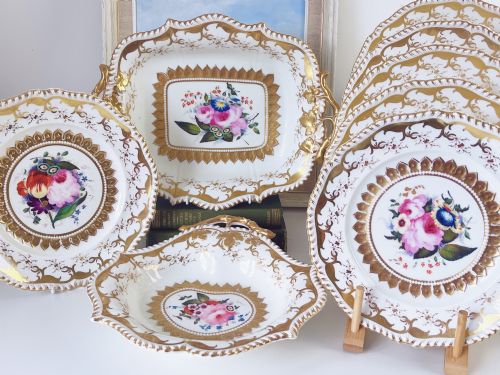
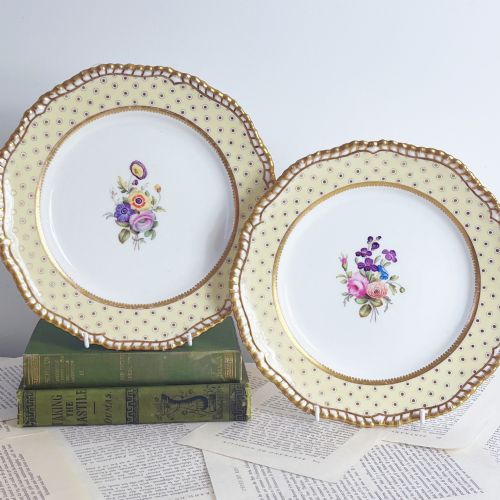
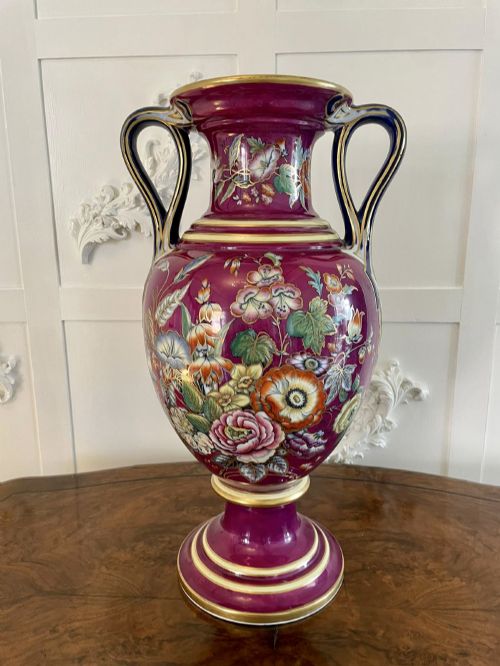
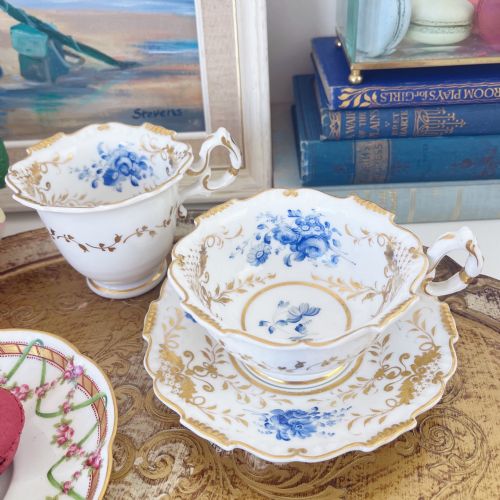
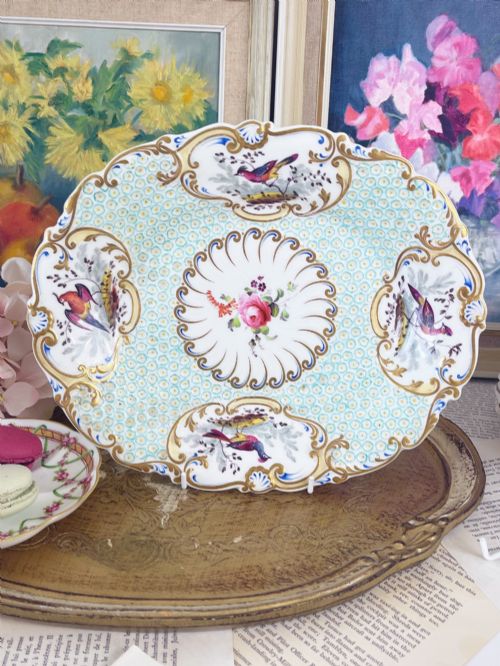
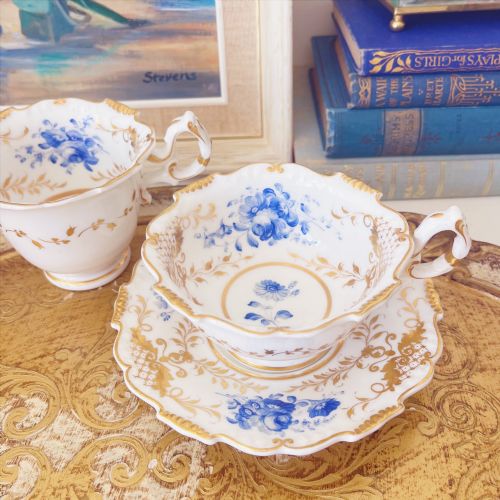
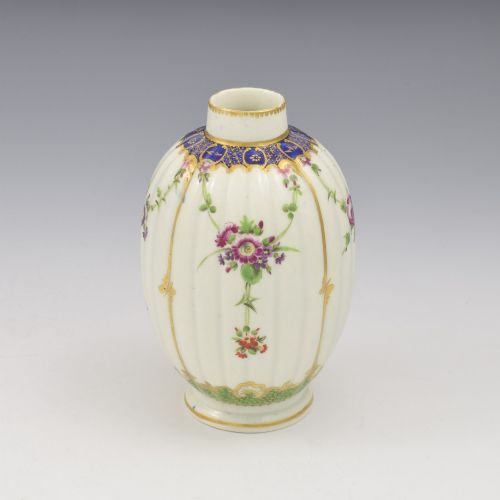
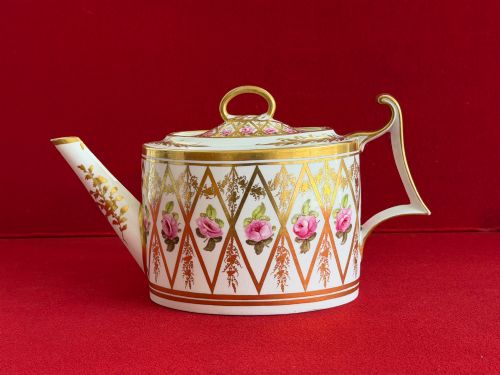
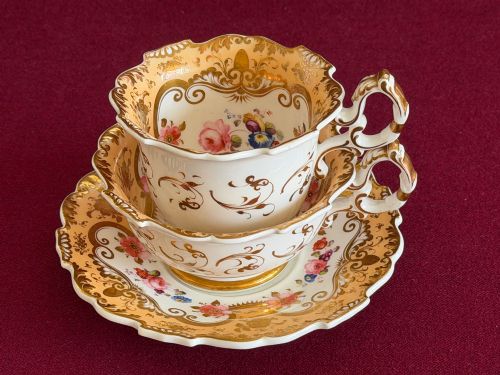
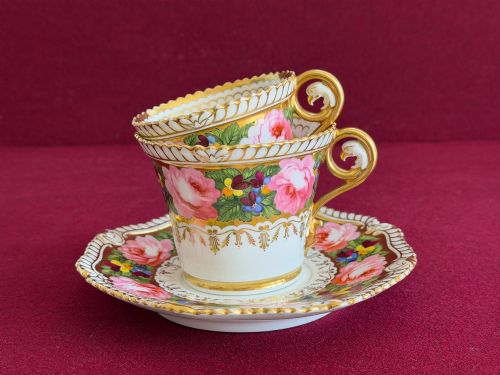
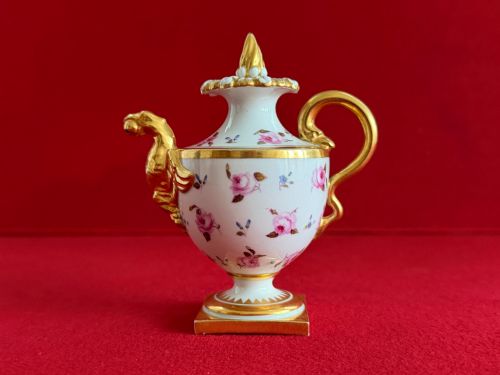
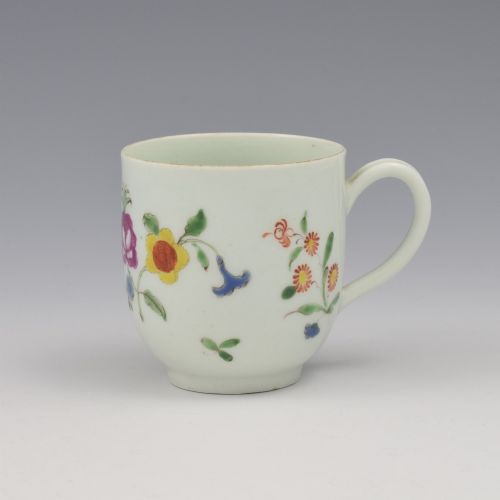
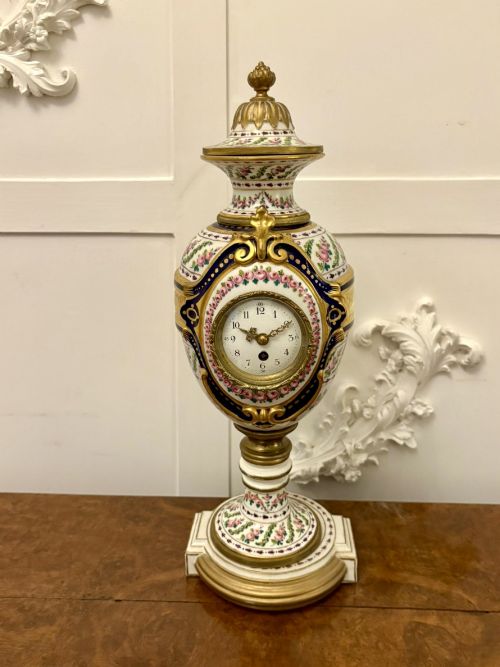
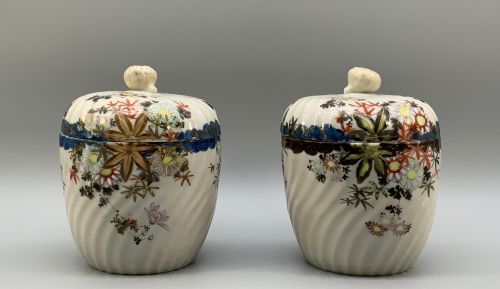
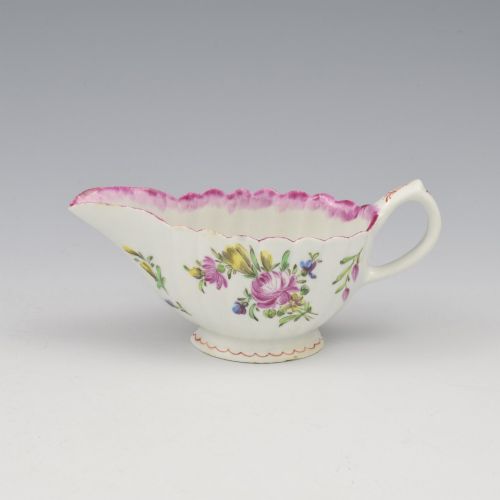
When you search for hand painted floral porcelain, you encounter a diverse range of serving vessels, cabinet pieces and tablewares produced across several centuries. The selection spans utilitarian sugar bowls and loving cups alongside formal dessert services and decorative plates.
English factories dominate the forms, with pieces originating from Worcester, Coalport, Minton, Derby and Daniel alongside continental examples from Meissen, Old Paris and Chinese export kilns. The decorative subjects focus heavily on naturalistic flowers, rendered individually or arranged in sprays and medallions.
Periods represented range from the Georgian era and the Regency period through to Victorian manufacturing and twentieth-century production in nineteen-ten and nineteen-thirty. Forms vary from simple demitasse cups to elaborate armorial plates and pedestal cup and saucer sets.
Assessing quality and execution
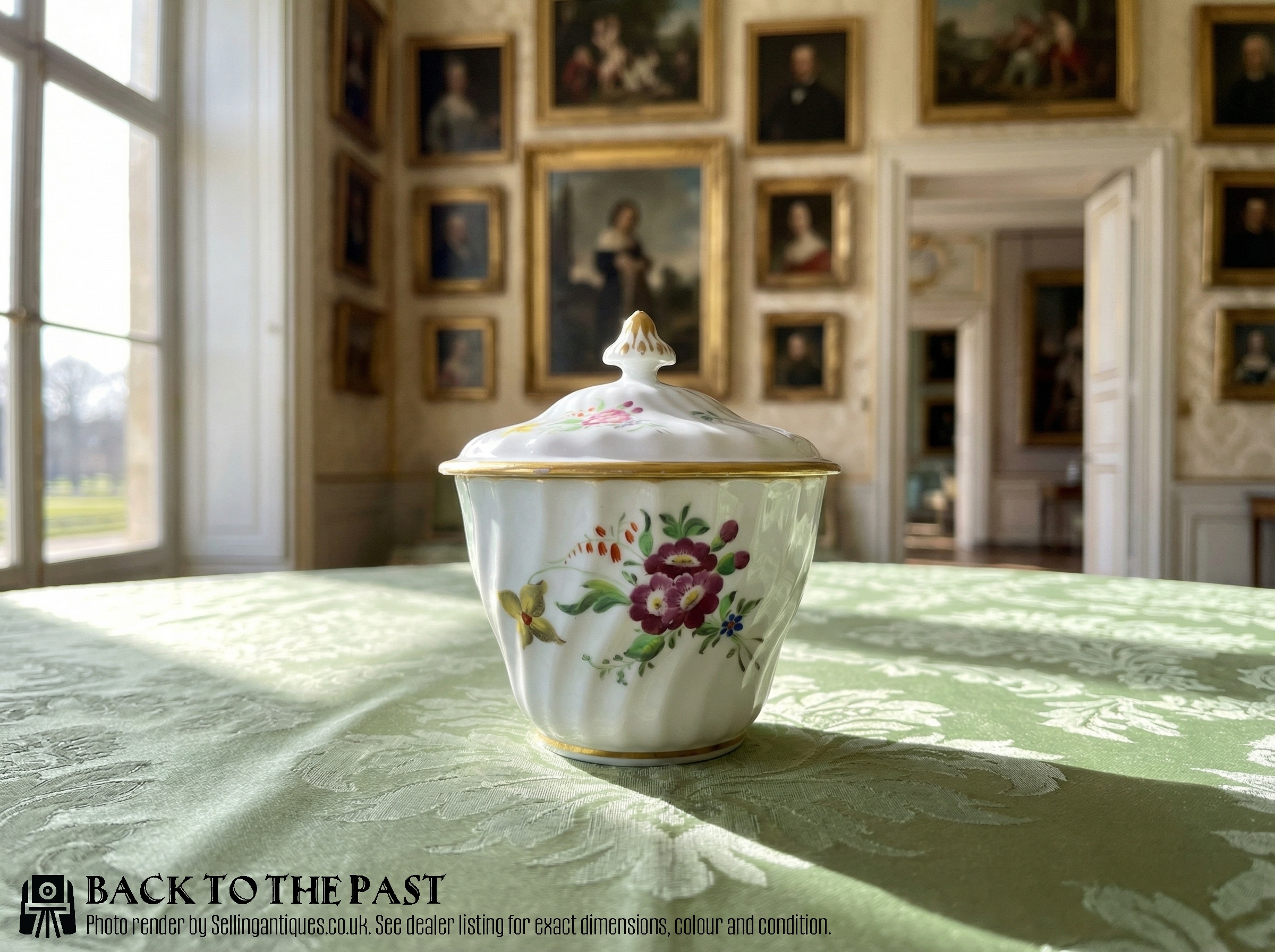
Quality rests in the precision and naturalism of the brushwork applied to the floral motifs, where looser factory painting contrasts with highly finished botanical studies. The crispness of the porcelain moulding and the generosity of the gilding further distinguish standard domestic wares from ambitious cabinet pieces.
The sophistication of the ceramic body itself plays a role, with fine soft-paste or translucent bone china offering a different tactile weight compared to robust hard-paste porcelain. Factory attribution and the presence of documented marks or collector provenance elevate the standing of individual items.
Retail Price Guide 2026
Typical UK retail prices for hand painted floral porcelain, calculated from the Sellingantiques database of over a million retail prices indexed since 2003. This retail price guide relies exclusively on Sellingantiques data; no external sources or auction records are used, so the figures do not describe the wider market.
The inventory records pieces decorated with enamel flowers, gold leaf, and gilt highlights across multiple English and continental factories.
Grainger Lee and Co·Royal Worcester·Flight Barr and Barr·Chamberlain and Co·Meissen
The Hand Painted Floral Porcelain Glossary
- Bone china
- A type of porcelain incorporating bone ash, developed in England to create a strong, translucent ceramic body ideal for fine tablewares.
- Overglaze enamel
- Coloured glass fluxes painted onto an already fired and glazed ceramic surface, then fixed with a lower temperature second firing.
- Soft-paste porcelain
- An early European porcelain composition using glass and clay mixtures rather than hard china clay, known for its warm, slightly creamy glaze.
- Gilt
- A thin layer of gold applied to the surface of porcelain, often highlighting rims, handles and floral borders.
- Cabinet plate
- A decorative plate intended for display in a cabinet or on a wall rather than for practical dining use.
Frequently Asked Questions
Are these plates safe for dining?
Most antique cabinet pieces and tea wares are best reserved for display or light service. Historic glazes and enamel pigments can contain metallic compounds unsuited to acidic foods.
Using them daily also risks chipping fragile edges and wearing away hand-applied gilding. Treat them as decorative items to preserve their condition.
How can I tell the period?
Examine the base for factory marks, pattern numbers and impressed ciphers which often correspond to specific decades. The weight of the ceramic body and the style of the floral painting also offer strong clues.
Earlier eighteenth-century pieces tend to feature softer body pastes and hand-mixed enamels. Victorian and later items display more standardised manufacturing methods and brighter chemical colours.
What is a dessert service?
A dessert service is a matched set of plates and serving dishes designed for the final course of a formal meal. These suites often included ice pails, compotes and armorial dishes decorated to impress guests.
Complete sets are uncommon today because individual pieces became separated over generations. Surviving examples showcase the height of Regency and Victorian dining culture.