



Antique Porcelain Sugar Bowl
An antique porcelain sugar bowl brings eighteenth and nineteenth-century craftsmanship directly to the table, offering a refined focal point for collectors of historic ceramics.
Antique Porcelain Sugar Bowl
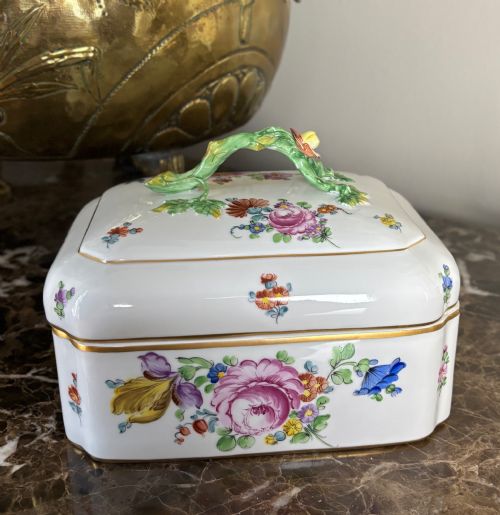
An antique porcelain sugar bowl represents a distinct category of domestic ceramics designed for holding sugar during tea and coffee service, appearing across eighteenth, nineteenth, and early twentieth-century periods. These vessels frequently manifest as covered sugar boxes, sucriers, or pedestal bowls created by prominent English, European, and Japanese makers.
The pieces on this page span diverse stylistic movements including Regency, Georgian, Rococo Revival, Victorian Imari, and Meiji Period designs. Buyers will regularly encounter traditional English bone china and felspar porcelain alongside continental porcelain and delicate Japanese wares.
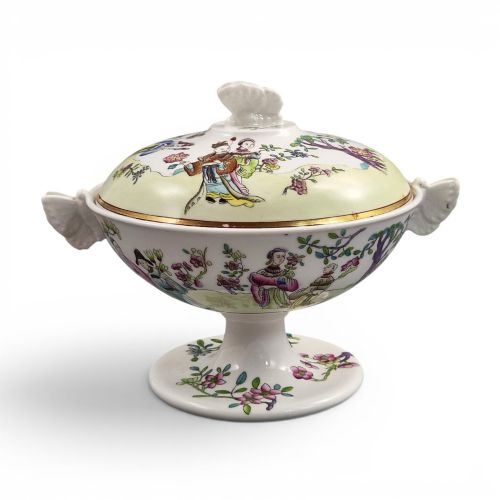
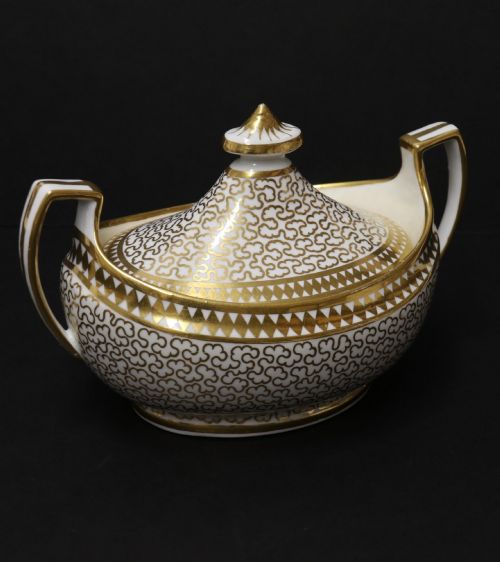
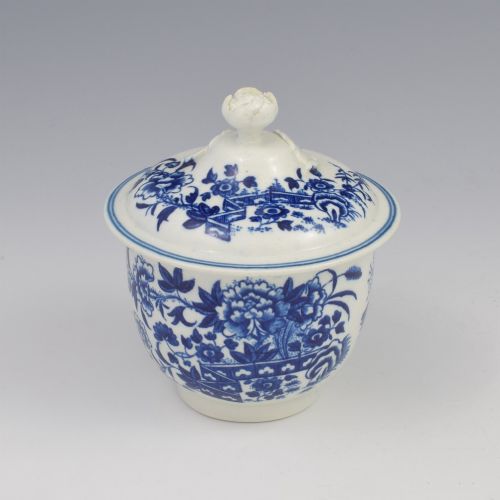
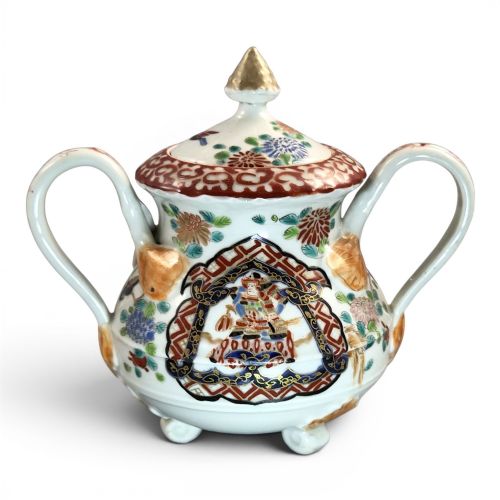
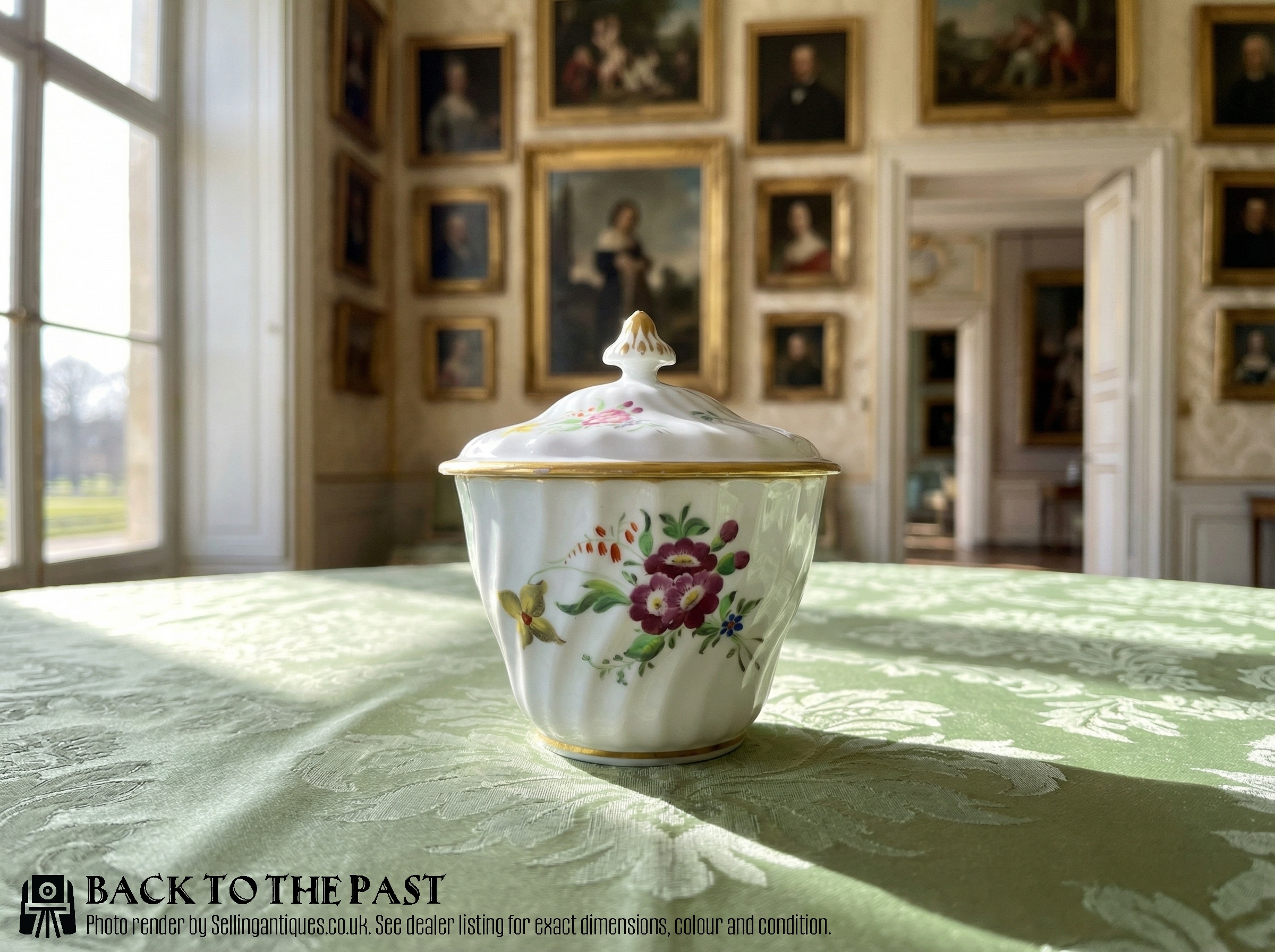
Forms range from simple lidded sugar basins to elaborately handled covered bowls decorated with hand-painted scenes, gilt accents, and blue and white patterns. Each item preserves the utilitarian elegance characteristic of historic dining traditions.
How They Were Made
Potters utilised fine porcelain, bone china, and specialised felspar porcelain bodies shaped through traditional throwing and moulding techniques. Artisans then applied intricate decorative layers including enamel, gold leaf, and extensive gilding to the fired ceramic surface.
Many examples feature hand-painted motifs such as traditional fence patterns, floral sprays, or Japanese samurai scenes executed within established studio traditions. Cover construction often required precise fitting to complement the matching pedestal or bowl base.
Listings feature porcelain from the eighteenth, nineteenth, and early twentieth centuries, incorporating materials such as gold leaf, enamel, and jasperware.
What Varies in Quality
The standard of an antique porcelain sugar bowl depends heavily on the crispness of the moulded form and the precision of the hand-painted or gilt decoration. Finer examples display meticulous brushwork, vibrant enamel retention, and well-preserved gold leaf without excessive rubbing.
Maker attribution and period authenticity significantly elevate the standing of a piece, with documented works from notable factories commanding greater attention. The survival of an original matching cover further distinguishes superior specimens from incomplete vessels.
Wedgwood·Spode·Chamberlains Worcester·Royal Crown Derby·Royal Davenport·Ridgway·Ahrenfeldt and Asalvary·Shozan·Richard Ginori·Royal Worcester·Meissen·Barr Flight and Barr·Coalport
The Antique Porcelain Sugar Bowl Glossary
- Sucrier
- A covered vessel designed specifically for holding sugar during tea service. This French term appears frequently in nineteenth and eighteenth-century ceramic descriptions.
- Felspar Porcelain
- A durable ceramic body developed in the nineteenth century using feldspathic rock. It offered improved strength and a brilliant white glaze.
- Imari
- A style of Japanese porcelain featuring rich cobalt blue, iron red, and gilt decoration. Victorian interpretations of this aesthetic remain popular among collectors.
- Jasperware
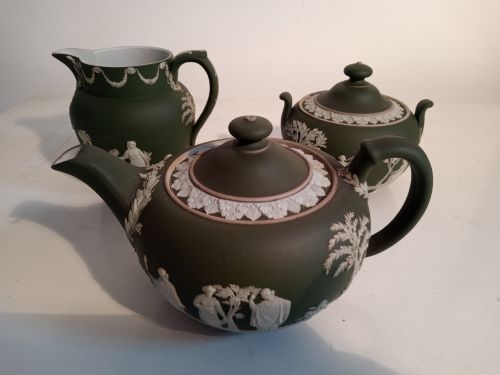
- A type of unglazed stoneware pioneered by Wedgwood, known for its contrasting matte relief figures against a coloured background. Olive green represents one notable colourway.
- Bonbonniere
- A small decorative box or jar originally used for holding sweets or confectionary. These pieces often feature fine porcelain construction and painted highlights.
Antique Porcelain Sugar Bowl: Frequently Asked Questions
How do I use an antique sugar bowl today?
These historic vessels function wonderfully as decorative containers on a dining table or sideboard, holding small items like sugar cubes during a formal tea service.
Because of their age and delicate enamel or gilt decoration, hand washing is essential to preserve the painted surfaces and prevent any damage to the porcelain body.
How can I tell eighteenth and nineteenth-century pieces apart?
Earlier eighteenth-century sugar bowls often display hand-painted blue and white motifs, such as fence or immortelle patterns, reflecting the limitations and aesthetics of early porcelain factories.
Nineteenth-century examples frequently incorporate bolder polychrome enamels, heavier gilding, and specialised ceramic bodies like felspar porcelain or bone china.
Did sugar bowls always come with covers?
Many historical sucriers and sugar boxes were manufactured with matching lids to keep the contents clean and dry during tea service.
Finding a piece that retains its original, undamaged cover is a significant advantage for collectors and generally indicates a more complete survival.
What is the difference between a sucrier and a sugar bowl?
The term sucrier is simply the French word for a sugar bowl, which became widely adopted by English porcelain manufacturers during the Georgian and Regency periods.
Both terms refer to the same functional vessel used in tea and coffee services, though sucrier often implies a covered box or pedestal bowl.