


Blue White Worcester Porcelain
Blue white worcester porcelain brings Eighteenth Century English craftsmanship into domestic spaces through delicate tableware decorated with cobalt glaze.
Blue White Worcester Porcelain
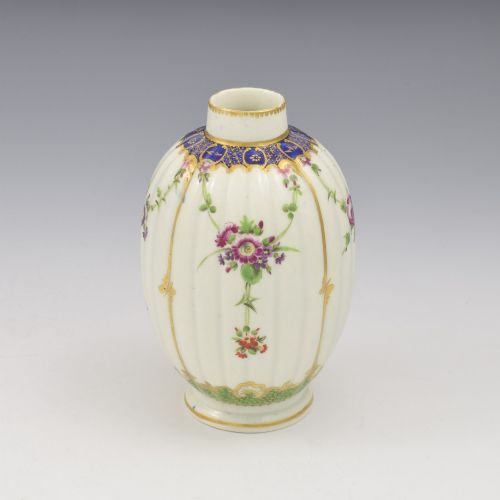
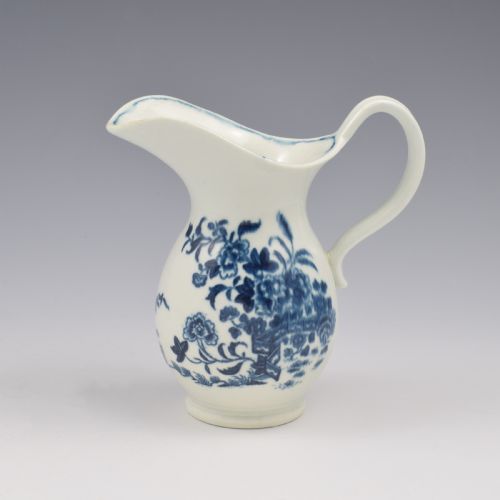
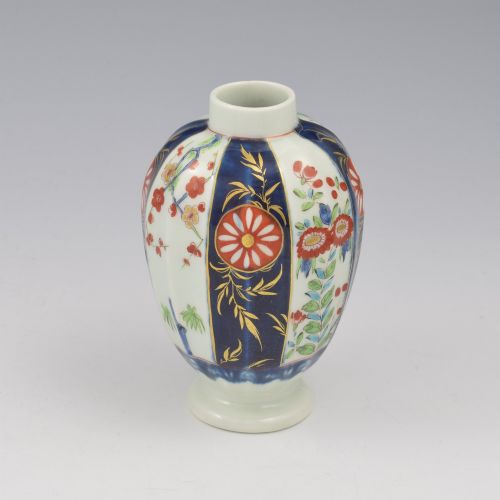
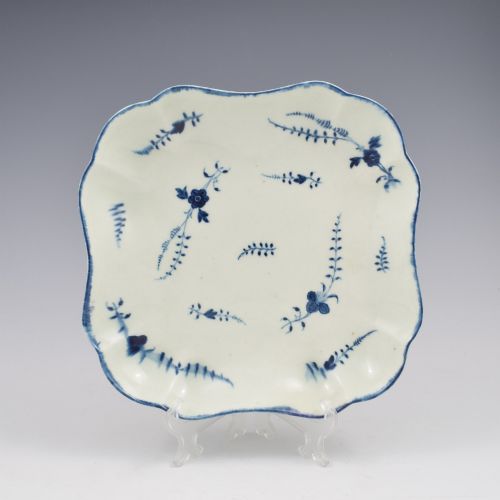
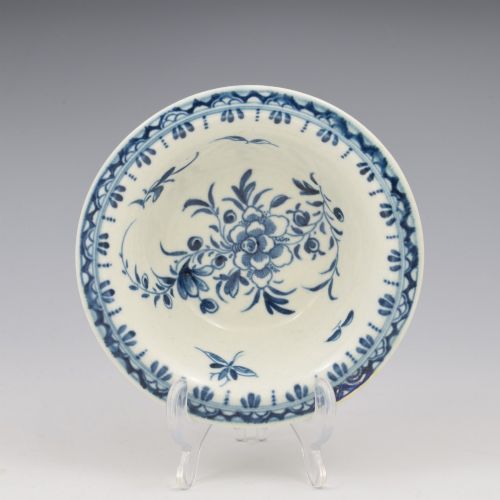
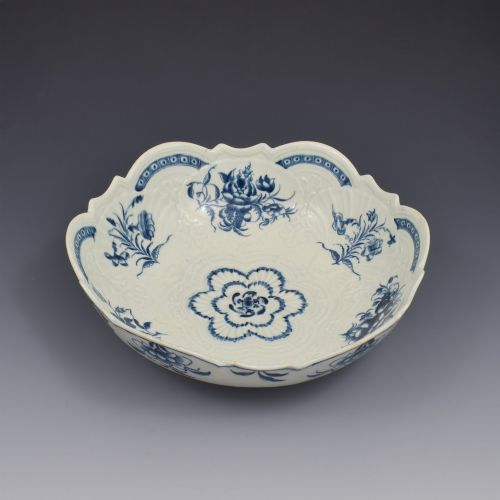
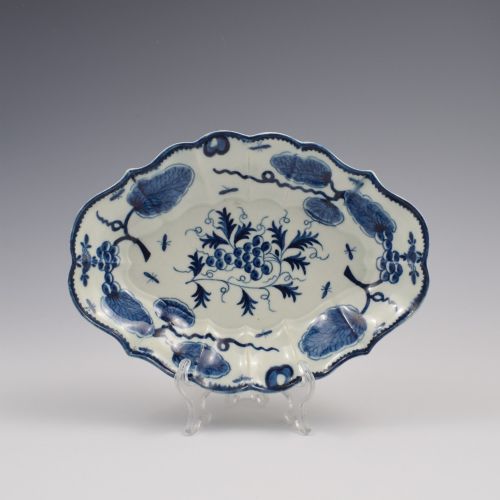
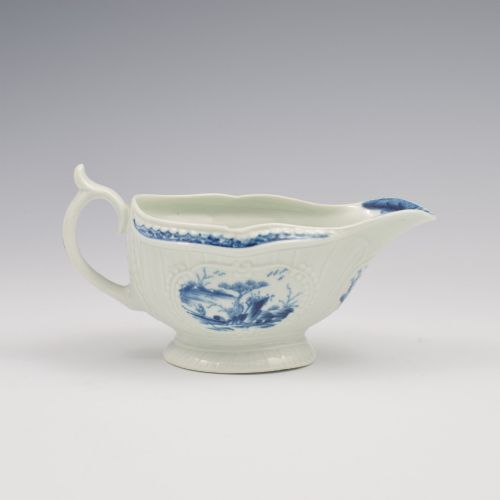
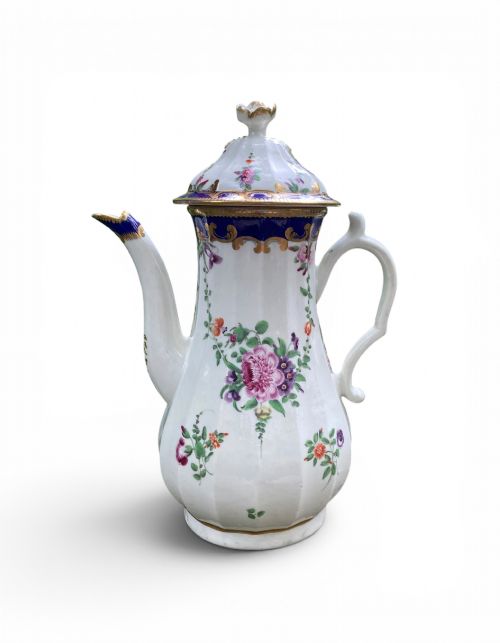
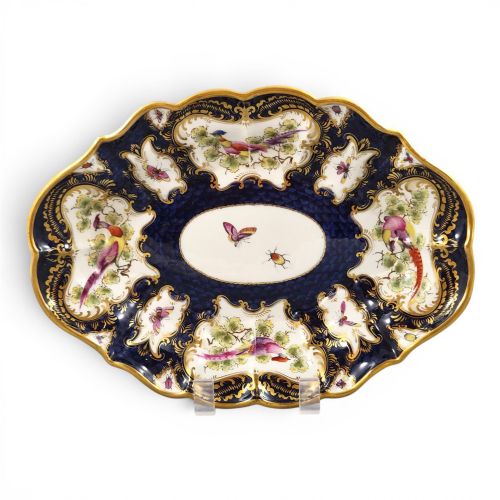
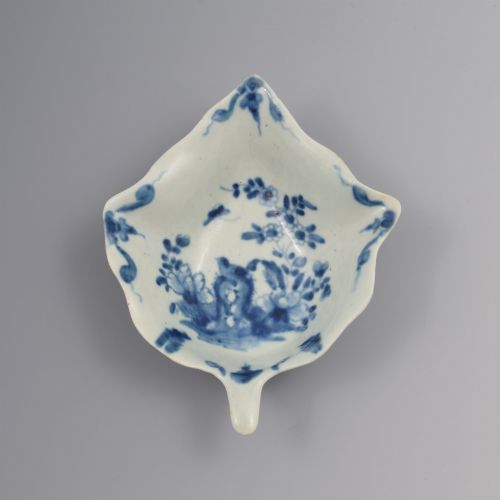
Blue white worcester porcelain comprises domestic tablewares and decorative vessels created primarily during the Eighteenth Century under the Dr Wall period, alongside later nineteenth and twentieth-century revivals. Buyers encounter functional forms ranging from tea bowls and saucers to sauce boats, teapots, and dessert dishes.
The core of the selection centres on Eighteenth Century production featuring classic Chinoiserie scenes, floral sprays, and bird motifs. Later Edwardian items, including blue scale dessert dishes and willow pattern pieces, continue the legacy with distinct manufacturer marks.
How they were made
Potters shaped soft-paste porcelain and standard porcelain bodies into intricate tableware forms, applying cobalt underglaze decoration by hand before firing. Artisans utilised cobalt glaze and enamel highlights, sometimes incorporating gold leaf on select decorative items.
Early pieces relied on soft-paste formulations that produced creamy translucency, while later wares shifted towards more durable compositions. Firing techniques determined the depth of the cobalt underglaze, creating the signature blue tones seen across baskets, bowls, and jugs.
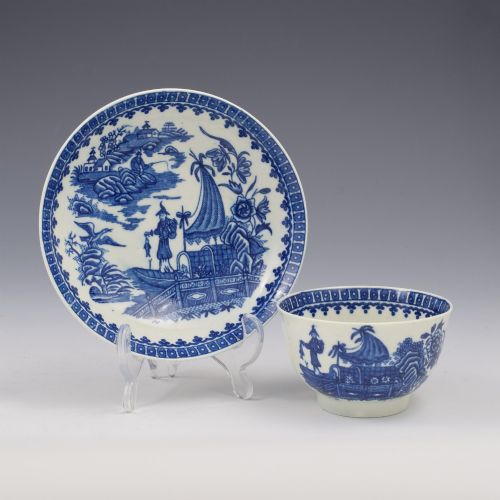
Early potters captured whimsical scenes of fishermen on tiny islands, ensuring every morning tea bowl tells a miniature story.
What varies in quality
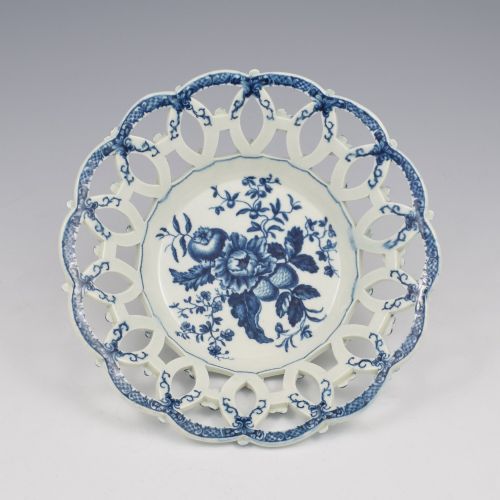
Quality rests in the crispness of the cobalt underglaze transfer or hand-painting, where sharp outlines distinguish superior artistic execution from blurred designs. The complexity of the moulded form, such as openwork chestnut baskets or scollop shell pickle dishes, also indicates higher manufacturing ambition.
Early Eighteenth Century Dr Wall productions display refined potting techniques and careful attention to botanical and Chinoiserie details. The presence of early factory marks, including crescents or workmen symbols, adds historical significance to individual tablewares.
Royal Worcester·Grainger and Co
The Blue White Worcester Porcelain Glossary
- Soft-paste porcelain
- An artificial ceramic body fired at lower temperatures than hard-paste porcelain, common in early English factories. It produces a warm, slightly creamy translucency when held to the light.
- Cobalt underglaze
- A blue metallic oxide pigment applied to pottery before glazing and firing. It withstands high kiln temperatures, resulting in deep, permanent blue decoration.
- Chinoiserie
- A European artistic style reflecting Chinese motifs and landscapes. Eighteenth-century ceramic painters adapted these imaginative scenes for tea bowls, plates, and jugs.
- Dr Wall Period
- The earliest phase of Worcester porcelain production, named after founder Dr John Cornwallis Wall. Pieces from this era are highly sought after by collectors for their delicate potting and hand-painted blue designs.
- Sucrier
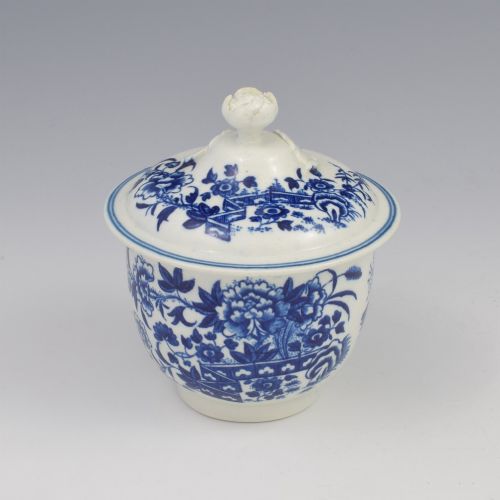
- A small covered sugar bowl designed for tea service tables. These vessels often match contemporaneous tea bowls, milk jugs, and teapots.
Blue White Worcester Porcelain: Frequently Asked Questions
How do I identify First Period Worcester?
First Period pieces date from the Eighteenth Century and typically feature soft-paste porcelain bodies with hand-painted or transfer-printed cobalt blue designs. Look for early factory marks such as the blue crescent or workman symbols underneath.
These items often display classic shapes like sparrow beak milk jugs, scallop shell pickle dishes, and intricate Chinoiserie patterns reflecting the styles of the period.
How were these porcelain pieces used?
These ceramics served functional roles in Georgian dining and tea rituals, including serving sauces, pouring cream, brewing tea, and presenting desserts. Tableware sets formed an essential part of polite domestic hospitality.
Wealthy households utilised specialised dishes like junket bowls, chestnut baskets, and tea canisters to display refinement during formal gatherings.
Can I use antique Worcester porcelain daily?
Due to their age and delicate soft-paste composition, Eighteenth-century items suit careful display and gentle handling rather than rigorous everyday dining use. Edwardian and later pieces offer slightly sturdier material construction.
Collectors generally preserve these fragile tablewares as decorative display items or use them exclusively for special occasions to protect the historic glaze and enamel details.
What does Chinoiserie mean on these items?
Chinoiserie describes European decorative art inspired by Chinese aesthetic traditions, featuring imaginary landscapes, pavilion structures, and figures in traditional dress. Eighteenth-century artists painted these fantastical scenes onto porcelain tea bowls and saucers.
This decorative style allowed makers to introduce exotic narrative elements into British domestic tablewares.