



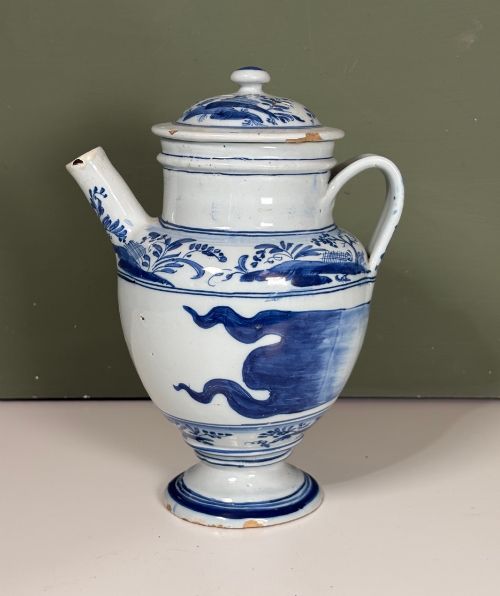
Blue and White Ceramics
Blue and white ceramics span centuries of kiln traditions, offering collectors painted cobalt vessels and figures created across Asia and Europe.
Blue and White Ceramics
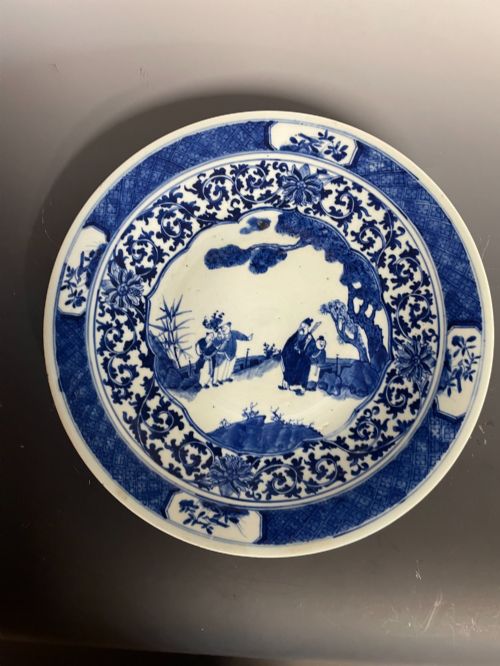
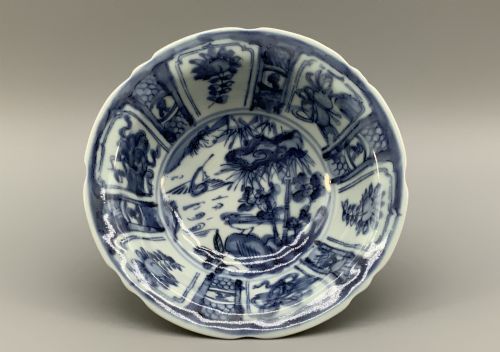
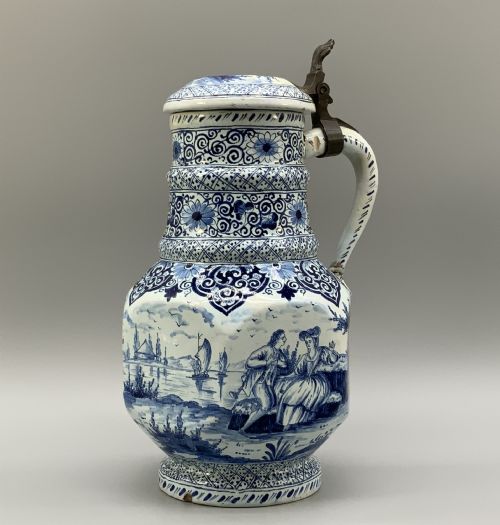
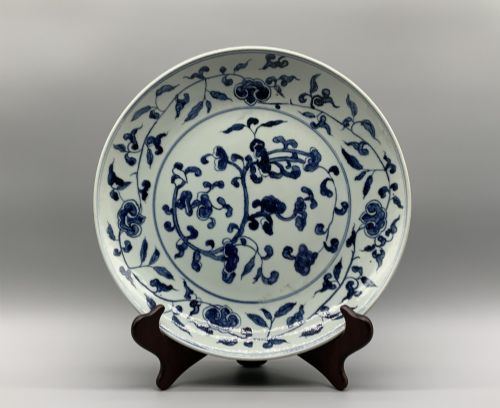
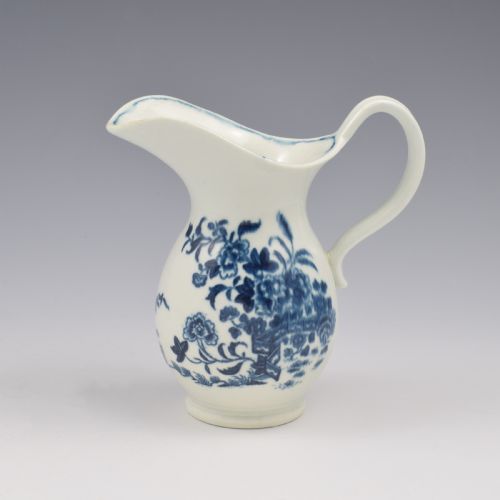
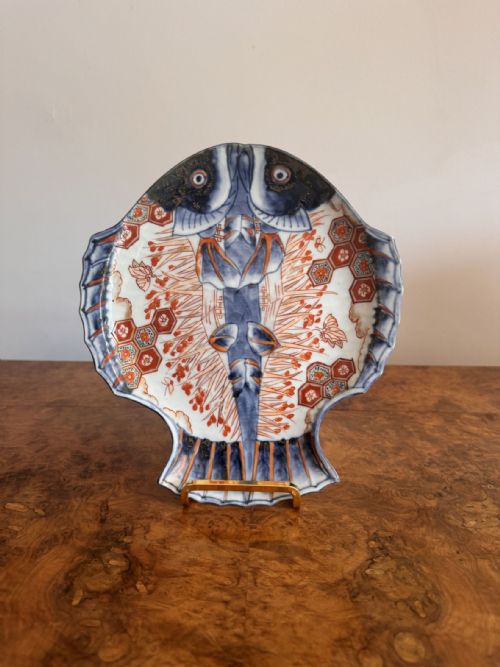
Blue and white ceramics encompass a broad spectrum of domestic and decorative objects produced in diverse regions, ranging from Chinese export chargers to English earthenware jugs. When exploring blue and white ceramics on this page, buyers frequently encounter items originating from Qing dynasty kilns, Dutch delftware potteries, and English factories of the eighteenth and nineteenth centuries.
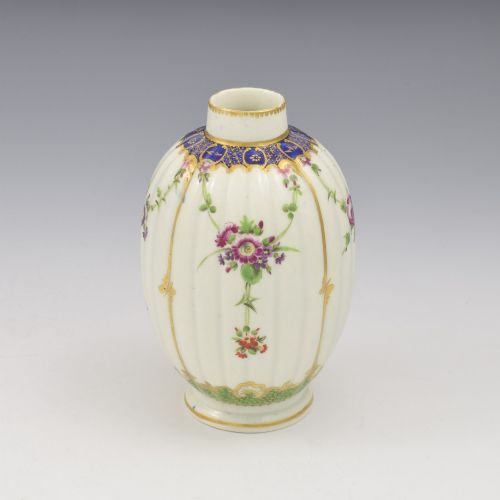
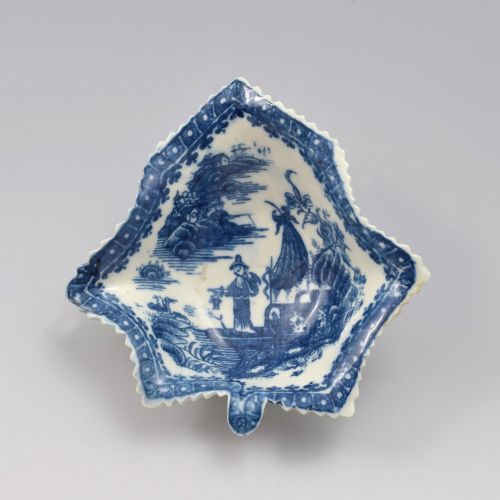
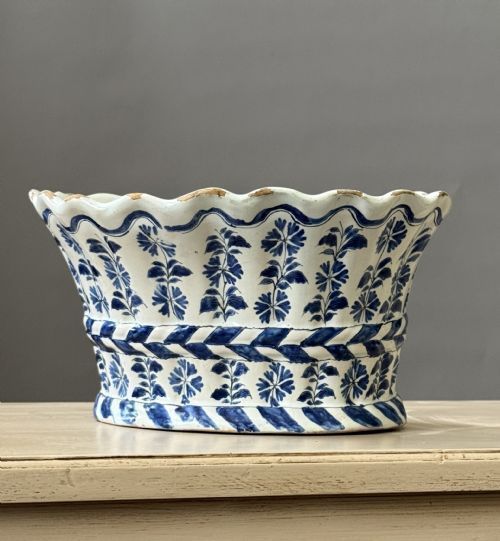
The inventory includes functional domestic items alongside purely decorative pieces, such as chargers, apothecary jars, toothbrush boxes, and miniature armchairs. Forms span from large jars and jardinieres down to delicate pickle dishes and tea canisters, demonstrating the vast utility of cobalt decoration across global markets.
How they were made
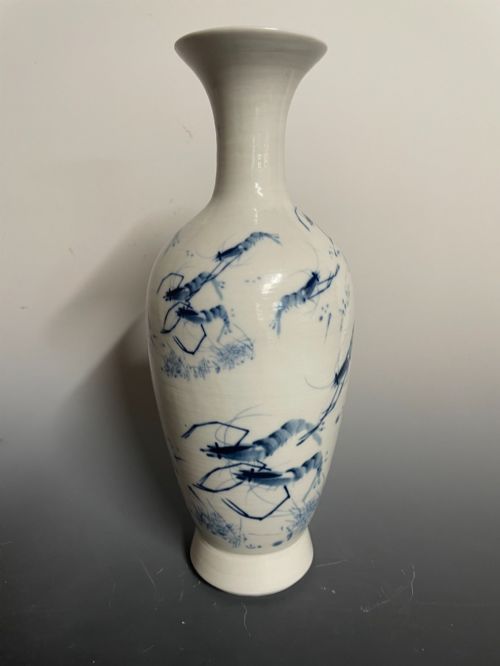
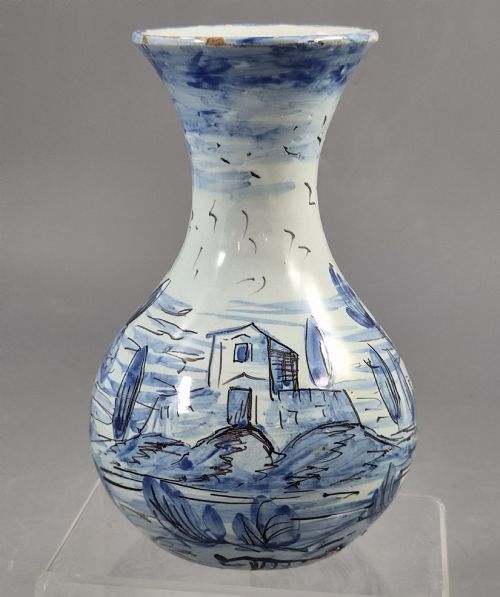
Makers utilised porcelain, soft-paste porcelain, earthenware, and faience as body materials, shaping them on the wheel or pressing them into moulds. Cobalt underglaze was applied directly to the unglazed body or onto a tin glaze, creating the characteristic blue pigmentation when fired at high temperatures.
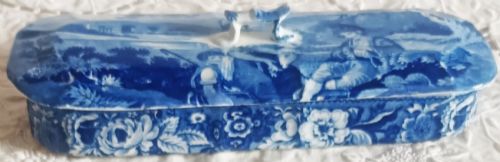
Many English and European pieces employed transfer printing techniques to apply intricate patterns onto earthenware or flow blue surfaces, while earlier Asian and Delft examples relied entirely on hand-painted cobalt brushwork.
The inventory records functional objects such as toothbrush boxes and footbaths alongside decorative vases and chargers.
What varies in quality
Quality in these ceramics rests primarily on the crispness of the cobalt painting, the purity of the white ground, and the delicacy of the potting. Superior examples display precise brush control and deep tonal variation within the blue underglaze, whereas lesser pieces show blurred lines or muddy glazes.
The execution of form also dictates distinction, separating standard utility wares from finely thrown cabinet pieces with carefully balanced proportions and well-defined foot rings.
Caughley Porcelain·Cantagalli·Fourmaintraux Courquin·Villeroy and Boch·W and T Avery·Minton
The Blue and White Ceramics Glossary
- Cobalt Underglaze
- Pigment applied to a ceramic body beneath a transparent glaze before firing. This method ensures the decoration remains permanent and protected.
- Soft-paste Porcelain
- A glassy ceramic composite fired at lower temperatures than hard paste. It was widely developed in eighteenth-century European factories attempting to replicate Chinese porcelain.
- Charger
- A large decorative plate intended for display on a sideboard or wall rather than for table service. These pieces frequently showcase the finest painting of a period.
- Delftware
- Tin-glazed earthenware produced in the Netherlands and England, imitating Chinese porcelain imports. The opaque white glaze provides a smooth ground for blue painting.
- Flow Blue
- Staffordshire earthenware characterised by a deliberate blurring of the cobalt design during firing. This chemical vaporisation creates a rich, hazy aesthetic.
Blue and White Ceramics: Frequently Asked Questions
How do I date an old piece?
Dating relies on examining the potting technique, the characteristics of the foot rim, and the specific shade of the cobalt blue used in the decoration. Different periods favoured distinct clay bodies and firing methods that leave physical clues.
Examining factory marks or handwritten underglaze ciphers provides further context, though many early or provincial items remain unmarked and must be judged entirely by style and material.
Are these items safe for daily use?
Most antique pieces function better as decorative objects or for dry display rather than rigorous daily dining. Glazes from earlier centuries can exhibit crazing or wear that makes them unsuitable for modern dishwashers.
Gentle hand washing in lukewarm water preserves the glaze and prevents chemical damage to the delicate ceramic body over time.
What is the difference between porcelain and earthenware?
Porcelain is fired at much higher temperatures until the clay vitrifies into a dense, non-porous material that often rings when struck and can show translucency under light. Earthenware is a softer, more porous ceramic that requires an opaque glaze like tin to seal the body.
Understanding this distinction helps identify the regional origin and likely period of manufacture for individual items.
Why does the blue colour vary so much?
Variations in blue tones stem from the purity of the cobalt ore used, the thickness of the application, and the exact temperatures reached inside the kiln. Asian cobalt often yielded a brilliant, deep sapphire, while European copies developed greyer or softer indigo hues.
Changes in preparation techniques across different decades also shifted the chemical reactions during the firing process.