

Chinese Porcelain
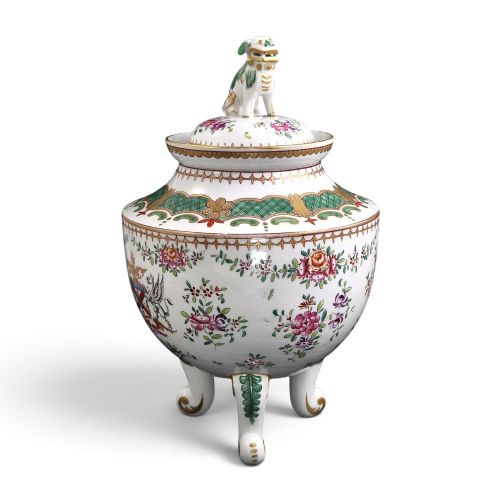
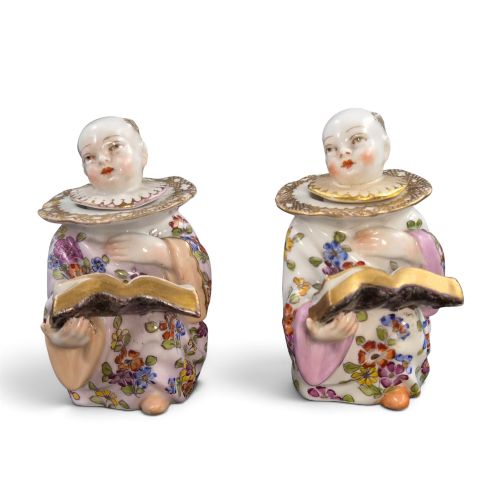
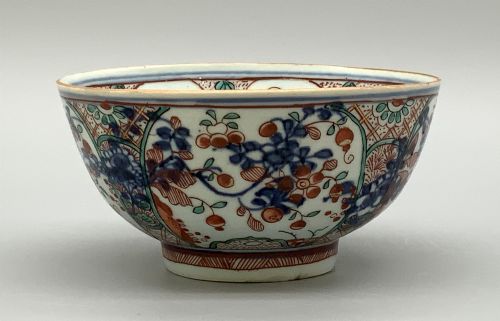
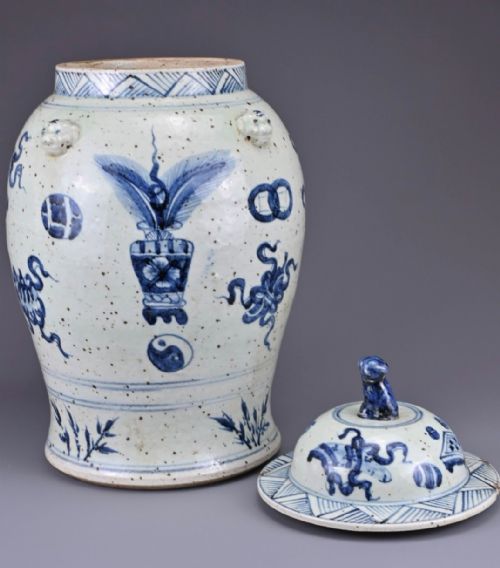
Chinese antique porcelain covers centuries of imperial and export ceramic artistry, offering collectors everything from blue and white scholars' vessels to vibrant famille rose palace jars.
Chinese antique porcelain
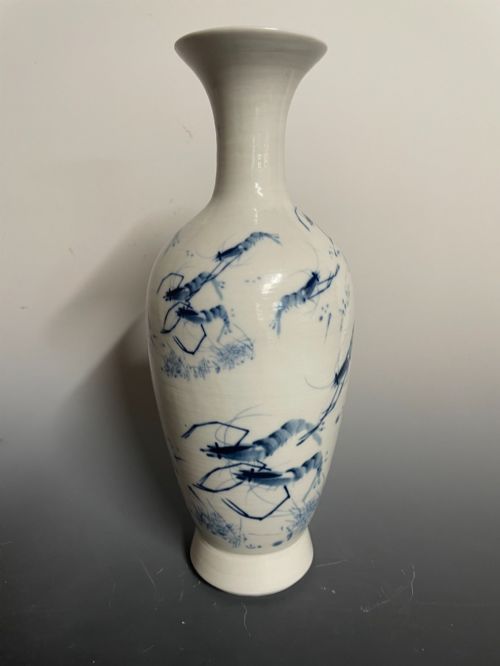
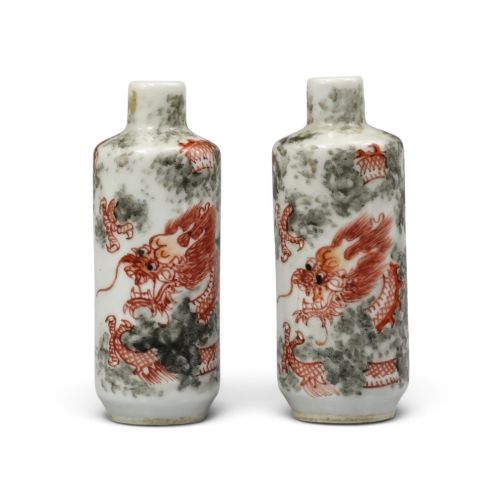
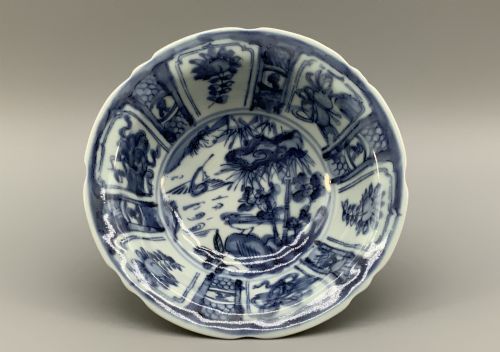
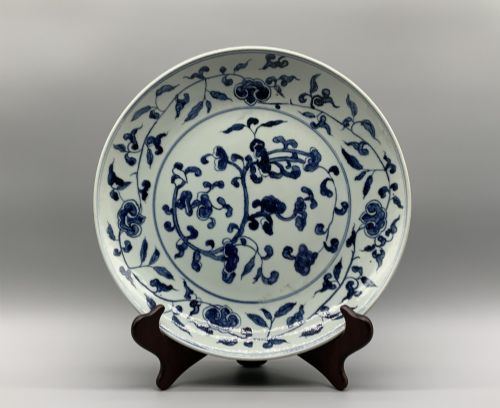
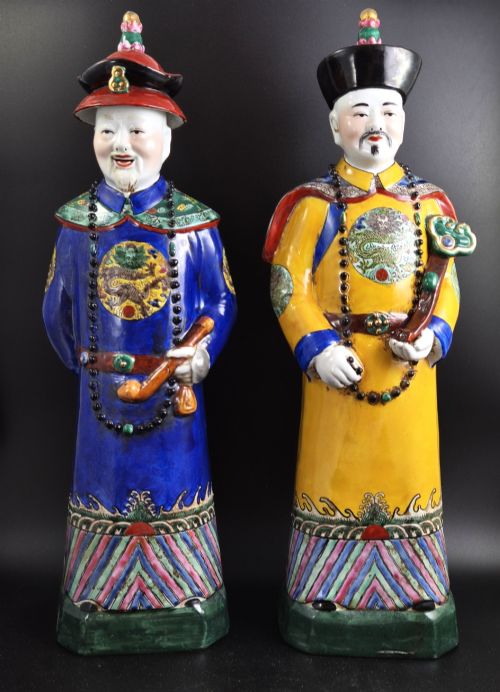
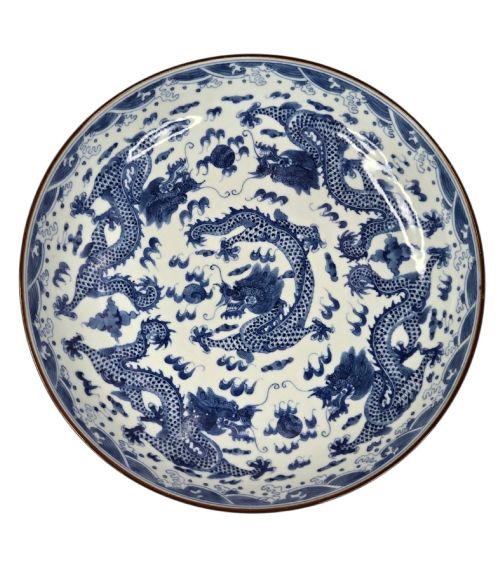
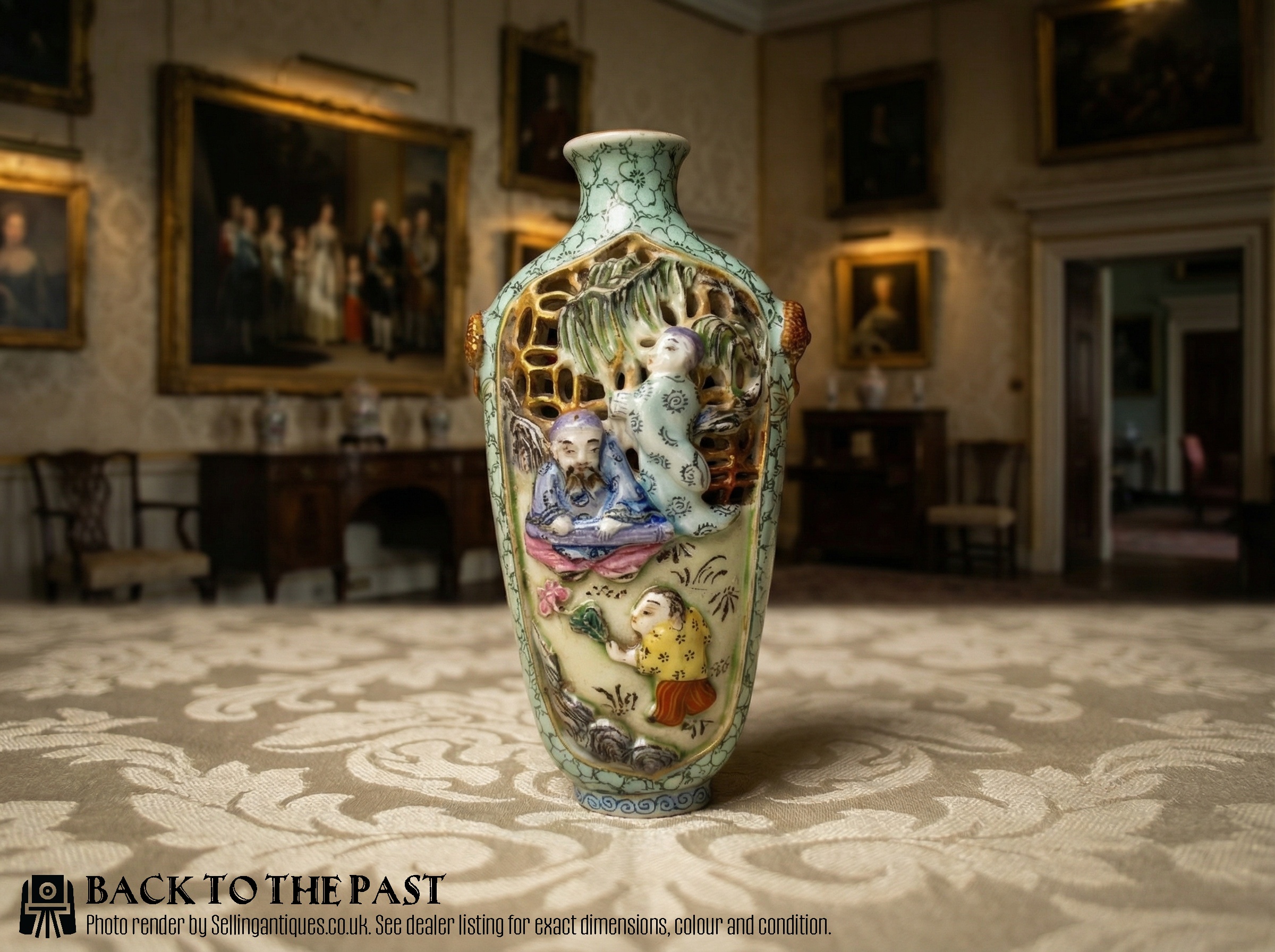
Chinese antique porcelain encompasses vessels, figures and decorative items created across dynasties spanning the seventeenth through the nineteenth centuries, including the Kangxi and Wanli periods. The items appearing here range from everyday scholar items such as water droppers and snuff bottles to substantial decorative bowls, platters, fish bowl planters and baluster vases.
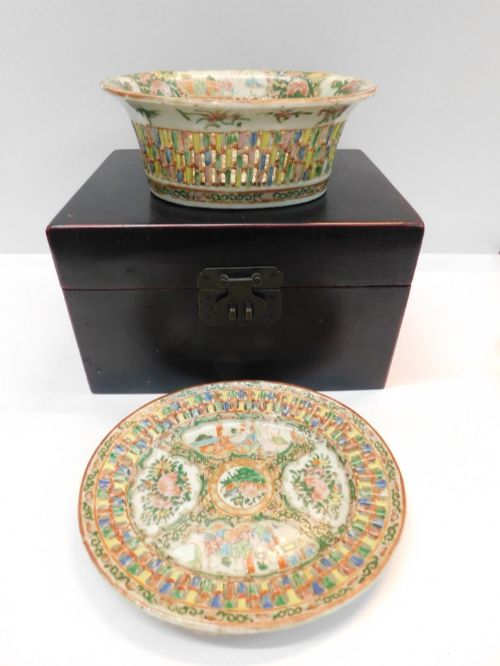
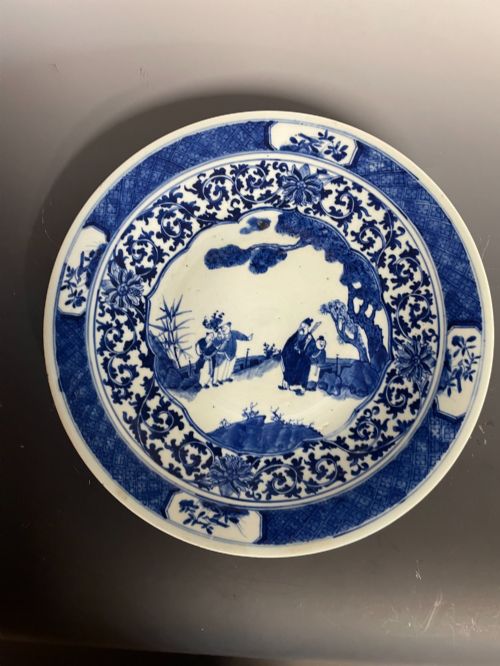
Buyers most frequently encounter pieces originating from the nineteenth century, often decorated in the famille rose or famille verte palettes. Blue and white porcelain remains a steady presence, drawing on cobalt underglaze techniques developed centuries prior under imperial patronage.
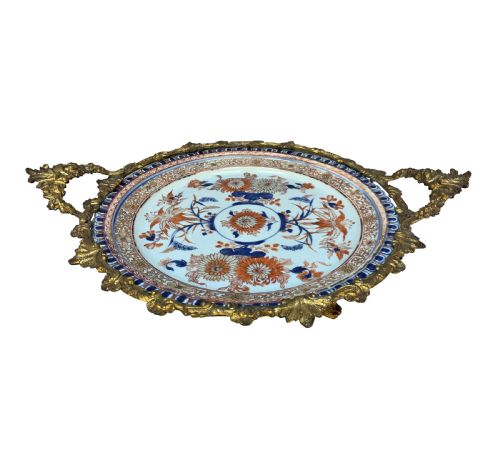
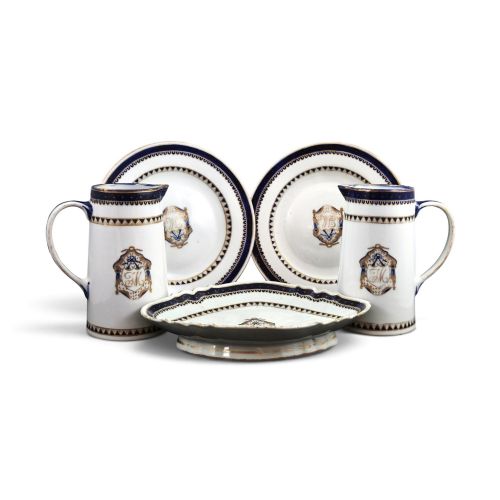
Forms include lidded jars, trumpet vases, saucers and plates, alongside specialised items mounted later as table lamps or fitted with ormolu mounts. The record shows both export wares made for Western markets and domestic imperial pieces bearing reign marks.
Materials and methods
Potters utilised fine-grained petuntse and kaolin clays to form dense ceramic bodies capable of withstanding high kiln temperatures. Cobalt underglaze was applied to the raw clay body before glazing and firing, producing deep blue designs beneath a clear glass-like finish.
Overglaze decoration involved painting pigments containing enamel and gold leaf onto previously fired porcelain, which then underwent a second, cooler kiln firing to fix the colours. Celadon wares achieved their characteristic green hue through iron oxides reacting within the glaze during reduction firings.
Retail Price Guide 2026
Typical UK retail prices for chinese porcelain, calculated from the Sellingantiques database of over a million retail prices indexed since 2003. This retail price guide relies exclusively on Sellingantiques data; no external sources or auction records are used, so the figures do not describe the wider market.
Listings feature periods spanning from the seventeenth-century Ming and Qing dynasties through to nineteenth-century Guangxu and Daoguang marks.
Assessing quality
Quality rests upon the crispness of the potting, the control of the kiln temperature and the dexterity of the hand-painted brushwork. Superior examples display fluid, confident cobalt lines or finely delineated enamels that sit evenly across the porcelain body without pooling or bubbling.
The refinement of the clay body and the purity of the white glaze dictate the baseline of a piece, while imperial marks and well-documented period characteristics elevate certain vessels above standard export production.
The Chinese Porcelain Glossary
- Famille Rose
- A palette of opaque overglaze enamels dominated by pink or rose colours, introduced during the Qing dynasty. This technique allowed for nuanced shading of floral and figural scenes.
- Cobalt Underglaze
- Pigment applied directly to the unfired clay body before transparent glazing and high-temperature firing. The mineral turns a permanent blue beneath the protective glaze surface.
- Celadon
- A transparent green glaze applied over a white body, producing subtle jade-like tones. The colour results from iron oxides reacting inside a reduction kiln atmosphere.
- Baluster Vase
- A tall vase form with a rounded lower body, a tapering neck and a flaring rim, resembling the shape of an architectural baluster. These vessels often serve as centrepieces.
- Blanc de Chine
- White porcelain produced in Dehua, Fujian province, featuring a rich milky glaze that melds directly into the clay body. It frequently takes the form of religious figures and animals such as Foo dogs.
Frequently Asked Questions
How do I date Chinese porcelain?
Dating relies on stylistic shifts in painting, potting techniques, glaze characteristics and reign marks applied to the base. Comparing the piece against documented examples from specific periods helps establish its age.
Marks alone can be deceptive because later dynasties frequently reproduced earlier reign marks as a sign of respect rather than outright deception. One must examine the clay body, wear patterns and pigment chemistry alongside any written characters.
What is the difference between famille rose and famille verte?
Famille verte relies primarily on a transparent green enamel combined with iron red, yellow, blue and black, creating vibrant botanical and narrative scenes popular in the seventeenth century. It emerged during the Kangxi period.
Famille rose utilises an opaque pink or purple enamel derived from colloidal gold, introduced in the eighteenth century during the Yongzheng and Qianlong reigns. This allowed artists to achieve softer tonal gradations, particularly in depicting robes and flower petals.
How were these porcelain pieces used originally?
Many large vessels functioned as decorative floor vases or storage jars within elite Chinese households, while fish bowls housed ornamental carp in courtyard gardens. Smaller dishes and saucers served food or held scholar items.
Export pieces made their way to European and British homes, where items like punch bowls, ginger jars and plates were displayed on sideboards or mounted as lamps during later Victorian revivals.
How do I care for antique porcelain?
Keep porcelain away from direct sunlight to prevent fading in overglaze enamels and gold leaf highlights. Dust gently with a soft, dry brush and avoid abrasive cleaners or immersion in water if the piece has metal mounts or hairline cracks.
Display vessels on stable, level surfaces away from heavy foot traffic vibrations. If a piece requires cleaning, use lukewarm water with mild soap and dry immediately with a lint-free cloth.