



Famille Rose Porcelain
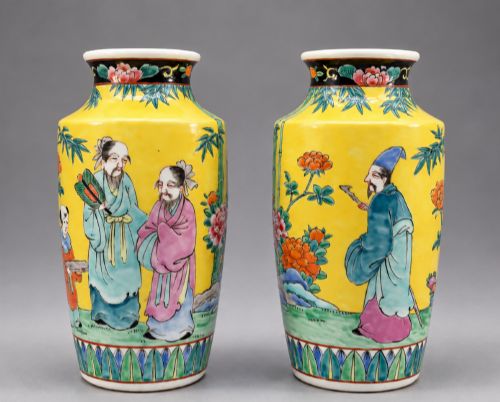
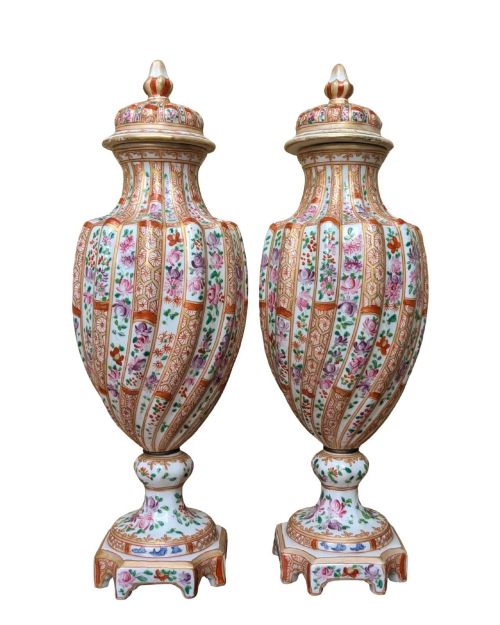
Famille rose porcelain brings vibrant pink enamel palettes and intricate floral or figural enamel work into domestic interiors across various historical periods.
Famille Rose Porcelain
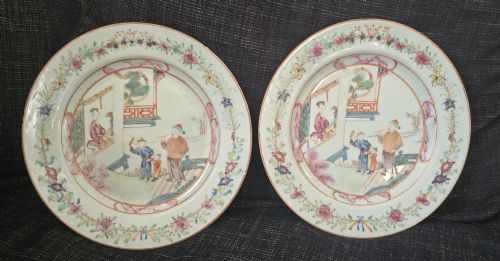
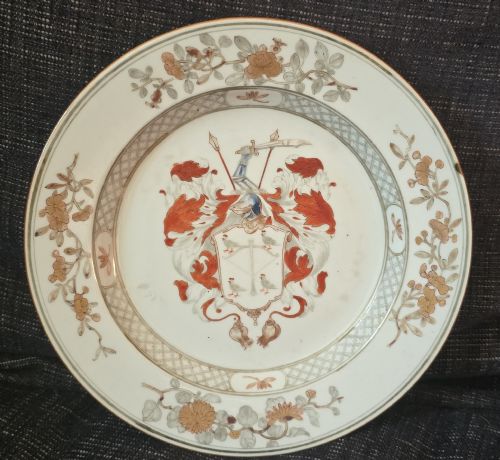
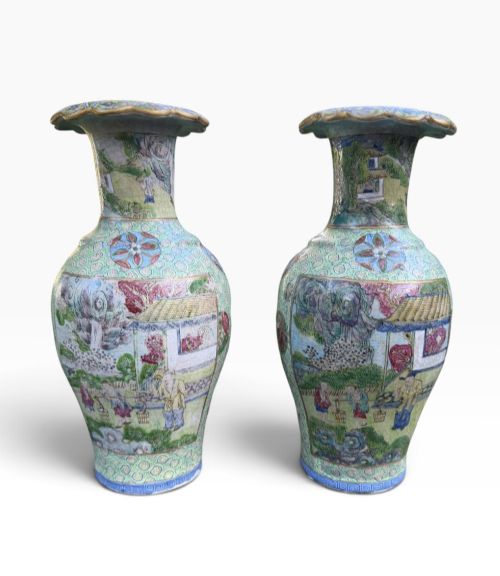
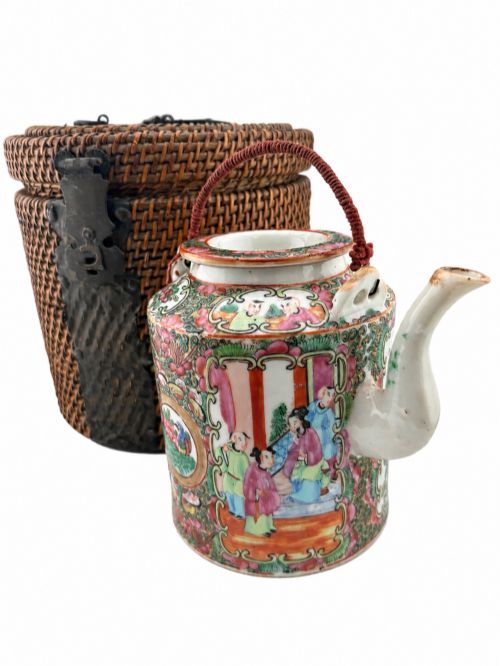
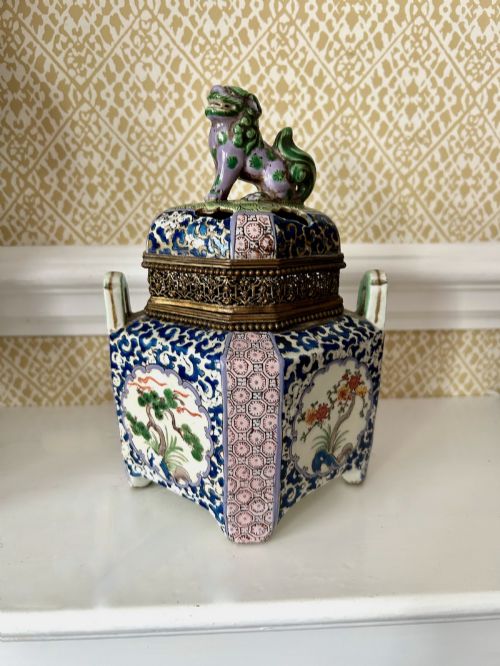
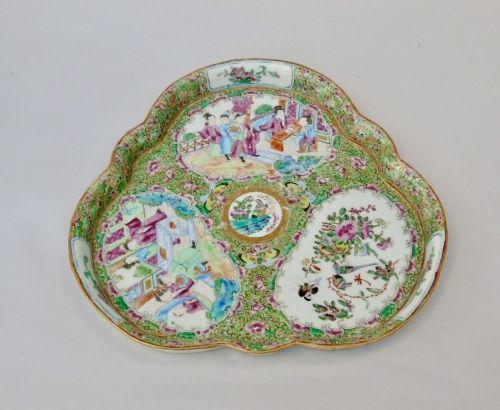
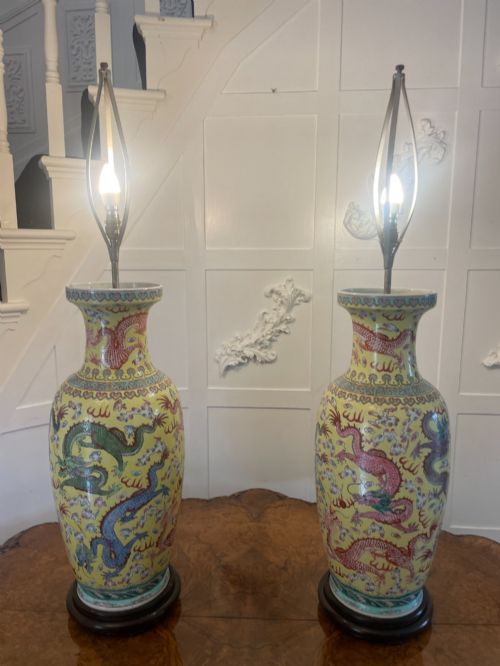
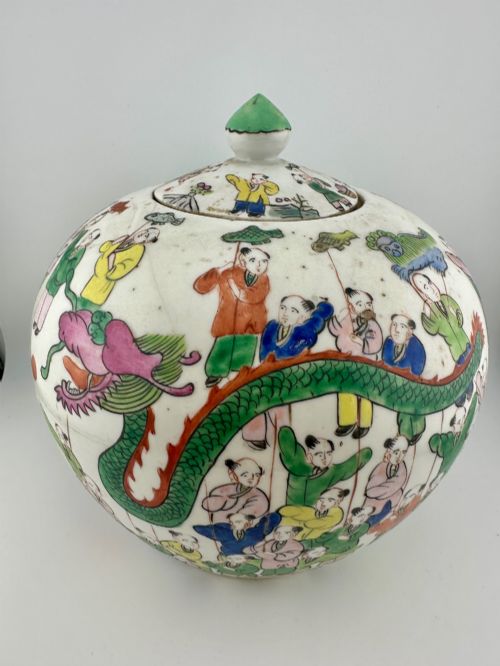
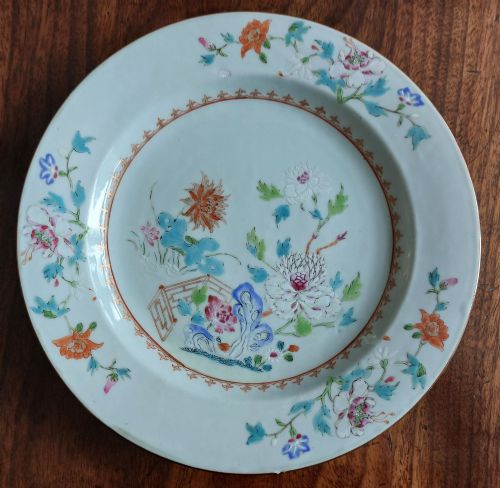
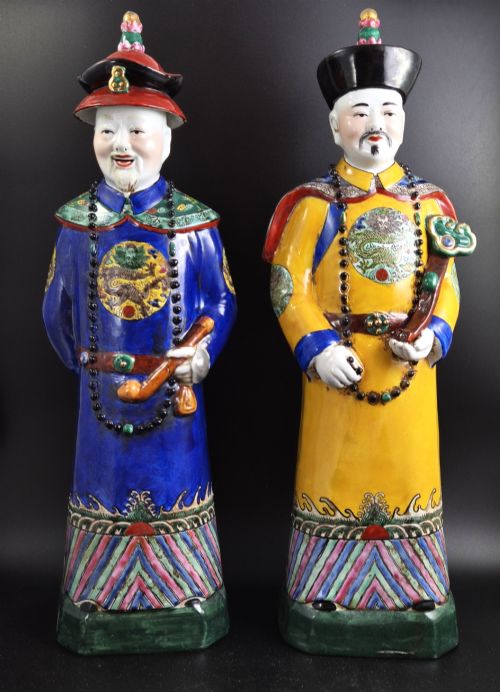
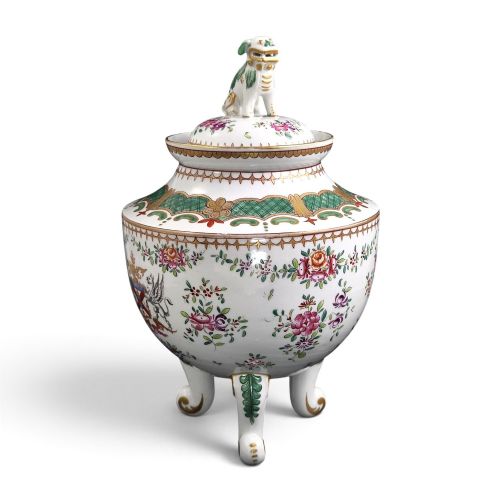
Famille rose porcelain encompasses a wide variety of items such as punch bowls, ginger jars, vases, chargers, and planters originating primarily from Chinese dynasties and European revivalist kilns. Pieces span the eighteenth, nineteenth, and early twentieth centuries, reflecting changing decorative tastes from Qianlong imperial wares to later Canton productions and Republican period artistry. Buyers find both utilitarian vessels and purely decorative objects, including table lamps adapted from earlier vases and figures of deities or animals.
The material takes its name from the dominant pink or rose-coloured enamel introduced during the Qing dynasty, which painters used alongside opaque white and other overglaze colours to render flora, fauna, and narrative scenes. Domestic interiors benefit from these pieces through their capacity to introduce focal colour and detailed pictorial storytelling into spaces ranging from traditional settings to eclectic modern rooms. Identifying marks, such as reign characters or studio stamps, frequently guide collectors toward specific periods of production.
Materials and Construction
Makers shaped the white clay base into vessels and figures before firing the body at high temperatures to achieve a durable porcelain foundation. Artisans then applied opaque and translucent overglaze enamels by hand, often incorporating gold leaf, gilding, and iron-red pigments to highlight specific motifs like birds, flowers, and human figures.
A subsequent lower-temperature kiln firing fused the enamel palette to the glazed surface, fixing the characteristic pink tones alongside greens, yellows, and blues. Certain items also featured subsidiary mounts in brass or ormolu, particularly when European makers adapted imported or domestic porcelain bodies into functional lamps and decorative containers.
Famille Rose Porcelain Retail Price Guide 2026
Typical asking prices for famille rose porcelain among the pieces listed under this phrase on Sellingantiques today, from the lower quarter to the upper quarter. They describe what is for sale here now, not the wider market.
Form variations include vases, bowls, plates, lamps, snuff bottles, jars, figures, and jardinières.
Evaluating Quality and Execution
Quality rests upon the precision and delicacy of the hand-painted brushwork across the enamel surface, where superior examples exhibit fine detail in facial expressions, plumage, and botanical rendering. The clarity of the porcelain body and the controlled application of overglaze colours and gilding further distinguish masterwork production from standard commercial output.
Depth of colour saturation and the complexity of the compositional layout - such as dense millefleurs arrangements or multi-figural narrative scenes - indicate the level of craftsmanship invested in the piece. Additionally, the presence of well-executed reign marks or studio signatures correlates with higher standards of ceramic and artistic achievement.
Samson Paris·Zhu Mao Ji
The Famille Rose Porcelain Glossary
- Canton
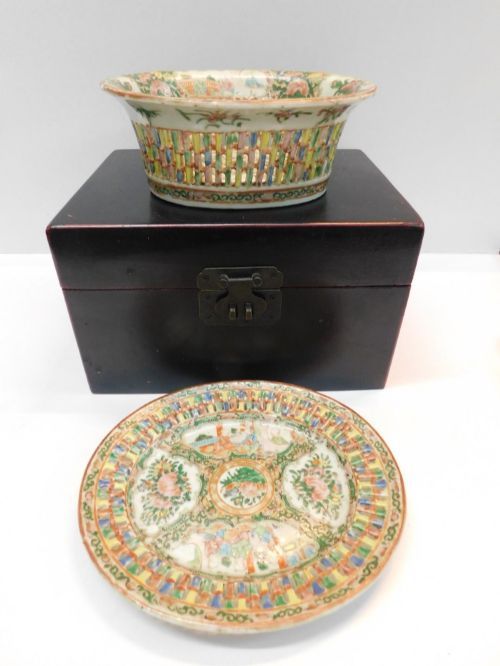
- A style of Chinese export porcelain heavily decorated with colourful panels of figures, birds, and flowers, produced for Western markets during the nineteenth century.
- Overglaze Enamel
- Low-firing coloured glass applied over a previously fired and glazed porcelain body to create pictorial designs.
- Millefleurs
- A dense decorative pattern of countless small painted flowers covering the entire surface of the ceramic body.
- Moon Flask
- A flattened, circular pilgrim flask with a short neck and two loop handles, often resting on a small rectangular base.
- Ormolu
- Gilded bronze or brass used for decorative mounts, handles, and stands fitted to porcelain vessels in European workshops.
Famille Rose Porcelain: Frequently Asked Questions
How do I date these pieces?
Dating relies on examining stylistic markers, potting characteristics, and any reign marks or studio seals stamped on the base. Eighteenth-century pieces typically show thinner potting and specific Qianlong imperial palettes, while nineteenth-century Canton items often display denser panel decoration.
Changes in enamel texture and colour saturation also assist in distinguishing early imperial periods from later nineteenth and twentieth-century revivals. Comparing pieces against documented examples with similar motifs provides further chronological context.
Were these items meant for export?
Many items were explicitly produced for export to European and Western markets, shaped by foreign tastes while maintaining traditional Chinese manufacturing techniques. This exchange led to hybrid forms and decorative schemes tailored specifically for overseas buyers.
At the same time, domestic production continued alongside export output, supplying local courts and families with imperial wares and everyday vessels. Understanding the intended market explains variations in shape and decorative motifs found across different pieces.
How should I display them at home?
Displaying these ceramics involves placing them in areas with stable lighting and secure footing to protect the hand-painted enamel and gilded surfaces. Larger chargers and punch bowls suit prominent tabletops or dedicated stands, while vases and jars function well as focal points on mantelpieces.
Some pieces adapted as table lamps integrate functional lighting with historic porcelain bodies for living spaces. Keeping them away from direct, harsh sunlight preserves the vibrancy of the pink enamel and overglaze colours.
What do the painted motifs represent?
Painted motifs frequently draw on traditional Chinese symbolism, featuring birds, flowers, and figures from folklore and history to convey wishes for longevity, prosperity, and peace. Common subjects include peonies, butterflies, and immortals such as Budai or Shoulao.
Identifying these recurrent themes helps collectors appreciate the narrative depth encoded within the enamel decoration. Each pictorial element contributes to the overall symbolic meaning intended by the original artisan.