

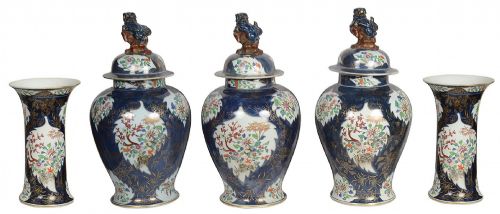


Chinese Floral Vase
A chinese floral vase brings centuries of intricate craftsmanship and botanical motifs into a room, spanning delicate porcelain and vibrant enamels.
Chinese Floral Vase
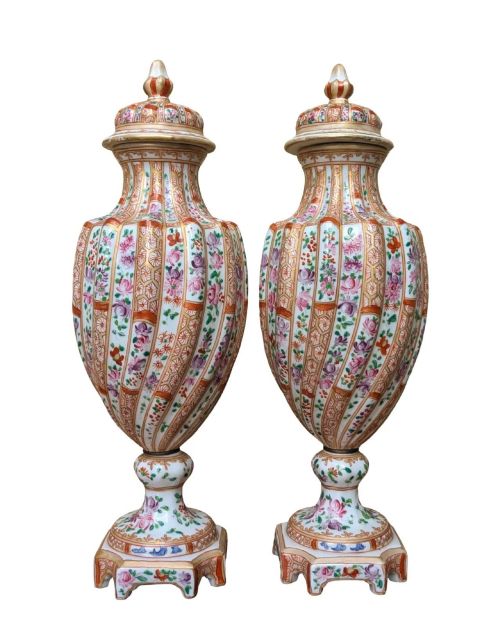
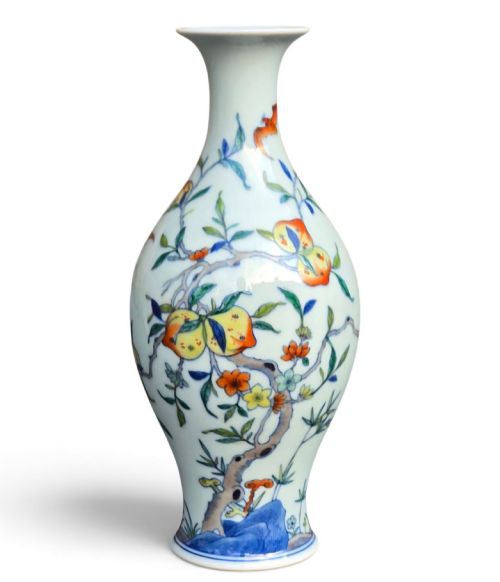
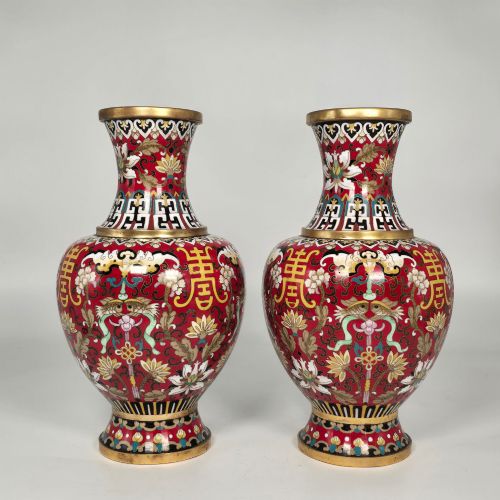
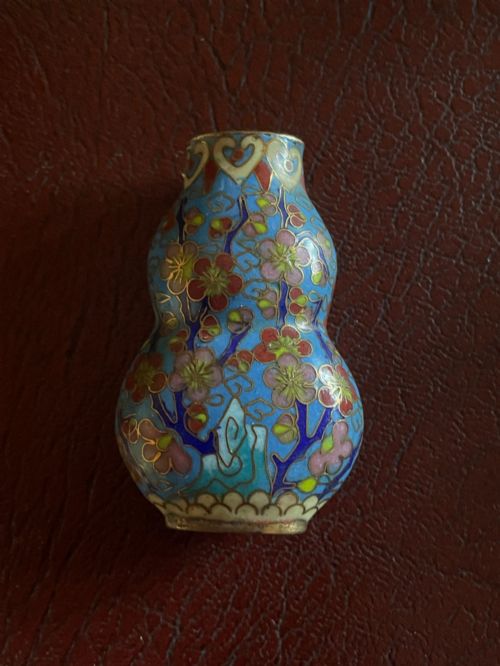
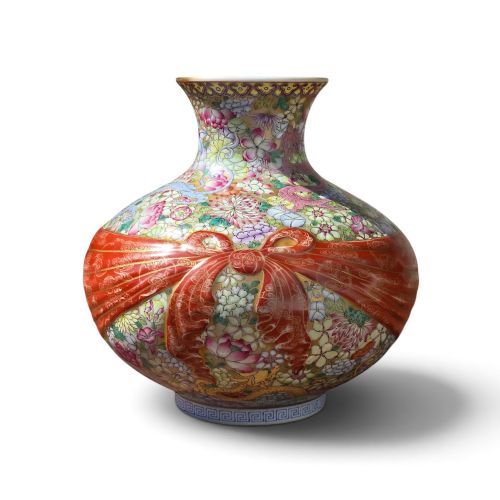
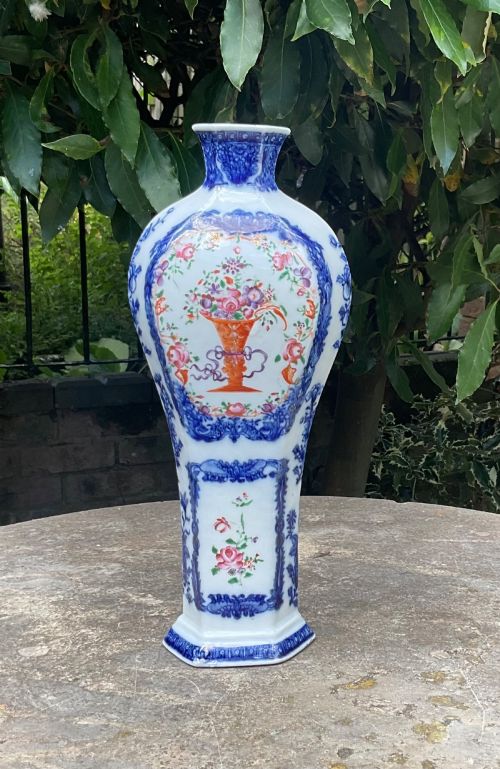
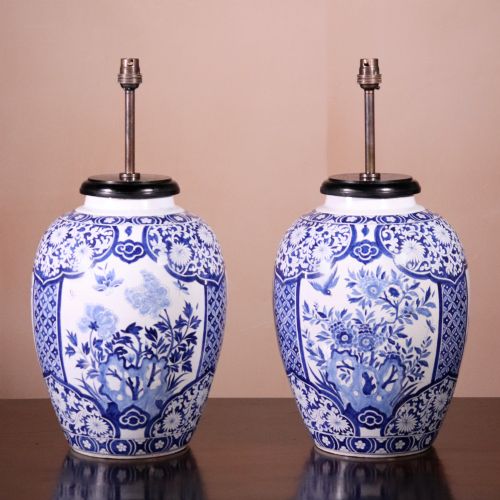
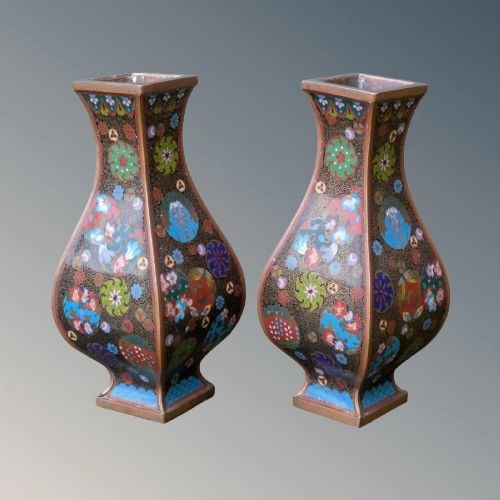
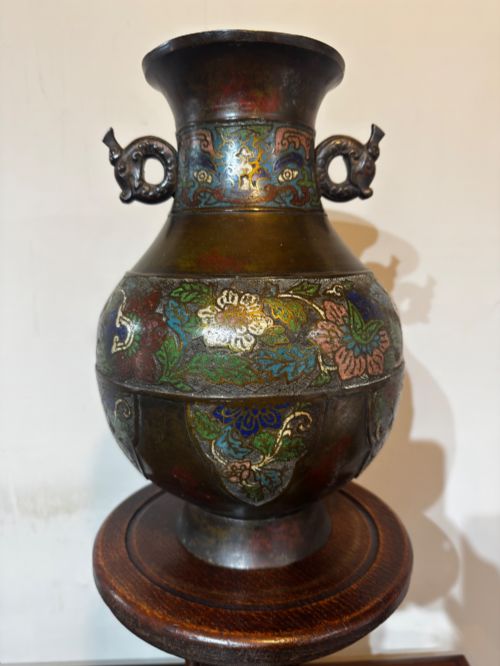
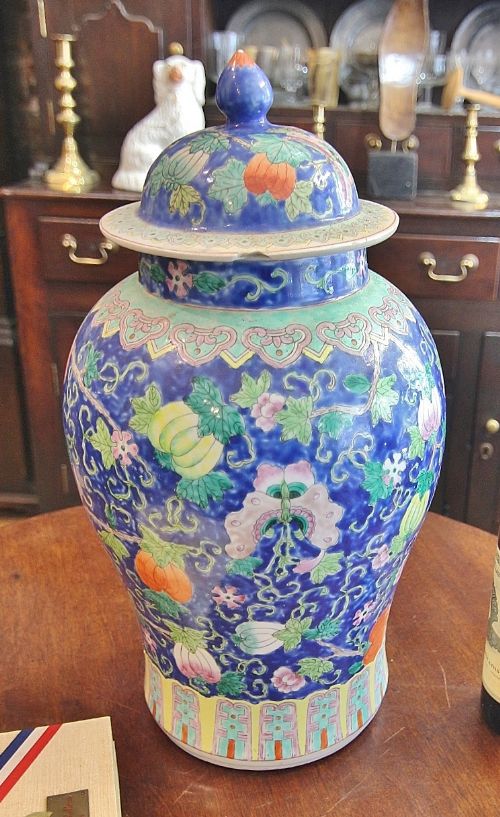
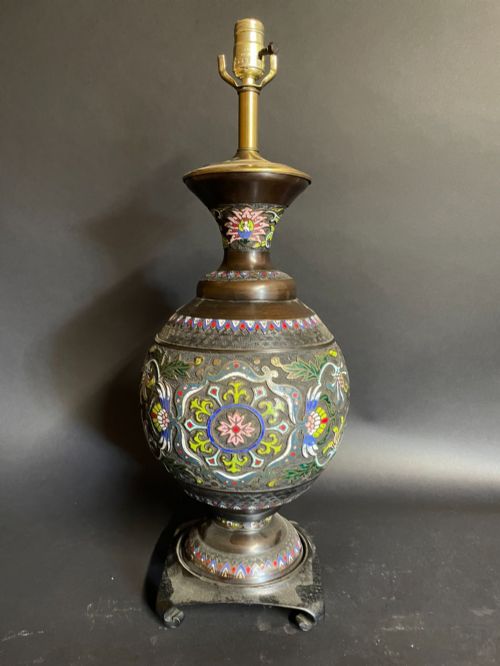
A chinese floral vase encompasses a diverse array of decorative vessels shaped from porcelain, bronze, brass, and cloisonne enamel. Buyers exploring this category encounter forms ranging from miniature vessels and baluster shapes to larger ginger jars and converted table lamps.
The objects stem from various eras, including the eighteenth century, the nineteenth century, and twentieth-century interpretations influenced by Qing Dynasty aesthetics and later export traditions.
Associated furnishings such as marble-top vase stands and jardiniere stands in wood often accompany these vessels, completing traditional interior arrangements.
Materials and Construction Methods
Artisans formed these pieces using ceramic potting, metal casting, and intricate wirework techniques for cloisonne and champleve enamelling. Copper, brass, and bronze provide rigid foundations for metalwork pieces, while high-fired clay underpins porcelain and pottery variants.
Decoration relied on hand-applied pigments such as underglaze blue, famille rose enamels, and carved red cinnabar lacquer to render floral and botanical motifs. Metal vessels frequently integrate soldered wire cells filled with coloured enamel pastes before firing and polishing.
Listings feature periods spanning from the eighteenth century through to the mid-twentieth century, utilising porcelain, bronze, copper, and enamel.
Distinctions in Execution
The refinement of painted detail and the precision of enamel work separate standard decorative items from finer examples. Crisp lines in cloisonne wiring and delicate brushwork on porcelain indicate higher levels of workshop skill.
The integrity of the material body, whether cast bronze, carved lacquer, or fired pottery, determines the longevity and tactile appeal of the object. Weight, balance, and the crispness of incised or moulded relief work also distinguish superior pieces.
The Chinese Floral Vase Glossary
- Cloisonne
- A metalworking technique where small metal wires form raised cells on a surface, which are then filled with enamel paste and fired. This method creates detailed coloured patterns across vases and lamps.
- Famille Rose
- A palette of opaque rose-pink enamel introduced to Chinese porcelain decoration during the Qing dynasty. It allowed artists to render soft floral and figurative details.
- Champleve
- An enamelling process where troughs or cavities are cast or gouged into a metal surface and filled with enamel before firing. It differs from wire-based cloisonne by using carved metal boundaries.
- Garniture
- A set of matching vases or jars traditionally displayed together on a mantelpiece or shelf. These sets often share coordinated floral or figurative motifs.
- Baluster
- A vase shape characterised by a rounded lower body that tapers towards a narrow neck and a flared rim. This silhouette frequently appears in porcelain and bronze forms.
Chinese Floral Vase: Frequently Asked Questions
How were these vases originally used?
These vessels served as decorative ornaments in scholar's studios and reception rooms, often holding cut flowers or standing as prized display objects.
Over time, many examples were adapted into table lamps while retaining their original ceramic or metal bodies.
What materials are most common?
Porcelain, bronze, brass, and cloisonne enamel appear frequently across the available selection, often paired with carved wooden stands.
Enamel work and underglaze painting provide the primary surfaces for botanical decoration.
How do I date a piece?
Dating relies on stylistic markers, manufacturing techniques, and occasional reign marks or seals located on the base of the vessel.
Twentieth-century interpretations often echo earlier Qing Dynasty aesthetics, requiring close inspection of the materials and wear patterns.
Can these vases be used as lamps?
Many vessels in this category have already been converted into table lamps by wiring through the original body or mounting them on bases.
Unconverted vases can also be adapted by professional lighting specialists without altering the decorative exterior.