

Polychrome Ceramic Vases
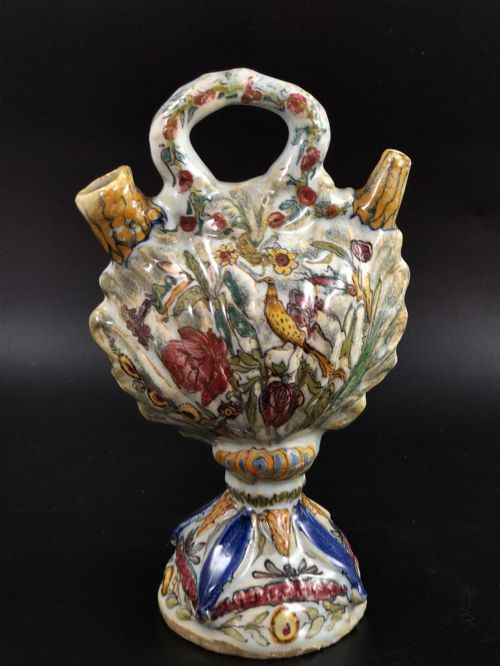
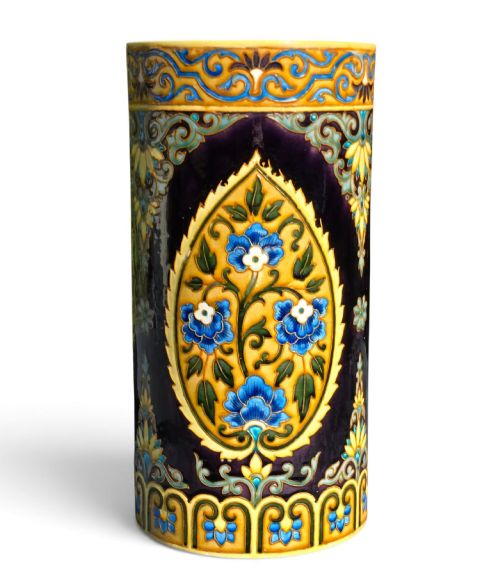
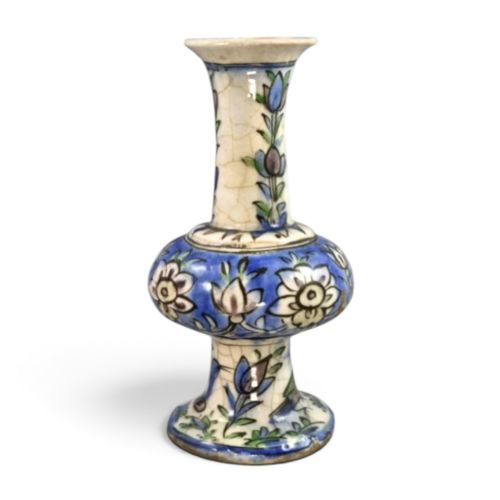
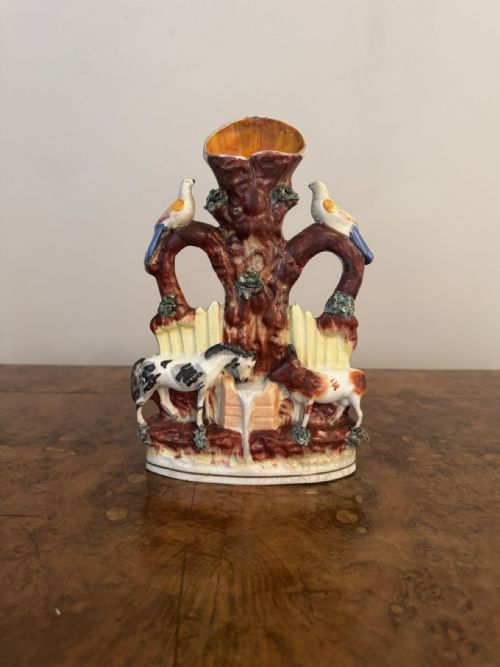
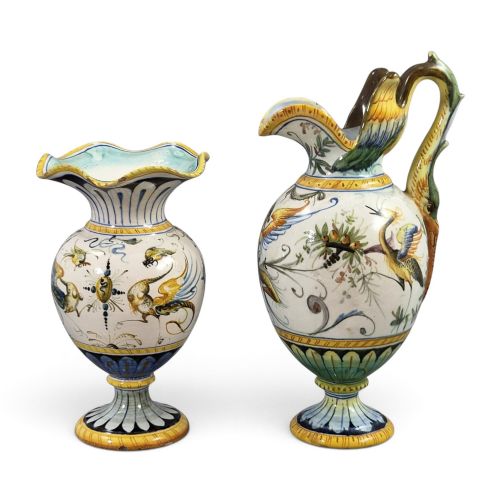
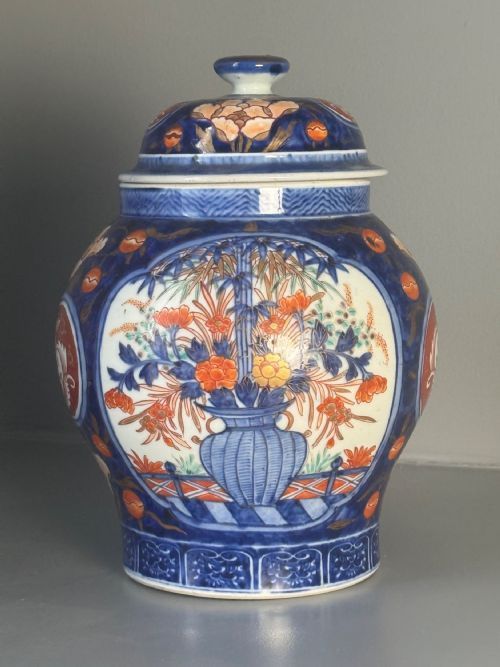
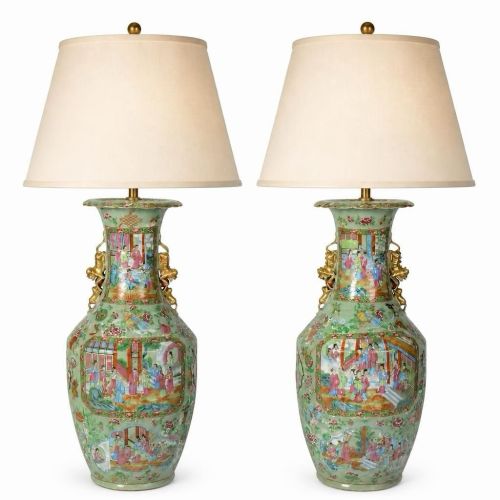
Polychrome ceramic vases bring rich colour and varied glaze work into a room, offering a striking focal point for collectors of historic pottery.
What polychrome ceramic vases are
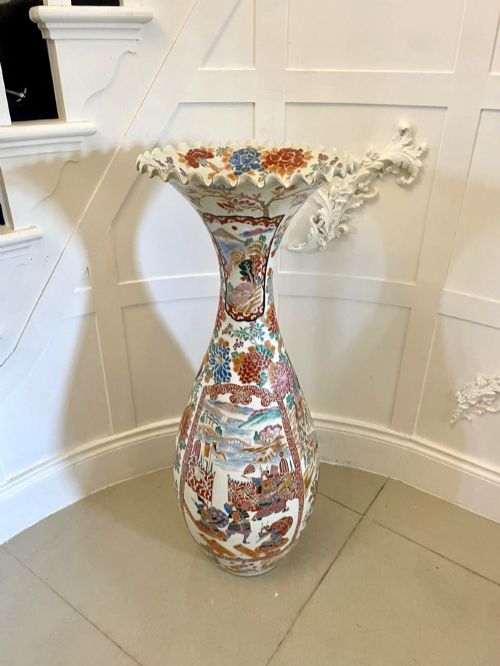
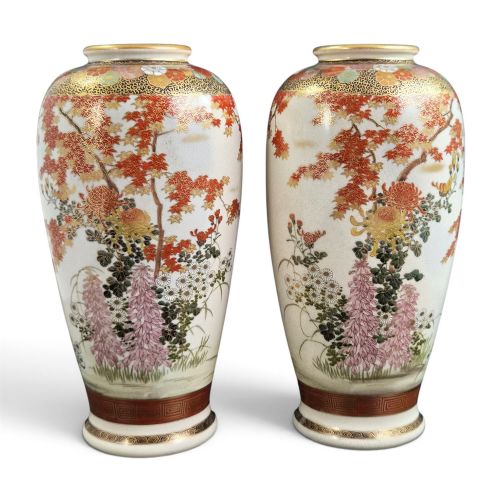
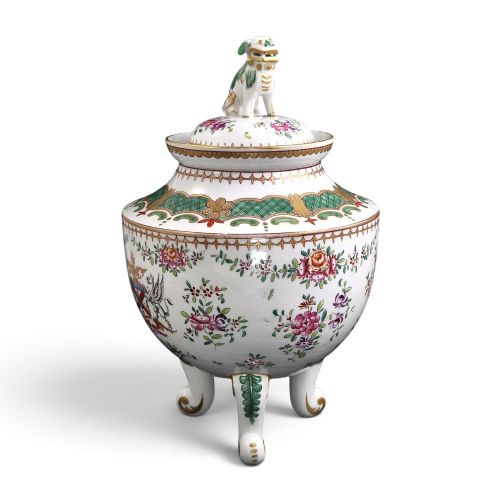
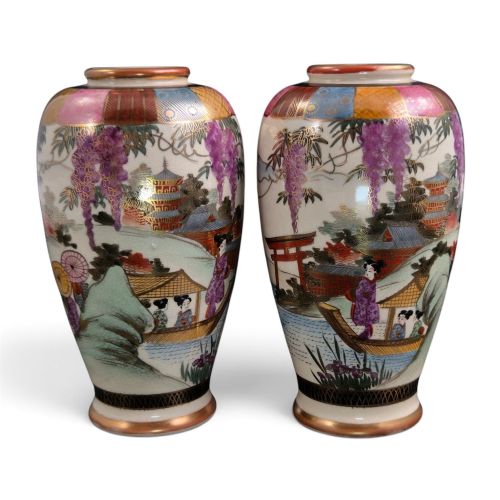
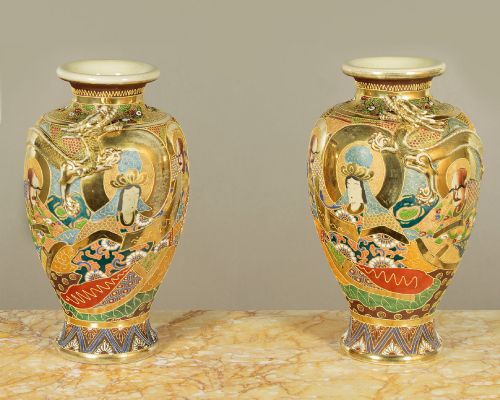
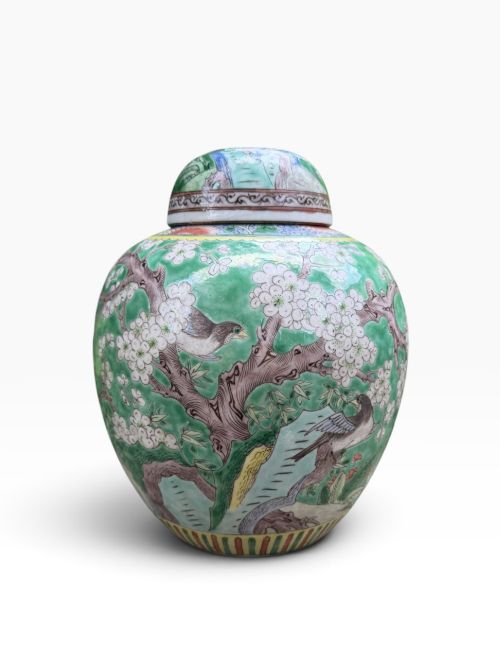
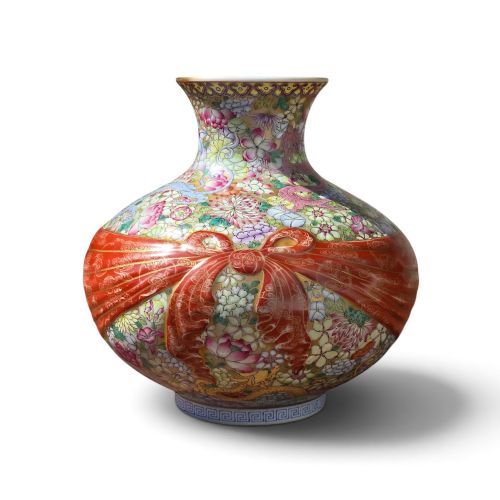
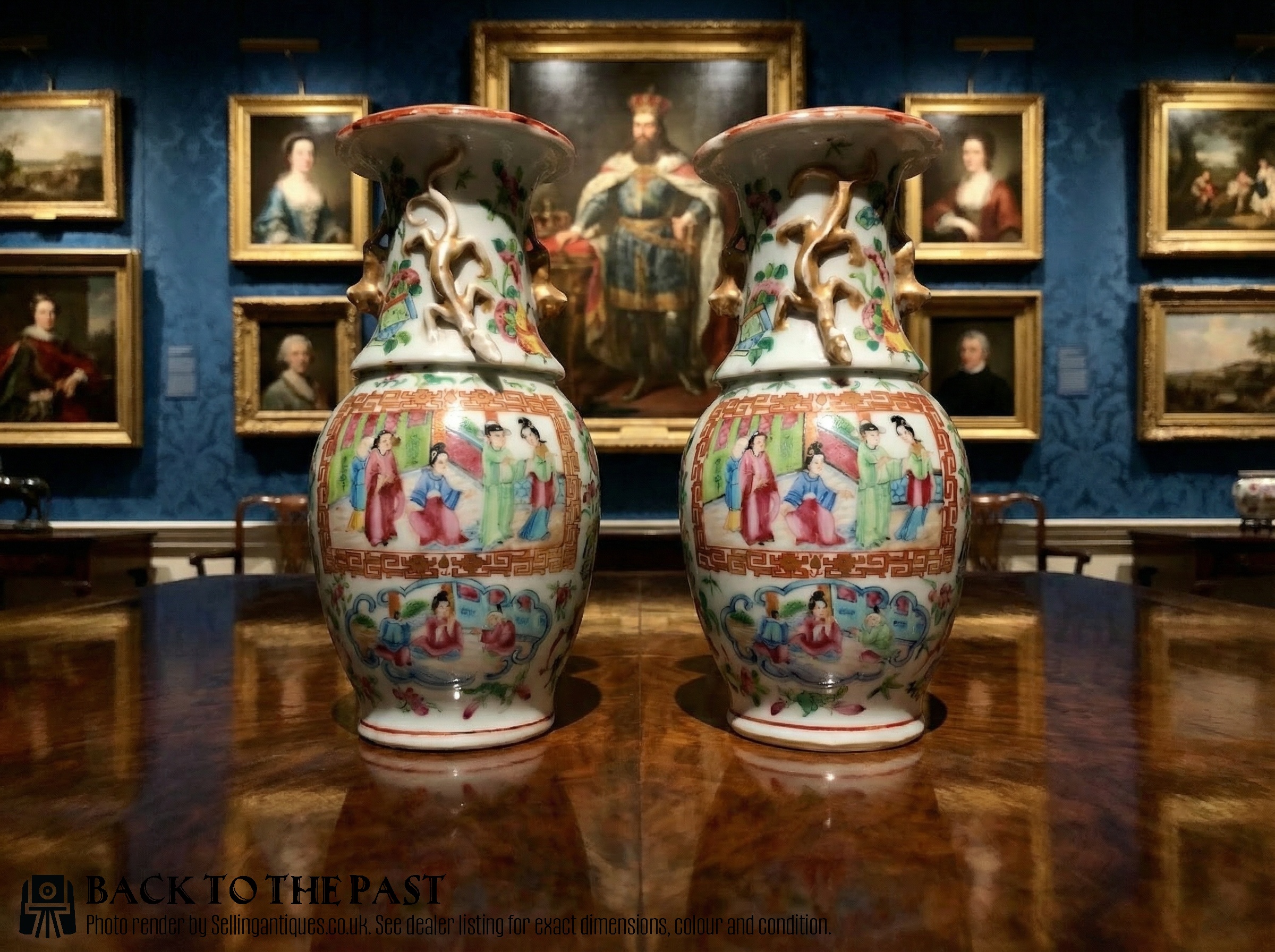
Polychrome ceramic vases span multiple centuries and international traditions, encompassing pieces from the eighteenth century onwards. Buyers searching for polychrome ceramic vases encounter diverse regional styles, including Chinese Canton and Famille Rose exports alongside Japanese Satsuma and Kutani productions.
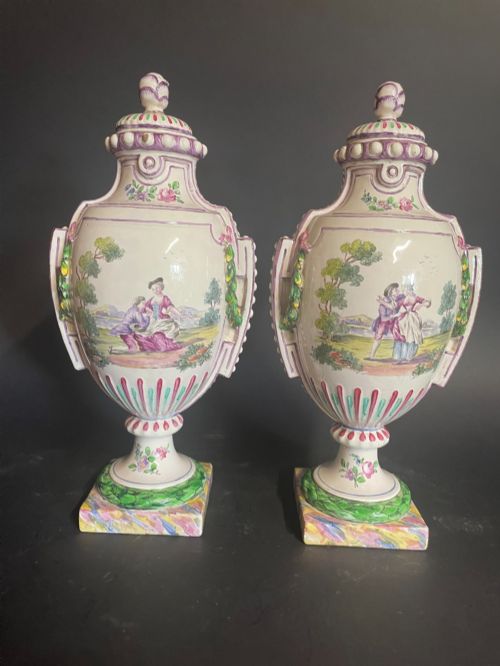
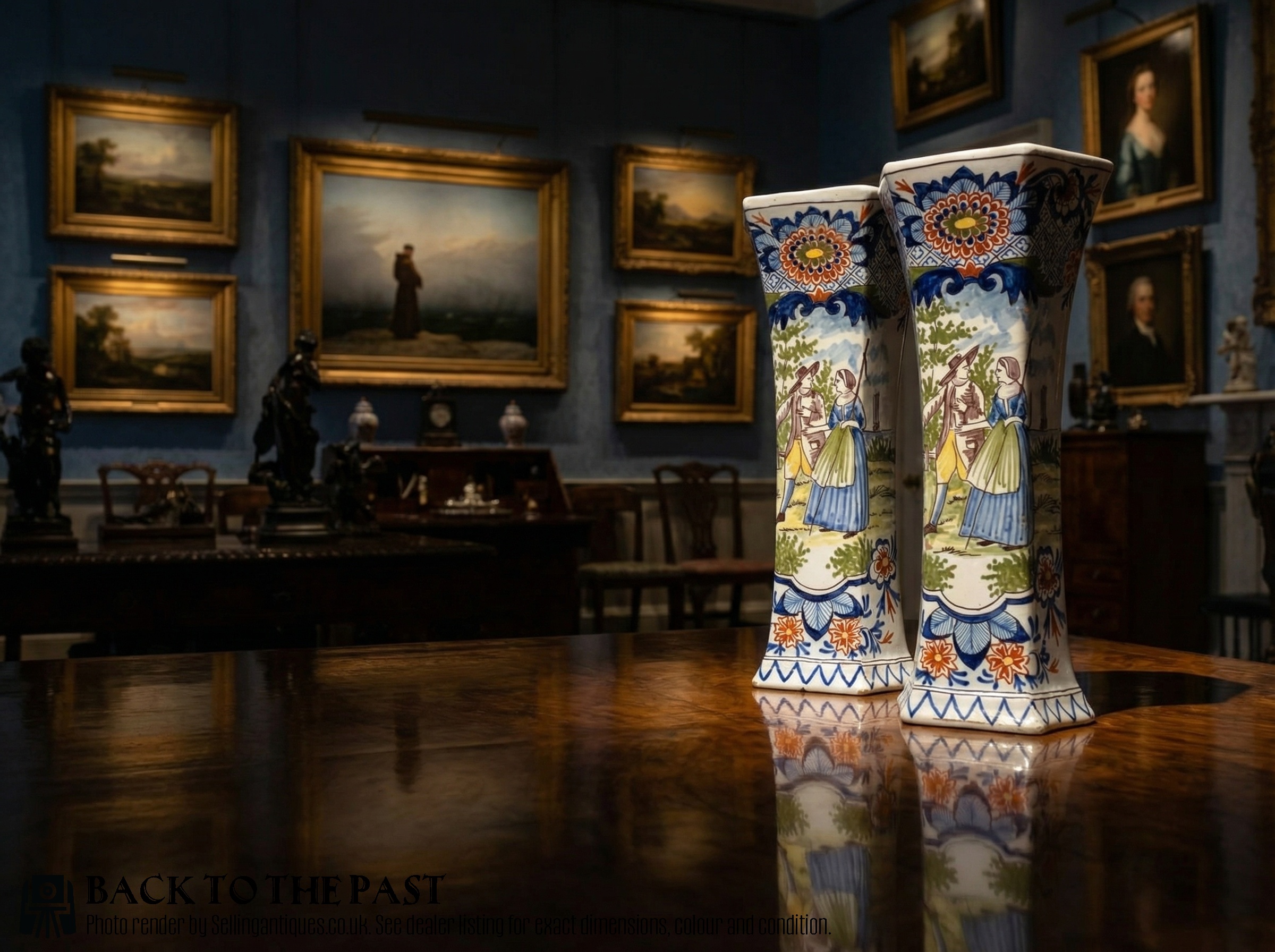
Most entries on this page consist of matched pairs designed for symmetrical display on mantelpieces or cabinets. These vessels showcase traditional hand-painted motifs executed across various historic periods.
How they were made
Potters shaped these vessels using earthenware, porcelain, and ironstone bodies, often applying tin glazes or clear lead glazes as a smooth foundation. Artisans then hand-painted intricate designs directly onto the surface utilising mineral enamels.
Many examples incorporate gold leaf highlights applied over the fired glaze to accentuate specific decorative elements. Kiln firings set the vibrant colours, fixing the enamel pigments permanently to the ceramic body.
Retail Price Guide 2026
Typical UK retail prices for polychrome ceramic vases, calculated from the Sellingantiques database of over a million retail prices indexed since 2003. This retail price guide relies exclusively on Sellingantiques data; no external sources or auction records are used, so the figures do not describe the wider market.
Several pairs feature birds and peonies sharing the same ceramic canvas without ever arguing over garden space.
What varies in quality
The standard of painting determines the visual success of each piece, distinguishing hurried factory decoration from meticulous brushwork. Finer examples display precise control over multiple enamel colours and balanced composition across the vessel body.
The integration of supplementary materials, such as cleanly applied gold leaf, separates standard utility wares from ambitious decorative items. Preservation of the original glaze surface and enamel brilliance dictates the overall aesthetic merit.
The Polychrome Ceramic Vases Glossary
- Polychrome
- Decoration executed in multiple colours. This term describes ceramics painted with diverse enamel pigments rather than a single blue underglaze.
- Baluster
- A vase form with a rounded lower body that tapers towards a narrow neck and flared rim. This classic silhouette provides a stable base for expansive painted scenes.
- Ironstone
- A heavy, durable type of earthenware developed in the nineteenth century. It offers high resistance to chipping while accepting enamel decoration readily.
- Famille Rose
- A palette of opaque Chinese ceramic enamels dominated by pink or rose shades. Introduced in the Qing Dynasty, this style allowed for nuanced shading of floral and figural motifs.
- Tin-glazed earthenware
- Pottery covered with a glaze made opaque by the addition of tin oxide. This white surface serves as an absorbent ground for direct painting in polychrome pigments.
Frequently Asked Questions
How do I display a pair of antique vases?
Matched pairs look best when placed symmetrically on substantial furniture pieces like sideboards or mantelpieces. Ensure they sit away from direct sunlight to protect the surface enamels.
Keep the surrounding space uncluttered so the detailed hand-painted motifs remain the primary visual focus of the room.
Can I use these vases for fresh flowers?
Many historic ceramic and ironstone vessels hold water safely, but delicate nineteenth-century enamels and added gold leaf require careful handling. Using a small glass insert protects the interior glaze from moisture damage.
Consider the porous nature of older earthenware bodies before exposing them to standing water for extended periods.
What is the difference between Satsuma and Kutani wares?
Satsuma wares characteristically feature a warm, ivory-coloured crackle glaze decorated with detailed enamel work and raised gold details. They originate from Japanese kilns associated with traditional regional output.
Kutani wares rely on a distinct palette where greens and blues often predominate, presenting bold painted compositions across various vessel forms.
How do I clean historic ceramic vases safely?
Dust the surface regularly with a soft, dry brush to prevent particulate buildup within recessed areas. Avoid chemical cleaners or abrasive cloths that can damage delicate overglaze enamels.
If washing is necessary, use lukewarm water without detergent and dry immediately with a lint-free cloth.